


 English
 中文简体
中文简体Don't hesitate to send a message
How Many Miles Will an E-Bike Motor Last? Real Lifespan, Factors & Care Tips
Content
A courier hauling 300 pounds of cargo up the same bridge twice a day and a retiree riding ten flat miles to the farmers market are asking the same question with very different stakes: how many miles will the motor actually deliver? The direct answer is that most e-bike motors last 10,000 to 20,000 miles in normal service, and a well-built hub motor can pass 30,000 miles. At an average of 2,000 miles per year, that puts the motor at a decade or more of use, which is why the battery — typically faded after 500 to 1,000 charge cycles — almost always needs replacing first.
The reason the range is so wide is that motors rarely die in dramatic fashion. Copper windings and the motor core are not the weak links; a motor reaches the end of its useful life when a bearing turns rough, a reduction gear strips, or water sneaks past a seal and corrodes the electronics inside. Each of those failure points depends on motor type, terrain, payload, and the quality of manufacturing and testing behind the unit, so the mileage figure has to be broken down by design rather than quoted as a single number.
Typical E-Bike Motor Mileage by Design
Geared hub motors and direct drive hub motors age on different schedules. A geared hub motor places a compact set of nylon or composite reduction gears between the rotor and the shell. The gears trade a small efficiency loss for strong low-speed torque in a light package, and they are the designed wear item: 10,000 to 20,000 miles is a realistic service range before gear wear shows up as grinding or freehub play, with quality composite gears lasting well beyond that. A direct drive hub motor has no gears at all, which removes that wear point; these motors commonly reach 20,000 to 30,000 miles or more, with bearings and heat-stressed winding insulation as their limiting factors instead.
| Motor type | Typical service life | First wear point | What it means in practice |
|---|---|---|---|
| Geared hub motor | 10,000-20,000 miles | Reduction gears | Gears can be inspected and replaced, so the shell and windings keep working |
| Direct drive hub motor | 20,000-30,000+ miles | Bearings and heat-stressed windings | No gear wear, but heavier; watch heat on long climbs |
| Mid-drive motor | 20,000+ miles | External chain, cassette, chainring | The motor often outlasts several sets of drivetrain wear parts |
Daily mileage math makes the ranges tangible. Ten miles of commuting a day adds up to roughly 3,650 miles a year, so even a conservatively rated geared hub motor covers several years of daily riding before its first gear service, while a direct drive unit may go twice as long. For flat-city commuters, a light 250 W class motor is rarely stressed hard enough for the differences to matter, which is why compact units remain the default choice for that duty cycle.
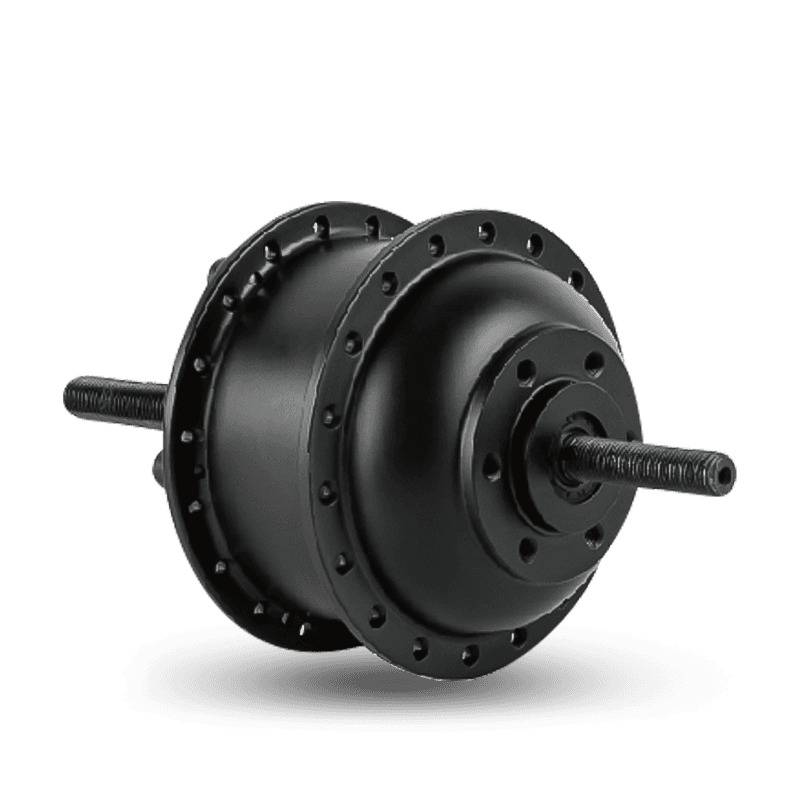 HT MINI 250W Front Hub Motor for Urban CommutingA compact 250W external rotor front hub motor weighing 1.95 kg with 40Nm stall torque, 36-48V support, and patented plastic-steel gears. For flat-city commuters riding about ten miles a day, this light-duty geared unit stays well within its limits, making it a sensible fit for the daily mileage discussed here.View Product →
The geared versus gearless choice also changes where maintenance attention goes, not just how long the motor lasts. Riders weighing the two platforms can compare the trade-offs in detail in our guide to geared versus gearless hub motors before committing to either design.
What Actually Ends a Motor's Life Early
Heat and overload
Heat is the number one mileage killer. Sustained high current — long climbs, heavy cargo, grinding into a headwind at full throttle — ages winding insulation and softens nylon gears over time. The worst case is a stall: a motor held near zero speed under full power on a grade too steep for its rating draws maximum current with almost no airflow over the case. Cargo bikes multiply this risk because payload alone can double the load the motor fights on every hill, which is why cargo platforms specify high-torque, thermally robust motors rather than trading down to save weight. Manufacturers design around heat with better winding insulation, temperature sensing, and efficient thermal paths through the aluminum housing, which is one reason die-casting quality matters more than it appears to.
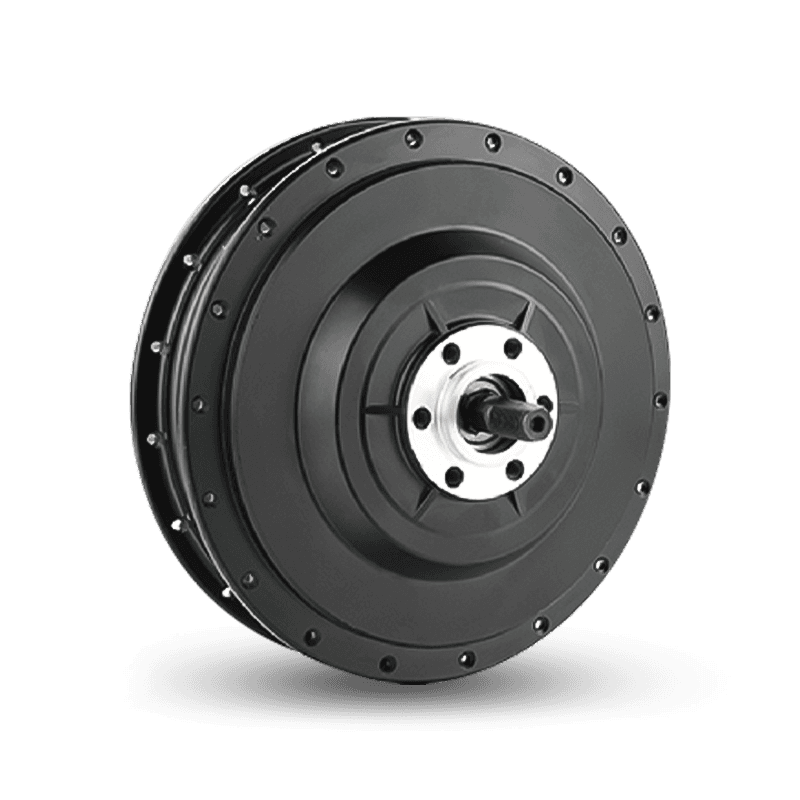 High-Torque Hub Motors for E-Cargo BikesThis supplier range covers cargo-oriented hub motors from 250W up to 2000W, with stall torque figures from 55Nm to 160Nm. Heavy payloads multiply the heat a motor must dissipate on every hill, so thermally robust, high-torque options in this class are worth reviewing for cargo builds.View Product →
Water, dust, and corrosion
Hub motors are sealed against rain, but they are not submarines. High-pressure washers force water past shaft seals, and repeated deep-puddle riding eventually finds the same path. Once inside, moisture corrodes bearings and phase connectors and can kill hall sensors long before the windings show any wear. A motor built with IP65-level sealing and properly seated O-rings shrugs off years of wet weather; a pressure washer aimed at the axle defeats that in minutes. Letting the bike dry naturally after wet rides and keeping seal areas clean costs nothing and preserves miles.
Gears and bearings
Gear material sets the wear curve in geared hubs. All-nylon gears run quietly but wear fastest, all-steel gears last long but transmit more noise, and nylon-steel composite gears split the difference — HENTACH's patented nylon-steel gears, for instance, were developed to extend gear life in the EU and US markets the company supplies. Bearings fail for simpler reasons: curb strikes, side loads from racks and kickstands, and water ingress. A bearing that starts to hum should be serviced promptly, because a seized bearing can score the axle and shell and turn a minor repair into a full replacement.
How Mileage Claims Are Proven
Any brand can print a large number on a spec sheet, so the question worth asking — whether you are buying one bike or specifying motors for a production run — is what stands behind the figure. Dyno endurance testing, ISO 9001-controlled production, and warranty terms written in miles rather than only years are the three signals that separate validated lifespan from marketing optimism.
HENTACH, a Ningbo-based hub motor manufacturer with more than 20 years of production experience, shows what a serious commitment looks like. Its mileage guarantee program commits hub motors to more than 30,000 miles, the company reports that over 50 motors have reached that benchmark, and some units have passed 50,000 miles. Those claims rest on two in-house electric vehicle motor test benches and a production flow that runs from aluminum die casting through precision machining to final assembly under ISO 9001. Programs like this exist because fleet operators and OEM buyers need predictable failure rates, not hopeful estimates.
Buyers comparing durability-focused products can go a step further and review engineering pages that state targets explicitly, such as hub motors engineered for a 40,000 km service life, then ask competing suppliers for equivalent test documentation.
Getting the Most Miles From the Motor You Choose
Matching the motor to the route does more for longevity than any accessory. A 250 W commuter motor on flat terrain with light loads will coast through its service life; the same motor asked to haul a loaded trailer up sustained 8% grades will run hot every single day. Stepping up to a 750 W class rear hub for hilly routes, heavier riders, or utility builds keeps operating temperatures in the range where insulation and gears age slowly.
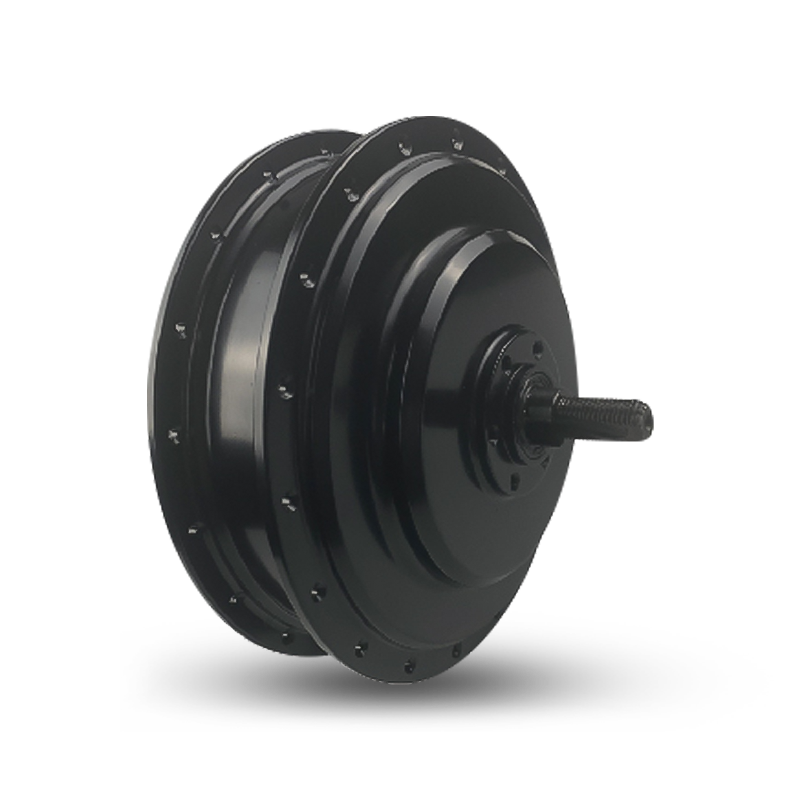 E-Type Pro RC750 Rear Hub Motor for Hills and CargoA 750W rear hub motor with over 85Nm stall torque, 142mm dropouts, 8-10 speed cassette compatibility, and patented nylon-steel gears rated beyond 40,000 km. Stepping up to this class on hilly routes, with heavier riders, or for utility loads keeps operating temperatures moderate and slows wear.View Product →
Before buying, a short checklist covers most of the durability variables:
- Ask for the warranty in miles, not only years — 30,000 miles and two years imply very different confidence levels.
- Confirm the gear material in geared hub designs and whether the gear set can be serviced.
- Check the ingress protection rating and choose IP65 or better if the bike will see rain or wash-downs.
- Match rated power to terrain and payload so the motor is not pinned at maximum current every day.
- Favor suppliers who publish bench-test data and hold ISO 9001 certification.
Riding habits matter just as much once the bike is in service:
- Pedal into hill starts instead of launching at full throttle from a standstill.
- Give the motor a short cool-down after long climbs before asking for another burst.
- Skip pressure washers and wipe the hub down by hand instead.
- Keep tires properly inflated, since soft tires raise rolling load and motor temperature.
- Investigate new noises early; a rough bearing caught in time is a minor repair.
The practical takeaway is that a quality motor is among the longest-lived components on an e-bike. Expect 10,000 to 20,000 miles from a typical unit, 30,000 or more from a well-engineered one, and plan on replacing the battery — and probably a chain or two — well before the motor. When comparing bikes or sourcing motors for a fleet, judge the mileage promise by the testing and warranty behind it, and the motor will likely be the last part of the drivetrain you ever have to think about.
OUR PRODUCTS
Recommended Products
-
 E-Type F500 Front Hub Motor
The E-Type F500 front hub motor is designed for E-Cargo and E-MTB bikes, offerin...
-
 E-Type Pro RC750 Rear Hub Motor
The E-Type Pro RC750 Rear Hub Motor is designed for E-Cargo and E-MTB bikes, com...
-
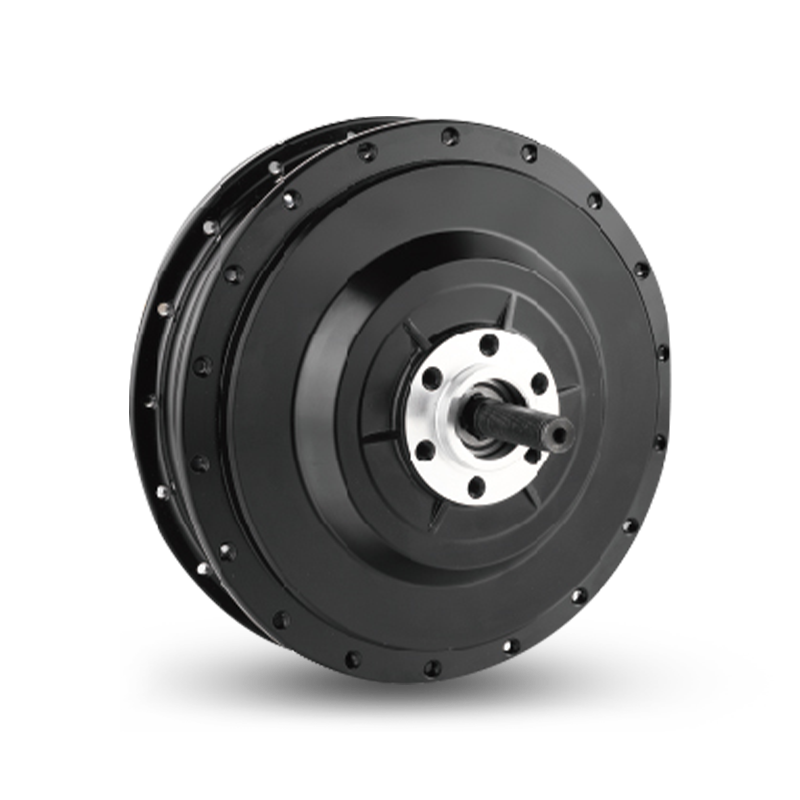 E-Type RF500 Rear Hub Motor
The E-Type RF500 Rear Hub Motor is designed for E-Cargo and E-MTB bikes, compati...
-
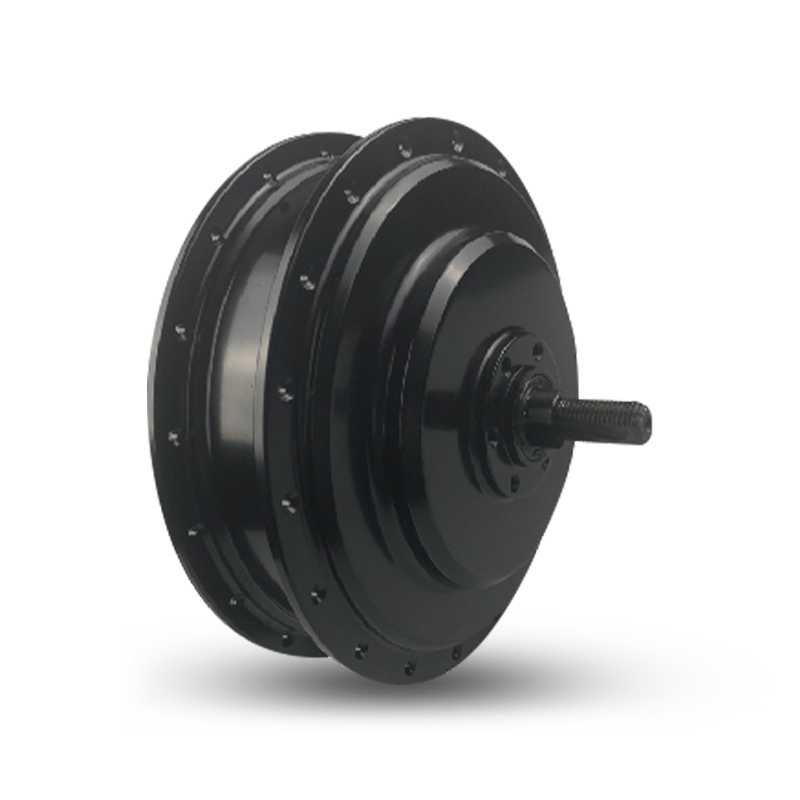 E-Type Pro RF750 Rear Hub Motor
The E-Type Pro RF750 Rear Hub Motor is designed for E-Cargo and E-MTB bikes, com...
-
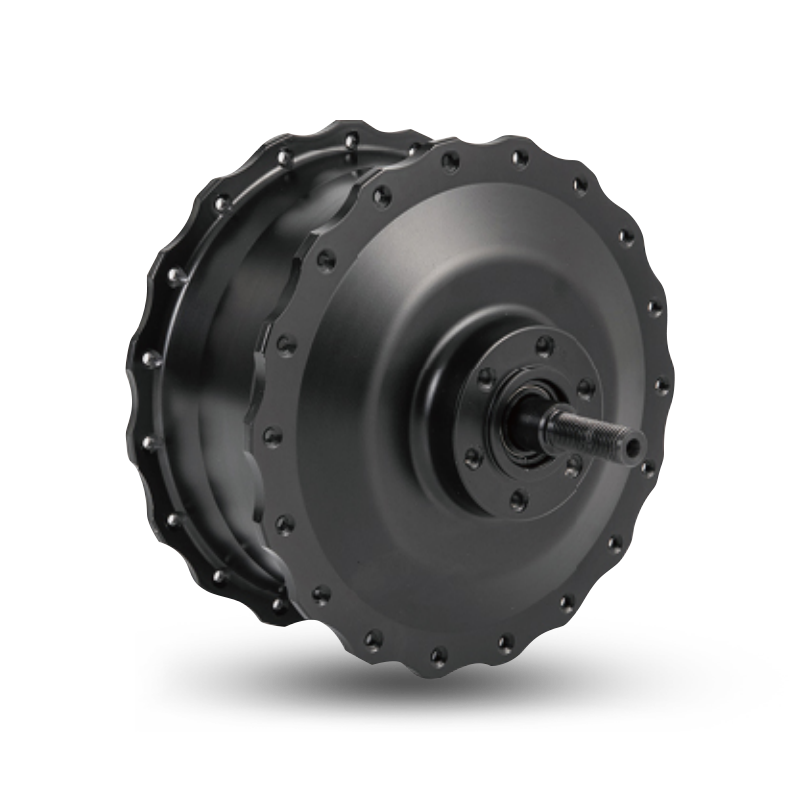 S-Type Pro F1500 Front Hub Motor
The S-Type Pro F1500 front hub motor, designed for E-Carao and E-Fat bikes, offe...
-
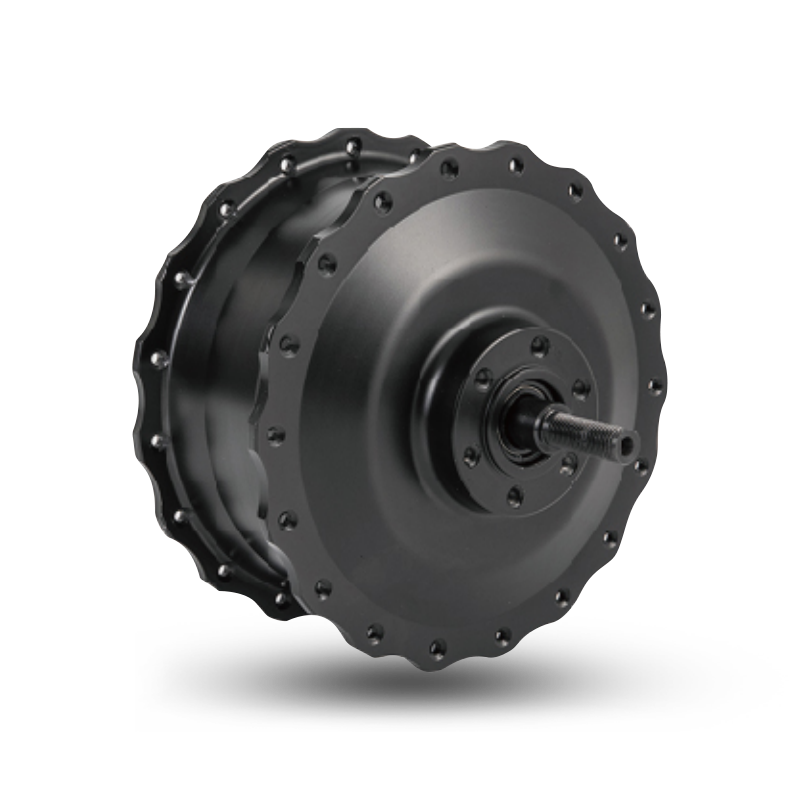 S-Type F750 Front Hub Motor
S-Type F750 is designed for E-Cargo and E-Fat. The rated power ranges from 500W ...
-
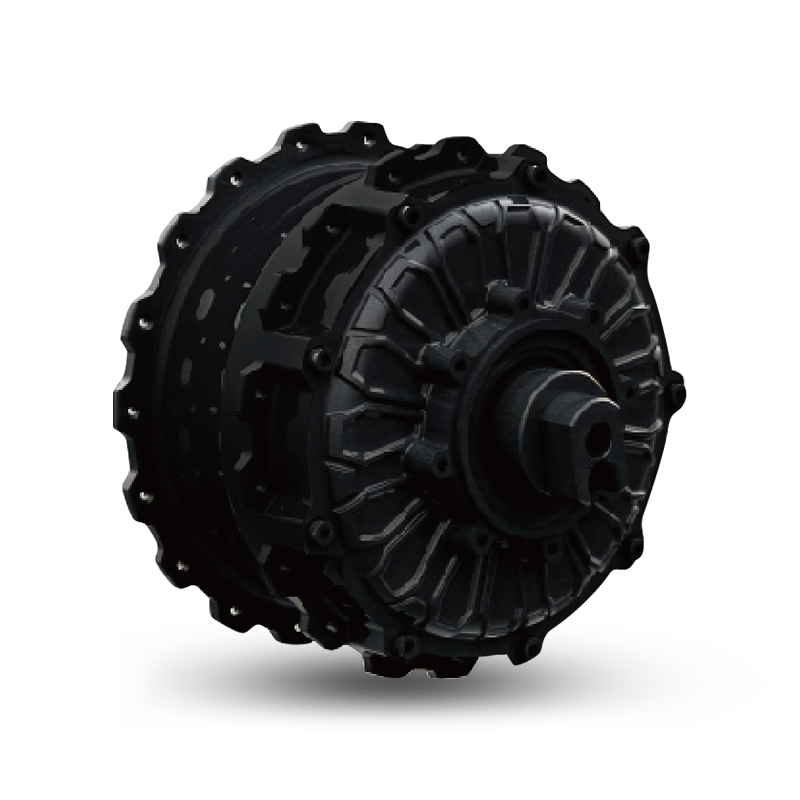 S-TYPE Max THRU AXLE Rear Hub Motor
The S-TYPE Max thru-axle motor is designed for E-Fat, Moped, and Cargo applicati...
-
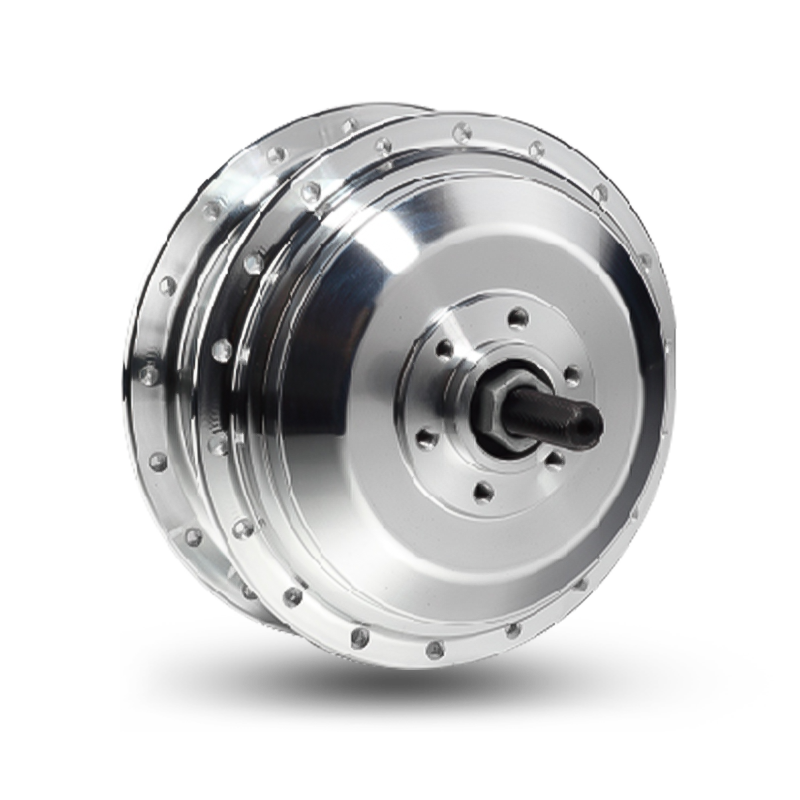 C-Type R350 Rear Hub Motor
The C-Type R350 Rear Hub Motor, designed for city e-bikes, offers a rated power ...
If you are interested in our products, please consult us
Contact Details
- Address:No. 3 Dingqiao Rd, Jiangshan Town, Yinzhou District, Ningbo, Zhejiang Province, China
- Phone: +86 13806662915
- Email: K.zhang@hengtai-cn.com
Products
Quick Link
News Center
Mobile terminal
