


 English
 中文简体
中文简体Don't hesitate to send a message
How to Measure Dropout Size for a Hub Motor: A Step-by-Step Fitment Guide
Content
- 1 What Dropout Size Actually Measures
- 2 Tools You Need Before Measuring
- 3 How to Measure Dropout Width Step by Step
- 4 Common Dropout Standards and How to Use Them
- 5 The Secondary Measurements That Prevent Fitment Failures
- 6 Common Measuring Mistakes That Lead to the Wrong Motor
- 7 From Measurement to Purchase Specification
Before you order any hub motor, one number decides whether it actually fits: the inside-to-inside distance between your frame's dropouts, measured in millimeters. A 100 mm front spacing calls for a front hub motor built to that width, while a 135 mm rear spacing is the most common match for rear e-bike conversions. Power ratings, controllers, and sprocket types all come after the axle fits the frame.
The measurement itself takes about ten minutes and needs nothing more exotic than a pair of calipers. What separates a smooth installation from a returned shipment is knowing exactly which faces to measure, which standards to compare against, and which secondary dimensions — axle slot width in particular — quietly decide compatibility.
What Dropout Size Actually Measures
A dropout is the slotted fitting at the end of a fork blade or rear stay where the wheel axle seats. When riders and motor suppliers talk about dropout size, they mean the inside-to-inside width between the two slots. On the motor side, this corresponds to the O.L.D. — outside locknut dimension — the width measured across the outer faces of the axle locknuts. Frame spacing and motor O.L.D. must match.
Two details matter from the start. First, the correct measuring points are the inner flat faces of the dropouts, the machined surfaces that clamp against the locknuts — not the outer edges of the frame tubes. Second, identify the axle system before you measure anything else: quick-release and nutted setups use a 10 mm solid axle sitting in 10 mm slots, while thru-axle frames use 12 mm slots and require a dedicated thru-axle hub motor. A motor with the right width but the wrong axle system still will not install.
Tools You Need Before Measuring
You do not need a workshop, but tool choice directly affects accuracy, and a 2 mm error is enough to send you home with the wrong motor.
- Digital calipers with 0.1 mm resolution — the preferred tool, especially for uncommon spacing
- A steel ruler — acceptable for confirming common standards such as 100 mm or 135 mm
- A tape measure — a last resort only, since sag and parallax can easily add 2–3 mm
- A bike stand, or a second person to hold the bike upright
- Pen and paper to record each reading before you forget it
How to Measure Dropout Width Step by Step
- Secure the bike upright on a stand or level ground. A wobbling frame makes consistent caliper contact difficult.
- Remove the wheel from the end you are measuring. The full inner faces of the slots must be exposed; measuring around an installed wheel or skewer produces false readings.
- Identify the inner flat faces of the two dropouts. Run a finger across each surface — you should feel a flat, machined area rather than an angled edge or paint buildup.
- Open the calipers wider than the gap, insert both jaws, and close them gently until each jaw rests flat against an inner face. Do not force them; pressure can flex thin dropouts.
- Read the value in millimeters, then repeat the measurement two or three times, slightly repositioning the calipers each time, and record the consistent result.
- Compare your reading against the common standards below. A frame measuring 135.9 mm is still a 135 mm frame; manufacturers hold tolerances within roughly ±1 mm of nominal.
While the wheel is off, also inspect the slots themselves. Burrs, dents, or heavy paint on the inner faces can cost you a millimeter or more, and these should be cleaned or noted before you order anything.
Common Dropout Standards and How to Use Them
Most readings land on one of a handful of industry standards, which is exactly why this measurement works so well as a purchasing filter.
| Vehicle type | Typical spacing | What it means for motor selection |
|---|---|---|
| Front fork, most e-bikes and conversions | 100 mm | Standard width for front hub motors with nutted or quick-release axles |
| Rear, road frames | 130 mm | Found on road-oriented frames; comparatively limited motor choice |
| Rear, mountain and e-bike frames | 135 mm | The most common rear spacing; widest hub motor selection |
| Rear, thru-axle frames | 142 mm or 148 mm | Requires a dedicated thru-axle hub motor, not a spread frame |
| Rear, fat bikes | 170–190 mm | Varies by manufacturer; measure rather than assume |
If your front fork measures 100 mm, you are working with the standard used by most front hub motors, including compact units such as the HT-MINI 250W front hub motor designed for city and commuter conversions.
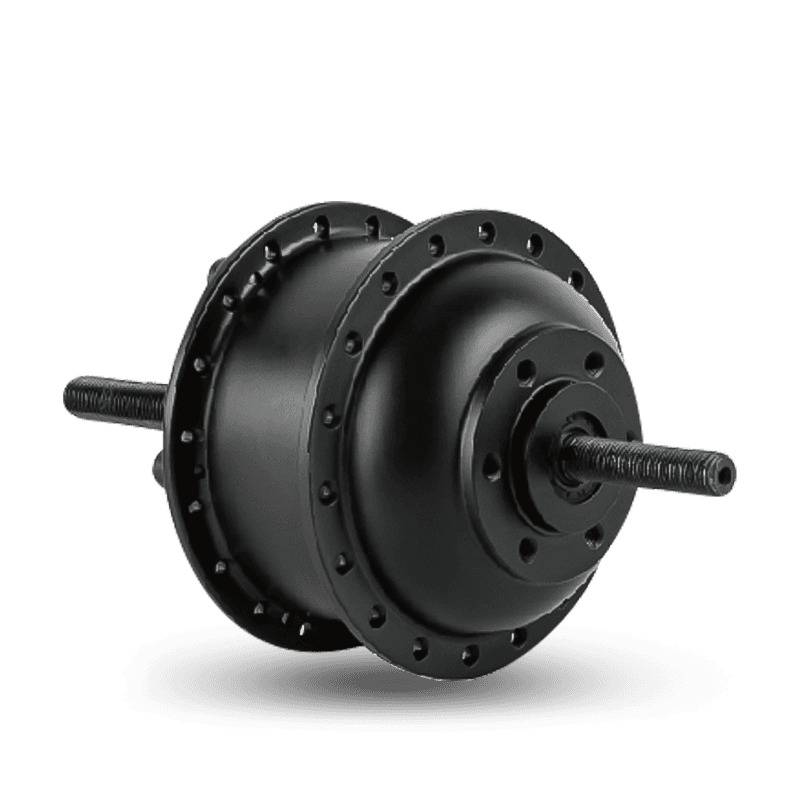 HT MINI 250W Front Hub MotorThe HT MINI 250W FRONT HUB MOTOR features a compact external rotor structure, providing excellent power and stability. Weighing only 1.95 kg, it delivers a rated power...View Product →
A rear reading of 135 mm opens the widest selection. At this point, also decide the drive interface: a cassette body or a freewheel thread. The interface does not change the spacing figure, but it determines how the sprocket mounts and how the drivetrain lines up. Motors such as the E-type Pro RC750 rear hub motor are built to the 135 mm class with a cassette interface, which is why the same frame measurement supports very different vehicle programs.
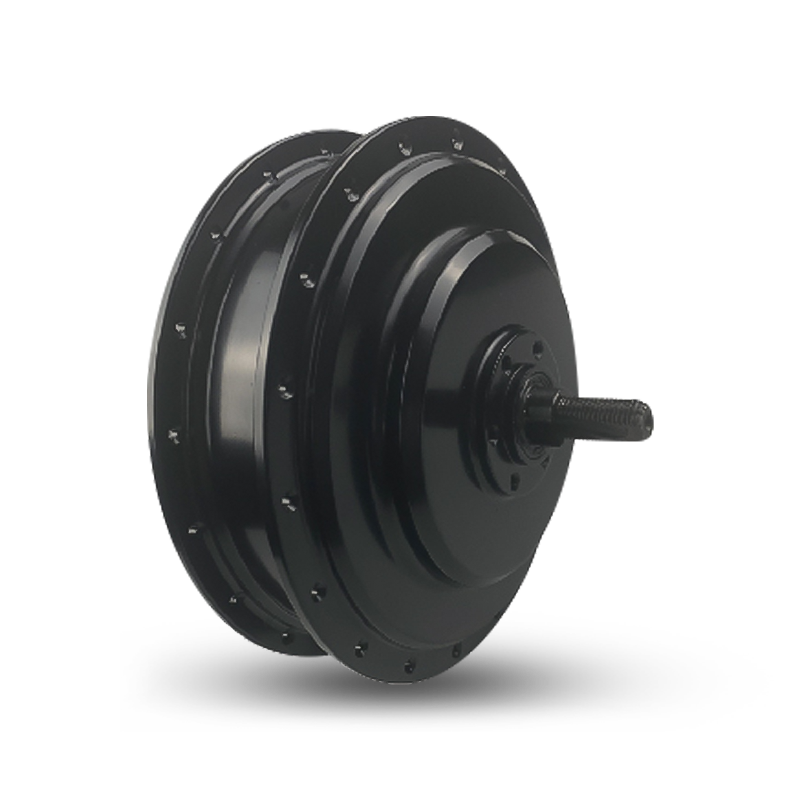 E-Type Pro RC750 Rear Hub MotorThe E-Type Pro RC750 Rear Hub Motor is designed for E-Cargo and E-MTB bikes, compatible with 8-10 speed cassettes and a 142mm dropout. With a rated power of 750W and o...View Product →
If the rear of a fat bike reads anywhere between 170 and 190 mm, write down the exact figure. This category has no single settled standard, and two fat bikes from the same showroom can require different motors.
The Secondary Measurements That Prevent Fitment Failures
Axle slot width
Spacing is only half of the specification. Measure the slot opening as well: most quick-release and nutted dropouts accept a 10 mm axle, while thru-axle frames are cut for 12 mm axles. An M12 axle will not seat in a 10 mm slot, and filing a frame slot is not a safe workaround on aluminum or carbon. If your frame measures 148 mm with 12 mm slots, source from dedicated thru-axle hub motors rather than adapting a standard unit.
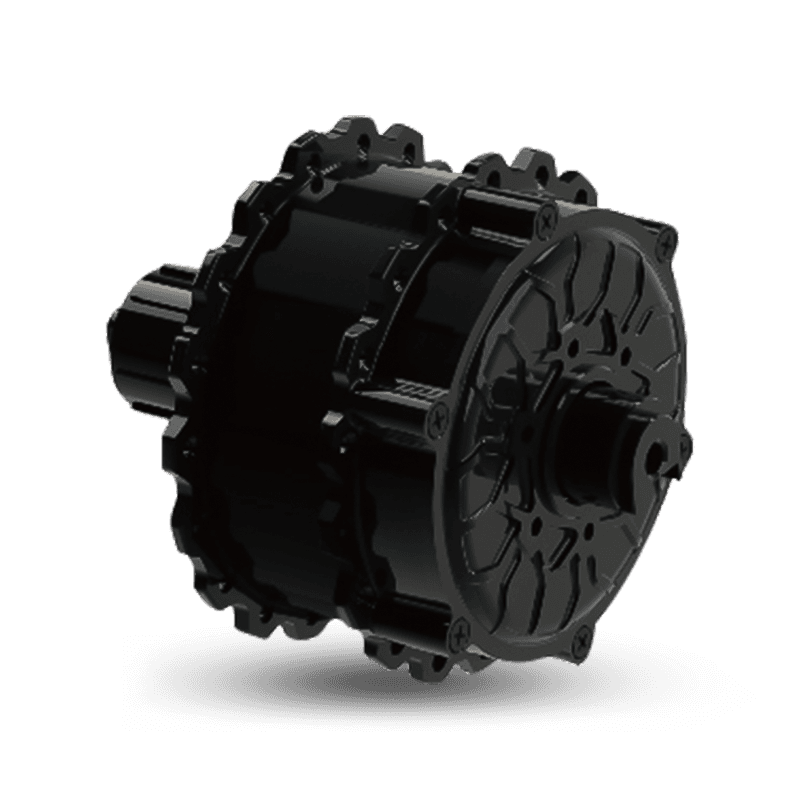 HT MINI2 Thru-Axle Rear Hub MotorDesigned for frames with narrower slot openings and thru-axle requirements, this lightweight 1.75 kg rear hub motor adapts to 10mm and 12mm axles with 135mm spacing, 35Nm torque, and long-lasting plastic-steel gears.View Product →
Flat face area and washer space
Check how much flat, parallel surface exists around each slot. E-bike motors transmit high torque into the frame, and washers or torque plates need real contact area to do their job. A dropout with chamfered edges or limited flat area may require a wider washer set — worth confirming before a high-torque application goes into production.
Common Measuring Mistakes That Lead to the Wrong Motor
- Measuring outside to outside. The dimension that matters is always the inside-to-inside distance between the slot faces.
- Resting the calipers on angled edges or chamfers instead of the flat inner faces, which inflates the reading.
- Ignoring coatings. Thick paint or powder coat can add 0.2–0.5 mm per side; measure bare metal where possible.
- Taking a single reading. Repeating the measurement costs nothing and catches most errors.
- Assuming from vehicle type. Fat bikes alone span 170–190 mm depending on the manufacturer.
- Planning to spread the frame. Stretching a 135 mm steel frame toward a 142 mm axle is possible only within very narrow limits on steel, is not an option for aluminum or carbon frames, and should never be part of a procurement plan.
From Measurement to Purchase Specification
For anyone buying at project or fleet scale, the measurement becomes the first line of the motor specification: frame spacing in millimeters, axle type (10 mm nutted, quick-release, or 12 mm thru-axle), drive interface (cassette or freewheel), and the torque requirement of the vehicle. Supplying these four items lets a manufacturer confirm fit before a single sample ships.
Experienced hub motor manufacturers such as HENTACH produce the same motor family in multiple axle configurations — cassette, freewheel, and thru-axle variants — precisely because frames rarely share one standard. For nonstandard spacing or unusual dropout geometry, custom e-bike motor development is the cleaner path than modifying a frame around a stock motor.
Measure twice, record the number, and treat it as a fixed input to the sourcing process. Ten minutes with a set of calipers prevents the most expensive mistake in hub motor projects: discovering the mismatch after the motor arrives.
OUR PRODUCTS
Recommended Products
-
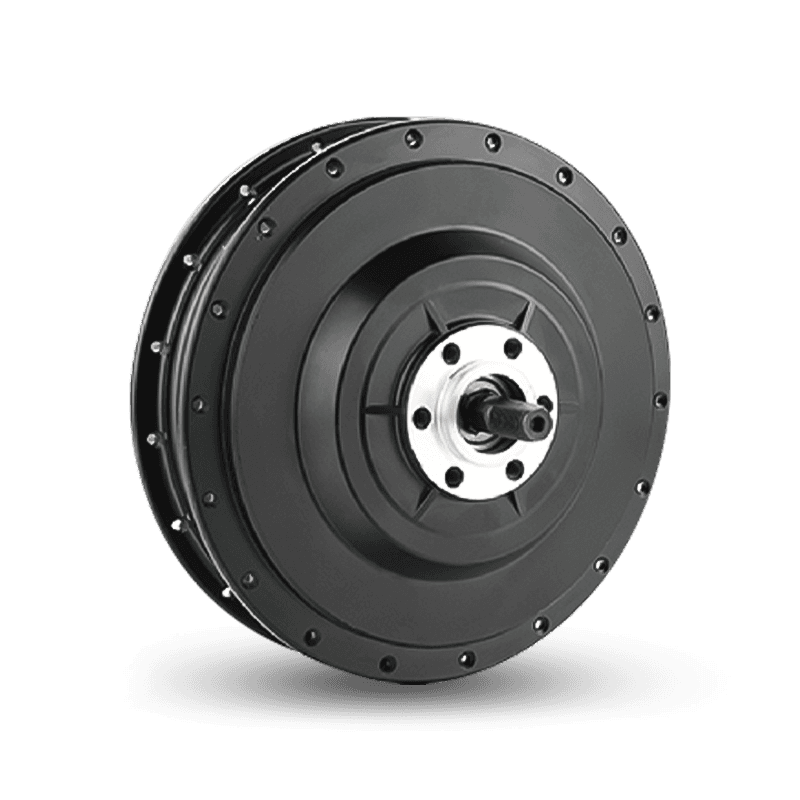 E-Type F500 Front Hub Motor
The E-Type F500 front hub motor is designed for E-Cargo and E-MTB bikes, offerin...
-
 E-Type Pro RC750 Rear Hub Motor
The E-Type Pro RC750 Rear Hub Motor is designed for E-Cargo and E-MTB bikes, com...
-
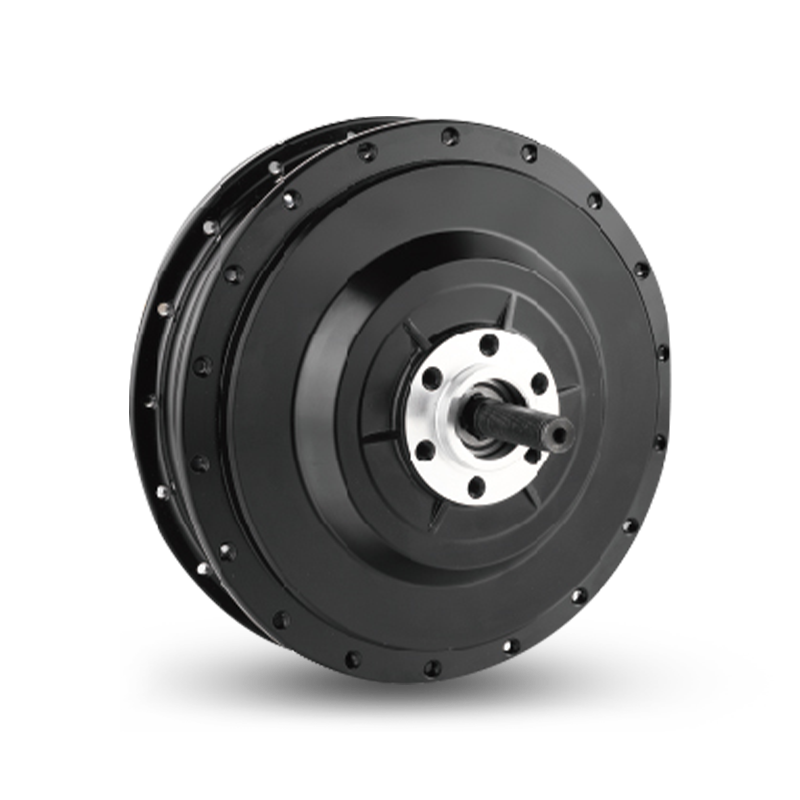 E-Type RF500 Rear Hub Motor
The E-Type RF500 Rear Hub Motor is designed for E-Cargo and E-MTB bikes, compati...
-
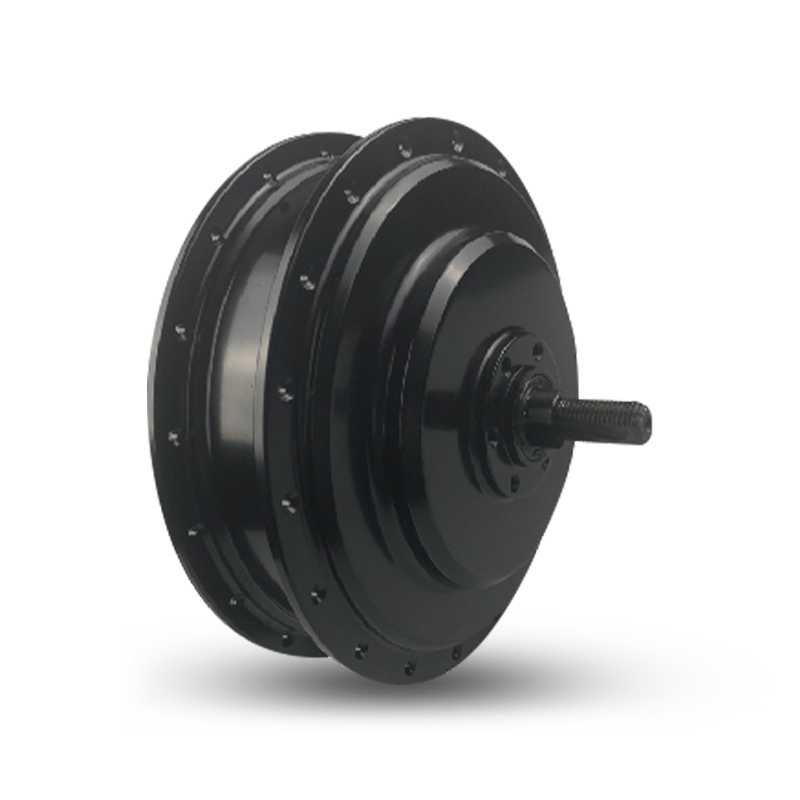 E-Type Pro RF750 Rear Hub Motor
The E-Type Pro RF750 Rear Hub Motor is designed for E-Cargo and E-MTB bikes, com...
-
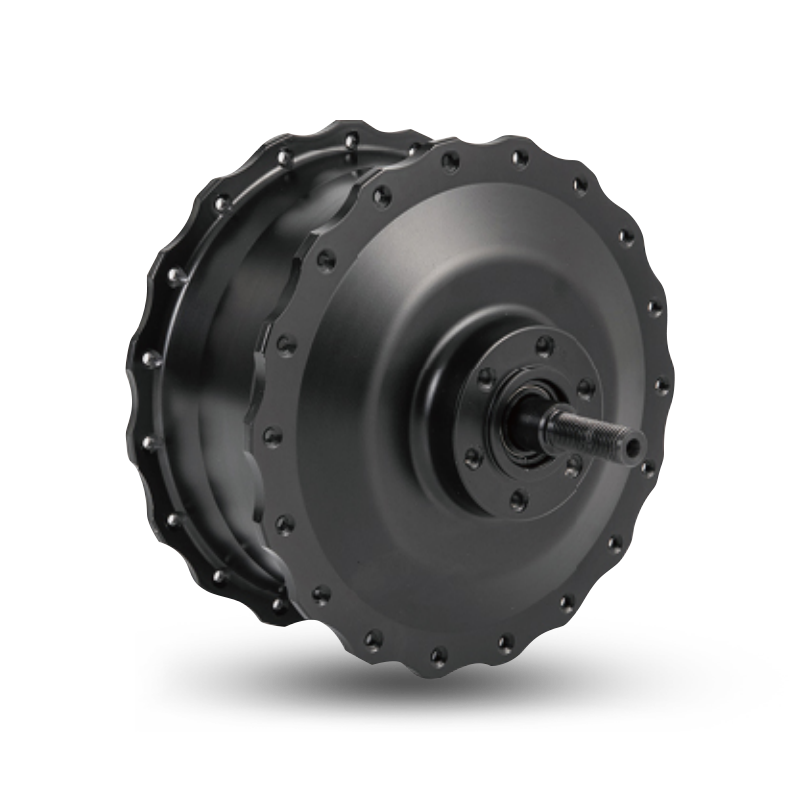 S-Type Pro F1500 Front Hub Motor
The S-Type Pro F1500 front hub motor, designed for E-Carao and E-Fat bikes, offe...
-
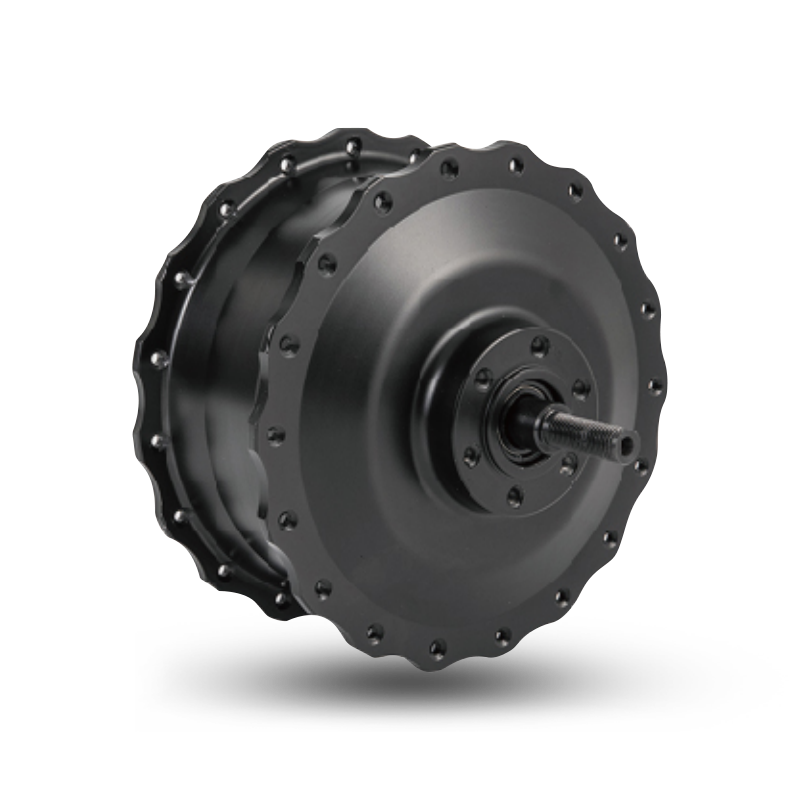 S-Type F750 Front Hub Motor
S-Type F750 is designed for E-Cargo and E-Fat. The rated power ranges from 500W ...
-
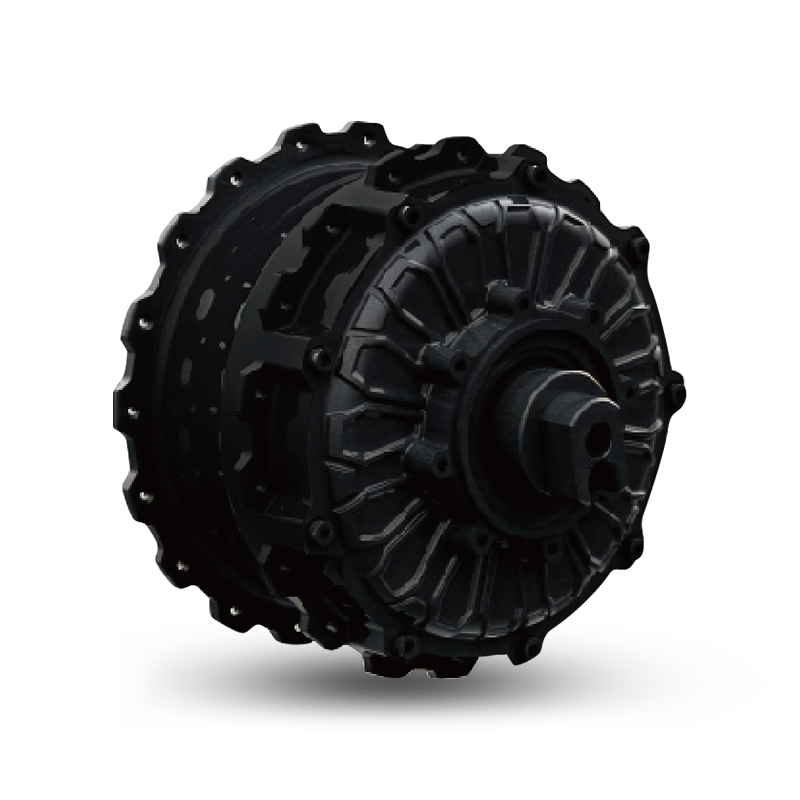 S-TYPE Max THRU AXLE Rear Hub Motor
The S-TYPE Max thru-axle motor is designed for E-Fat, Moped, and Cargo applicati...
-
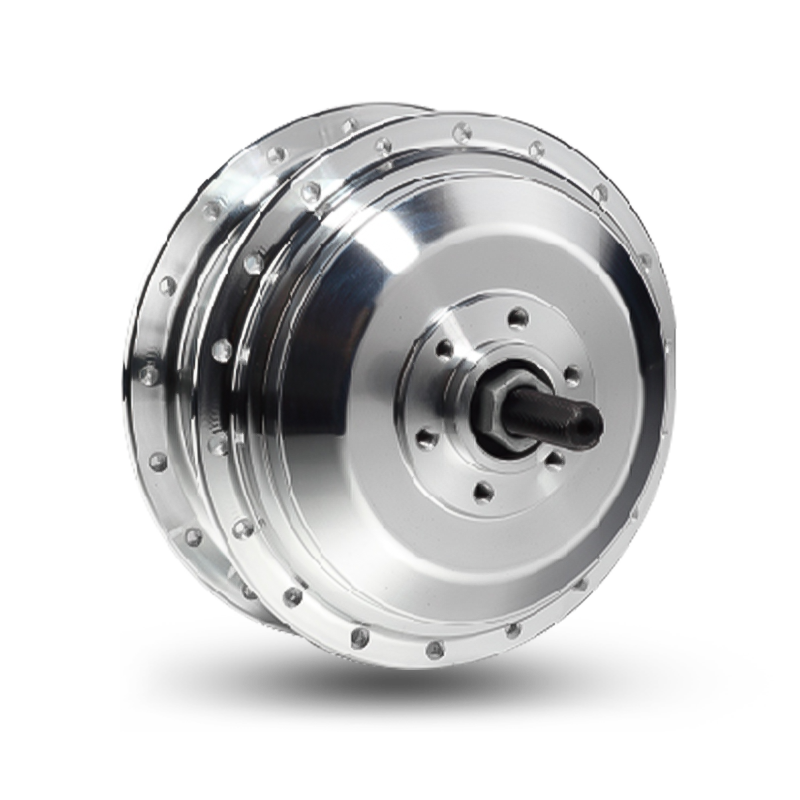 C-Type R350 Rear Hub Motor
The C-Type R350 Rear Hub Motor, designed for city e-bikes, offers a rated power ...
If you are interested in our products, please consult us
Contact Details
- Address:No. 3 Dingqiao Rd, Jiangshan Town, Yinzhou District, Ningbo, Zhejiang Province, China
- Phone: +86 13806662915
- Email: K.zhang@hengtai-cn.com
Products
Quick Link
News Center
Mobile terminal
