


 English
 中文简体
中文简体Don't hesitate to send a message
How Does a Torque Sensor Work on an Ebike? Everything You Need to Know
Content
- 1 What Is a Torque Sensor on an Ebike?
- 2 How a Torque Sensor Works: The Engineering Explained
- 3 Types of Torque Sensor Designs
- 4 Torque Sensors and Hub Motors: A Natural Fit
- 5 Durability and Reliability of Torque Sensors
- 6 Choosing the Right Torque-Sensing Motor System
- 7 Torque Sensors and Smart Motor Control
- 8 Working With a Motor Manufacturer That Understands Sensors
If you have ever ridden a modern pedal-assist electric bicycle, chances are you have experienced the smooth, intuitive power delivery made possible by a torque sensor. Unlike basic cadence-based systems that simply detect when you are pedaling, a torque sensor measures how hard you are pushing on the pedals. The motor then responds in proportion to your effort, creating a riding experience that feels remarkably similar to riding a conventional bicycle—only with an extra push behind you.
For engineers, product managers, and e-bike brands looking to understand the technology at a deeper level, this article explains exactly how a torque sensor works on an ebike, the engineering principles involved, and how this component integrates with hub motor systems to deliver a ride quality that riders notice immediately.
What Is a Torque Sensor on an Ebike?
A torque sensor on an ebike is a precision measuring device that converts the mechanical force applied by the rider to the pedals into an electrical signal. This signal is sent to the motor controller, which uses it to modulate the amount of power delivered by the motor. The key distinction is that the system responds to force, not merely motion. Push lightly and the motor provides gentle assistance; press firmly and the motor responds with correspondingly greater power.
The sensor essentially measures the twist or bending strain generated in a mechanical component—often the bottom bracket axle, crank arm, or a dedicated sensor spindle—when the rider applies torque. This makes it a fundamentally different technology from a cadence sensor, which only detects whether the cranks are rotating.
How a Torque Sensor Works: The Engineering Explained
The working principle of an ebike torque sensor can be broken down into three stages: mechanical deformation, electrical conversion, and signal processing.
1. Mechanical Deformation: Strain Gauges at the Core
Most torque sensors used on electric bicycles rely on strain gauges. A strain gauge is a tiny, foil-like resistor that changes its electrical resistance when it is stretched or compressed. In a bottom bracket torque sensor, the gauges are bonded to a specially machined section of the axle or spindle. When the rider pushes on the pedal, the force creates a torsional stress that slightly twists this axle—typically by only a fraction of a degree. This microscopic twist is enough to deform the strain gauges, altering their resistance in proportion to the applied torque.
Strain gauges are typically wired in a full Wheatstone bridge configuration, which cancels out the effects of temperature changes and other environmental factors while maximizing the sensitivity of the measurement. This design ensures that the signal is accurate and stable under a wide range of operating conditions.
2. Electrical Conversion: From Resistance to Voltage
The resistance change in the strain gauge bridge is tiny, so it must be converted into a readable electrical signal. The sensor assembly includes a small analog-to-digital converter (ADC) and amplifier circuit. When the axle twists, the bridge produces a small voltage difference. The amplifier boosts this signal to a level that the motor controller can interpret. In advanced systems, the signal is sampled hundreds of times per second, providing real-time data on exactly how much force the rider is generating.
3. Signal Processing: Translating Effort into Power
The processed torque signal is sent to the ebike's motor controller. The controller compares this input with other parameters, such as cadence (pedaling speed) and the current speed of the bicycle. It then calculates the appropriate motor output. Most controllers use a torque-proportional map: 10% of your pedaling force might result in a particular motor output, while 80% results in a much higher output, depending on the PAS (pedal assist system) level selected by the rider.
This entire process—from pedal stroke to motor response—happens in milliseconds. The result is a ride that feels responsive, direct, and natural, with no perceptible delay between effort and assistance.
| Feature | Torque Sensor | Cadence Sensor |
|---|---|---|
| What it measures | Pedaling force (torque) | Crank rotation (motion) |
| Signal basis | Strain gauge deformation | Magnetic reed switch or Hall effect |
| Ride feel | Natural, proportional assistance | On/off style assistance |
| Efficiency | Power matched to effort | Fixed power delivery |
| Battery range | Typically more efficient | Less efficient in varying terrain |
| Typical cost | Higher | Lower |
If you are evaluating different ebike motor configurations, it is helpful to understand how this sensor technology pairs with different drive systems. Our ebike hub motor solutions page provides guidance on matching motor types to sensor technology based on the riding experience you want to deliver.
Types of Torque Sensor Designs
Torque sensors can vary significantly in their physical layout and method of measurement. These are the most common designs found on production e-bikes.
Bottom Bracket Torque Sensors
Also known as BB torque sensors, these are integrated into the bottom bracket area—the shell where the crank arms attach to the frame. The sensor spindle itself replaces the standard axle. This is the most common location because the torque applied by the rider passes directly through the crank axle. BB torque sensors are accurate, robust, and relatively straightforward to calibrate.
Rear Axle Torque Sensors
Some hub motor systems integrate torque sensing components into the rear axle area. Instead of measuring twist at the crank, these sensors measure the reaction torque in the drivetrain—the amount of force the chain is pulling against the hub. This design is sometimes used on rear hub motor bikes because it simplifies the motor package while still providing proportional assist.
Bottom Bracket-Mounted Sensor and Controller Integration
On certain motor systems, the torque sensor is integrated with the motor controller itself, sometimes in a single sealed unit. This configuration is common on hub motor conversions and mid-drive units where the controller sits adjacent to the motor. It reduces the number of separate components and shortens the signal path between sensor and controller.
Torque Sensors and Hub Motors: A Natural Fit
Torque sensors pair exceptionally well with hub motors, which are the focus of our manufacturing expertise here at HENTACH. A brushless DC hub motor delivers power directly to the wheel without intermediate drivetrain losses. When a torque sensor is added, the system can produce a finely tuned response that feels almost like an extension of the rider's own legs.
This combination is particularly effective on cargo bikes, commuter bikes, and mountain e-bikes, where terrain and load vary constantly. A delivery rider carrying a heavy load on a steep hill benefits from immediate, proportional torque. A city commuter navigating stop-and-go traffic appreciates the predictable and natural acceleration that a torque-sensing hub motor provides.
What Riders Notice With Torque-Sensing Hub Motors
From the rider's perspective, the difference between a torque-sensing system and a cadence-sensing system is immediately obvious. With a torque sensor, the bike accelerates smoothly and predictably. Climbing hills requires more effort from the rider, and the motor rewards that effort with additional power. In contrast, a cadence sensor often feels like an on/off switch: the motor delivers full power as soon as the cranks turn, which can feel abrupt and unrefined.
For manufacturers, selecting the right sensor and motor combination is a critical decision. The motor's torque characteristics, the controller's tuning, and the sensor's responsiveness all affect the final ride quality. This is why many e-bike OEMs choose to partner closely with motor manufacturers during development. At HENTACH, we have worked extensively with customers to tune motor and sensor parameters for specific application needs, whether that involves a cargo bike motor or a compact urban hub motor.
Durability and Reliability of Torque Sensors
One of the common concerns regarding torque sensors is durability. Because they are positioned in the drivetrain and are subject to constant mechanical load, they must be designed and manufactured to withstand significant stress. The strain gauges themselves are sealed within the sensor housing and bathed in protective compounds, shielding them from moisture, dust, and vibration.
Quality control during production is essential. Calibration, in particular, requires precision. Each sensor must produce a consistent output for the same input force, otherwise the motor response will be inconsistent. At our facility, we follow strict testing procedures and hold ISO 9001 quality standards to ensure that every motor and sensor system performs reliably over thousands of miles. This commitment to durability is one of the reasons HENTACH hub motors are trusted by manufacturers serving demanding markets.
Choosing the Right Torque-Sensing Motor System
When planning a new e-bike model, the motor and sensor choice should be driven by your target use case. Here is a simple guide to help narrow the options.
- City commuting and light recreation: A 250W to 500W rear hub motor with a torque sensor offers a balanced combination of efficiency, responsiveness, and simplicity. This is the most common spec for urban e-bikes.
- Cargo and heavy-duty use: Higher-torque hub motors in the 500W to 1000W range, paired with a robust torque sensor, provide strong acceleration and smooth control under load.
- Off-road and mountain riding: Mountain e-bike motors benefit from sensors that can measure high peak torque values. A sensor with a wide measurement range allows the motor to deliver assistance precisely when riding over roots, rocks, and steep inclines.
- Compact and folding e-bikes: Mini hub motors with integrated torque sensors are an excellent choice for small-wheel bikes where space is limited.
If you are early in the development process and need help deciding on motor specifications, our team regularly works with OEMs to define custom motor solutions. You can explore our standard hub motor lineup to find a starting point for your project.
Torque Sensors and Smart Motor Control
As e-bike technology advances, the torque sensor is becoming a key component of broader intelligent motor control strategies. Modern controllers do not simply multiply the torque signal by a fixed factor. They combine torque input with cadence data, vehicle speed, battery state of charge, and sometimes even incline data from an integrated sensor module to create a sophisticated assistance curve.
This enables features like smooth startup torque, speed limiting, and improved energy efficiency. For example, when a rider starts from a standstill, the torque sensor detects the initial push and the controller ramps up motor power smoothly, preventing the jerky lurch often associated with cadence-only systems. Similarly, at higher speeds, the controller can reduce assistance progressively as the rider eases off, creating a seamless transition between pedaling and coasting.
Working With a Motor Manufacturer That Understands Sensors
A torque sensor is only as good as the motor and controller it is paired with. When sourcing hub motors for your e-bike line, it is crucial to work with a manufacturer that understands the full integration challenge. At HENTACH, we manufacture our hub motors and work closely with our customers to ensure that controller tuning, communication protocols, and sensor calibration are optimized for each specific application.
Our experience in producing motors for cargo bikes, city commuters, fat-tire e-bikes, and mountain e-bikes has taught us that the "right" torque sensor behavior varies by use case. A delivery fleet operator wants consistent, predictable torque to manage heavy loads and frequent stops. A recreational rider wants a natural, bicycle-like feel. A mountain biker wants maximum control and immediacy on technical terrain.
By aligning your motor, sensor, and controller choices early in the design process, you can avoid integration issues and deliver the riding experience your customers expect. We encourage OEMs and e-bike brands to engage with us during the specification phase. This collaborative approach helps us tailor our custom motor development services to meet your exact performance targets.
If you are evaluating torque-sensing hub motors for your next e-bike project, we would be glad to share our engineering perspective and discuss how our motor systems can be configured to meet your needs. When you have a clear target for performance, range, and ride quality, a well-integrated torque sensor and hub motor package can be the difference between a good e-bike and a truly great one.
OUR PRODUCTS
Recommended Products
-
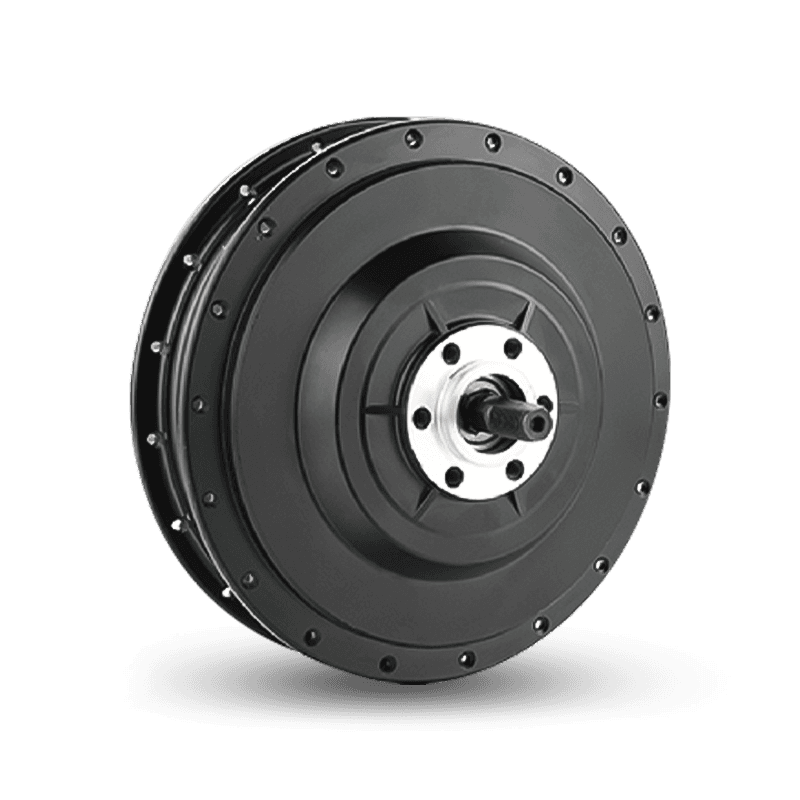 E-Type F500 Front Hub Motor
The E-Type F500 front hub motor is designed for E-Cargo and E-MTB bikes, offerin...
-
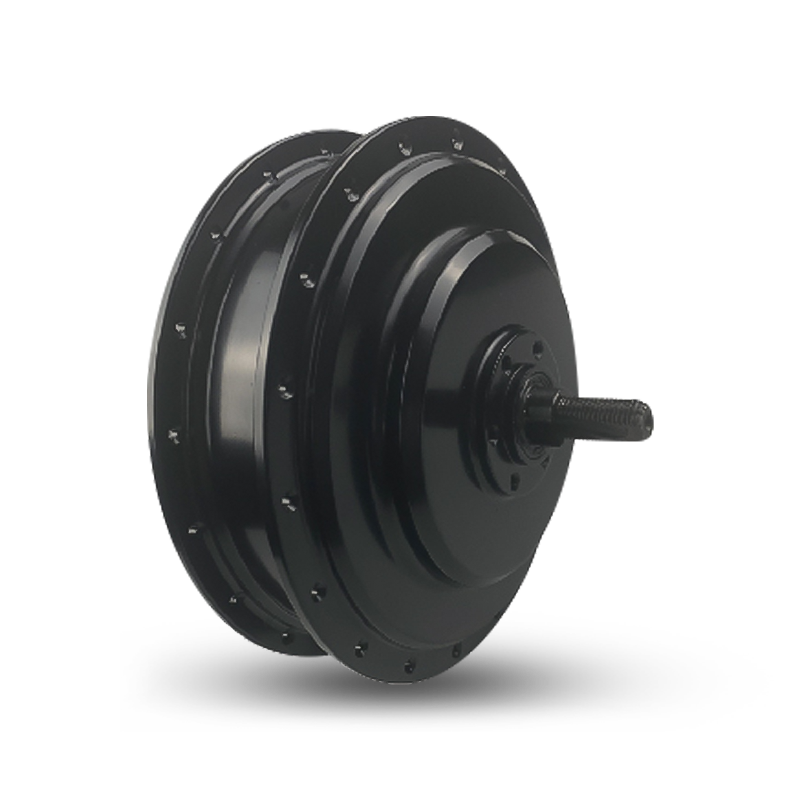 E-Type Pro RC750 Rear Hub Motor
The E-Type Pro RC750 Rear Hub Motor is designed for E-Cargo and E-MTB bikes, com...
-
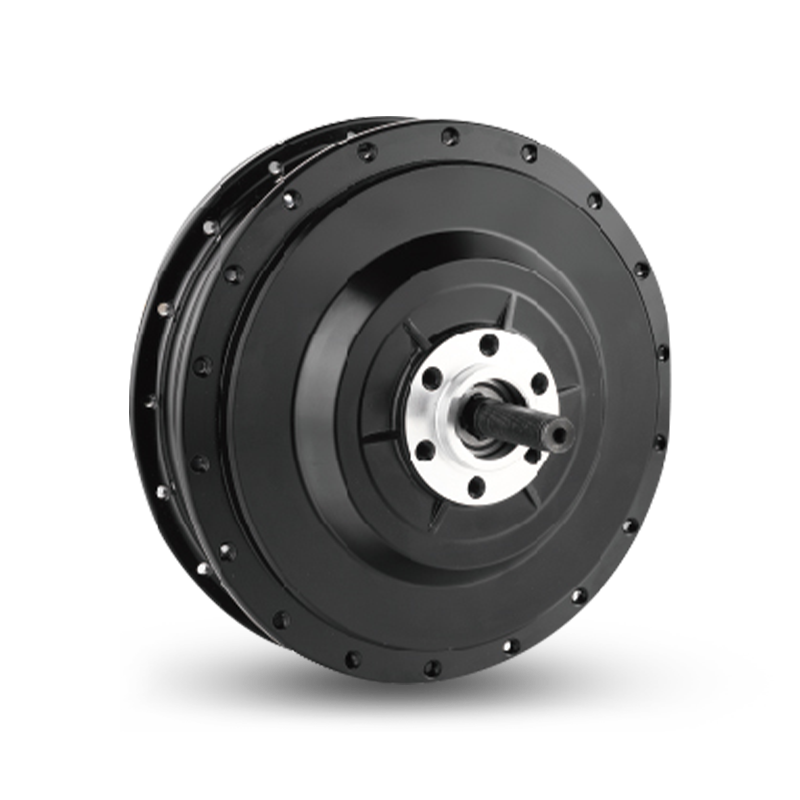 E-Type RF500 Rear Hub Motor
The E-Type RF500 Rear Hub Motor is designed for E-Cargo and E-MTB bikes, compati...
-
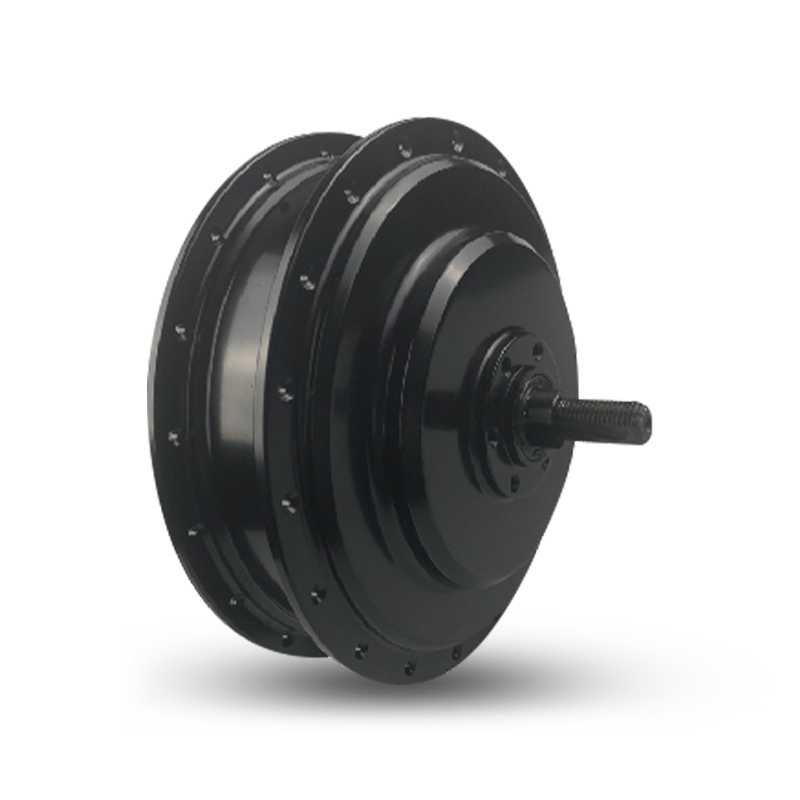 E-Type Pro RF750 Rear Hub Motor
The E-Type Pro RF750 Rear Hub Motor is designed for E-Cargo and E-MTB bikes, com...
-
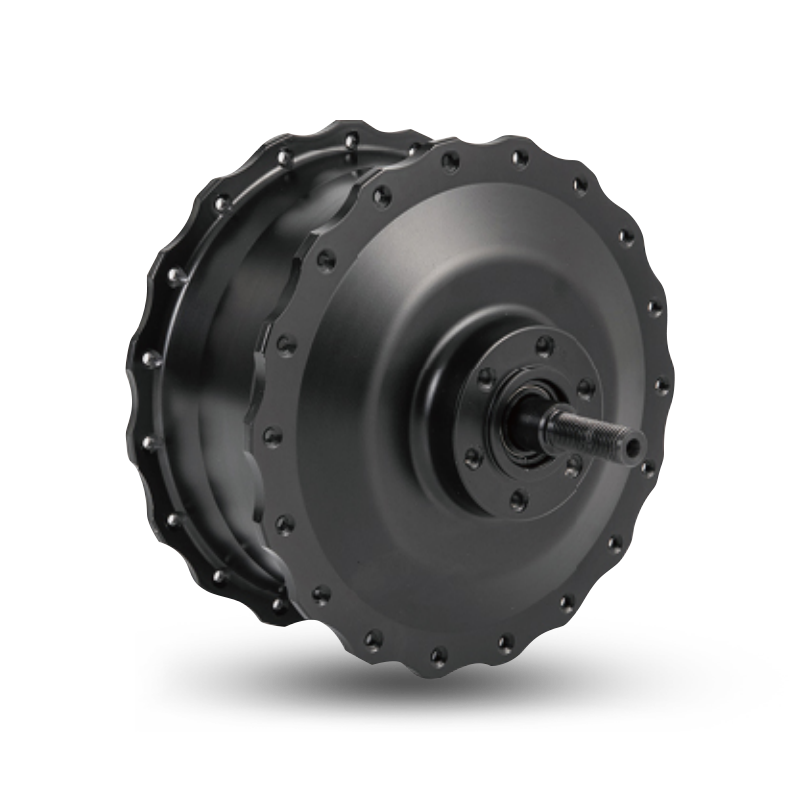 S-Type Pro F1500 Front Hub Motor
The S-Type Pro F1500 front hub motor, designed for E-Carao and E-Fat bikes, offe...
-
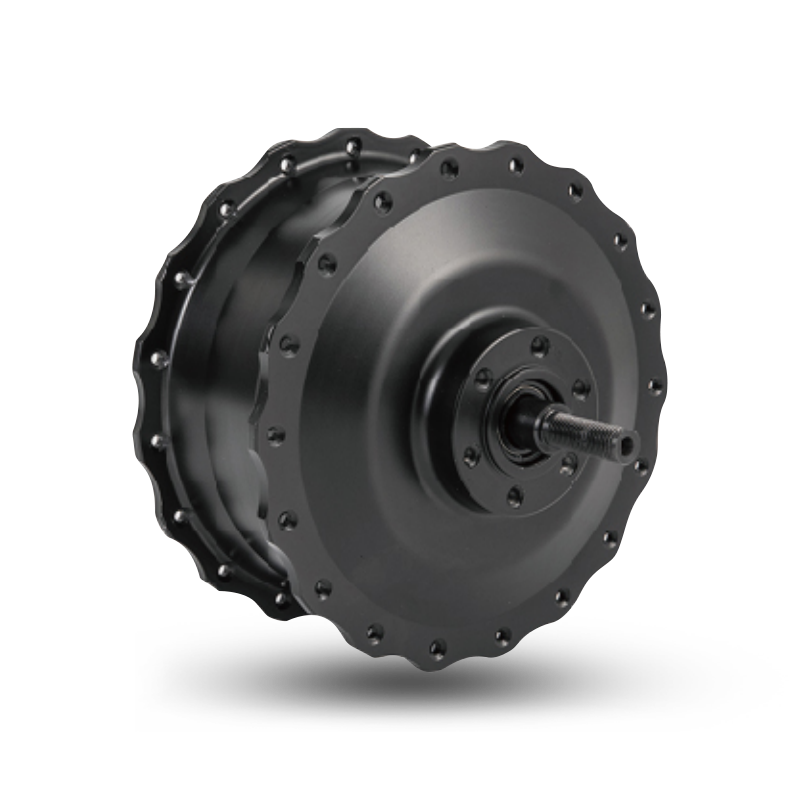 S-Type F750 Front Hub Motor
S-Type F750 is designed for E-Cargo and E-Fat. The rated power ranges from 500W ...
-
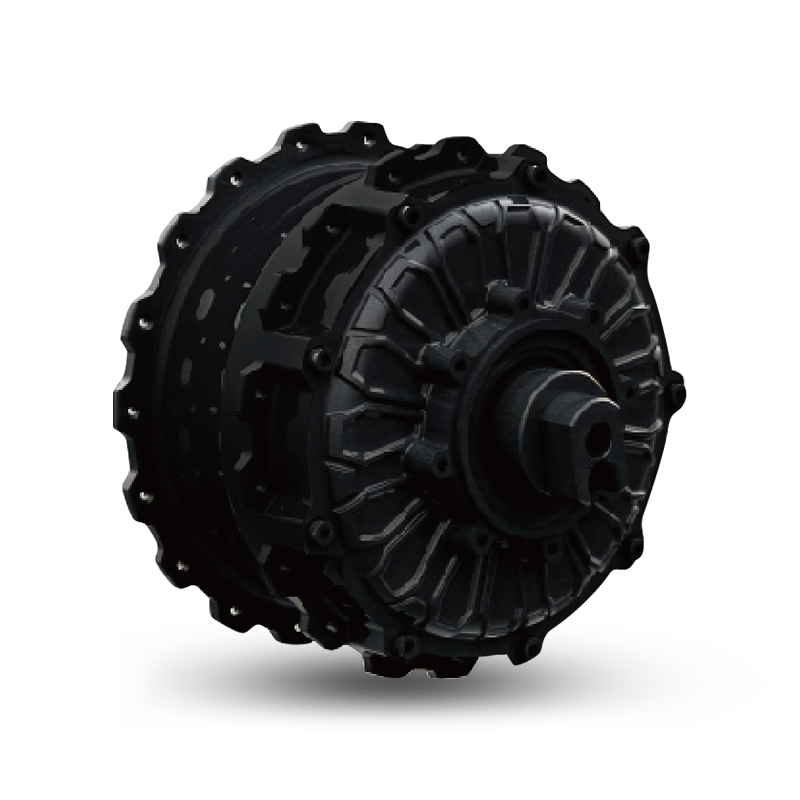 S-TYPE Max THRU AXLE Rear Hub Motor
The S-TYPE Max thru-axle motor is designed for E-Fat, Moped, and Cargo applicati...
-
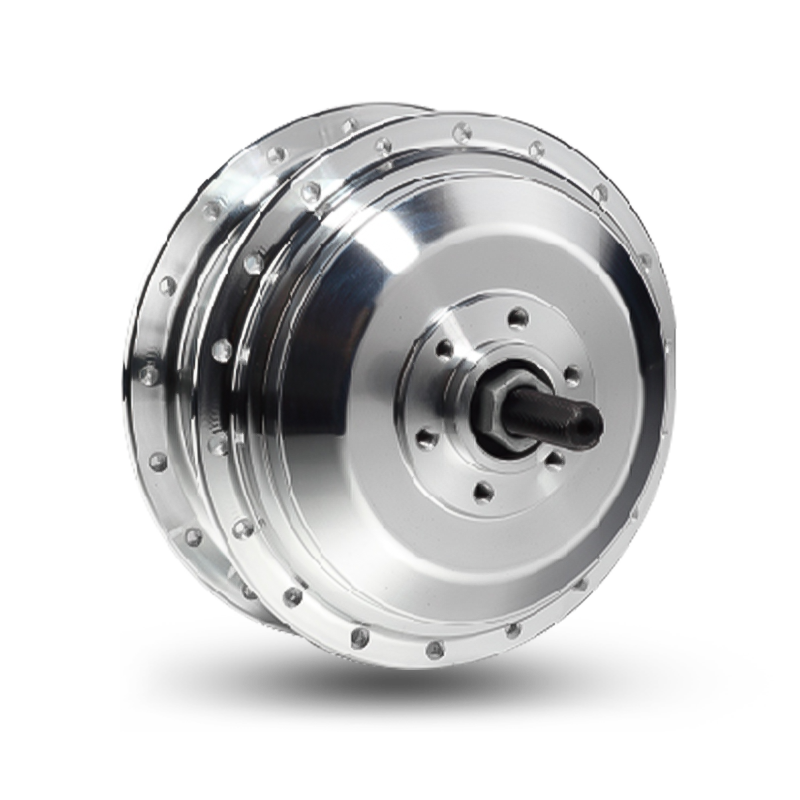 C-Type R350 Rear Hub Motor
The C-Type R350 Rear Hub Motor, designed for city e-bikes, offers a rated power ...
If you are interested in our products, please consult us
Contact Details
- Address:No. 3 Dingqiao Rd, Jiangshan Town, Yinzhou District, Ningbo, Zhejiang Province, China
- Phone: +86 13806662915
- Email: K.zhang@hengtai-cn.com
Products
Quick Link
News Center
Mobile terminal
