


 English
 中文简体
中文简体Don't hesitate to send a message
How Fast Does a 1500W E-Bike Go? Real-World Speeds Explained for Riders
Content
Engineers and e-bike brands ask us this question almost every week. A 1500W hub motor sounds simple: feed it power and it goes fast. But the real top speed depends on a chain of decisions, including battery voltage, motor type, controller settings, and even tire size. This article gives you realistic numbers for 1500W e-bike speed, walks through the influencing factors, and helps you choose a motor approach that matches your performance targets.
One important distinction to keep in mind is the difference between nominal power and peak output. The 1500W rating defines continuous output capability, while the motor can often deliver substantially more for a short time. This distinction explains why two bikes with the same motor badge can show very different speed behavior.
Realistic Speed Expectations for a 1500W E-Bike
On flat, smooth pavement, a 1500W motor on a standard e-bike typically cruises at 25 to 35 mph. Sprint peaks of 40 mph or a bit more are possible with a high-voltage battery and a light rider, but sustained average speeds sit lower. A well-built 1500W hub motor can deliver 2500W or more for short bursts to merge into traffic, climb a grade, or accelerate out of a corner.
These figures assume a typical 26- to 28-inch wheel, a rider weighing around 75 kg, and a battery in good health. Change any of those assumptions and the numbers shift. The table below shows the ranges we normally see across battery voltages in real-world tests.
| Configuration | Typical cruise speed | Peak speed |
|---|---|---|
| 48V system | 22-26 mph / 35-42 km/h | 30-32 mph / 48-51 km/h |
| 52V system | 25-28 mph / 40-45 km/h | 33-35 mph / 53-56 km/h |
| 60V system | 28-32 mph / 45-51 km/h | 38-42 mph / 61-68 km/h |
What Actually Determines Top Speed
Once you have a motor in hand, the next performance questions are about the system around it. These variables matter most:
- Rider weight and cargo: every extra 10 kg reduces acceleration and top speed, especially on climbs.
- Terrain and wind: rolling resistance and headwinds cost more power than most riders expect.
- Tire size and pressure: large knobby tires add grip but also drag; higher-pressure street tires roll faster.
- Battery voltage under load: a sagging battery lowers motor RPM even when the display shows a high state of charge.
- Controller limits: the controller's current limit sets the electrical ceiling for both torque and speed.
- Motor efficiency: a motor running in its efficient window holds speed longer and produces less heat.
Aerodynamics also plays a growing role above 20 mph, where air resistance consumes a large share of motor output. At 30 mph, a commuter-style bike can use nearly twice the power to overcome drag compared with 20 mph.
Voltage Is the First Question
Voltage is the most direct lever on speed. A motor's no-load RPM scales approximately with battery voltage, so moving from 48V to 52V adds about 8 percent more speed potential before the controller cuts in. At 60V, a 1500W motor has enough headroom to sustain higher cruising speeds, but battery capacity and heat management become the limiting factors.
The battery must also deliver current without excessive voltage sag. Cells with better C-rate support hold voltage higher under load, which means the motor sees more of the voltage the pack is rated for. Temperature also changes this behavior: a cold pack sags more, and a hot pack can trigger protection circuits. Both effects show up directly as a lower top speed.
Motor Design and Quality Matter
For B2B buyers, motor construction matters as much as wattage. A geared hub motor delivers strong torque for hills and quick starts, while a direct-drive motor has a simpler structure and lower drag. At HENTACH, we build both types with durable steel-nylon gears and carefully wound stators to keep efficiency high and noise low.
Our S-type Pro series, for example, combines 1500W of nominal power with thermal management that holds speed on long rides. That consistency is what separates a motor that reaches top speed once from one that keeps delivering it all day. For OEM customers, the evaluation list should include efficiency at partial throttle, noise under load, and how quickly the motor sheds heat.
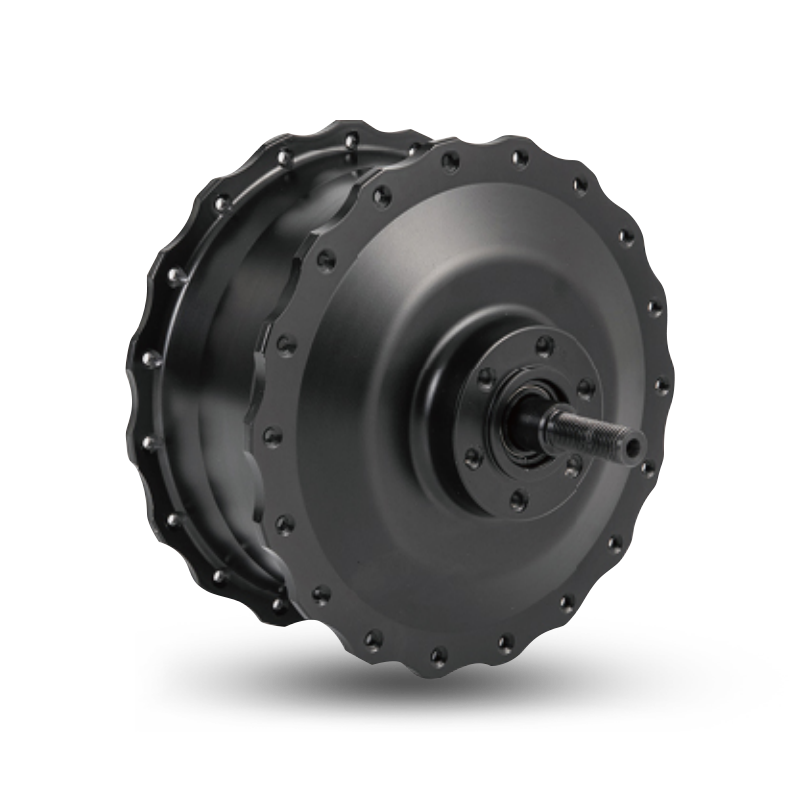 S-Type Pro F1500 Front Hub Motor for Cargo and Fat BikesThis front hub motor delivers up to 1500W and 145Nm peak torque, with patented plastic-steel gears for durability. Ideal for evaluating low-speed traction and climbing in demanding cargo or fat-bike applications.View Product →
You can compare motor families and packaging options on our ebike hub motor solutions page if you are evaluating different configurations.
Sustained Speed and Heat Management
At high continuous power, heat is the real speed limit. A motor that is pushed past its comfortable thermal zone will gradually lose output as the controller reduces current to protect the windings. This is why the difference between a 1500W motor with a well-vented side cover and one with a sealed, high-mass housing can be several mph of sustained speed, especially in summer conditions.
Testing helps. In our facility, each motor design goes through duty-cycle runs that simulate a loaded bike on flat ground and modest hills. The data from those runs tells us how long the motor can hold its highest speed before heat starts to pull power back. For a 1500W platform, look for a motor that holds at least 80 percent of its peak cruise speed after 20 minutes of continuous running.
Front Hub vs. Rear Hub Configurations
Motor placement also shapes how the bike behaves at speed. Front hub motors are easy to integrate, keep the drivetrain clean, and suit commuter or conversion builds. Rear hub motors place the drive force on the wheel that carries most of the traction during acceleration, which can feel more stable on loose surfaces and steep grades.
For a 1500W platform, the right choice depends on frame design, weight distribution, and whether you prefer a simple installation or maximum launch traction. Front hubs are also a common choice for cargo and delivery bikes where the rear wheel already carries a heavy load. In either layout, the controller algorithm and throttle ramp can tune how the power comes in, which affects both perceived speed and comfort.
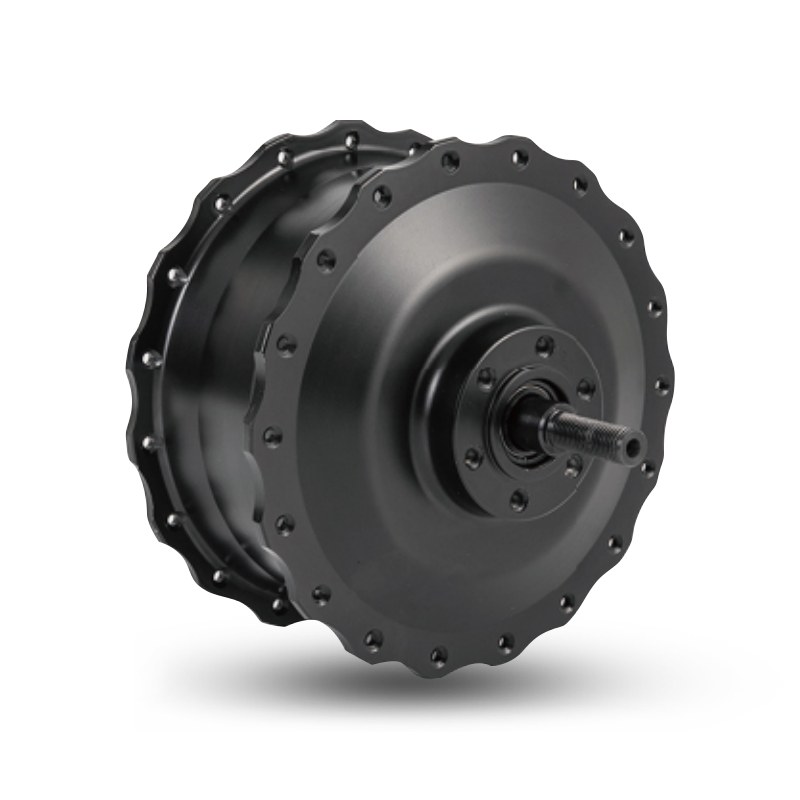 S-Type Pro RF Rear Hub Motor with Freewheel for High-Load E-BikesA rear hub motor rated 750-1500W with over 145Nm peak torque and 7-speed freewheel, designed for steep climbs and soft terrain. Its plastic-steel gears extend lifespan beyond 40,000 km, making it a strong choice for heavy-duty builds.View Product →
Legal Limits and Safe Operation
Speeds above 28 mph go beyond most e-bike classifications in many regions, which can require registration, insurance, a license, or specific equipment. A 1500W motor also creates higher braking demands, so the brake system, tires, and suspension should be specced for the intended top speed. We always advise OEM customers to confirm local rules before setting final speed targets, and to include protective gear and safe riding practices in the user manual.
The Bottom Line
How fast does a 1500W e-bike go? For most builds, expect 25 to 35 mph in daily riding, with short bursts near 40 mph on high-voltage systems. The exact number is set by voltage, motor efficiency, gearing, tire size, and rider weight. For OEM teams, the more useful question is how consistently the motor holds its speed without overheating. That is where manufacturer testing, component quality, and honest performance data make a difference.
If you are comparing power classes, you may also find our 1000W vs. 1500W hub motor comparison useful. And when you are ready to move from concept to sample, a motor supplier that understands the whole system, not just the stator and magnets, will help you hit your speed target with far fewer rounds of prototyping.
OUR PRODUCTS
Recommended Products
-
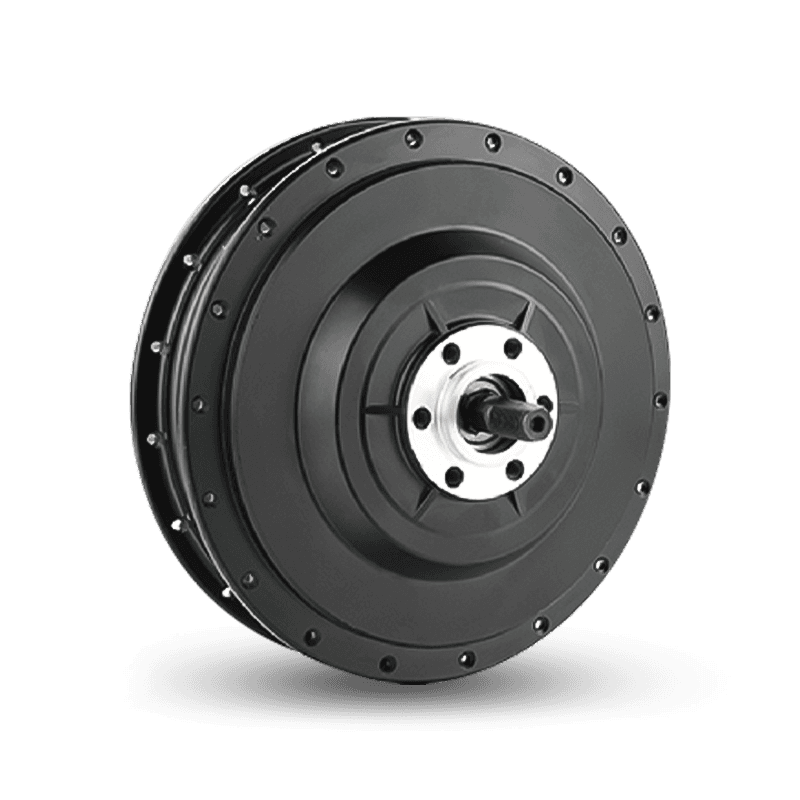 E-Type F500 Front Hub Motor
The E-Type F500 front hub motor is designed for E-Cargo and E-MTB bikes, offerin...
-
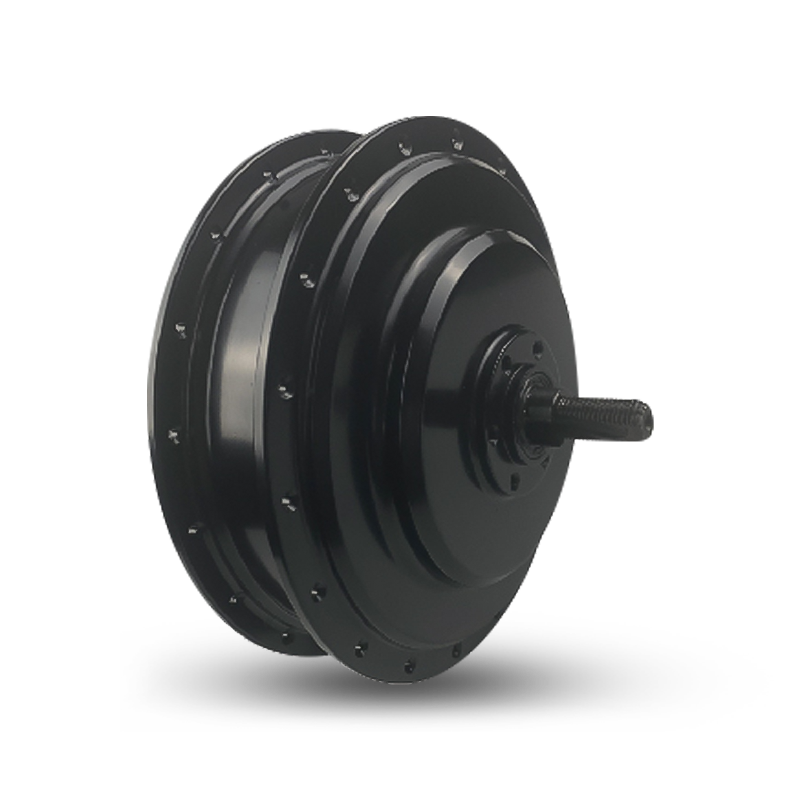 E-Type Pro RC750 Rear Hub Motor
The E-Type Pro RC750 Rear Hub Motor is designed for E-Cargo and E-MTB bikes, com...
-
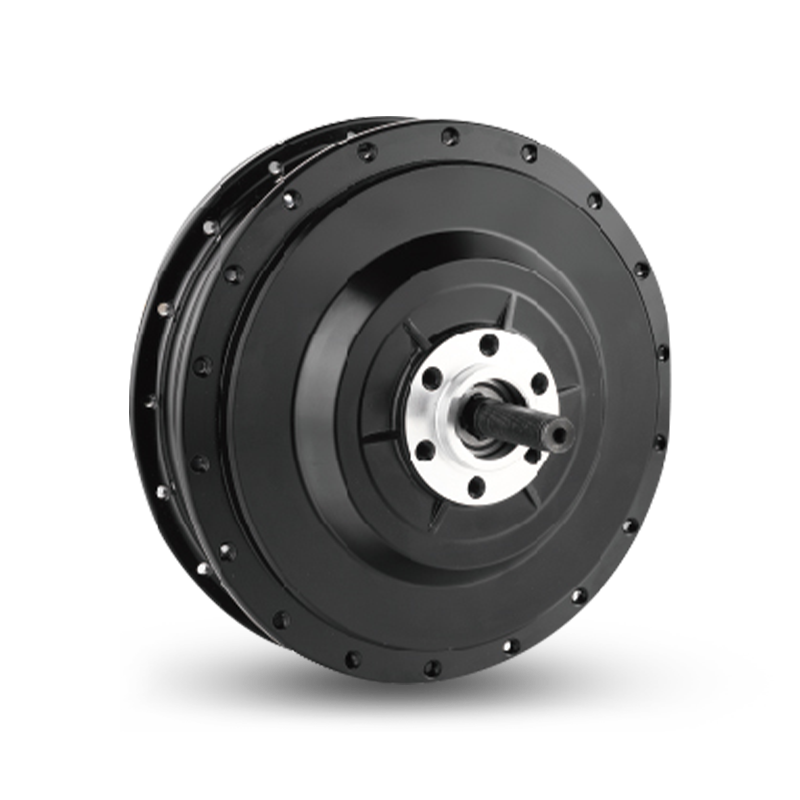 E-Type RF500 Rear Hub Motor
The E-Type RF500 Rear Hub Motor is designed for E-Cargo and E-MTB bikes, compati...
-
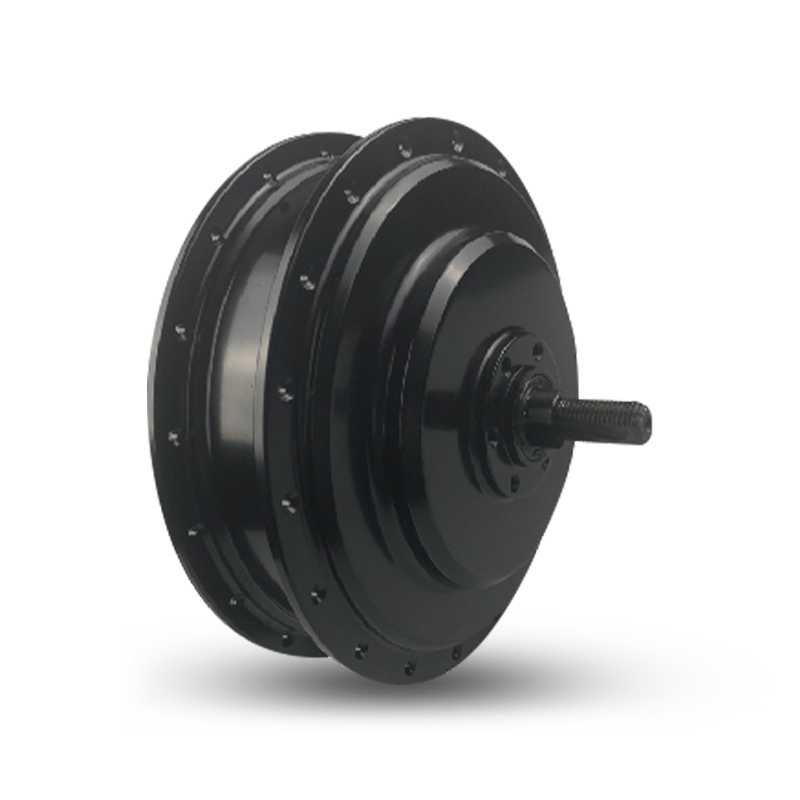 E-Type Pro RF750 Rear Hub Motor
The E-Type Pro RF750 Rear Hub Motor is designed for E-Cargo and E-MTB bikes, com...
-
 S-Type Pro F1500 Front Hub Motor
The S-Type Pro F1500 front hub motor, designed for E-Carao and E-Fat bikes, offe...
-
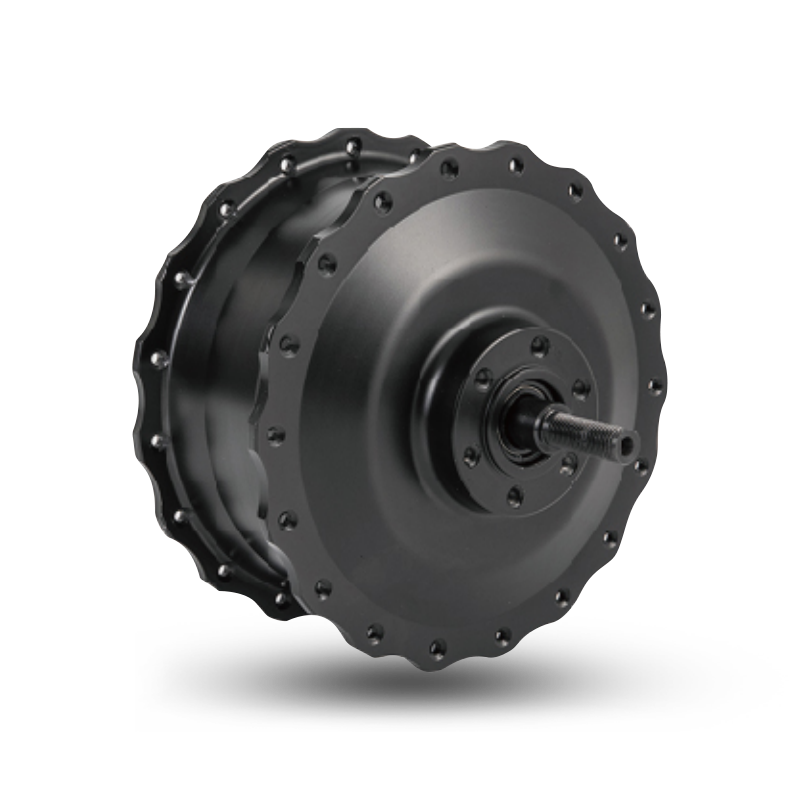 S-Type F750 Front Hub Motor
S-Type F750 is designed for E-Cargo and E-Fat. The rated power ranges from 500W ...
-
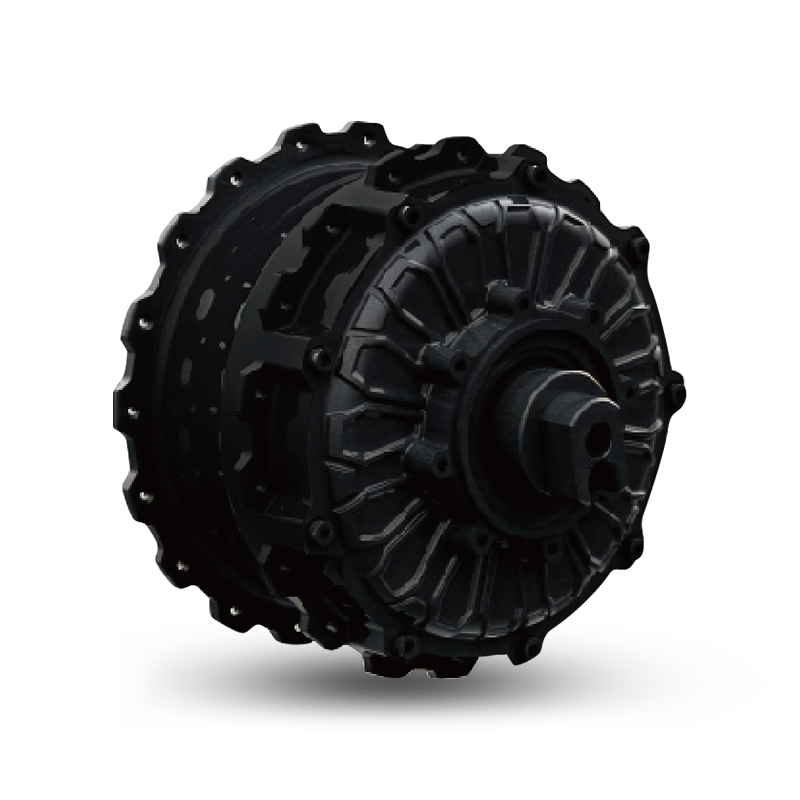 S-TYPE Max THRU AXLE Rear Hub Motor
The S-TYPE Max thru-axle motor is designed for E-Fat, Moped, and Cargo applicati...
-
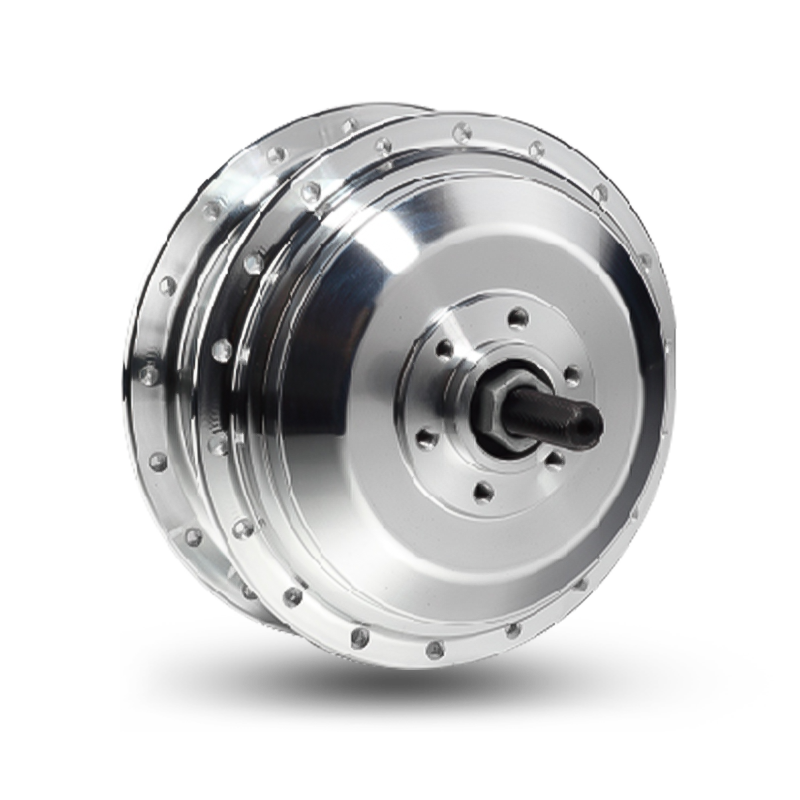 C-Type R350 Rear Hub Motor
The C-Type R350 Rear Hub Motor, designed for city e-bikes, offers a rated power ...
If you are interested in our products, please consult us
Contact Details
- Address:No. 3 Dingqiao Rd, Jiangshan Town, Yinzhou District, Ningbo, Zhejiang Province, China
- Phone: +86 13806662915
- Email: K.zhang@hengtai-cn.com
Products
Quick Link
News Center
Mobile terminal
