


 English
 中文简体
中文简体Don't hesitate to send a message
1000W vs. 1500W Ebike Hub Motor: Which One Do You Need?
Content
- 1 Legal Context: What You Need to Know Before Choosing Either Motor
- 2 Core Performance Differences: 1000W vs. 1500W Hub Motor
- 3 Geared vs. Direct Drive: Handling High Wattage
- 4 The HENTACH Innovation: Redefining High-Power Geared Motors
- 5 Battery & Controller Requirements
- 6 Frame, Fork, and Structural Requirements
- 7 Heat Management: Thermal Limits Under Sustained Load
- 8 Which Motor Is Right for Your Build?
- 9 Proven Durability: The HENTACH Over-Engineering Standard
For high-power e-bike enthusiasts and commercial fleet builders, stepping into the four-figure wattage category changes everything. It transforms a standard electric bicycle into a high-performance machine capable of conquering extreme gradients and heavy payloads.
However, choosing between a 1000w ebike hub motor and a 1500w ebike hub motor isn't just about picking a bigger number on a spec sheet. It involves navigating legal frameworks, understanding thermal limits, and—most importantly—choosing a drivetrain infrastructure that won't fail under immense torque.
As a leading electromechanical pioneer with over 30 years of manufacturing excellence, Ningbo Yinzhou HENTACH Electromechanical Co., Ltd. (formerly Hengtai Motor) breaks down what you truly need to know before upgrading your ride.
Legal Context: What You Need to Know Before Choosing Either Motor
Before comparing performance, it's essential to understand the legal landscape. Both 1000W and 1500W hub motors operate well above the limits set by most road-use e-bike regulations worldwide.
- European Union: Road-legal e-bikes are capped at 250W continuous power with a 25 km/h assist cutoff under EN 15194. Both 1000W and 1500W motors exceed this limit and classify the vehicle as a moped or motorcycle, requiring registration, insurance, and a license.
- United States: Federal law (Consumer Product Safety Act) defines low-speed electric bicycles as having motors under 750W and a maximum assisted speed of 20 mph. Many states follow this, though some states permit up to 750W for Class 3. A 1000W or 1500W motor on public roads in the US falls into a grey area or outright moped classification in most jurisdictions.
- Australia & Canada: Road e-bikes are limited to 250W in Australia and 500W in Canada. High-power motors are generally restricted to private land use or specialized commercial classifications.
Note: Rated wattage on hub motors is often nominal, not peak. A "1000W" motor may draw 1,500–2,000W peak from the battery during acceleration. Always verify continuous rated power and confirm local regulations before purchasing.
Core Performance Differences: 1000W vs. 1500W Hub Motor
The performance gap between these two power classes is real but more nuanced than raw wattage suggests. The key variables are torque, top speed, hill-climbing ability, and thermal endurance under sustained load.
| Specification | 1000W Hub Motor | 1500W Hub Motor |
|---|---|---|
| Continuous rated power | 1,000W | 1,500W |
| Peak power draw | 1,500–2,000W | 2,500–3,500W |
| Typical torque (geared) | 80–100 Nm | 110–140 Nm |
| Top assisted speed (48V) | 45–55 km/h | 55–70 km/h |
| Motor weight (typical) | 4.5–6.5 kg | 6.0–8.5 kg |
| Recommended battery voltage | 48V or 52V | 48V, 52V, or 72V |
| Recommended controller current | 25–35A | 35–50A |
| Hill climbing (15% grade, 100 kg rider) | Capable, 18–25 km/h | Strong, 28–38 km/h |
| Estimated range (48V 20Ah battery) | 45–65 km (mixed use) | 30–48 km (mixed use) |
The range gap is significant: a 1500W motor running at full output consumes roughly 35–45 Wh/km versus 22–30 Wh/km for a 1000W motor under comparable conditions. If operating range is your top priority, the 1000W motor offers a more balanced efficiency profile.
Geared vs. Direct Drive: Handling High Wattage
At 1000W and 1500W power levels, the choice between geared and direct drive hub motors becomes especially consequential.
Geared Hub Motors at High Power
Geared hub motors use a planetary gear reduction system to spin a smaller, lighter rotor at high RPM, stepping down the speed for excellent low-speed torque. This is ideal for standing starts and hill climbs.
However, at 1500W, traditional nylon gears become a liability under immense torque. Standard geared motors risk stripped teeth and rapid wear under heavy workloads.
Direct Drive Hub Motors at High Power
Direct drive motors (no internal gearing) have no gear teeth to fail, supporting regenerative braking and long lifespans. The trade-off is weight: a 1500W direct drive hub typically weighs 7–9 kg, adding significant unsprung mass that can make the vehicle feel sluggish at low speeds.
The HENTACH Innovation: Redefining High-Power Geared Motors
To eliminate this compromise, HENTACH engineered a game-changing solution: our patented Plastic-Steel Gears.
Our advanced planetary gear system is five times stronger than traditional nylon gears. This proprietary technology allows our S-Type Pro R1500 Rear Hub Motor / Single-Sided Shaft Motor to reliably support high-load applications rated up to 1500W, delivering a staggering 150Nm of peak torque without structural failure.
The Ultimate Solution for Heavy Cargo & Trikes
By moving away from standard front-hub limits, our Rear Hub and Single-Sided Shaft configurations are specifically engineered for heavy-duty Trikes (three-wheeled cargo vehicles) and professional logistics e-bikes.
- Single-Sided Shaft Design:Perfectly interfaces with heavy trike differentials and rear axle assemblies, providing industrial-grade durability.
- Maximum Traction:Places the immense 150Nm torque directly under the payload, eliminating wheel slip and delivering unstoppable climbing ability on steep gradients or loose terrain.
Battery & Controller Requirements
Undersizing the electrical infrastructure is the most common mistake in high-power hub motor builds. Voltage sag under peak current draw permanently degrades lithium cells over time.
Minimum Battery Specifications
- For 1000W Motors: Minimum 48V 15Ah (720Wh) pack, 2C minimum discharge rate, and a 30–40A BMS.
- For 1500W Motors: Minimum 48V/52V 20Ah (960Wh+) pack using high-drain 21700 cells; a 72V system is highly preferred for sustained high-speed use. Requires a 45–60A BMS.
Controller Selection
1000W System: A 25A–35A controller provides excellent reliability.
1500W System: A minimum 35A controller is required; 45–50A is recommended for peak hill-climbing performance.
Programmable & Field-Weakening Controllers (such as Sabvoton or Kelly) are highly recommended for 1500W setups to tune torque curves and prevent mechanical shock to the frame.
Frame, Fork, and Structural Requirements
A 1000W or 1500W hub motor subjects a vehicle frame to extreme forces. Frame failure under high torque is a documented safety risk.
- Torque Arms:Non-negotiable. Use double-sided torque arms on 1500W builds to lock the motor axle and prevent it from ripping open the frame dropouts.
- Steel or Chromoly Frames:Heavy-duty steel or specialized reinforced cargo frames are highly preferred over standard aluminum, which can crack under sustained 150Nm torque loads.
Hydraulic Brakes: At speeds of 55–70 km/h, mechanical disc brakes are inadequate. Hydraulic disc brakes with 180–203mm rotors are the recommended minimum to safely stop a heavy, loaded commercial cargo vehicle.
Heat Management: Thermal Limits Under Sustained Load
Overheating is the primary failure mode for high-power motors used aggressively. A 1000W direct drive hub can absorb full power on a 10% grade for about 8–12 minutes before reaching critical temperatures. A 1500W motor reaches this thermal limit faster (5–8 minutes) due to higher current.
HENTACH Heat Mitigation Strategies
- Ferrofluid Injection:Adding magnetic fluid to the motor interior dramatically improves heat transfer from the stator to the outer shell, reducing peak temperatures by 20–35°C.
- Integrated Thermistors: Wiring an internal temperature sensor directly to the controller enables automatic thermal throttling before any winding damage occurs.
Which Motor Is Right for Your Build?
| Use Case | Terrain Profile | Ideal Application | Recommended Motor |
|---|---|---|---|
| Fast Urban Commuting | Flat roads, minor hills | Premium Commuter E-bikes | 1000W Geared Rear Hub |
| Heavy Cargo & Logistics | Flat to steep gradients | Heavy-Duty Trikes & Commercial Cargo | HENTACH S-Type Pro 1500W (Rear Hub / Single-Sided Shaft) |
| All-Terrain Off-Roading | Loose sand, snow, mud | E-Fat Bikes | HENTACH 1500W High-Torque Rear Hub |
| High-Speed Private Riding | Unrestricted open flats | Sport E-Bikes & Karts | 1500W Direct Drive (72V System) |
Proven Durability: The HENTACH Over-Engineering Standard
At HENTACH (formerly Hengtai Motor), we don't just build motors to pass laboratory tests; we build them for real-world survival. Utilizing our 9,000+ m² state-of-the-art campus equipped with 500-ton die-casting machines, precision CNC tools, and dedicated EV motor test benches, we oversee end-to-end quality control under a strict ISO 9001 framework.
To validate our manufacturing endurance, we previously launched a rigorous mileage guarantee program for our motors, targeting a benchmark of 30,000 miles. The result? Over 50 of our production motors not only met this milestone but surpassed it, with several units reaching an incredible 50,000 miles without failure. Whether it's our specialized casting of aluminum-magnesium alloys or our proprietary gear tech, durability is woven into every component.
Final Verdict
For the everyday hobbyist building their first high-performance personal e-bike, a 1000W system provides a highly versatile, road-adjacent solution.
However, when your goals demand relentless hill-climbing power, commercial cargo capacities, or heavy-duty trike operations, a 1500W motor is the definitive answer. Thanks to HENTACH’s patented Plastic-Steel Gear and Single-Sided Shaft innovation, you no longer have to sacrifice the high torque of a geared motor for the heavy-duty reliability of a direct-drive hub.
Partner with a Global Leader in E-Mobility
Whether you know us globally as Hengtai Motor or HENTACH Motor, our 30-year legacy stands unchanged. We specialize in precision-engineered solutions for E-bikes, Cargo vehicles, AGVs, and AGTech.
OUR PRODUCTS
Recommended Products
-
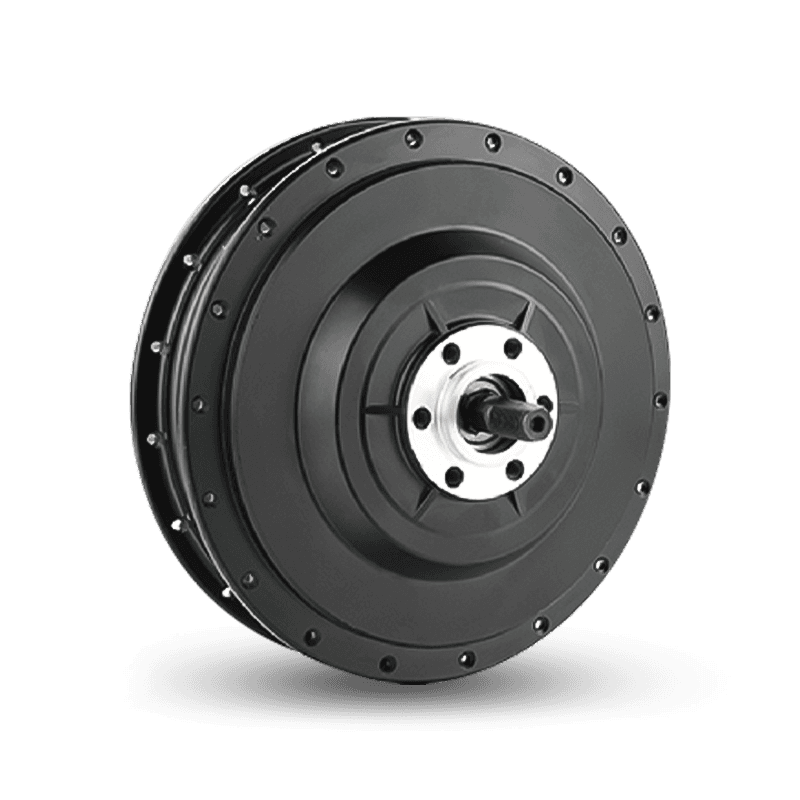 E-Type F500 Front Hub Motor
The E-Type F500 front hub motor is designed for E-Cargo and E-MTB bikes, offerin...
-
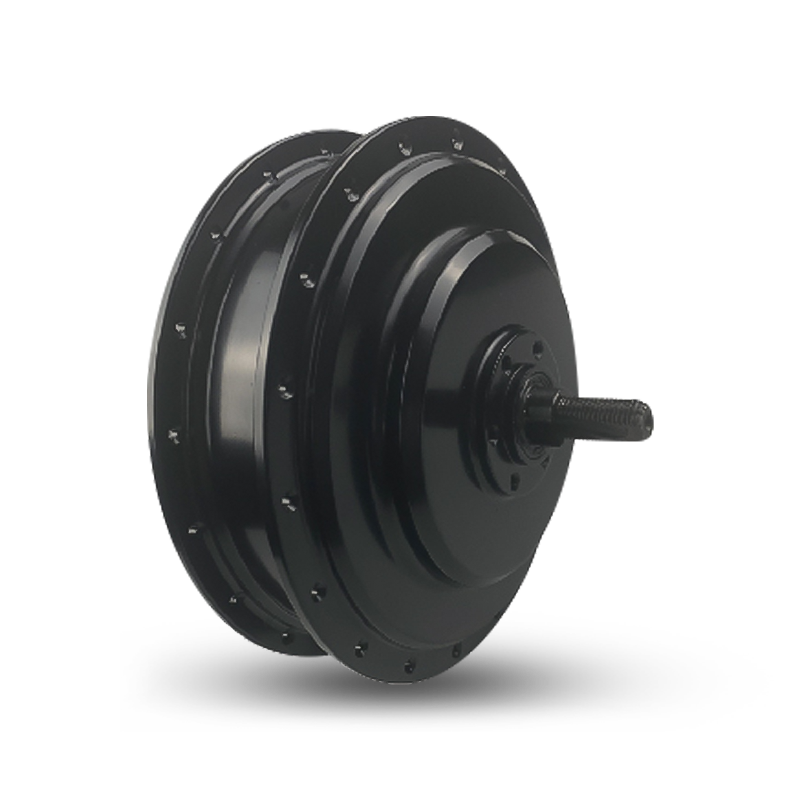 E-Type Pro RC750 Rear Hub Motor
The E-Type Pro RC750 Rear Hub Motor is designed for E-Cargo and E-MTB bikes, com...
-
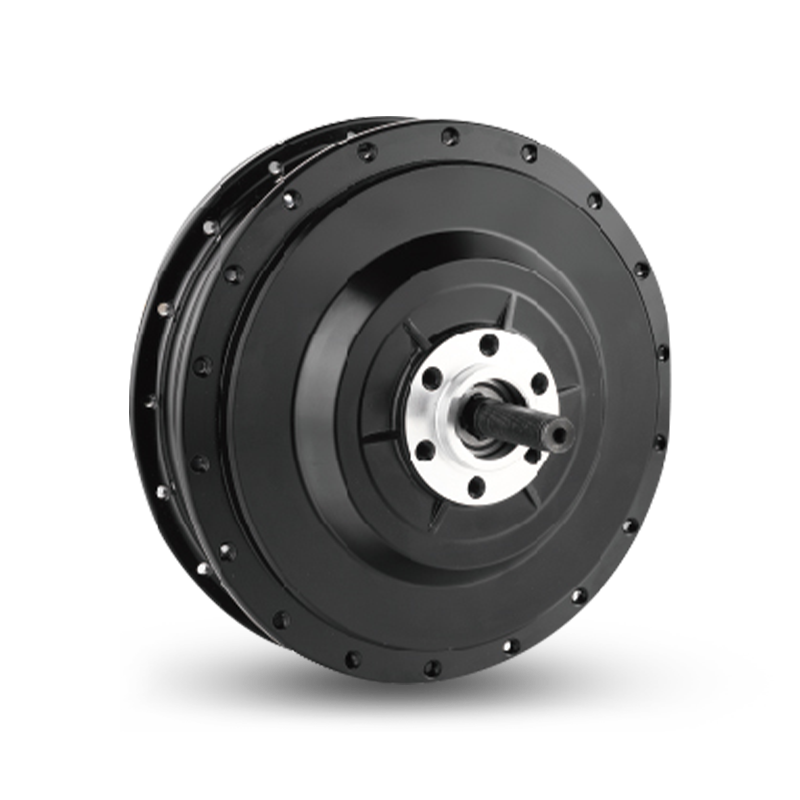 E-Type RF500 Rear Hub Motor
The E-Type RF500 Rear Hub Motor is designed for E-Cargo and E-MTB bikes, compati...
-
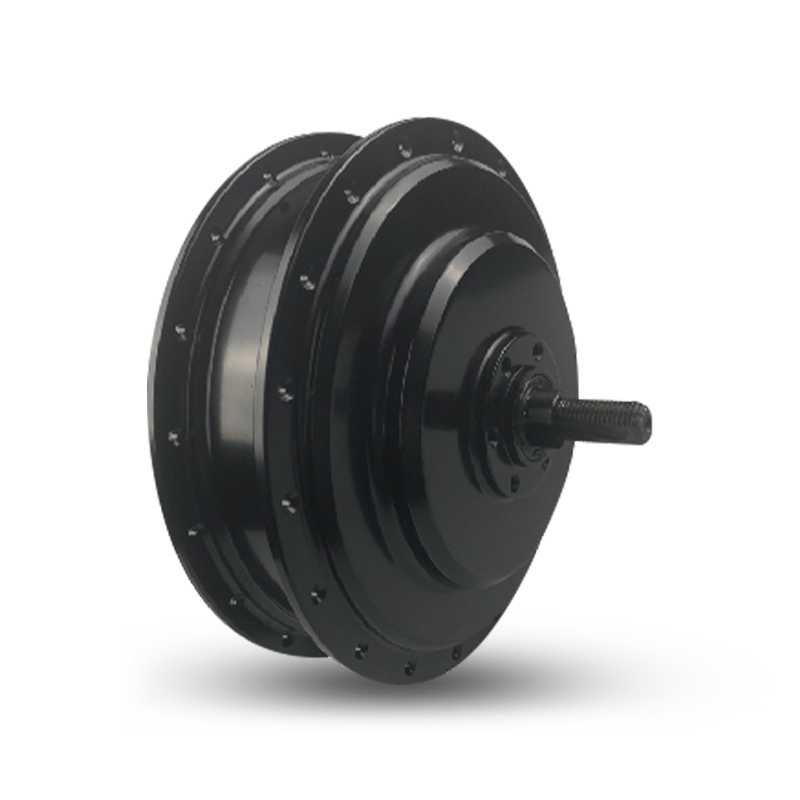 E-Type Pro RF750 Rear Hub Motor
The E-Type Pro RF750 Rear Hub Motor is designed for E-Cargo and E-MTB bikes, com...
-
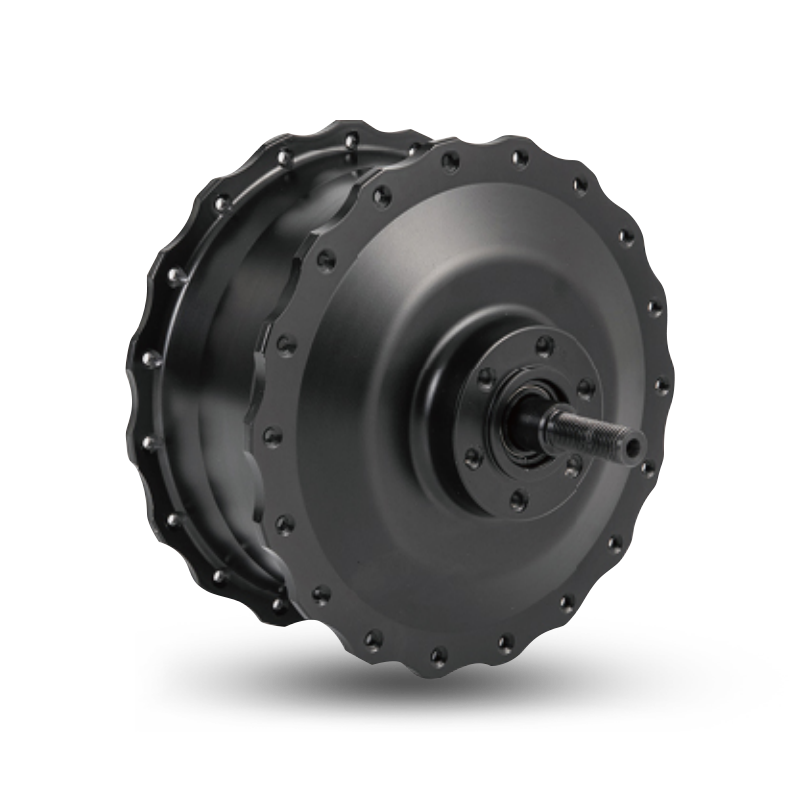 S-Type Pro F1500 Front Hub Motor
The S-Type Pro F1500 front hub motor, designed for E-Carao and E-Fat bikes, offe...
-
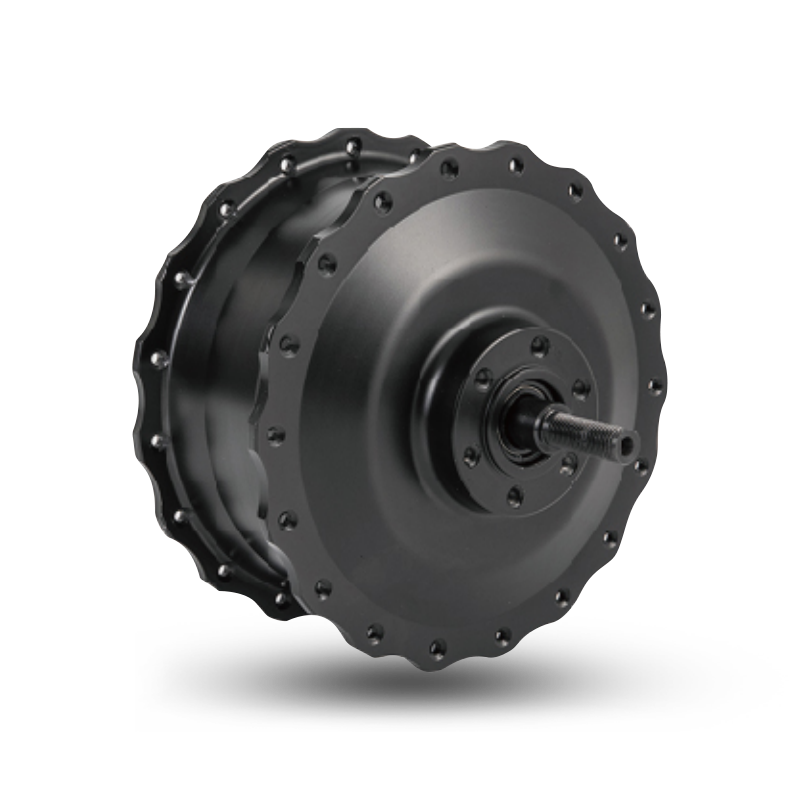 S-Type F750 Front Hub Motor
S-Type F750 is designed for E-Cargo and E-Fat. The rated power ranges from 500W ...
-
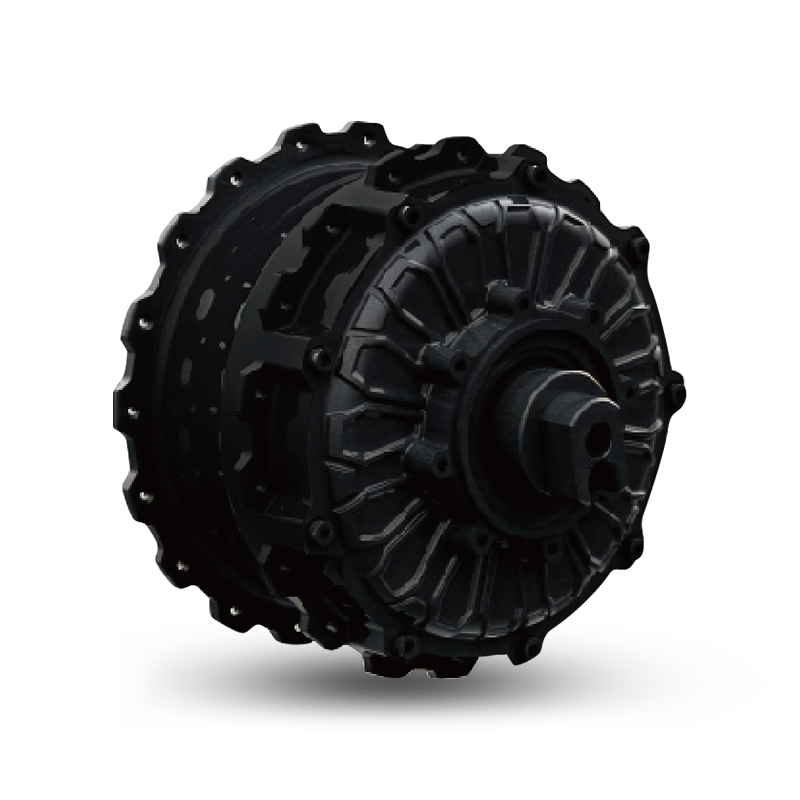 S-TYPE Max THRU AXLE Rear Hub Motor
The S-TYPE Max thru-axle motor is designed for E-Fat, Moped, and Cargo applicati...
-
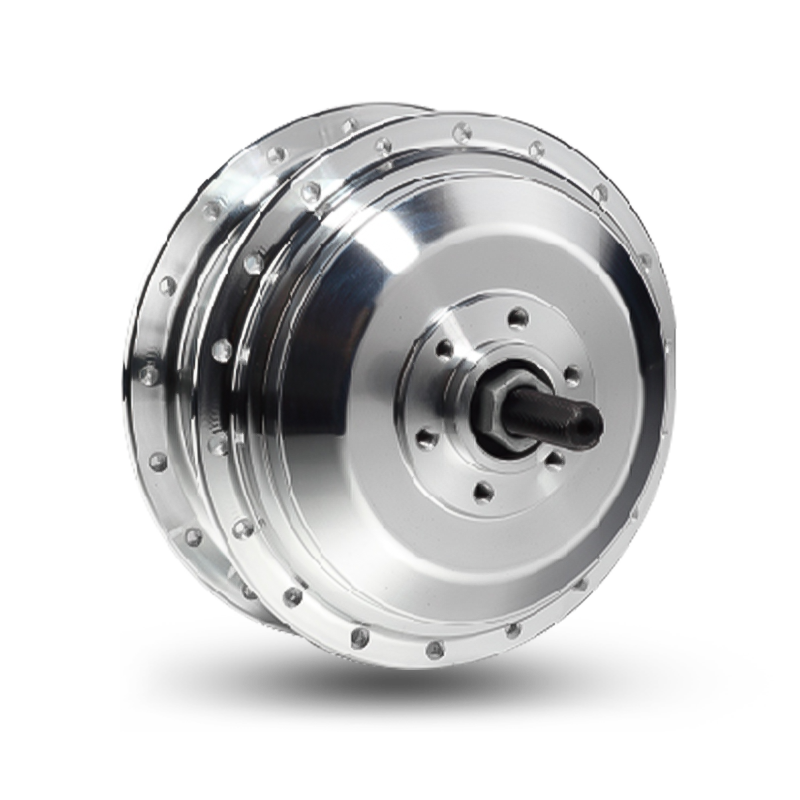 C-Type R350 Rear Hub Motor
The C-Type R350 Rear Hub Motor, designed for city e-bikes, offers a rated power ...
If you are interested in our products, please consult us
Contact Details
- Address:No. 3 Dingqiao Rd, Jiangshan Town, Yinzhou District, Ningbo, Zhejiang Province, China
- Phone: +86 13806662915
- Email: K.zhang@hengtai-cn.com
Products
Quick Link
News Center
Mobile terminal
