


 English
 中文简体
中文简体Don't hesitate to send a message
Electric Rear Hub Motor: Gearing Compatibility, Specs, and Sourcing Guide
Content
An electric rear hub motor is a motor built into the rear wheel that drives the bike through the same wheel your pedaling power already uses, giving stronger traction and higher torque output (typically 40Nm to 120Nm) than a comparable front hub motor. It's the better choice for hill climbing, cargo hauling, and higher-power builds above 750W, while a front hub motor remains simpler to install on bikes where the rear cassette or internal gear hub can't easily be swapped.
This article explains how rear hub motors work, why they outperform front motors in traction and power delivery, the installation and gearing compatibility issues to check first, and how to size torque and power for your riding needs.
How an Electric Rear Hub Motor Works
A rear hub motor replaces the standard rear wheel hub with a motorized unit that spins the wheel directly (direct-drive) or through an internal planetary gearbox (geared), while the cassette or freewheel still mounts to the motor's outer shell so the drivetrain functions as normal. Because the motor and the rider's pedaling force both act on the same wheel, torque from both sources combines at the contact patch, which is the main reason rear hub setups climb better than front hub setups at the same wattage.
Installation is more involved than a front hub swap since it requires removing the cassette or freewheel from the old wheel and transferring it to the motorized hub, along with routing motor phase wires and a torque arm through the rear dropout. Most DIY installations take 2-4 hours, depending on drivetrain complexity.
Direct-Drive vs Geared Rear Hub Motors
Direct-drive rear hub motors are heavier (typically 4-6kg), run silently, support regenerative braking, and hold up well under sustained heavy loads like cargo or long climbs. Geared rear hub motors weigh less (around 2.5-3.5kg), freewheel with minimal drag when unpowered, and deliver more torque per watt for the same size motor — making them the more common choice for commuter and cargo ebike kits under 1000W.
Gear material is what usually decides how long a geared hub motor lasts. Manufacturers like Ningbo Yinzhou HENTACH Electromechanical Co., Ltd. (formerly known as Hengtai Motor, established 1995) have addressed this with a patented nylon-steel gear design intended to withstand the repeated torque cycling that wears down standard all-nylon gears in everyday rear hub use.
Rear Hub Motor vs Front Hub Motor
Placement affects traction, weight balance, and how much power the setup can realistically handle. The table below summarizes the key tradeoffs.
| Factor | Rear Hub Motor | Front Hub Motor |
|---|---|---|
| Traction on climbs | Stronger, more weight over wheel | Weaker, front wheel can slip |
| Installation difficulty | Moderate, involves cassette transfer | Easy, no drivetrain contact |
| Weight distribution | Rear-heavy, closer to natural ride feel | Front-heavy, affects steering |
| Typical torque range | 40-120Nm | 30-60Nm |
| Best use case | Hills, cargo, higher-power builds | Flat commuting, budget conversions |
Advantages of an Electric Rear Hub Motor
- Better traction under load: More rider weight naturally sits over the rear wheel, reducing wheel spin on climbs and loose surfaces.
- Higher torque ceiling: Rear hub motors commonly reach 80-120Nm, well above what most front hub motors offer, making them suitable for cargo and passenger loads.
- Combined pedal and motor torque: Since both forces act on the same wheel, a rider pedaling under power gets a stronger net push than an equivalent front hub setup.
- More natural handling: Steering stays light and predictable since the added motor mass sits behind the rider rather than at the steering axis.
- Regenerative braking support: Direct-drive rear hub motors can recover a modest amount of energy on descents, typically 5-10% range extension in hilly terrain.
Limitations to Consider Before Choosing a Rear Hub Motor
- More complex installation: Requires removing and reinstalling the cassette or freewheel, which adds tools and time compared to a front hub swap.
- Drivetrain wear: Because motor torque runs through the same chain and cassette as pedaling force, high-torque rear hub setups can accelerate chain, cog, and internal gear wear — which is why some manufacturers run mileage validation programs; HENTACH's internal testing on motors built with its patented nylon-steel gear found over 50 units surpassed a 30,000-mile durability target, with some reaching 50,000 miles, showing how much gear material choice affects long-term drivetrain reliability.
- Harder wheel removal: Fixing a flat tire is more involved since the wiring harness and cassette both need to be disconnected.
- Internal gear hub conflicts: Bikes with rear internal gear hubs (like a 3-speed or 8-speed hub) generally can't accept a rear hub motor without replacing the entire rear hub system.
- Heavier unsprung weight: On bikes with rear suspension, the added hub weight can affect suspension performance more noticeably than a front hub motor would.
Compatibility Checks Before Buying
Confirming fit before purchase avoids the most common return reason for rear hub kits: a motor and cassette combination that doesn't match the existing dropout or gearing.
- Measure rear dropout spacing — common sizes are 135mm for standard bikes, 142mm for thru-axle frames, and 170-190mm for fat tire bikes.
- Confirm freehub body type matches your current cassette before transferring it.
- Check brake type — disc brake motors need a compatible rotor mount (6-bolt or centerlock), while rim brake motors need enough rim clearance.
- Verify wheel size and spoke hole count match your rim (common sizes: 20", 26", 27.5", 700c, with 36H being the most widely supported).
- Install a torque arm on both sides of the rear dropout — required to prevent the axle from spinning loose under sustained high torque.
Choosing the Right Power and Torque
Rear hub motors are commonly sold in 350W, 500W, 750W, and 1000W+ variants. A 350-500W motor suits flat-to-moderate commuting, while a 750-1000W motor with 80Nm or more handles hills and light cargo loads. Riders hauling passengers or heavy cargo should look at 1000-1500W motors rated 100-120Nm, which is where rear hub placement's traction advantage matters most.
As a practical benchmark, a 750W rear hub motor with 80Nm torque can move a rider plus bike weighing around 110kg up a 12-15% grade at a steady pace, a climb where an equivalent-power front hub motor would likely experience wheel slip well before reaching the top.
Torque and power ratings are only meaningful if they're verified before the motor ships. Manufacturers with dedicated in-house validation — such as HENTACH's two electric vehicle motor test benches and ISO 9001-certified quality control system — can confirm a motor's rated torque, thermal limits, and load capacity under sustained use rather than relying solely on datasheet figures.
Frequently Asked Questions
Does a rear hub motor wear out the chain faster?
It can under high-torque, high-load use, since motor force passes through the same chain and cassette as pedaling force; regular chain lubrication and periodic cassette inspection help offset the added wear, and choosing a motor with a durable internal gear — like HENTACH's patented nylon-steel design, tested past 30,000-50,000 miles — reduces the risk of premature gear failure specifically.
Can I use my existing cassette with a rear hub motor?
In most cases yes, as long as the motor's freehub body type matches your cassette's driver interface; the cassette simply transfers from the old wheel to the new motorized hub.
Is a rear hub motor better than a mid-drive for cargo bikes?
A rear hub motor is often simpler and cheaper to maintain for cargo use since it doesn't add extra strain to bike gearing, though a mid-drive can offer better mechanical advantage on very steep or technical loaded climbs.
OUR PRODUCTS
Recommended Products
-
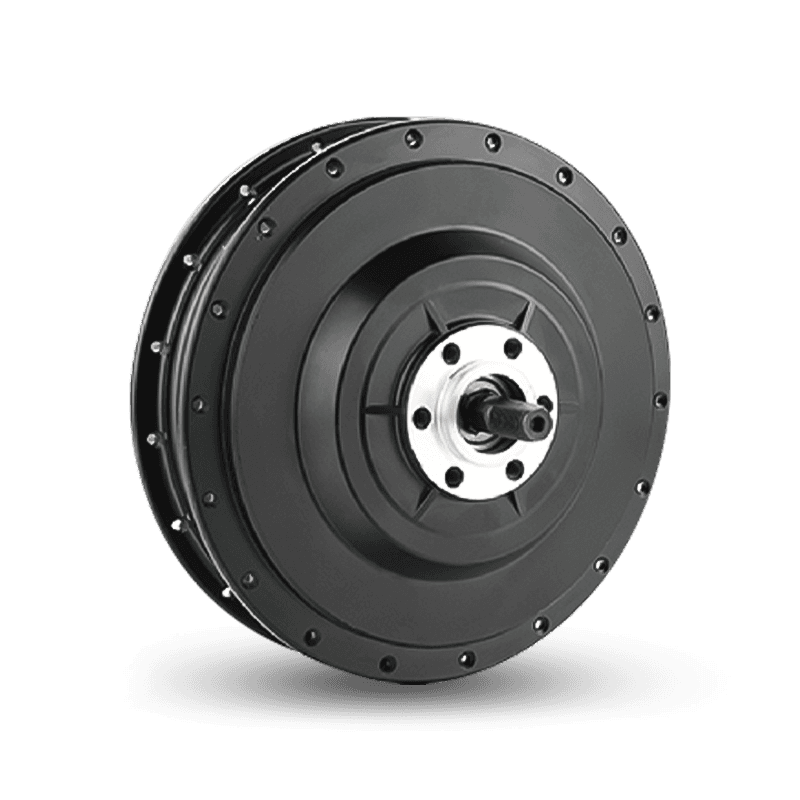 E-Type F500 Front Hub Motor
The E-Type F500 front hub motor is designed for E-Cargo and E-MTB bikes, offerin...
-
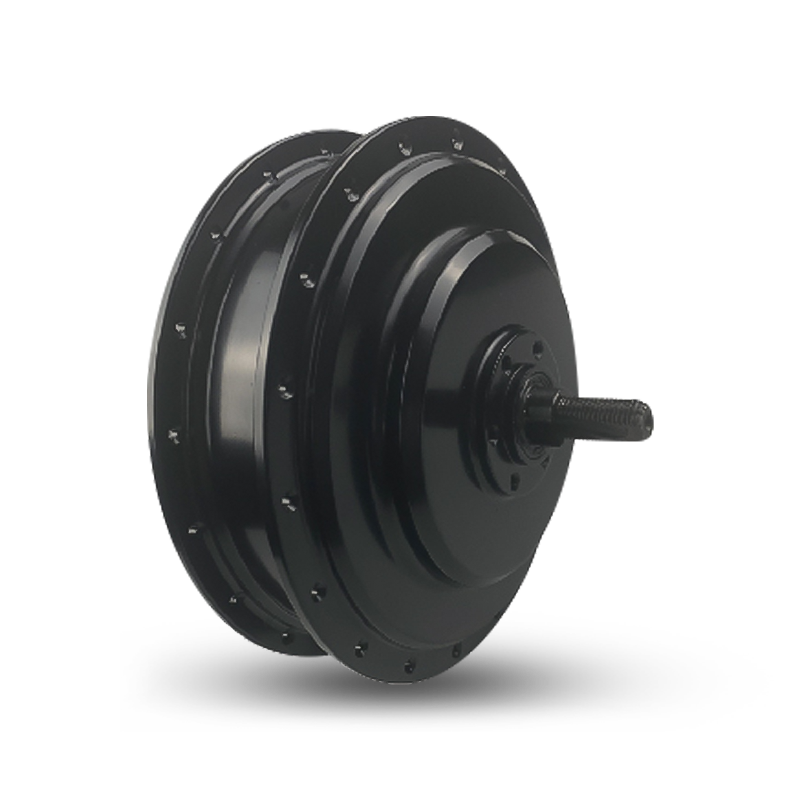 E-Type Pro RC750 Rear Hub Motor
The E-Type Pro RC750 Rear Hub Motor is designed for E-Cargo and E-MTB bikes, com...
-
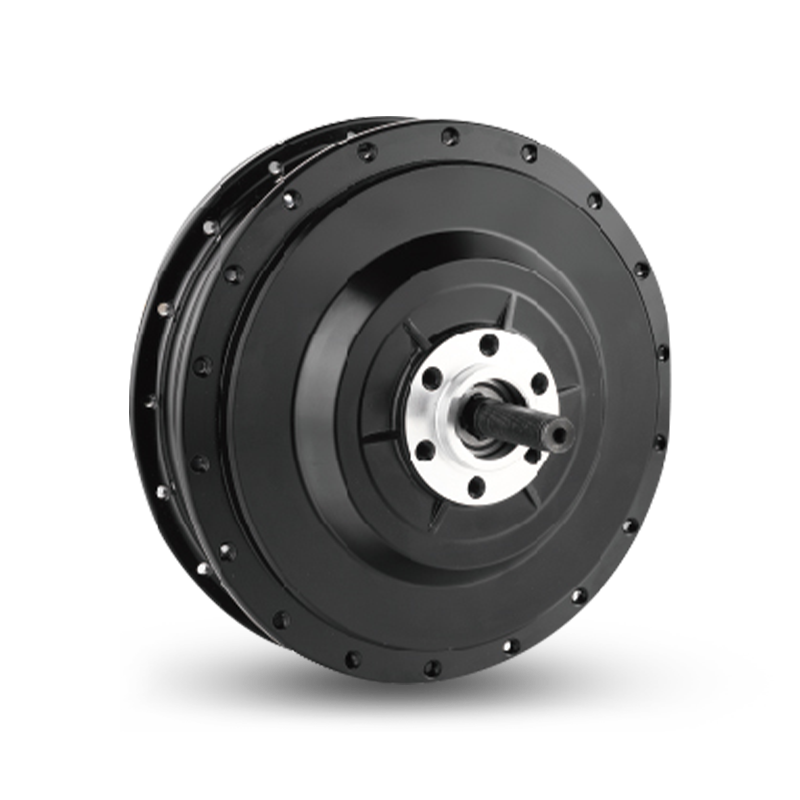 E-Type RF500 Rear Hub Motor
The E-Type RF500 Rear Hub Motor is designed for E-Cargo and E-MTB bikes, compati...
-
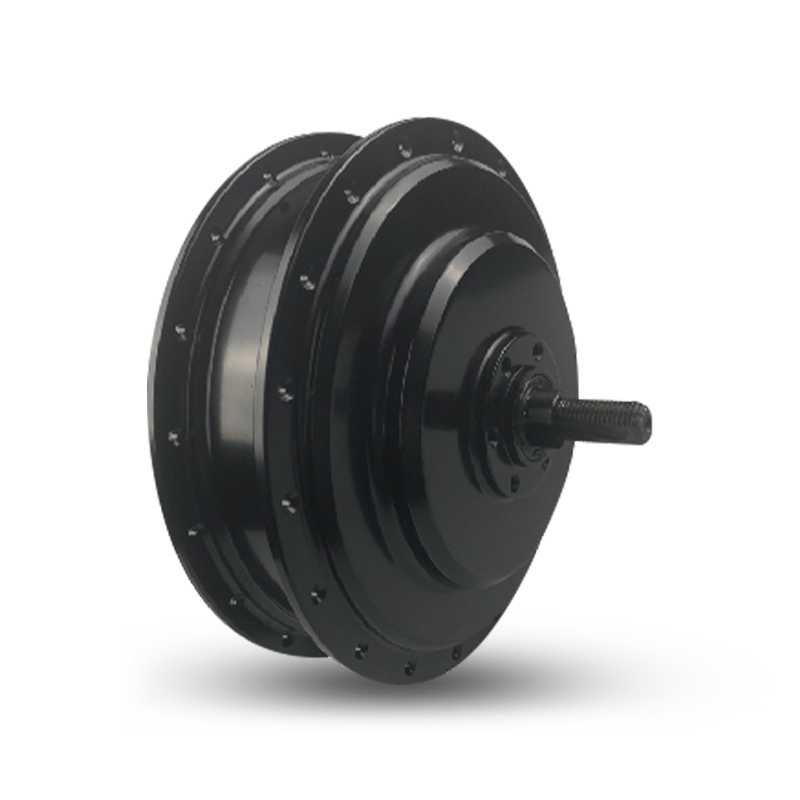 E-Type Pro RF750 Rear Hub Motor
The E-Type Pro RF750 Rear Hub Motor is designed for E-Cargo and E-MTB bikes, com...
-
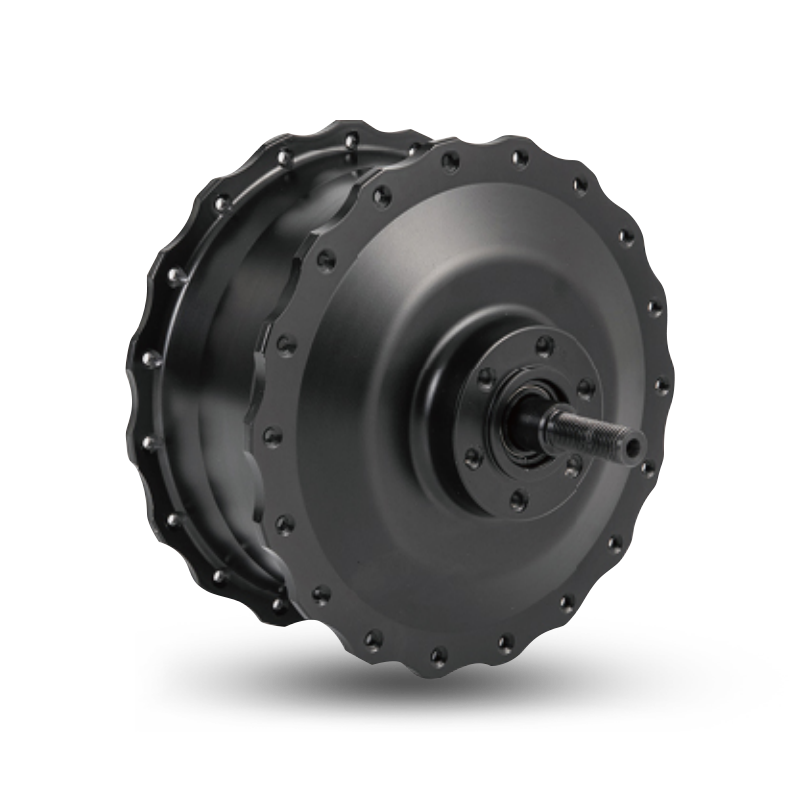 S-Type Pro F1500 Front Hub Motor
The S-Type Pro F1500 front hub motor, designed for E-Carao and E-Fat bikes, offe...
-
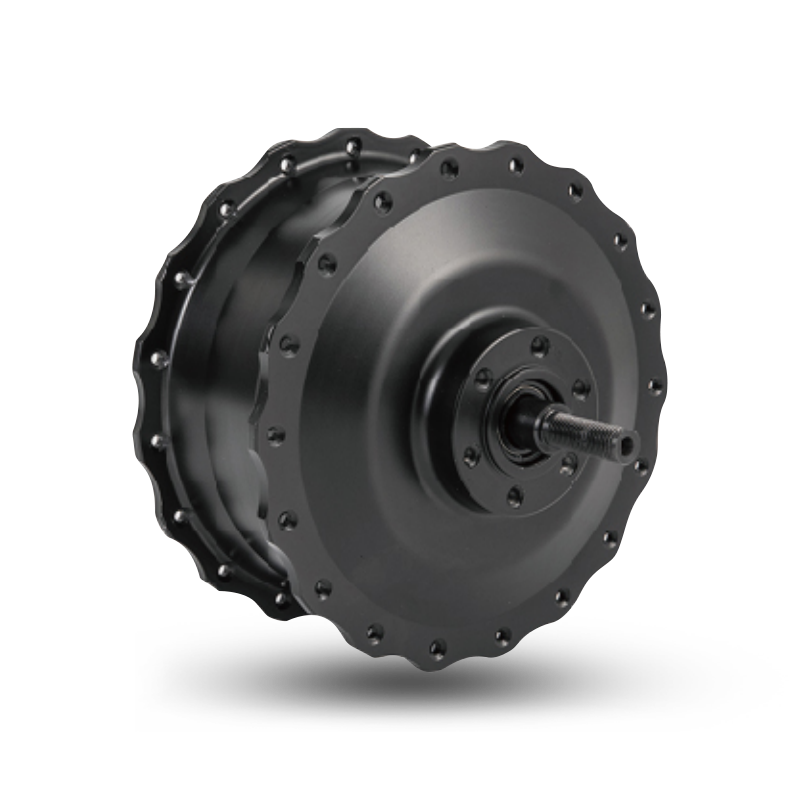 S-Type F750 Front Hub Motor
S-Type F750 is designed for E-Cargo and E-Fat. The rated power ranges from 500W ...
-
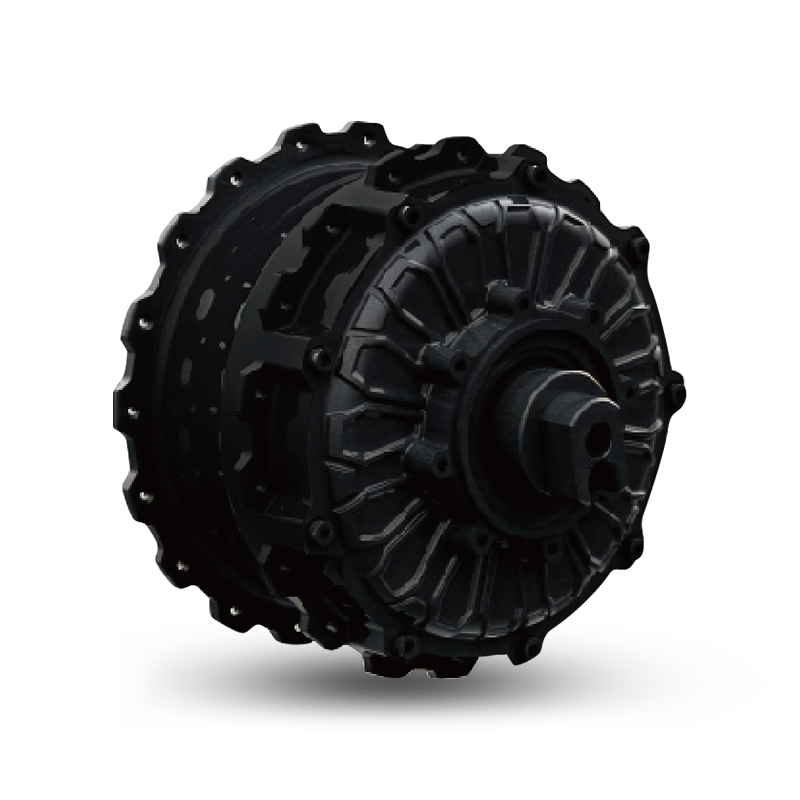 S-TYPE Max THRU AXLE Rear Hub Motor
The S-TYPE Max thru-axle motor is designed for E-Fat, Moped, and Cargo applicati...
-
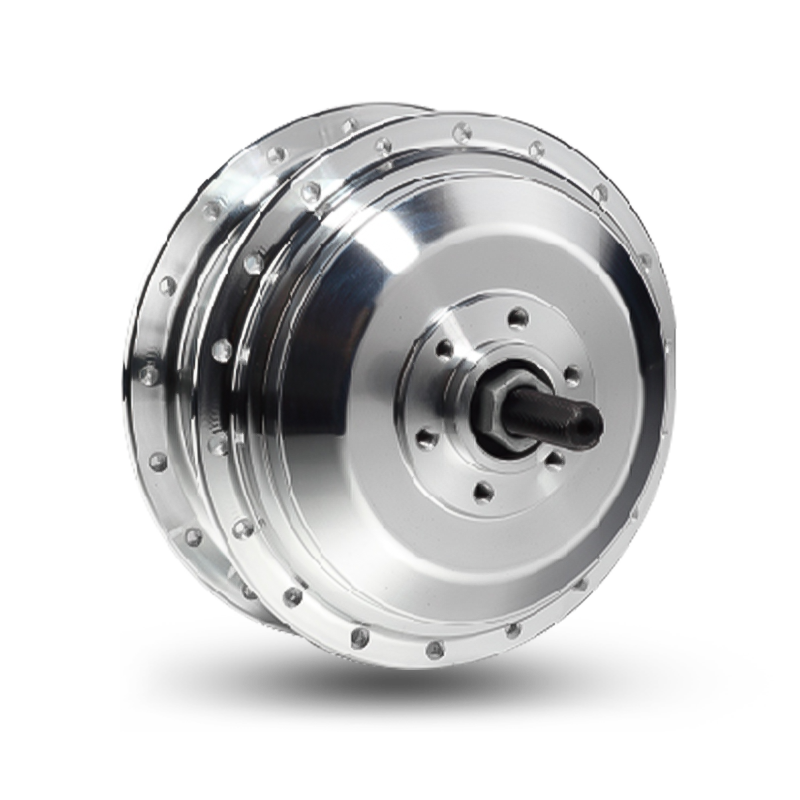 C-Type R350 Rear Hub Motor
The C-Type R350 Rear Hub Motor, designed for city e-bikes, offers a rated power ...
If you are interested in our products, please consult us
Contact Details
- Address:No. 3 Dingqiao Rd, Jiangshan Town, Yinzhou District, Ningbo, Zhejiang Province, China
- Phone: +86 13806662915
- Email: K.zhang@hengtai-cn.com
Products
Quick Link
News Center
Mobile terminal
