


 English
 中文简体
中文简体Don't hesitate to send a message
What is a High Torque Ebike Hub Motor? And Do You Actually Need One?
Content
- 1 What Makes a Hub Motor "High Torque"
- 2 Torque Ratings by Riding Application
- 3 Key Specs to Compare Beyond Torque
- 4 How Torque Actually Translates to Climbing Force
- 5 High Torque Hub Motors vs Mid-Drive Motors
- 6 How to Choose the Right High Torque Hub Motor
- 7 Common Mistakes When Sizing a High Torque Motor
- 8 Maintenance and Lifespan of High Torque Hub Motors
- 9 Frequently Asked Questions
A high torque ebike hub motor is a motor built into the front or rear wheel that delivers strong rotational force (typically 80Nm to 160Nm) for climbing steep hills, hauling cargo, or carrying heavy riders without stalling. If you regularly ride on grades above 10%, transport loads over 100kg, or need reliable off-road pulling power, a hub motor rated at 750W-1500W with 80Nm+ torque is the right choice over a standard 40-60Nm commuter motor.
This article breaks down what makes a hub motor "high torque," how it compares to mid-drive alternatives, which specs actually matter, and how to choose the right model for your riding conditions.
What Makes a Hub Motor "High Torque"
Torque measures the twisting force a motor applies to the wheel, expressed in Newton-meters (Nm). A standard ebike hub motor produces around 40-60Nm, which is enough for flat roads and mild inclines. A high torque hub motor typically starts at 80Nm and can reach 150-160Nm in geared cargo or off-road models.
Higher torque comes from three design factors: a larger stator diameter, more copper winding turns, and (in geared motors) a reduction gearbox that trades top speed for pulling force. This is why many high torque hub motors are physically larger and heavier than standard models.
Direct-Drive vs Geared High Torque Motors
Direct-drive hub motors have no internal gearing, run silently, and hold up well under sustained heavy loads, but they are heavier (often 4-6kg) and less efficient at low speeds. Geared hub motors use a planetary gearbox to multiply torque, weigh closer to 2.5-3.5kg, and feel more responsive on hills, though the nylon or composite gears wear out faster under constant high-load use, typically needing replacement after 3,000-5,000km of heavy cargo riding.
Industry Innovation: To overcome this durability bottleneck, premium manufacturers are leveraging material engineering. For instance, HENTACH Motor (formerly Hengtai Motor), a trusted electromechanical manufacturer with over 30 years of experience since 1995, utilizes a patented nylon-steel gear design. By combining the quiet smoothness of nylon with the structural strength of steel, their geared hub motors have officially cleared real-world durability tests surpassing 30,000 to 50,000 miles (approx. 48,000–80,000km)—effectively bridging the gap between geared responsiveness and direct-drive longevity.
A practical example: a 750W direct-drive hub motor rated at 65Nm continuous torque can still outperform a 1000W geared motor rated at 80Nm peak torque, because the direct-drive unit sustains its output far longer without overheating. This is why "peak torque" on a spec sheet should never be read as the number you can rely on for a five-minute climb.
Torque Ratings by Riding Application
The right torque rating depends heavily on terrain and payload. Below is a general guide based on common ebike use cases.
| Use Case | Recommended Torque | Typical Power |
|---|---|---|
| Flat-road commuting | 40-60Nm | 250-500W |
| Hilly urban routes | 60-80Nm | 500-750W |
| Cargo / passenger ebikes | 80-120Nm | 750-1000W |
| Off-road / fat tire ebikes | 100-160Nm | 1000-1500W |
Key Specs to Compare Beyond Torque
Torque alone doesn't guarantee good climbing performance. These related specs determine how that torque is actually delivered on the road or trail.
- Voltage and current (V/A): A 48V 20A controller delivers roughly 960W of continuous power; higher amperage improves hill-climbing response.
- Motor KV rating: Lower KV motors (fewer RPM per volt) generally produce more torque at the same power level.
- Wheel diameter: Smaller wheels (20"-24") amplify effective torque at the tire compared to larger 27.5"-29" wheels.
- Winding type: Wide, thick copper windings handle sustained current better and resist overheating on long climbs.
- Controller phase current limit: A higher phase current limit allows short bursts of extra torque for steep starts.
- Manufacturing & Testing Standards: Pure spec sheets don't show build quality. High-torque delivery demands heavy-duty hardware. Tier-1 manufacturers like HENTACH (Hengtai Motor) utilize advanced industrial infrastructure—including 500-ton die-casting machines for robust aluminum-magnesium alloy casings, micro-arc oxidation for superior thermal resistance, and dual EV motor test benches—ensuring the motor can actually sustain high phase currents under extreme loads.
How Torque Actually Translates to Climbing Force
Torque numbers only tell part of the story until you connect them to wheel size, since the same torque produces different pushing force depending on the tire's radius. The formula is simple: Force (N) = Torque (Nm) ÷ Wheel radius (m).
For example, a 100Nm motor on a 26" wheel (radius ≈ 0.33m) produces about 303N of forward force at the contact patch. The same 100Nm motor on a smaller 20" wheel (radius ≈ 0.25m) produces roughly 400N — nearly 32% more pushing force, which is why compact cargo and folding ebikes often use smaller wheels to maximize hill-climbing ability from the same motor.
Worked Example: Climbing a 15% Grade
A rider plus bike plus cargo weighing 120kg climbing a 15% grade needs roughly 170-180N of force just to overcome gravity, before accounting for rolling resistance and air drag. A hub motor delivering 80Nm on a 26" wheel supplies about 242N, leaving a workable margin; a 50Nm motor on the same wheel only supplies about 150N, which is not enough to maintain speed on that same climb without heavy pedal assistance.
High Torque Hub Motors vs Mid-Drive Motors
Mid-drive motors use the bike's gears to multiply torque mechanically, so they can produce strong climbing force from a lower-rated motor (often 60-90Nm at the crank, which translates to much higher effective wheel torque). High torque hub motors instead rely on raw motor strength and, in geared versions, an internal gearbox.
When a Hub Motor Is the Better Choice
Hub motors are simpler, cheaper to maintain, and don't wear down the bike's chain and cassette the way mid-drives do. For cargo ebikes, fat tire trucks, and riders who want a "set it and forget it" drivetrain, a high torque rear hub motor is often the more practical and cost-effective option.
When a Mid-Drive Is the Better Choice
Riders tackling technical, steep singletrack benefit from a mid-drive's ability to use bike gearing for extra mechanical advantage, along with better weight balance on the frame rather than in the wheel.
How to Choose the Right High Torque Hub Motor
Follow these steps to match a motor to your actual riding needs rather than just picking the highest torque number available.
- Calculate your total load: rider weight + cargo + bike weight, since heavier loads need proportionally more torque to start moving on inclines.
- Check the steepest grade on your regular route; grades over 15% generally need 100Nm or more.
- Match the motor's rated voltage to a controller and battery that can supply enough current without tripping thermal limits.
- Decide between front and rear hub placement; rear hub motors generally offer better traction under high torque since more rider weight sits over the rear wheel.
- Confirm local legal power limits, since some regions cap ebike motor output regardless of torque rating.
Common Mistakes When Sizing a High Torque Motor
Many riders focus only on peak torque numbers listed by manufacturers, which can be misleading if not paired with adequate cooling and controller support.
- Ignoring continuous vs peak torque ratings — peak torque may only be sustainable for a few seconds before overheating.
- Pairing a high torque motor with an undersized battery, causing voltage sag and reduced hill-climbing power.
- Choosing a large wheel diameter that reduces the effective torque delivered to the ground.
- Overlooking frame and fork torque-arm requirements, which prevent the motor from twisting loose under heavy load.
- Skipping torque sensor pedal assist in favor of cheaper cadence sensors, which respond more slowly and waste some of the motor's extra torque on steep starts.
Maintenance and Lifespan of High Torque Hub Motors
Higher torque output means higher internal current and heat, so maintenance habits matter more than with a standard commuter motor. A well-maintained direct-drive high torque hub motor can last 10,000-15,000km or more, while a neglected geared unit under constant heavy load may need internal gear or bearing service within 3,000-5,000km.
| Component | Check Interval | What to Look For |
|---|---|---|
| Motor bearings | Every 2,000km | Play, grinding noise, roughness when spun by hand |
| Internal gears (geared motors) | Every 3,000km | Clicking sounds, loss of torque under load |
| Torque arm and axle nuts | Every 500km | Loosening, spinning axle, dropout wear marks |
| Winding temperature | Every long climb | Hub noticeably hot to touch after 5+ minutes of sustained load |
While the table above outlines standard industry baselines, investing in an expert-engineered powertrain can drastically lower your maintenance frequency. Operating under a rigorous ISO 9001 quality control system, HENTACH Motor delivers end-to-end capabilities from raw material precision casting to final product testing. Whether you are building heavy cargo vehicles, AGVs, off-road fat-tire ebikes, or e-karts, choosing a hub motor backed by proprietary engineering means fewer gear replacements and more reliable pulling power.
When sourcing your next high-torque propulsion system, trust the global reputation of HENTACH (Hengtai Motor)—where patented steel gear innovation meets time-tested durability.
Frequently Asked Questions
Is more torque always better for an ebike hub motor?
Not necessarily. Excess torque beyond what your terrain and load require adds weight, cost, and battery drain without meaningful benefit for flat, everyday riding.
What torque is needed to climb a 20% grade?
Most riders need at least 120-160Nm combined with adequate current supply to maintain speed on a sustained 20% grade, especially when carrying cargo or a passenger.
Do high torque hub motors drain the battery faster?
Yes, higher torque output draws more current, so a high torque hub motor typically reduces range per charge compared to a standard motor under the same conditions, though it also completes climbs faster and with less strain.
OUR PRODUCTS
Recommended Products
-
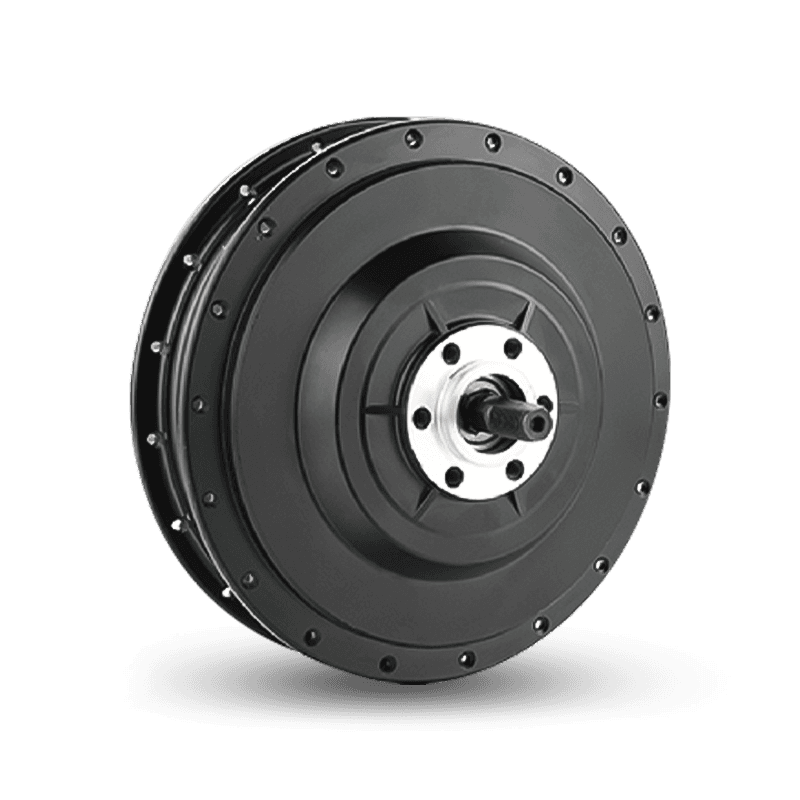 E-Type F500 Front Hub Motor
The E-Type F500 front hub motor is designed for E-Cargo and E-MTB bikes, offerin...
-
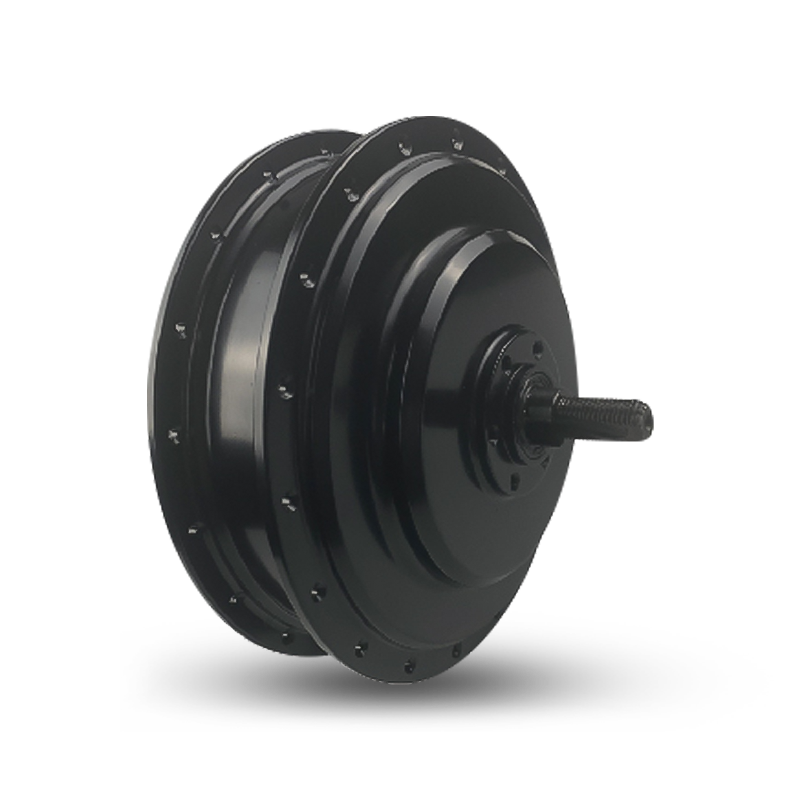 E-Type Pro RC750 Rear Hub Motor
The E-Type Pro RC750 Rear Hub Motor is designed for E-Cargo and E-MTB bikes, com...
-
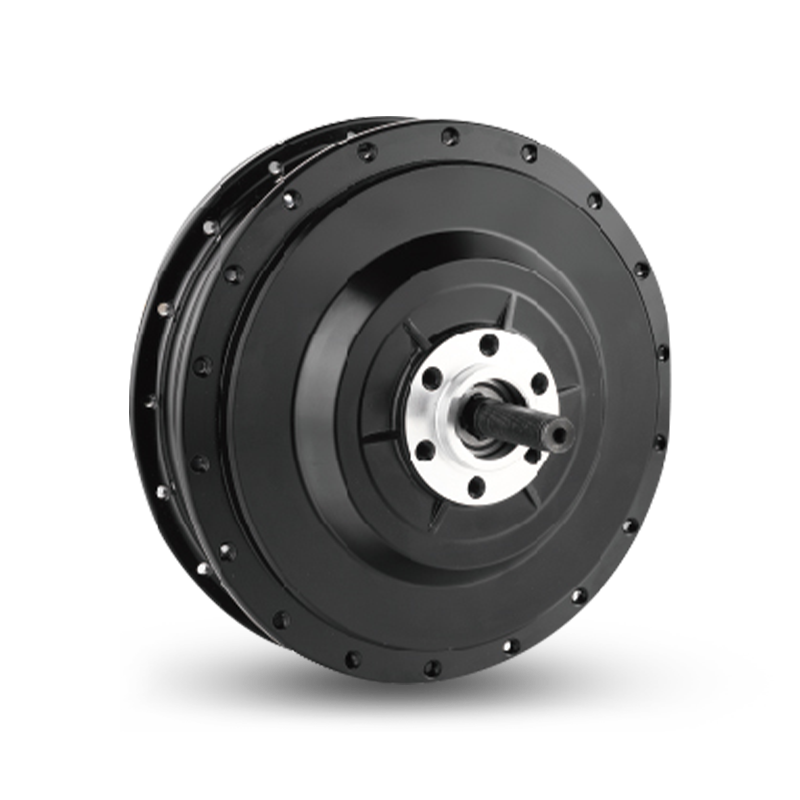 E-Type RF500 Rear Hub Motor
The E-Type RF500 Rear Hub Motor is designed for E-Cargo and E-MTB bikes, compati...
-
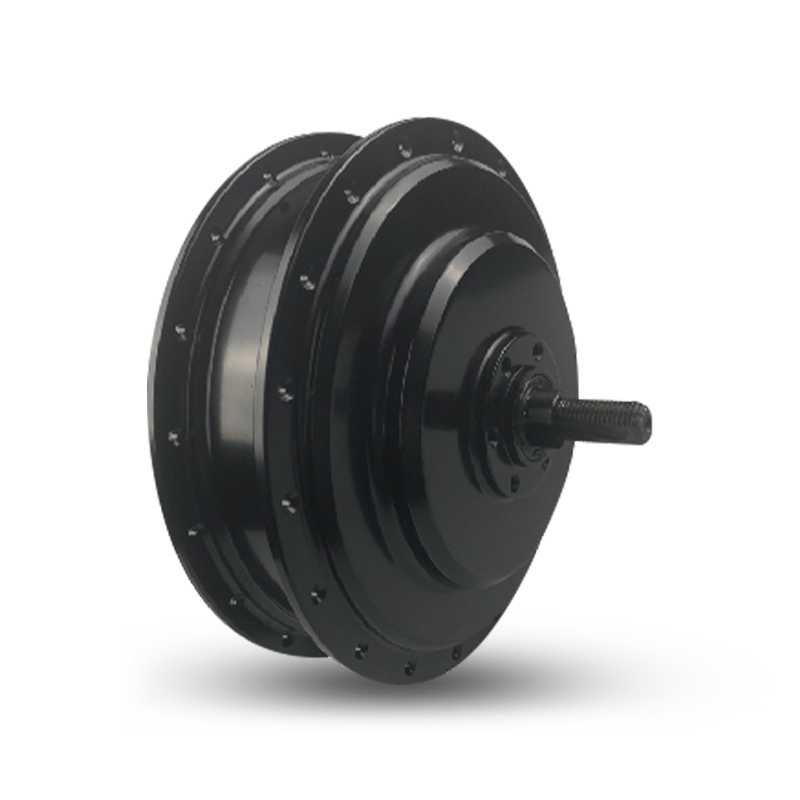 E-Type Pro RF750 Rear Hub Motor
The E-Type Pro RF750 Rear Hub Motor is designed for E-Cargo and E-MTB bikes, com...
-
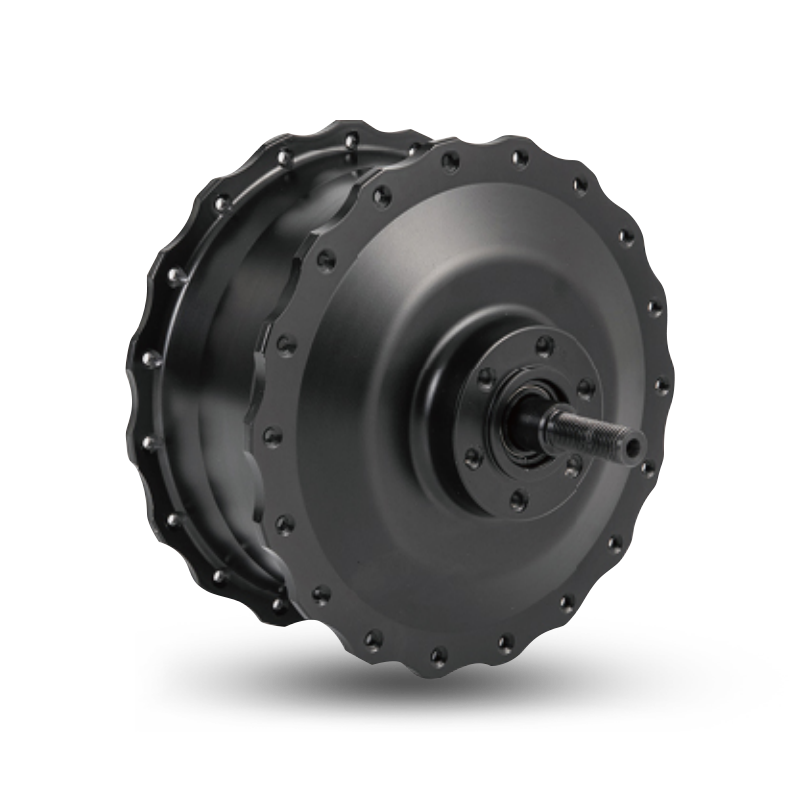 S-Type Pro F1500 Front Hub Motor
The S-Type Pro F1500 front hub motor, designed for E-Carao and E-Fat bikes, offe...
-
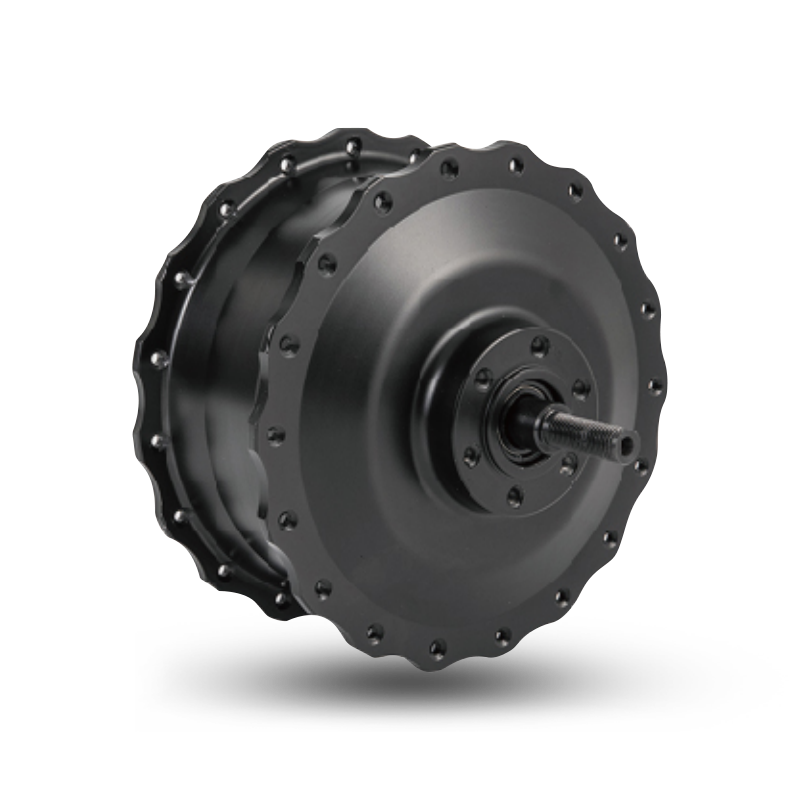 S-Type F750 Front Hub Motor
S-Type F750 is designed for E-Cargo and E-Fat. The rated power ranges from 500W ...
-
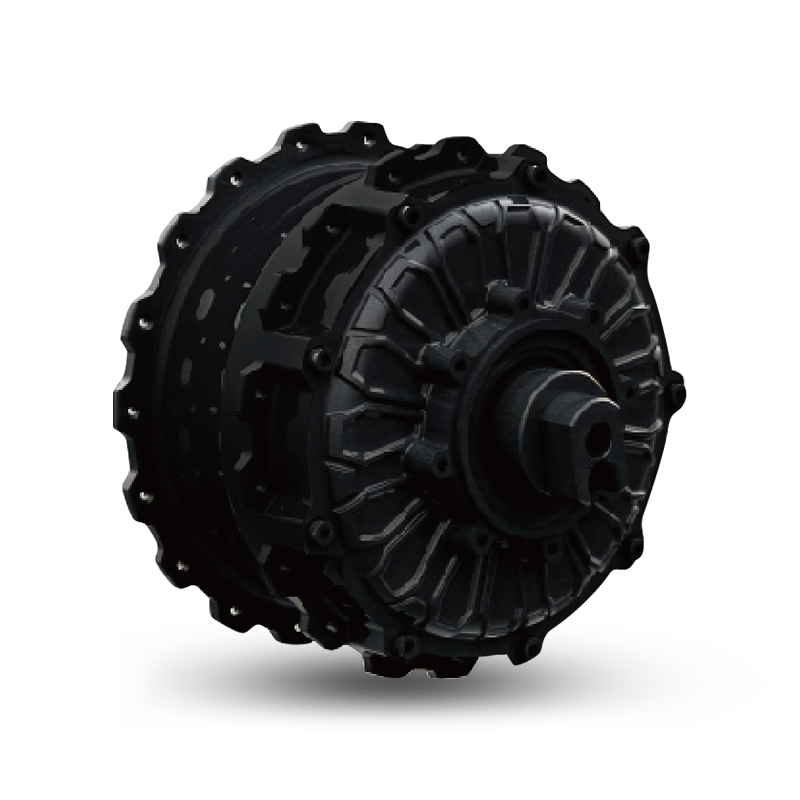 S-TYPE Max THRU AXLE Rear Hub Motor
The S-TYPE Max thru-axle motor is designed for E-Fat, Moped, and Cargo applicati...
-
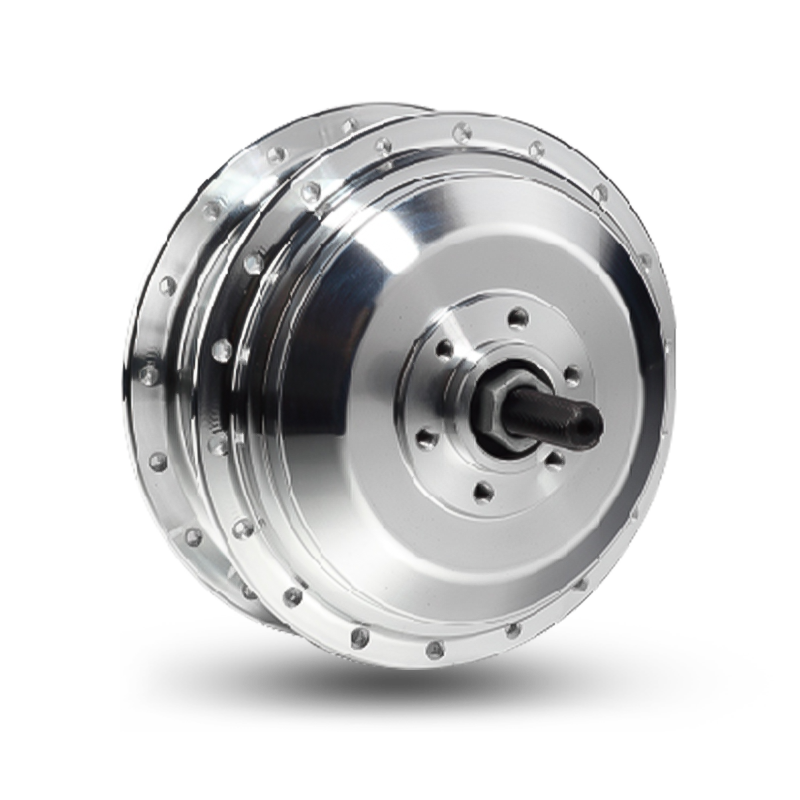 C-Type R350 Rear Hub Motor
The C-Type R350 Rear Hub Motor, designed for city e-bikes, offers a rated power ...
If you are interested in our products, please consult us
Contact Details
- Address:No. 3 Dingqiao Rd, Jiangshan Town, Yinzhou District, Ningbo, Zhejiang Province, China
- Phone: +86 13806662915
- Email: K.zhang@hengtai-cn.com
Products
Quick Link
News Center
Mobile terminal
