

 English
 中文简体
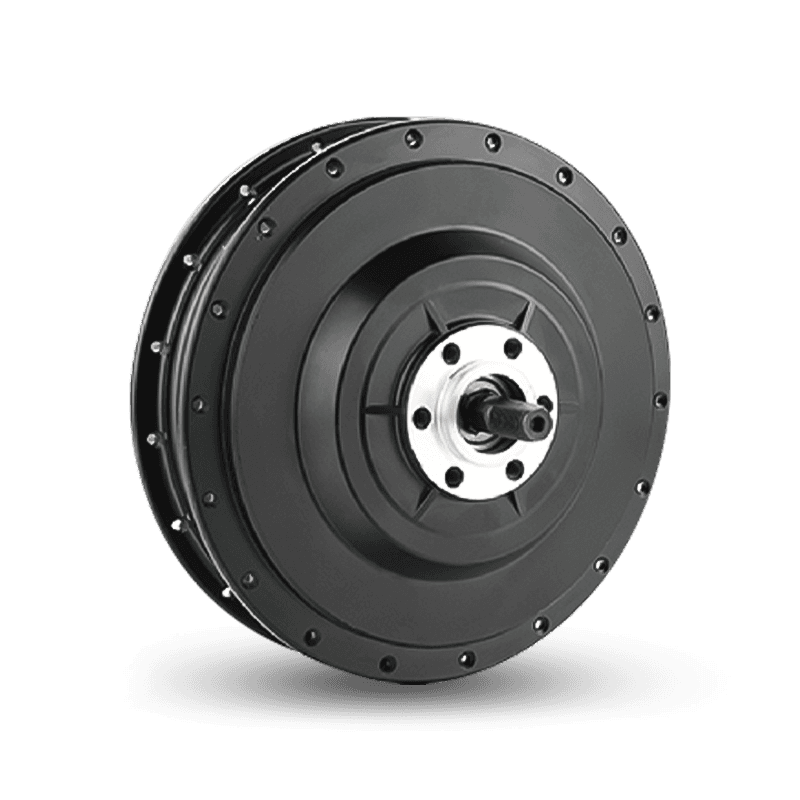
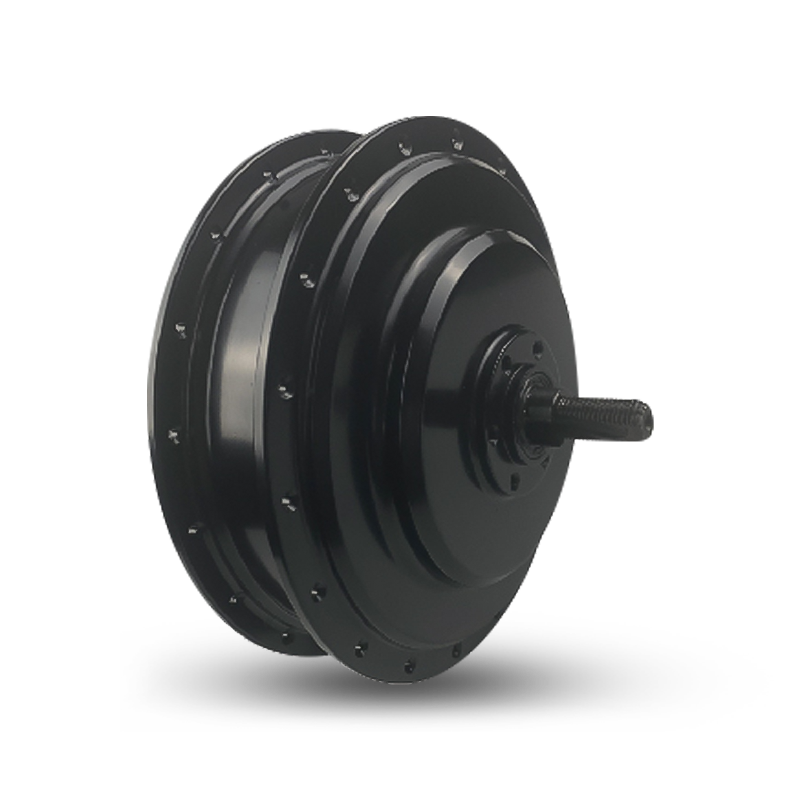
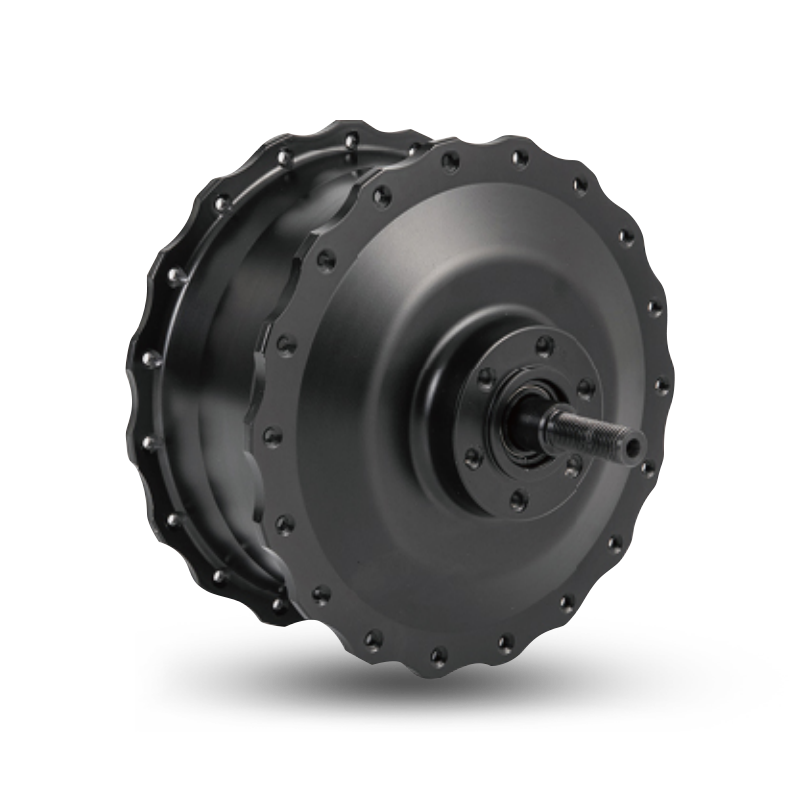
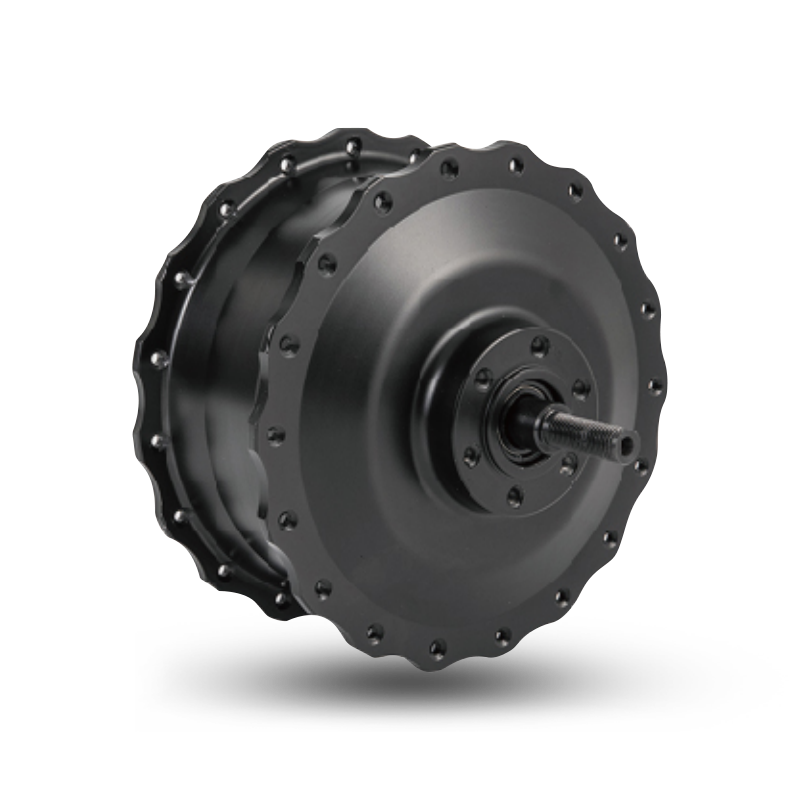
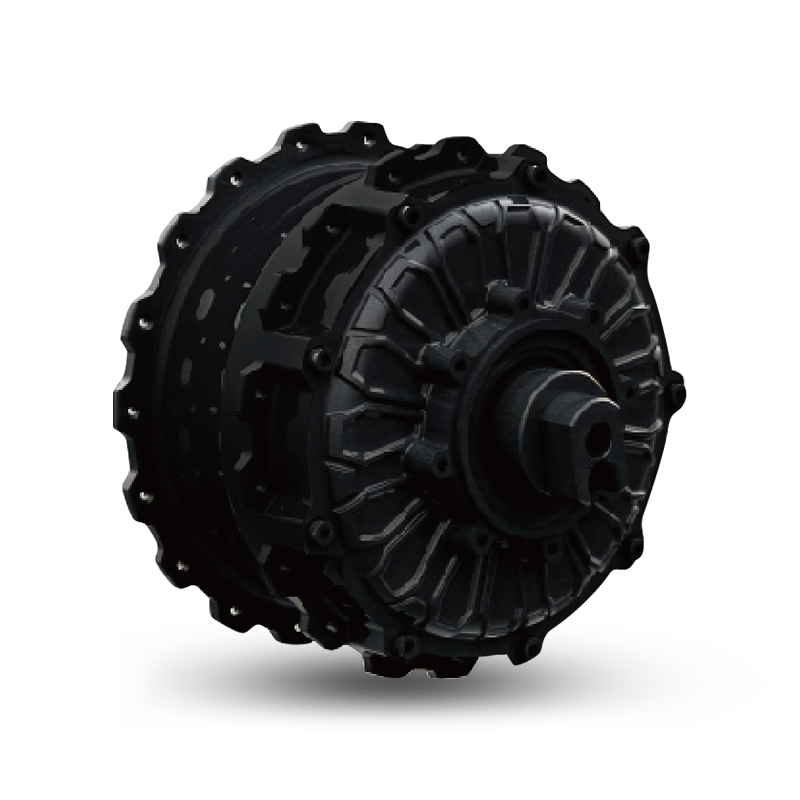
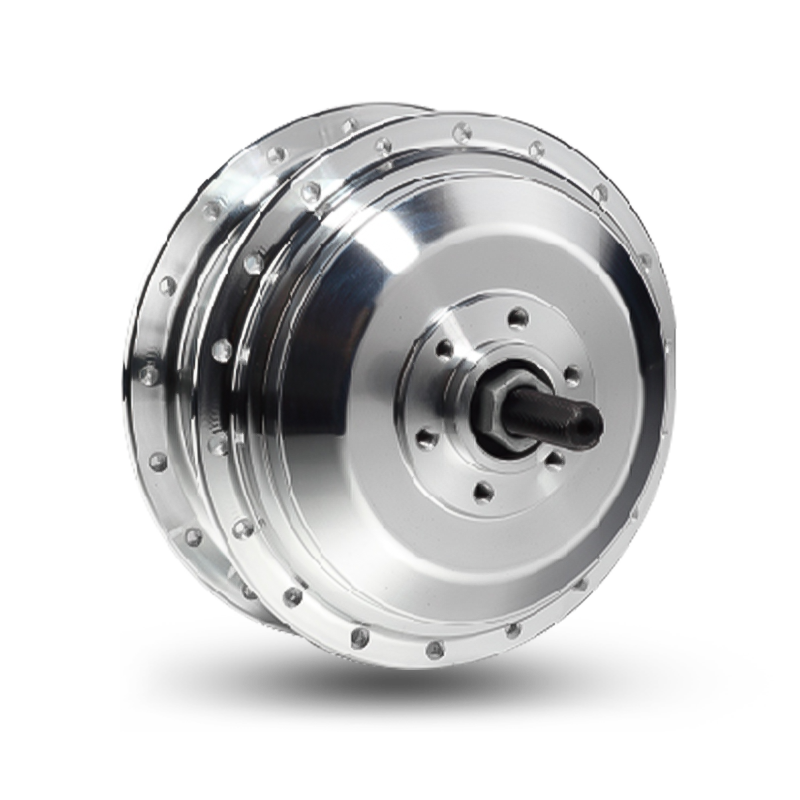
中文简体A steel-nylon composite gear motor features a nylon gear sandwiched between two steel plates, cutting noise and weight while maintaining sufficient load capacity for light-to-moderate torque applications. In practical terms, off-the-shelf composite gear designs using standard injection-molded nylon typically top out around 120 N·m of torque before tooth stripping becomes a risk, making them the default choice for power tools, small appliances, and light robotics actuators where quiet operation matters as much as durability. For higher-torque applications — including e-bike drive units, AGVs, e-karts, and agricultural machinery — HENTACH's internationally patented plastic-steel gear breaks through this limit entirely, reliably handling torque well beyond 120 N·m and up to 930 N·m in motorcycle-class applications, without the noise or maintenance burden of an all-steel gear train.
At Ningbo Yinzhou HENTACH Electromechanical Co., Ltd. (formerly Hengtai Motor), we have dedicated over 30 years to electromechanical innovation. Built upon our patented nylon-steel gear technology, HENTACH combines advanced casting, precision CNC machining, and rigorous testing to manufacture drive solutions that excel where traditional gearboxes fail.
Below is an engineering breakdown of how these hybrid motors are built, where they perform best, and how to size them correctly for demanding real-world applications.
What a Steel-Nylon Composite Gear Actually Is
Most composite gears used in gear motors are not a homogeneous blend of steel and nylon in the same tooth. Instead, they typically feature a steel core for load transfer or a sandwiched construction where a nylon gear body is reinforced by steel plates. The steel structure carries the shaft load and resists stripping, while the nylon body forms the actual teeth that contact the mating gear and reduce noise.
This construction is common in three primary configurations:
- Steel-nylon composite gear: A nylon gear body sandwiched between two steel plates, combining structural rigidity and high torque capacity with smooth, low-noise operation.
- Steel-core hub gear: A nylon gear with a stainless steel, brass, or aluminum hub cast or pressed into the center.
- Steel pinion to nylon gear: A steel pinion on the motor shaft driving a nylon output gear (or a multi-stage combination with glass-filled nylon).
Where This Combination Beats All-Metal Gear Trains
The engineering case for a steel-nylon composite gear motor comes down to four measurable advantages over an all-steel or all-cast-iron equivalent:
- Noise and Vibration Damping: Nylon’s intrinsic damping properties absorb meshing shock that steel-on-steel gears transmit directly through the housing. This makes composite gears essential for e-bikes, medical devices, office equipment, and indoor AGVs where audible whine indicates poor user experience.
- Maintenance-Free / Dry Running: Nylon is self-lubricating, allowing composite gear pairs to run dry or with minimal grease. While an unlubricated steel-on-steel pair in the same application might fail within days or weeks, a properly engineered nylon-steel pair routinely delivers years of service without relubrication.
- Weight Reduction & Efficiency: Nylon has roughly one-seventh the density of steel (1.15 g/cm³ vs. 7.85 g/cm³). In handheld tools, e-bikes, and e-karts, every saved gram translates directly to reduced user fatigue and extended battery range.
- Corrosion and Chemical Resistance: Nylon does not rust, making composite gears ideal for humid, washdown, or outdoor environments where unprotected steel gears would require constant greasing, plating, or frequent replacement.
Engineering Trade-offs & Material Property Comparison
To design a reliable composite gear train, engineers must account for the physical trade-offs between polymers and metals.
|
Property |
Standard Nylon |
Alloy Steel |
|
Tensile Strength |
83–90 MPa |
400–1000+ MPa |
|
Thermal Conductivity |
< 0.25 W/m·K |
~50 W/m·K |
|
Density |
1.14–1.15 g/cm³ |
7.85 g/cm³ |
|
Moisture Absorption (Saturation) |
Up to 8.5% |
Negligible |
|
Failure Mode under Overload |
Tooth deformation, progressive wear |
Sudden fracture / shear |
While standard nylon offers significant noise and weight benefits, its mechanical limits under heavy dynamic loads can cause early failure. By reinforcing the nylon body with steel plates, HENTACH steel-nylon composite gears dramatically improve impact resistance.
Under a 1 Mn impact load test, standard nylon gears fractured after 33,120 cycles, whereas HENTACH steel-nylon gears operated for 145,000 cycles with no structural anomalies—demonstrating a 5x increase in fatigue endurance.
Two key insights from this table explain most real-world field failures:
- This is precisely where HENTACH's steel-sandwich construction provides a structural advantage: the two steel side plates, with their significantly higher thermal conductivity than nylon, act as passive heat sinks that help conduct frictional heat away from the nylon core — helping keep tooth root temperatures further from the polymer's softening threshold compared to an unreinforced nylon gear.
- Moisture Absorption: Nylon 66 can absorb up to 8.5% moisture at saturation, leading to minor dimensional growth. Gears designed without adequate backlash allowance can experience binding in high-humidity environments.
Typical Applications & HENTACH Real-World Validation
Steel-nylon composite gear motors are no longer a compromise—they are the default choice for modern electric mobility and automation:
E-Bike Hub & Mid-Drive Motors: Composite reduction gears significantly reduce motor hum at cruising speeds.
- AGVs, Cargo Vehicles & Golf Cars: Deliver high start-up torque with low vehicle mass and minimal maintenance.
- Cordless Power Tools & Actuators: Planetary gear stages reduce high motor RPM to usable torque while absorbing shock loads from trigger impacts.
Proven Durability: The 40,000+ km Guarantee
While heat accumulation and moisture absorption are common limitations for standard nylon gears, HENTACH’s patented steel-nylon sandwiched gear technology successfully overcomes these constraints through optimized tooth geometry, high-strength plate bonding, and premium material selection.
To validate the long-term reliability of our gear motors, HENTACH established a 40,000 km durability benchmark. The results exceeded expectations: over 50 test motors not only achieved the initial target, but seamlessly surpassed 80,000 km of continuous operation without structural or mechanical failure.
Selecting and Sizing the Right Gear Motor
Sizing a composite gear motor requires matching the duty cycle, thermal dissipation, and torque profile to the material limits:
- Match Duty Cycle to Thermal Limits: For high-cycle or intermittent applications (e.g., e-bikes, power tools, actuators), composite gears provide superior performance. For heavy continuous industrial conveyors, full-steel options may be preferred.
- Mating Surface Hardness: If glass-fiber-filled nylon gears are specified, the mating steel gear must be hardened to at least 60 HRC to eliminate surface abrasion on the polymer teeth.
- Environmental Considerations: For severe washdown or tropical outdoor applications, extra backlash must be designed into the gear mesh, or specialized low-moisture grades (such as PA12) should be selected.
- Overload Behavior: Steel gears tend to fracture abruptly under sudden torque spikes. Nylon gears deform progressively, protecting the rest of the drivetrain from catastrophic seizure.
Partner with HENTACH: 30+ Years of Electromechanical Excellence
Established in 1995 as Hengtai Motor and updated to HENTACH Motor in 2020, our company operates a 9,000+ m² campus equipped with over 60 units of advanced manufacturing equipment—including 500-ton die-casting machines, precision CNC tools, laser marking systems, micro-arc oxidation lines, and two dedicated electric vehicle motor test benches.
From raw material casting and aluminum-magnesium alloy processing to final motor testing under strict ISO 9001 standards, HENTACH delivers custom DC motor and composite gear drive solutions for global OEMs.
Looking for a quieter, lighter, and field-proven gear motor solution?
Contact the engineering team at Ningbo Yinzhou HENTACH Electromechanical Co., Ltd. today to discuss custom gear designs and motor options for your next project.