


 English
 中文简体
Don't hesitate to send a message
How Much Does an E-Bike Help With Pedaling? Watts, Torque, Sensors and Effort
Content
- 1 The Short Answer: What a Motor Adds to Your Pedaling
- 2 How Watts, Torque and Gearing Turn Into Less Effort
- 3 Where Pedal Assist Helps Most, and Where It Barely Matters
- 4 The Sensor Decides Whether the Help Feels Natural
- 5 Geared Hub, Direct Drive or Mid-Drive: How the Help Reaches the Road
- 6 What We Look At When We Engineer Pedal Assist
- 7 Questions Riders Ask About Pedal Assist
- 8 The Bottom Line
If you have ever pushed a loaded e-bike up a driveway with the power switched off, you already know the honest answer: a motor does not pedal for you, but it changes how much your legs have to work. Most riders describe the feeling as pedaling into a steady tailwind. The motion is the same, the strain is lower, and hills that used to require a grimace arrive at a speed that feels almost unfair.
So how much does an e-bike help with pedaling? In everyday riding, most people feel their effort drop by roughly 40 to 70 percent at a comfortable cruising speed, and the difference is much larger on climbs. The exact figure depends on motor power, assist level, gearing, total weight, terrain, and, more than most buyers expect, the sensor that reads how you pedal.
The Short Answer: What a Motor Adds to Your Pedaling
A casual commuter produces roughly 100 to 150 watts of continuous pedaling power, and a fit cyclist can hold 200 to 250 watts for an hour. A pedal-assist motor adds its own watts on top of that, usually in proportion to what you produce, which is why the same bike can feel like a gentle nudge in its lowest setting and like a small motorcycle in its highest.
Most systems let the motor contribute between 25 and 400 percent of your own input, while regulations cap the motor itself at 250 watts continuous in the EU and UK and 750 watts in the United States. The table below shows what those numbers mean out on the road.
| Assist level | Motor output | Share of total power | What the rider feels |
|---|---|---|---|
| Eco, level 1 | 40 to 80 W | 20 to 35 percent | A light tailwind; you still do most of the work |
| Tour, level 2 | 100 to 150 W | 40 to 50 percent | Flats feel easy and gentle hills flatten out |
| Sport, level 3 | 200 to 300 W | 55 to 70 percent | Hills shrink and headwinds nearly disappear |
| Turbo, level 4 to 5 | 400 to 750 W | 70 to 85 percent | Steep climbs at walking pace with light pedal pressure |
There are two ways to measure the help: how much less effort you spend at the same speed, or how much faster you ride at the same effort. Riders notice the first one immediately. The second shows up in commute times, which commonly fall by 20 to 40 percent on hilly routes.
How Watts, Torque and Gearing Turn Into Less Effort
Watts describe how long the motor can keep helping. Torque describes how hard it pushes when the wheel is barely turning, which is exactly the situation that hurts most: pulling away from a stop or grinding up a ramp.
A 250 W geared hub motor usually delivers 30 to 45 Nm at the wheel, enough to move a 75 kg rider and a 25 kg bike from a standstill without standing on the pedals. A 750 W motor built for cargo or fat-tire bikes can exceed 80 Nm, and that is the difference between a climb you tolerate and a climb you actually enjoy.
Gearing matters almost as much as the motor. Keep spinning at 70 to 80 rpm and the system stays in its efficient range, so the help lasts longer and your knees complain less. Push a heavy gear and the controller has to feed more current, which drains the battery and shortens the ride.
Where Pedal Assist Helps Most, and Where It Barely Matters
On flat ground at 20 km/h the main resistance is rolling friction and air, so adding 100 W of motor power can cut your own effort almost in half. Above 25 to 30 km/h, aerodynamic drag grows quickly and the motor has to work much harder for every extra kilometre per hour, so the benefit you feel starts to flatten out.
Climbs are where assist earns its reputation, because gravity scales with total weight. A rider who needs about 280 W to hold 12 km/h on a 6 percent grade might need only 80 W with a mid-level assist, which is the difference between arriving fresh and avoiding the hill altogether.
Starts and loads matter too. Hub motors produce torque from zero rpm, so traffic lights and loaded pull-aways feel almost effortless. Add 30 kg of groceries or a child seat, though, and the same motor suddenly feels smaller. Heavy loads need more torque, not more top speed.
The Sensor Decides Whether the Help Feels Natural
Cadence sensors watch how fast you turn the cranks and switch the motor on when you start pedaling. They are simple and affordable, but the help arrives in steps: a short delay at the start, a surge as you spin faster, and a push that lingers for a moment when you stop.
Torque sensors measure how hard you press on the pedals, usually through a strain gauge in the bottom bracket or the rear dropout. The motor then multiplies your own effort proportionally, so a light stroke gets light help and a hard one gets a lot. Most riders describe the result as a tailwind rather than a push.
Better systems blend both signals, and controller tuning does the rest. Two e-bikes with identical motors and batteries can feel completely different simply because of how aggressively each assist level ramps current in.
Geared Hub, Direct Drive or Mid-Drive: How the Help Reaches the Road
Geared hub motors use an internal planetary reduction and a one-way clutch, so a small, light motor can spin quickly while the wheel turns slowly, and it stops dragging the moment you pedal past the assist limit or ride with the power off. In our own production we use composite nylon-steel gears and hardened pinions to keep noise low and service life long, a subject covered in more depth in our guide to geared hub motor technology.
Direct drive motors have no gears at all: quiet, simple and efficient at steady high speed, but heavier and less punchy from a standstill. Mid-drive motors send power through the bike's own chain and cassette, so they climb well by borrowing your gears, at the cost of faster drivetrain wear and a higher price.
For most commuters and city bikes, a geared hub motor offers the best blend of low-speed torque, light weight and low maintenance. A 250 W front hub is a good example of a motor designed for exactly that kind of light, natural assist.
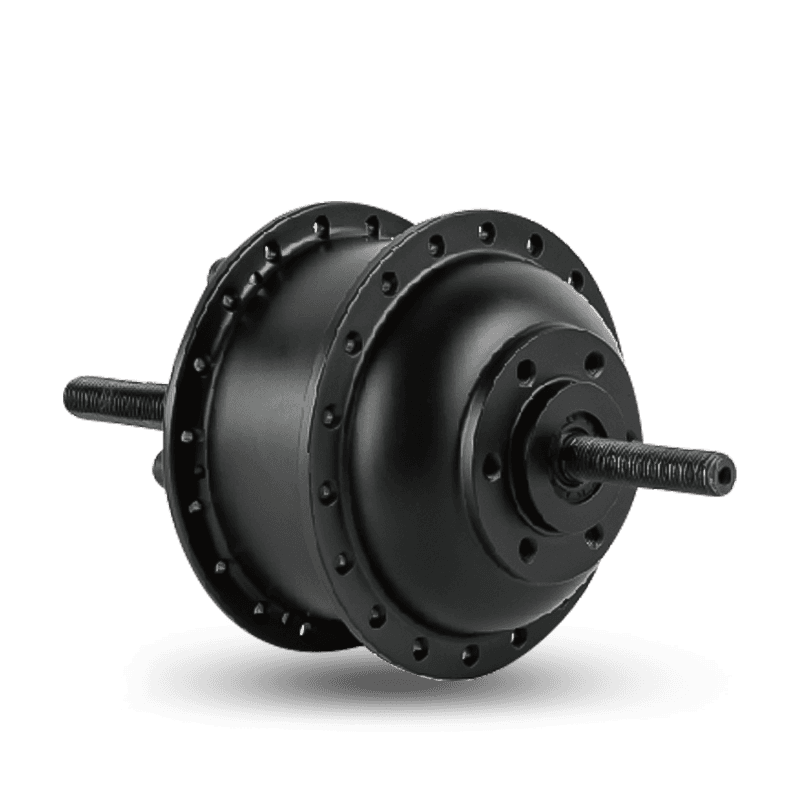 HT MINI 250W Front Hub Motor for City and Road E-BikesA compact 250 W front hub with 40 N.m torque, 1.95 kg weight, and IP54 rating, suited to light urban assist.View Product →
What We Look At When We Engineer Pedal Assist
At HENTACH we have been building hub motors in Ningbo since 1995, and conversations with bike brands rarely start with peak watts. They start with feel: how quickly power should arrive when the rider presses the pedal, how much torque is available at walking pace, how quiet the gearbox stays at 25 km/h, and how the motor behaves after 10,000 km.
- Torque at low speed, because that is what riders actually feel on a climb.
- Ramp rate, so assist arrives smoothly instead of in a jolt.
- Gearbox noise and efficiency across the whole speed range.
- Durability, verified on our motor test benches before a platform ships.
That last point is where our composite gear development and our mileage program come from. More than 50 motors have passed 30,000 miles in testing, and the lessons from those units feed back into how we specify gears, bearings and housings. Castings and CNC machining happen on our own lines, which keeps tolerances tight and quality control under one roof.
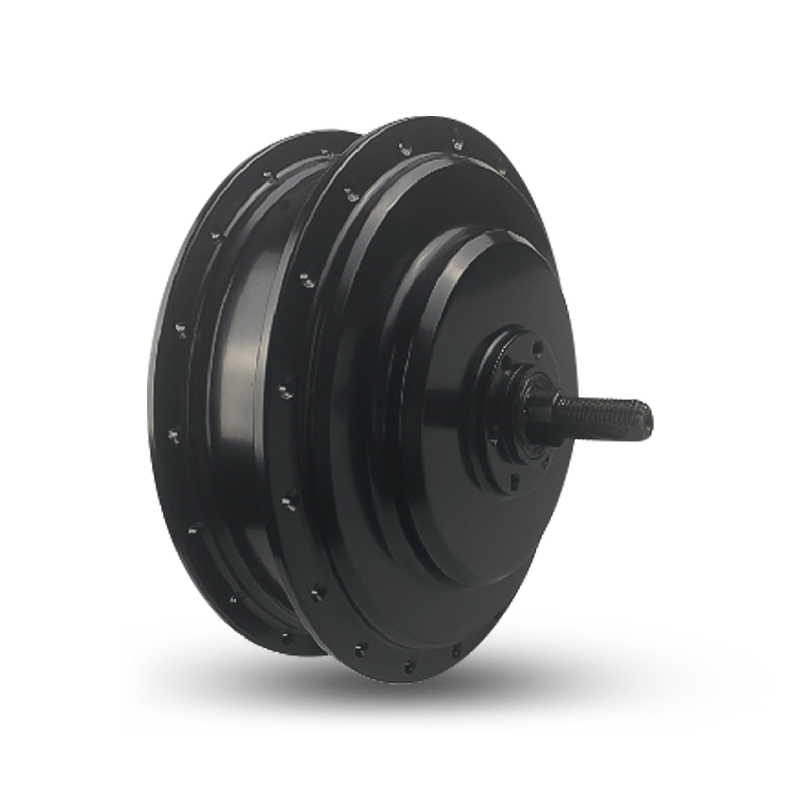 E-Type Pro RC750 Rear Hub Motor for E-Cargo and E-MTBA 350–750 W rear hub with up to 85 Nm torque and 8–10 speed cassette compatibility for high-load cargo and trail builds.View Product →
Our platforms run from 250 W commuter units up to 750 W and higher-torque motors for cargo bikes, so the torque curve can be matched to the bike rather than the other way around. If you are comparing options, our e-bike hub motor solutions overview is a good starting point.
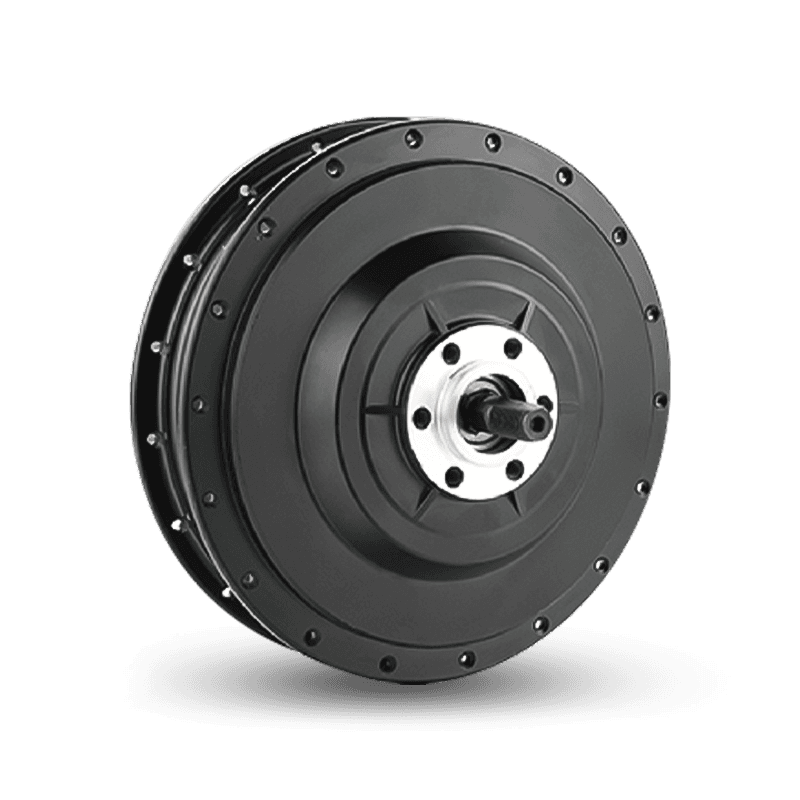 E-Cargo Bike Hub Motor Range from 250 W to 2000 WCompare front, rear, and through-axle hub motors with stall torques from 50 Nm to 160 Nm for electric cargo bike builds.View Product →
Questions Riders Ask About Pedal Assist
Does an e-bike pedal by itself?
No. Pedal-assist systems only add power while you turn the cranks, and in most markets the motor has to cut out at 25 km/h in the EU and UK or 20 mph for a US Class 1 bike. Throttles exist on some models, but they are a separate feature rather than pedal assist.
Do I still get exercise?
Yes. You choose how hard to work by changing the assist level, and because assisted rides feel easier, many riders ride further and more often than before. A longer, slightly easier ride often burns more total energy than a short, hard one.
Is 250 W enough to feel a real difference?
It is, if the motor has decent torque and your gearing suits the terrain. A well-tuned 250 W geared hub takes the sting out of hills and headwinds for a commuter, while heavier cargo and steeper routes are better served by 500 W to 750 W platforms.
Does assist help more on hills or on flats?
Hills, almost always. Gravity scales directly with weight, while on the flat at higher speeds the limiting factor becomes air resistance: the faster you go, the more watts every extra kilometre per hour costs.
The Bottom Line
For most riders, the honest answer to how much an e-bike helps with pedaling is this: enough to turn a hard ride into an easy one, and an easy ride into a longer one. Expect your effort to fall by roughly half at cruising speed, expect the biggest gains on climbs and loaded starts, and expect the sensor and controller to matter as much as the motor's rated watts. Match the torque to your terrain and your cargo, and the assist stops feeling like a machine doing the work and starts feeling like a very good day on the bike.
OUR PRODUCTS
Recommended Products
-
 E-Type F500 Front Hub Motor
The E-Type F500 front hub motor is designed for E-Cargo and E-MTB bikes, offerin...
-
 E-Type Pro RC750 Rear Hub Motor
The E-Type Pro RC750 Rear Hub Motor is designed for E-Cargo and E-MTB bikes, com...
-
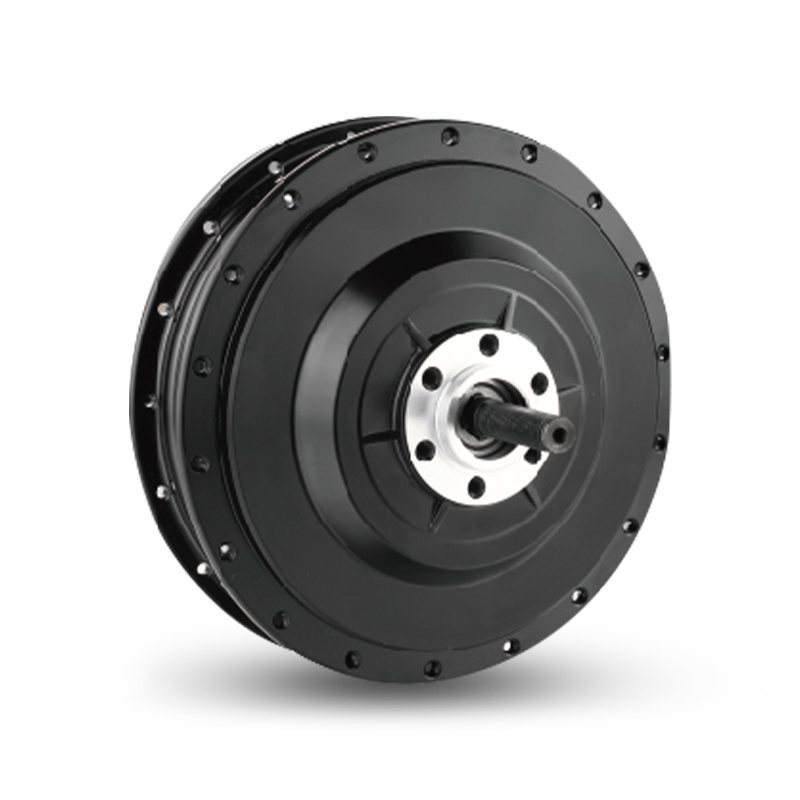 E-Type RF500 Rear Hub Motor
The E-Type RF500 Rear Hub Motor is designed for E-Cargo and E-MTB bikes, compati...
-
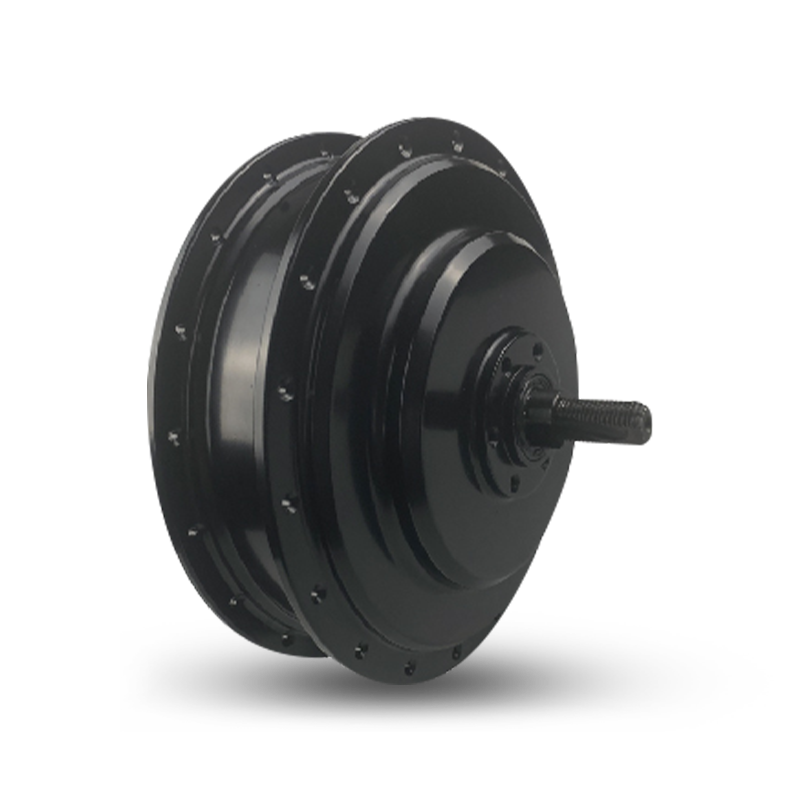 E-Type Pro RF750 Rear Hub Motor
The E-Type Pro RF750 Rear Hub Motor is designed for E-Cargo and E-MTB bikes, com...
-
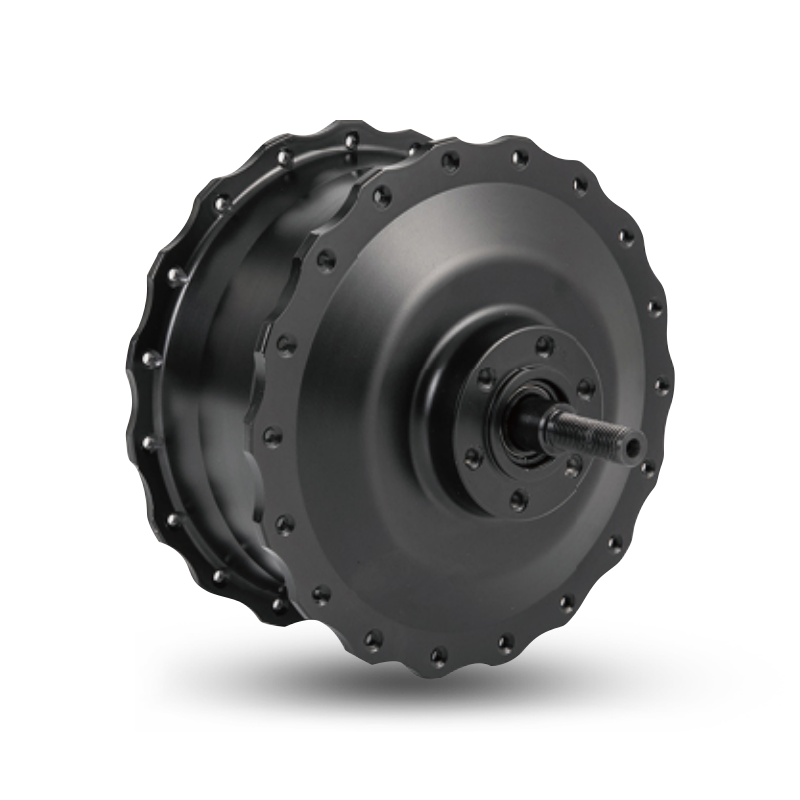 S-Type Pro F1500 Front Hub Motor
The S-Type Pro F1500 front hub motor, designed for E-Carao and E-Fat bikes, offe...
-
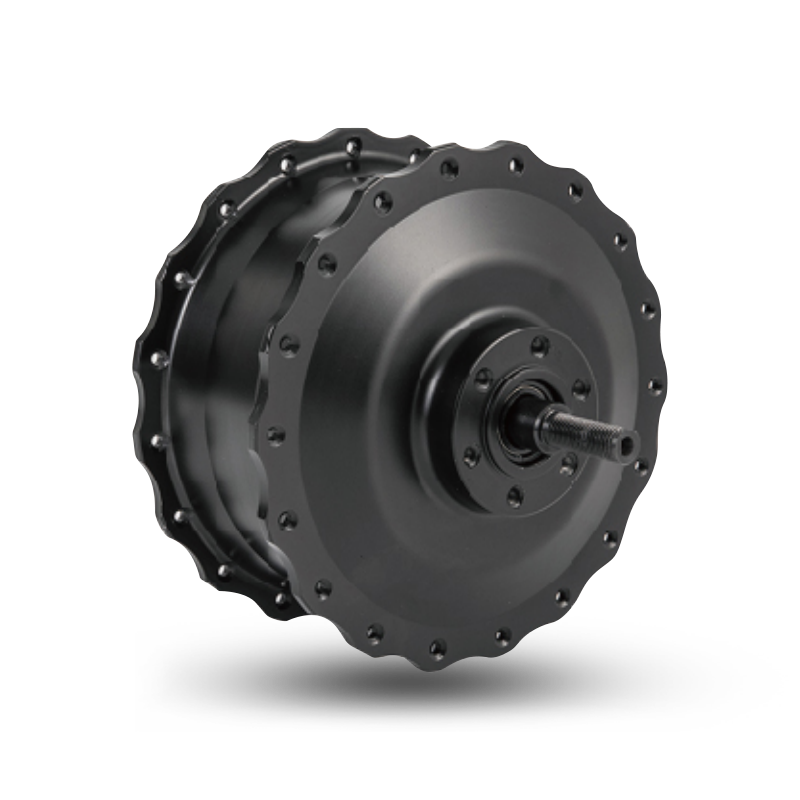 S-Type F750 Front Hub Motor
S-Type F750 is designed for E-Cargo and E-Fat. The rated power ranges from 500W ...
-
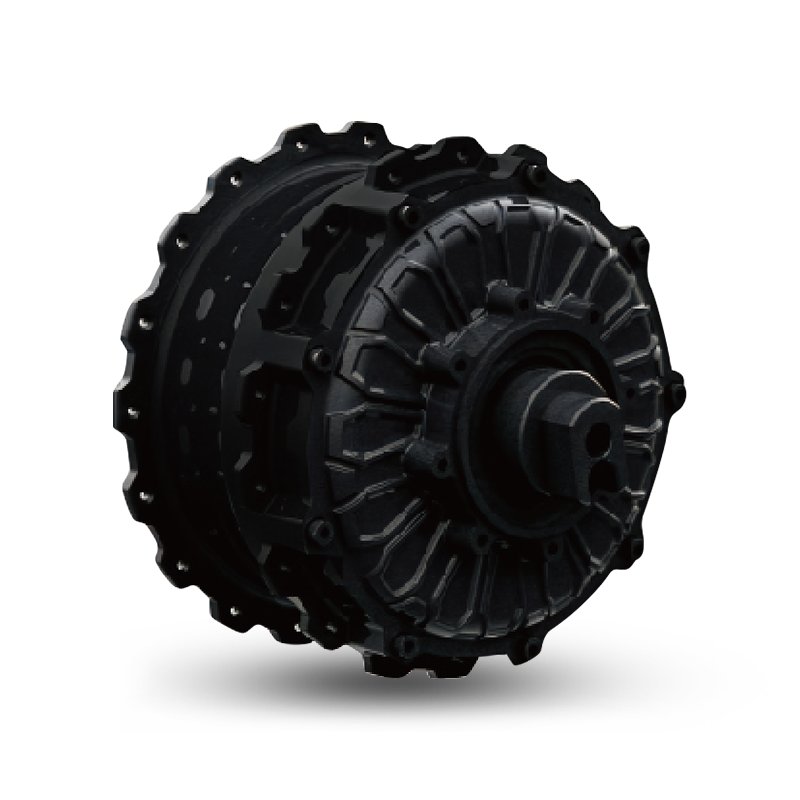 S-TYPE Max THRU AXLE Rear Hub Motor
The S-TYPE Max thru-axle motor is designed for E-Fat, Moped, and Cargo applicati...
-
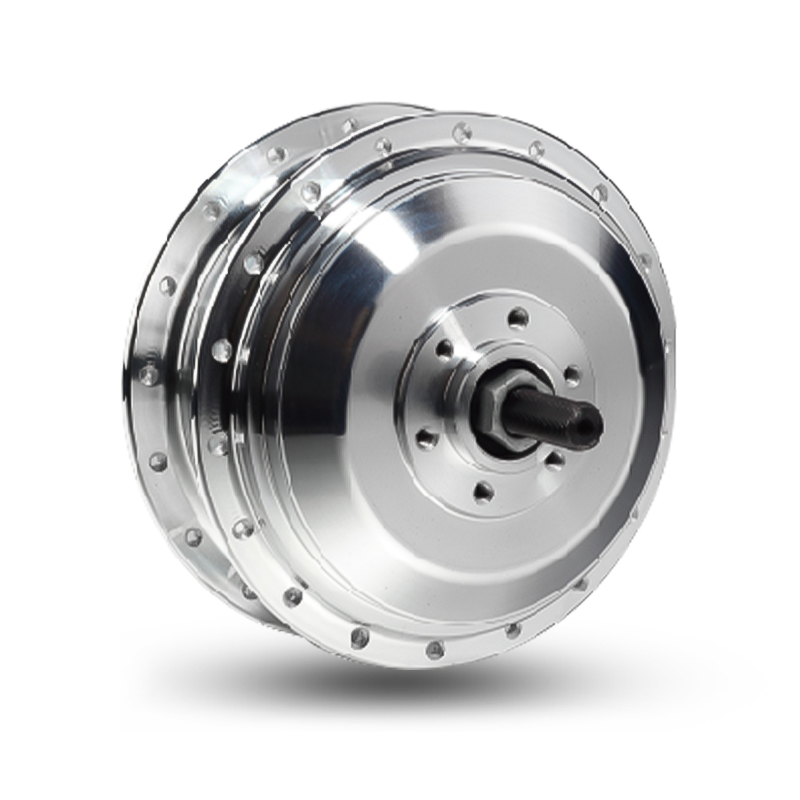 C-Type R350 Rear Hub Motor
The C-Type R350 Rear Hub Motor, designed for city e-bikes, offers a rated power ...
If you are interested in our products, please consult us
Contact Details
- Address:No. 3 Dingqiao Rd, Jiangshan Town, Yinzhou District, Ningbo, Zhejiang Province, China
- Phone: +86 13806662915
- Email: K.zhang@hengtai-cn.com
Products
Quick Link
News Center
Mobile terminal
