


 English
 中文简体
Don't hesitate to send a message
How Much Assistance Does an E-Bike Give? Pedal Assist Levels Explained
Content
- 1 How Much Help Is an E-Bike Actually Giving You?
- 2 Assist Levels and What They Really Mean
- 3 How Motor Power and Torque Change the Feel
- 4 Torque Sensors vs Cadence Sensors: Why Two Bikes Feel Different
- 5 When Assistance Fades: Why the Legal Limit Matters
- 6 Climbing and Carrying Loads: Where Assistance Matters Most
- 7 Simple Adjustments That Get You More Assistance
- 8 Quick Answers to Common Questions
If you have ever ridden an e-bike and felt the pedals suddenly lighten under your feet, you have felt assistance at work. But the question of how much assistance an e-bike gives does not have one clean answer. It depends on the assist level you pick, how the motor is tuned, and how hard you are pedaling in the first place. Let us walk through the numbers honestly, without the marketing gloss.
How Much Help Is an E-Bike Actually Giving You?
An e-bike does not pedal for you. It adds to what you are already doing. In practical terms, most modern systems contribute somewhere between 30% and 300% of your own pedaling power, which means your legs are getting a multiplier of roughly 1.3x to 4x depending on the mode and the motor.
Here is a concrete example. Say you are cruising along at a relaxed pace and putting out about 100 watts. In eco mode the motor might add another 30 to 50 watts, bringing you to roughly 130 to 150 watts at the pedals. Crank it up to the highest assist level and the same system might add 250 or even 300 watts, so you are effectively riding at 350 to 400 watts. That is the kind of sustained output a fit, trained cyclist produces.
This is exactly why the same bike feels effortless to one rider and rocket-like to another. Assistance is proportional, not fixed.
Assist Levels and What They Really Mean
Nearly every e-bike offers several assist levels. Entry-level models usually have three, commuter bikes commonly have five, and some advanced systems go to seven or even nine. The difference between levels is really the difference in how much the motor multiplies your input.
| Typical Level | Approximate Boost | What a 100 W Rider Gets | Best Suited To |
|---|---|---|---|
| Eco / Level 1 | 30-50% of your output | 130-150 W total | Flat ground, long range |
| Tour / Level 2 | 70-120% | 170-220 W total | Daily commuting, gentle hills |
| Sport / Level 3 | 150-200% | 250-300 W total | Climbs, headwinds, time pressure |
| Turbo / Level 4-5 | 250-400% | 350-500 W total | Steep grades, loaded cargo, tired legs |
These numbers explain why a 100 W rider in the top level can climb like a 300 W rider. You have not become stronger. You have borrowed power from the motor, and the battery pays the bill.
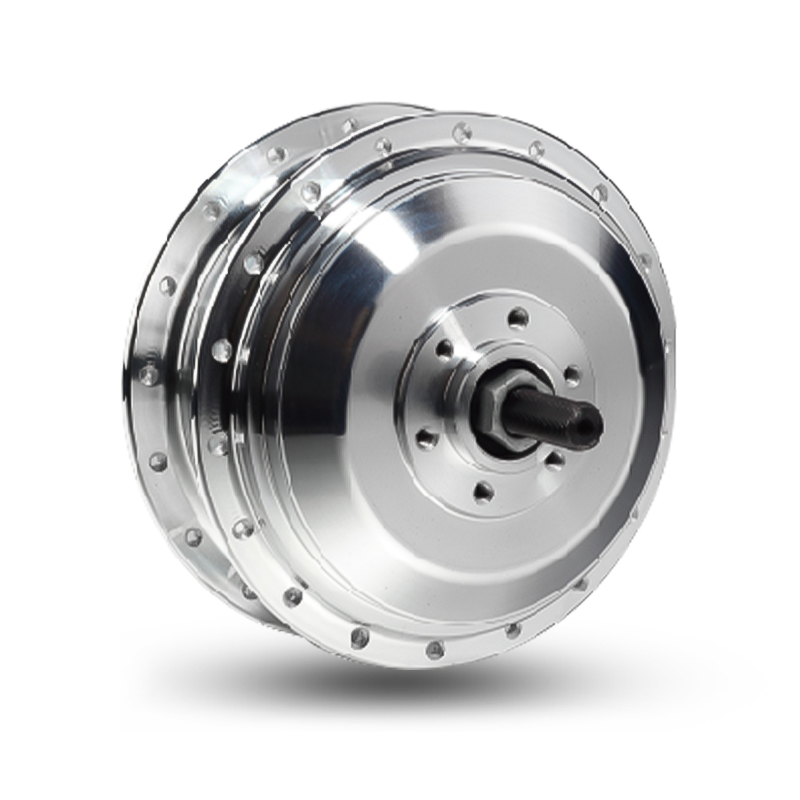 E-City Bike Hub Motors for Urban Electric-Assist BicyclesExplore compact front and rear hub motors with 250–400 W options, up to 55 Nm torque, IP65 protection, and drivetrain compatibility for urban e-bikes.View Product →
How Motor Power and Torque Change the Feel
Rated power sets a ceiling on how much assistance a motor can deliver continuously. In Europe that ceiling is 250 W. In the United States, many Class 1 and Class 2 bikes run 500 W to 750 W. But what you actually feel on the road is driven by torque and peak power, which can far exceed the rated figure.
Torque is what makes a motor feel strong from a standstill and at low speed. Commuter-focused units, including many geared hub motors, typically deliver 40 to 60 Nm, while high-torque cargo motors push past 80 Nm. At 5 km/h with a full load, that difference in torque matters far more than a wattage label.
It is also worth knowing that a 250 W bike can briefly pull 600 W or more on a climb. Peak power is why small motors feel surprisingly punchy, and also why a battery drains quickly when you ask for that peak again and again.
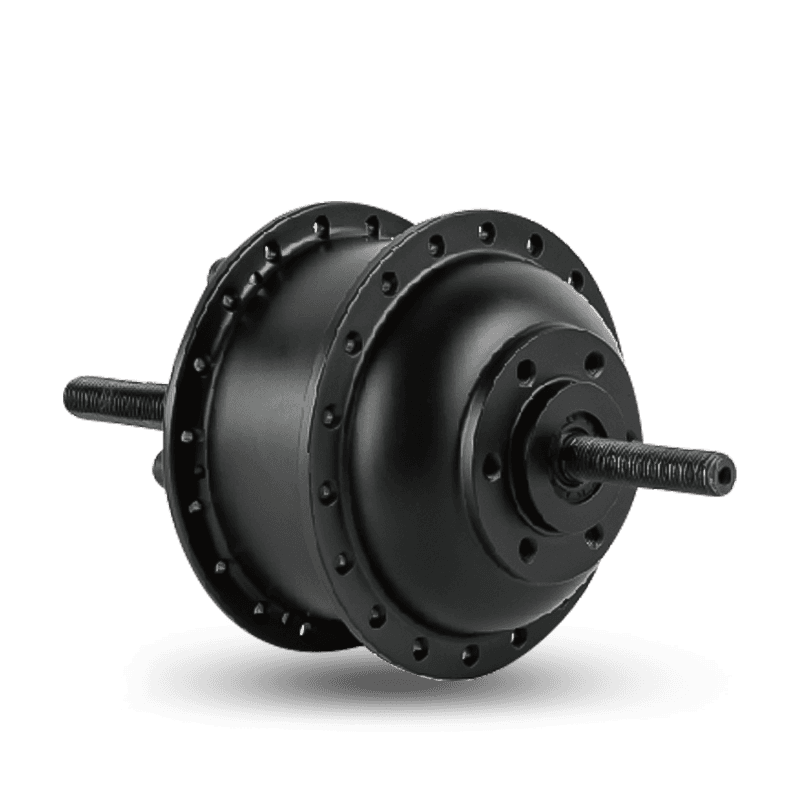 HT MINI 250W Front Hub Motor for E-City BikesA compact 1.95 kg front hub motor with 200–250 W, 40 Nm peak torque, IP54/IP65 protection, and 20–28 inch wheel compatibility for daily urban riding.View Product →
Torque Sensors vs Cadence Sensors: Why Two Bikes Feel Different
Two bikes with identical motors and batteries can deliver very different amounts of assistance depending on how they sense your pedaling. A cadence sensor is essentially a switch: it detects that you are turning the cranks and applies a preset amount of power. A torque sensor measures how hard you are pushing and responds proportionally.
The practical result is that torque-sensing systems give more assistance when you push harder, which feels more natural and more like a genuine extension of your own legs. Cadence-based systems can feel more on-off, and sometimes a little abrupt when you are maneuvering at low speed.
A few other factors quietly change how much assistance you actually receive:
- Sensor response speed and the assist curve written into the controller firmware
- Your chosen gear and cadence, since most motors work best in a mid-range rpm band
- Total weight of rider plus cargo, because a heavier load demands more watts for the same speed
- Battery state of charge, as many systems taper assistance below roughly 20% to protect the cells
- Ambient temperature, since cold reduces both battery output and controller limits
When Assistance Fades: Why the Legal Limit Matters
At some point the motor has to stop helping. In Europe, assistance must taper off smoothly at 25 km/h. In the United States, Class 1 and Class 2 bikes cut out at 20 mph, and Class 3 at 28 mph.
That cut-off point shapes how much assistance you feel in practice. A bike tuned for strong low-speed torque may feel less dramatic on flat ground because you reach the limit quickly. A bike tuned for 28 mph commuting may feel mild at low speed but keeps pulling far longer. This is why 250 W standard e-bike motors can feel completely different from one another even though the rating on the label is identical.
Regulation governs the rating. Tuning governs the experience.
Climbing and Carrying Loads: Where Assistance Matters Most
Hills are where assistance numbers become real. On an 8% grade, a rider producing 100 W alone might slow to walking pace. The same rider with 250% assistance can hold a comfortable 18 to 20 km/h, because the motor is contributing the watts the legs cannot.
Loads work the same way. A cargo bike with children, tools, or touring luggage needs more watts for every kilometre per hour. Cargo-oriented motors are often tuned to deliver torque early in the pedal stroke, which makes starts steady and low-speed control predictable.
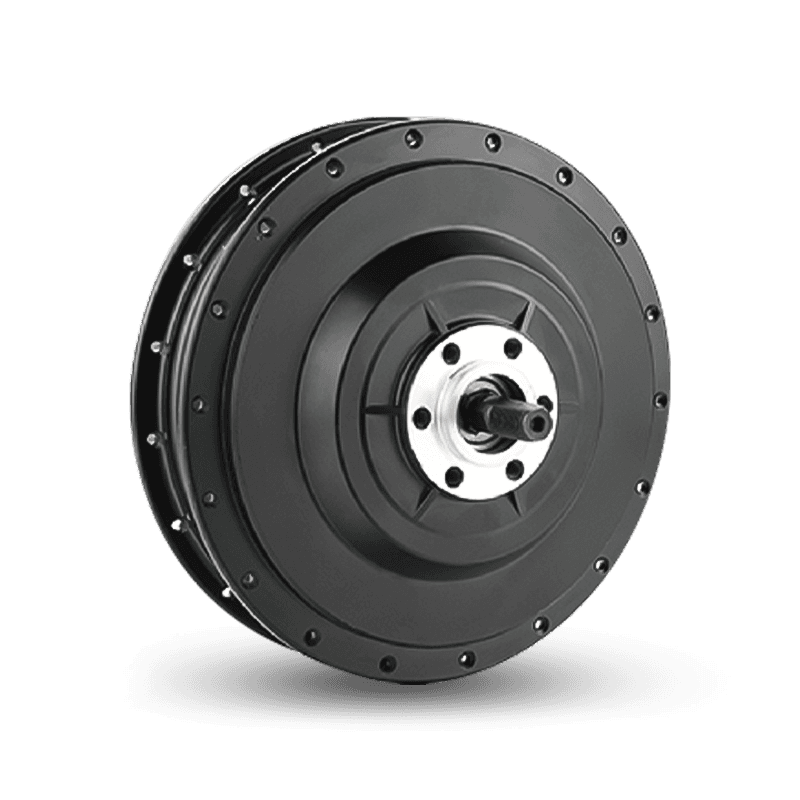 E-Cargo Bike Hub Motors from 250 W to 2000 WBrowse front, rear, and thru-axle cargo hub motors with 250–2000 W options, high stall torque, and series coverage for loaded electric cargo bicycles.View Product →
Simple Adjustments That Get You More Assistance
- Shift down and raise your cadence to roughly 70 to 80 rpm, where most motors are most efficient and most willing.
- Use a higher assist level while keeping the cadence up, rather than grinding a big gear slowly.
- Keep the battery above 20% so the controller is not quietly reducing output.
- Check tire pressure and brake rub, because ten watts lost to rolling resistance is ten watts of assistance wasted.
- Confirm your assist setting before you set off, since some displays reset to a default mode after each ride.
Quick Answers to Common Questions
Does a 250 W motor really only add 250 W?
No. Rated power is a continuous rating, not a hard ceiling in real riding. A 250 W motor can peak well above that for short bursts, and the assistance it delivers to the pedals depends heavily on your own input.
Why does my e-bike feel weaker after a long ride?
Most systems reduce assistance as the battery approaches empty, and heat buildup in the controller can also trim output. This is normal protection behavior rather than a fault.
Is more assistance always better?
Only if range and battery life are not your priorities. Higher assist levels pull more current, which shortens range noticeably and puts more thermal stress on the motor.
Pull it all together and the honest range is this: somewhere between 30% and 300% of your own pedaling power, shaped by the level you choose, the way the motor is tuned, and how much the terrain is asking of your legs. Once you know which of those three is doing the work, the number stops being mysterious and starts being something you can plan around.
OUR PRODUCTS
Recommended Products
-
 E-Type F500 Front Hub Motor
The E-Type F500 front hub motor is designed for E-Cargo and E-MTB bikes, offerin...
-
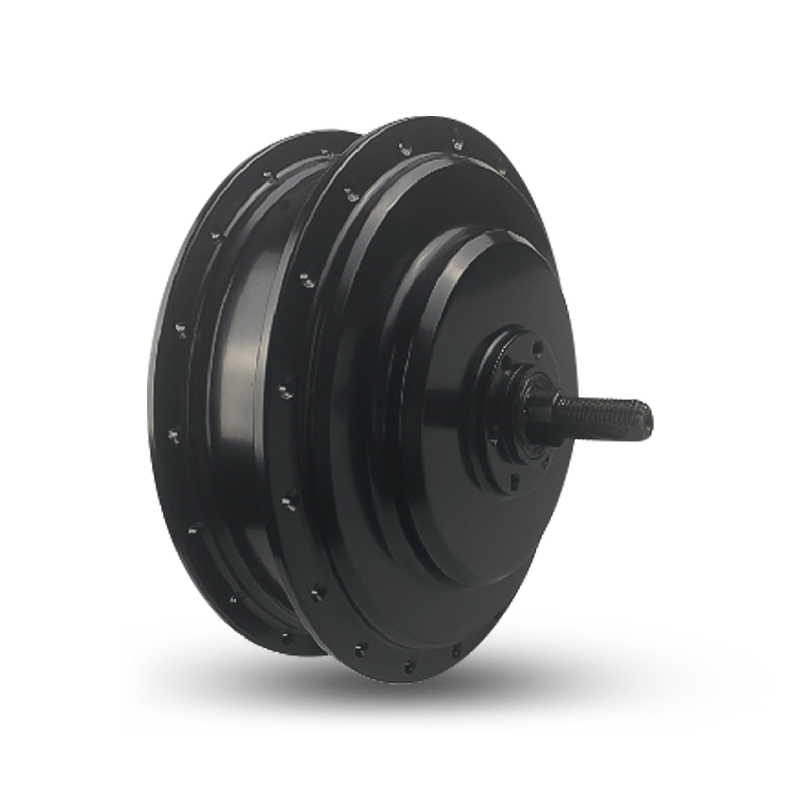 E-Type Pro RC750 Rear Hub Motor
The E-Type Pro RC750 Rear Hub Motor is designed for E-Cargo and E-MTB bikes, com...
-
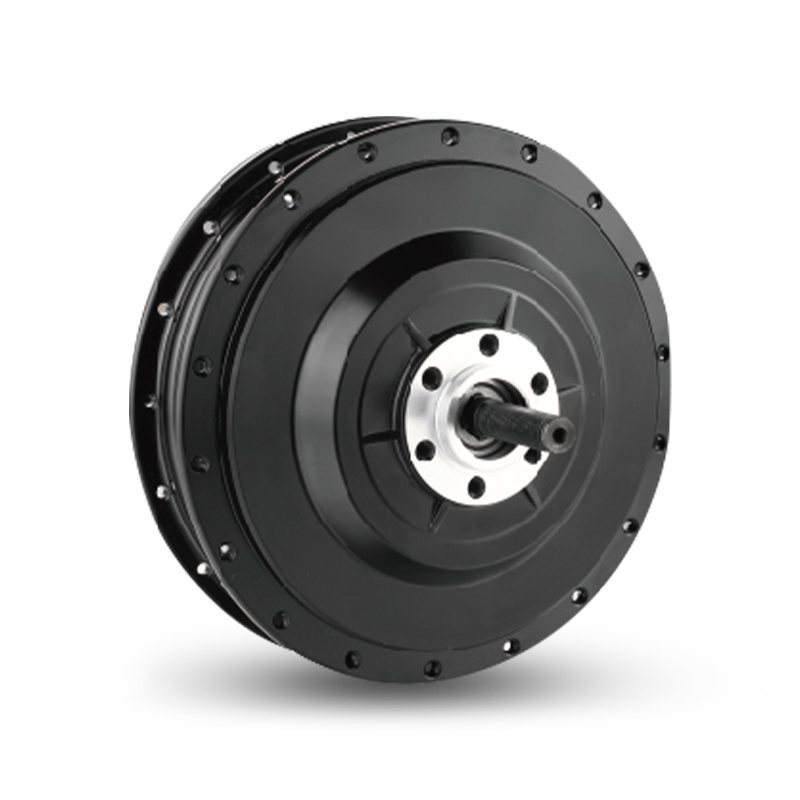 E-Type RF500 Rear Hub Motor
The E-Type RF500 Rear Hub Motor is designed for E-Cargo and E-MTB bikes, compati...
-
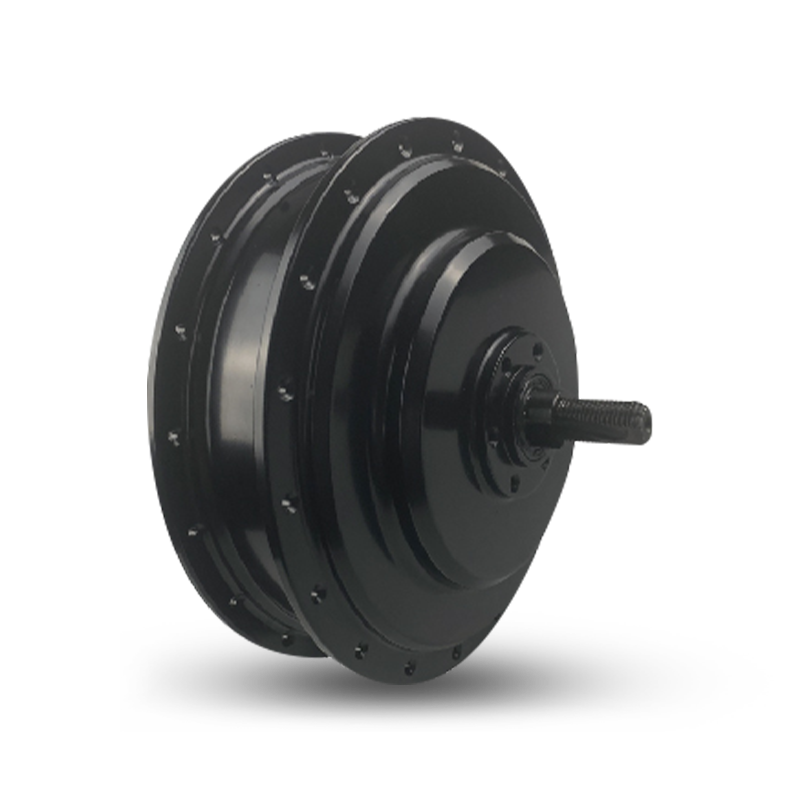 E-Type Pro RF750 Rear Hub Motor
The E-Type Pro RF750 Rear Hub Motor is designed for E-Cargo and E-MTB bikes, com...
-
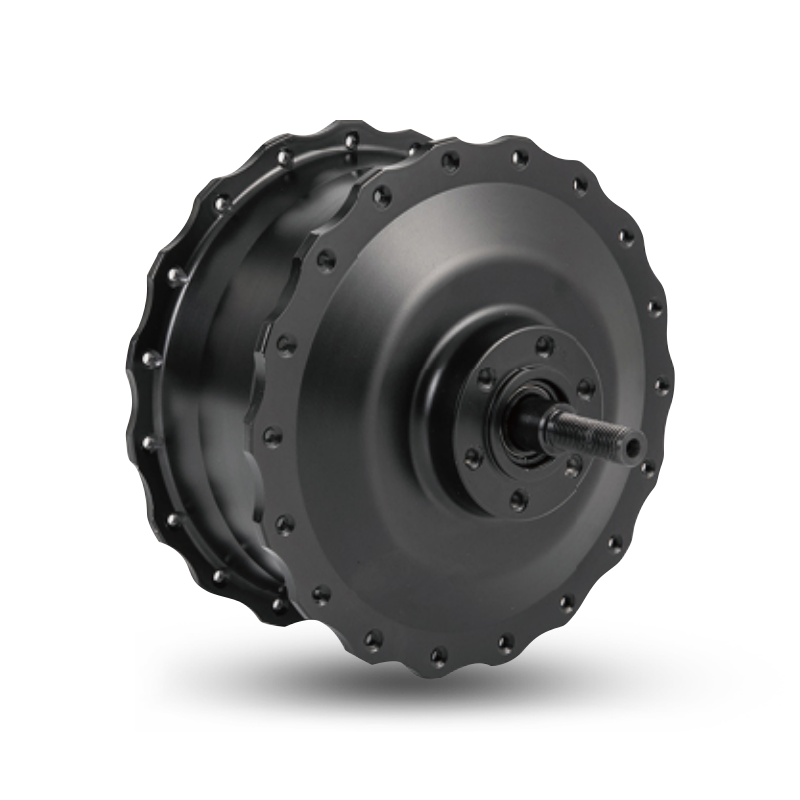 S-Type Pro F1500 Front Hub Motor
The S-Type Pro F1500 front hub motor, designed for E-Carao and E-Fat bikes, offe...
-
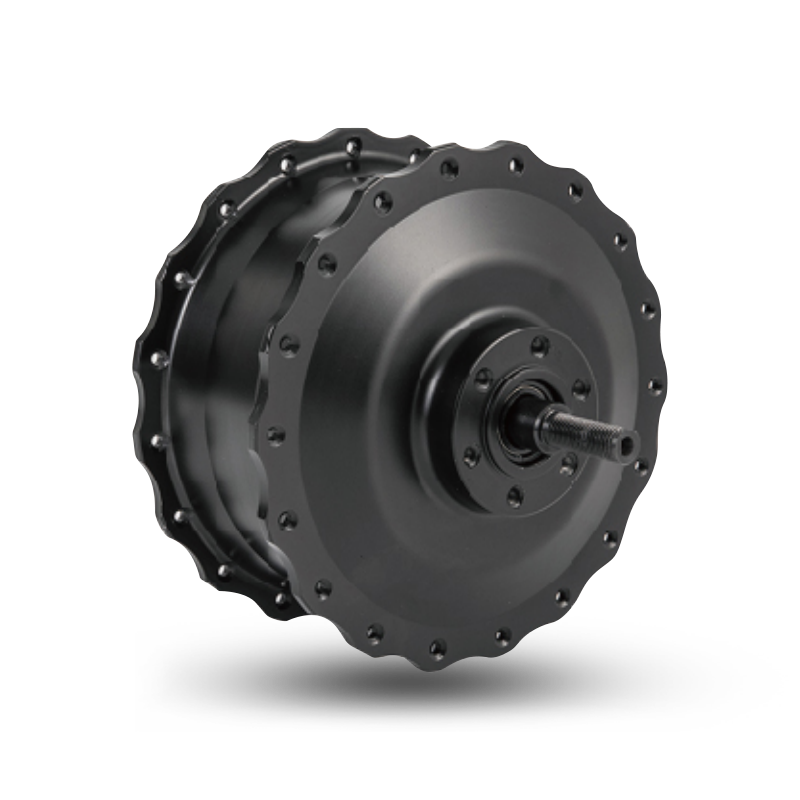 S-Type F750 Front Hub Motor
S-Type F750 is designed for E-Cargo and E-Fat. The rated power ranges from 500W ...
-
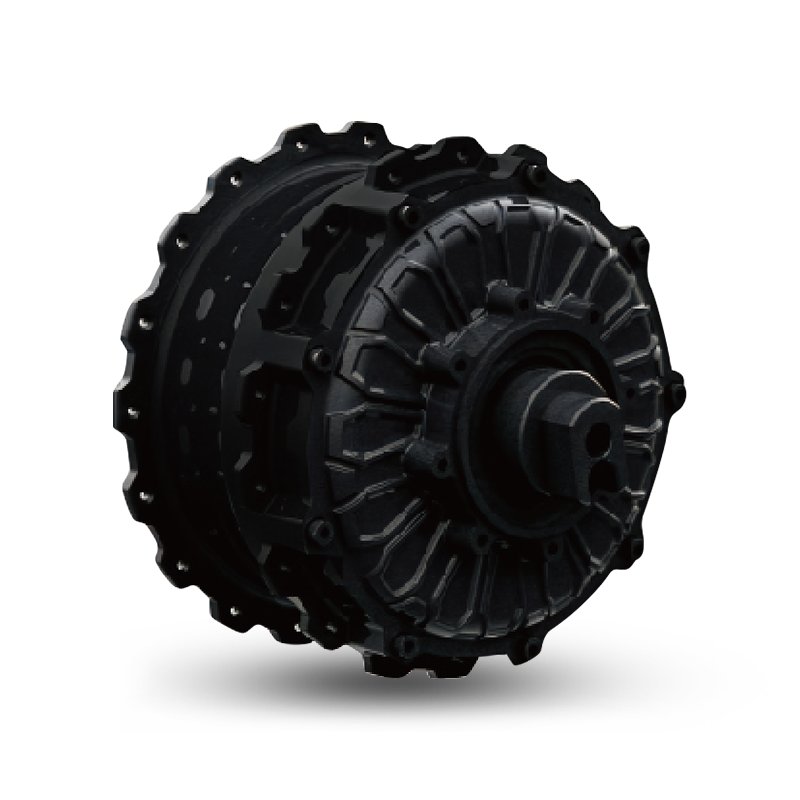 S-TYPE Max THRU AXLE Rear Hub Motor
The S-TYPE Max thru-axle motor is designed for E-Fat, Moped, and Cargo applicati...
-
 C-Type R350 Rear Hub Motor
The C-Type R350 Rear Hub Motor, designed for city e-bikes, offers a rated power ...
If you are interested in our products, please consult us
Contact Details
- Address:No. 3 Dingqiao Rd, Jiangshan Town, Yinzhou District, Ningbo, Zhejiang Province, China
- Phone: +86 13806662915
- Email: K.zhang@hengtai-cn.com
Products
Quick Link
News Center
Mobile terminal
