


 English
 中文简体
中文简体Don't hesitate to send a message
What Is an E-Cargo Bike Hub Motor? Torque, Specs, and Choosing the Right Power
Content
- 1 What Is an E-Cargo Bike Hub Motor? A Direct Answer
- 2 How Hub Motors Handle Cargo Loads
- 3 Front Hub vs. Rear Hub Placement on Cargo Bikes
- 4 Typical Specifications by Cargo Bike Type
- 5 Advantages of Hub Motors for Cargo Bikes
- 6 Limitations to Weigh Before Buying
- 7 How to Size a Hub Motor to Your Cargo Load
- 8 Battery and Controller Pairing
- 9 Maintenance for High-Mileage Cargo Use
- 10 Final Takeaway
What Is an E-Cargo Bike Hub Motor? A Direct Answer
An e-cargo bike hub motor is an electric motor built directly into the wheel hub of a cargo bike, providing the sustained torque needed to move heavy loads, passengers, or trailers. Unlike hub motors on standard commuter e-bikes, cargo-rated hub motors typically run at 500W to 1000W continuous power with 60 Nm to 90 Nm of torque, and weigh between 4 kg and 7 kg. For riders hauling groceries, children, or delivery loads up to 400 lbs, a properly sized hub motor is generally the most cost-effective and lowest-maintenance option compared to a mid-drive system, though mid-drives still win on steep, hilly routes.
As a trusted global pioneer celebrating over 30 years of electromechanical innovation, Ningbo Yinzhou HENTACH Electromechanical Co., Ltd. (formerly known as "Hengtai Motor", officially adopting the English name "HENTACH Motor" in 2020) specializes in the precision processing and engineering of high-performance electric/motorcycle hub motors. HENTACH delivers the rugged, heavy-duty propulsion systems required to keep cargo vehicles moving reliably under the most demanding payloads.
How Hub Motors Handle Cargo Loads
A hub motor generates rotational force directly inside the wheel, meaning the load path runs straight from the motor to the road with no chain or derailleur involved. This matters significantly for cargo bikes because heavy payloads put immense, constant strain on standard bicycle drivetrains. A heavy-duty hub motor removes that strain from the chain entirely, since propulsion does not depend on pedaling force being transmitted through the gears.
Torque vs. Speed Trade-Off
Cargo hub motors are intentionally wound and engineered to prioritize low-end torque over top-speed RPM. For instance, a 750W cargo hub motor might top out near 20 mph—noticeably slower than a 750W commuter hub motor—because more of the available electrical energy is directed into low-speed pulling force to launch heavy loads from a complete stop.
Direct-Drive Motors and Heavy Loads
Many cargo-specific hub motors utilize direct-drive (gearless) designs rather than planetary gearing. Direct-drive motors have zero internal gears to wear out or strip under sustained heavy load, and they support regenerative braking—a vital feature for controlling speed on long descents with a fully loaded bike.
The HENTACH Engineering Edge: For cargo applications that do require internal gear reduction for compact high torque, traditional gears often fail under heavy weight. HENTACH solves this industry-wide headache with its patented nylon-steel gear technology. By combining shock-absorbing nylon with premium hardened steel, HENTACH hub motors deliver quiet operation without sacrificing the extreme structural strength required for heavy cargo distribution.
Front Hub vs. Rear Hub Placement on Cargo Bikes
Motor placement changes how a cargo bike handles under load. Cargo bikes are uniquely sensitive to this because of uneven weight distribution across extended wheelbases.
| Factor | Front Hub Motor | Rear Hub Motor |
|---|---|---|
| Traction Under Load | Weaker (front wheel lifts with rear cargo) | Stronger (rear carries cargo weight) |
| Handling on Box/Long-Tail Bikes | Can feel unstable at low speed | More predictable, natural steering |
| Wheel Removal for Flats | Easier | More involved (wiring, torque arm) |
| Common Use Case | Retrofit kits, light loads | Purpose-built cargo bikes, heavy loads |
For loads over 150 lbs, rear hub placement is overwhelmingly the better choice, since front-wheel traction drops sharply as cargo weight shifts rearward, which can lead to tire slippage on inclines.
Typical Specifications by Cargo Bike Type
Motor requirements scale with the bike's intended payload. The table below outlines common specifications matched to cargo bike categories.
| Bike Type | Payload Capacity | Recommended Motor Power | Recommended Torque | HENTACH Infrastructure Support |
|---|---|---|---|---|
| Longtail | 100–200 lbs | 500W–750W | 60–70 Nm | High-precision CNC machined casings |
| Front-Loader (Box Bike) | 200–300 lbs | 750W | 70–80 Nm | Advanced aluminum-magnesium alloy casting |
| Trike / Heavy Delivery | 300–400+ lbs | 1000W | 80–90 Nm | Dual dedicated EV motor test benches |
Note: Operating out of a massive 9,000+㎡ campus with over 60 units of advanced production equipment—including 500-ton die-casting machines and micro-arc oxidation lines—HENTACH possesses the heavy industrial infrastructure required to manufacture robust, high-torque hub motor shells that never deform under maximum payload limits.
Advantages of Hub Motors for Cargo Bikes
- Lower Drivetrain Wear — Propulsion completely bypasses the chain and cassette, dramatically reducing stress on wear-and-tear components under heavy weight.
- Simpler Installation — Hub motor kits can retrofit an existing cargo bike frame without the complex bottom bracket compatibility issues that mid-drives present.
- Lower Cost Per Watt — A 750W–1000W hub motor setup is highly economical compared to equivalent mid-drive systems.
- Consistent Power Delivery — Torque output stays steady regardless of which gear the rider is in, which greatly assists on stop-and-go commercial delivery routes.
- Regenerative Braking — Available on direct-drive units, this feature recovers energy on downhill sections while preserving your mechanical brake pads.
The Benefits of End-to-End Capabilities: Because HENTACH commands complete end-to-end manufacturing capabilities—from raw material casting to final product delivery—every single component undergoes rigorous internal testing. Governed by a strict ISO 9001 quality control system, HENTACH manages the alloy casting, precision machining, and micro-arc oxidation treatm
Limitations to Weigh Before Buying
- Efficiency Drops on Steep Grades: On inclines above 10% with heavy cargo, hub motors cannot shift gears to stay in an optimal RPM power band, causing them to draw more current.
- Unsprung Weight at the Wheel: Direct-drive units add significant mass directly to the wheel axle, which can make handling feel heavier on front-loader box bikes.
- Overheating Risk: Continuous slow climbing at maximum payload can increase internal temperatures on undersized or cheaply made hub motors.
How to Size a Hub Motor to Your Cargo Load
Undersizing a hub motor is the most common cargo bike mistake. Always use total system weight—bike, rider, cargo, and accessories—as the baseline for motor selection, not just the bike's empty weight.
Rule of Thumb by Terrain
- Flat terrain, loads under 200 lbs: 500W–750W is typically sufficient.
- Rolling hills, loads 200–300 lbs: 750W with 70+ Nm torque is highly recommended.
- Steep hills or loads over 300 lbs: 1000W heavy-duty hub motor is required.
Always evaluate a motor's continuous power rating rather than its peak rating. Peak figures are only sustainable for short bursts and can overstate real-world climbing ability.
Battery and Controller Pairing
A hub motor is only as strong as the battery and controller feeding it. Cargo applications draw sustained high current; undersized electrical systems will suffer from voltage sag, dropping your torque exactly when climbing a hill.
- Match Voltage: 750W–1000W cargo motors generally require robust 48V or 52V battery systems.
- Discharge Rate: Choose a battery rated for at least 20A continuous discharge to maintain steady torque.
- Capacity: Opt for larger capacities (14Ah–20Ah), since heavy cargo loads reduce miles-per-charge by roughly 20–30% compared to an unloaded bike.
Maintenance for High-Mileage Cargo Use
Commercial delivery and daily heavy hauling put extreme cumulative strain on a hub motor. A few preventative habits will extend service life significantly:
- Check Hardware Monthly: Inspect the torque arm and axle bolts monthly. Heavy loads accelerate hardware loosening from repeated rotational stress.
- Monitor Spoke Tension: Check spoke tension every 500 miles. Sustained heavy cargo use increases spoke fatigue around the hub flange.
- Prevent Thermal Cutoff: Let the motor cool down between back-to-back steep climbs if you are pushing maximum payload capacities.
- Keep Connectors Shielded: Keep electrical quick-connects dry and corrosion-free, especially if your delivery routes operate daily regardless of rain or winter weather.
Real-World Proof: The 50,000-Mile Legend To validate the long-term endurance of their motors under real-world stress, HENTACH once launched a mileage guarantee program for motors exceeding 30,000 miles. The result? Over 50 HENTACH motors not only met this extreme benchmark but completely surpassed it, with some high-mileage units reaching an incredible 50,000 miles (approx. 80,000 km) of active service. This proven longevity reflects an unwavering focus on reliability, making them the ultimate choice for heavy-use cargo bikes.
Final Takeaway
An e-cargo bike hub motor is the most practical, low-maintenance, and cost-effective choice for flat-to-moderate routes carrying loads up to 400 lbs. Matching motor torque, battery voltage, and placement to your actual intended payload—not just the bike's base weight—is the deciding factor in achieving reliable performance.
Trust the brand known globally as both Hengtai Motor and HENTACH Motor—where patented steel gear innovation meets proven, 50,000-mile durability to keep your business, cargo, and family moving forward safely.
OUR PRODUCTS
Recommended Products
-
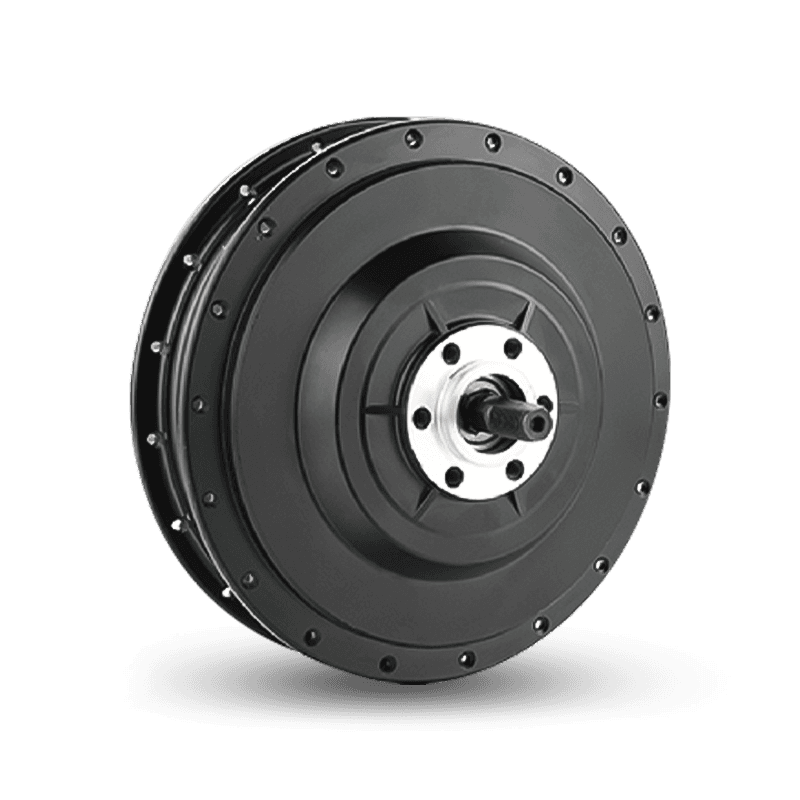 E-Type F500 Front Hub Motor
The E-Type F500 front hub motor is designed for E-Cargo and E-MTB bikes, offerin...
-
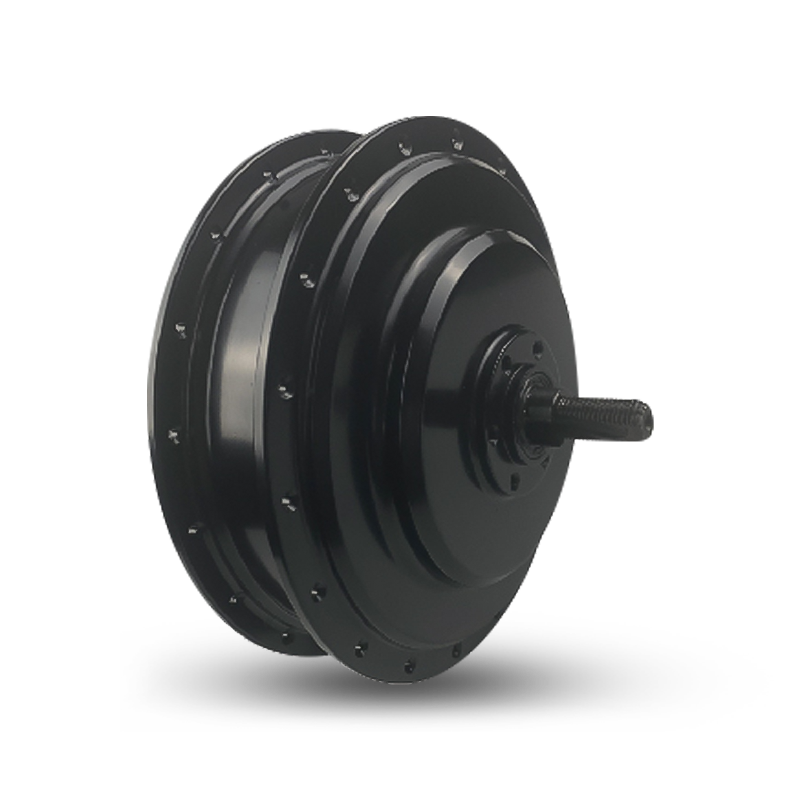 E-Type Pro RC750 Rear Hub Motor
The E-Type Pro RC750 Rear Hub Motor is designed for E-Cargo and E-MTB bikes, com...
-
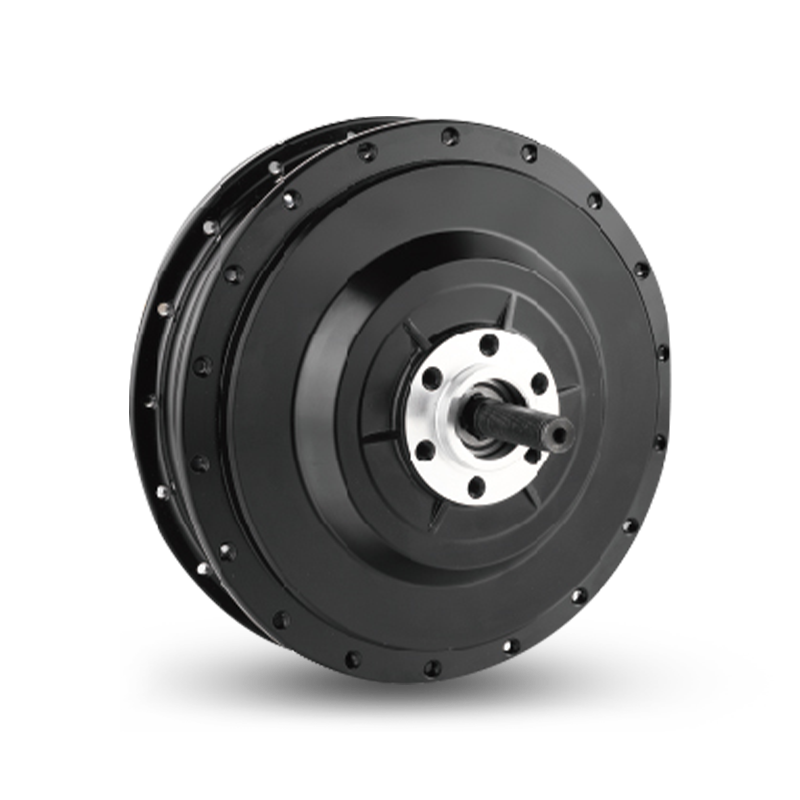 E-Type RF500 Rear Hub Motor
The E-Type RF500 Rear Hub Motor is designed for E-Cargo and E-MTB bikes, compati...
-
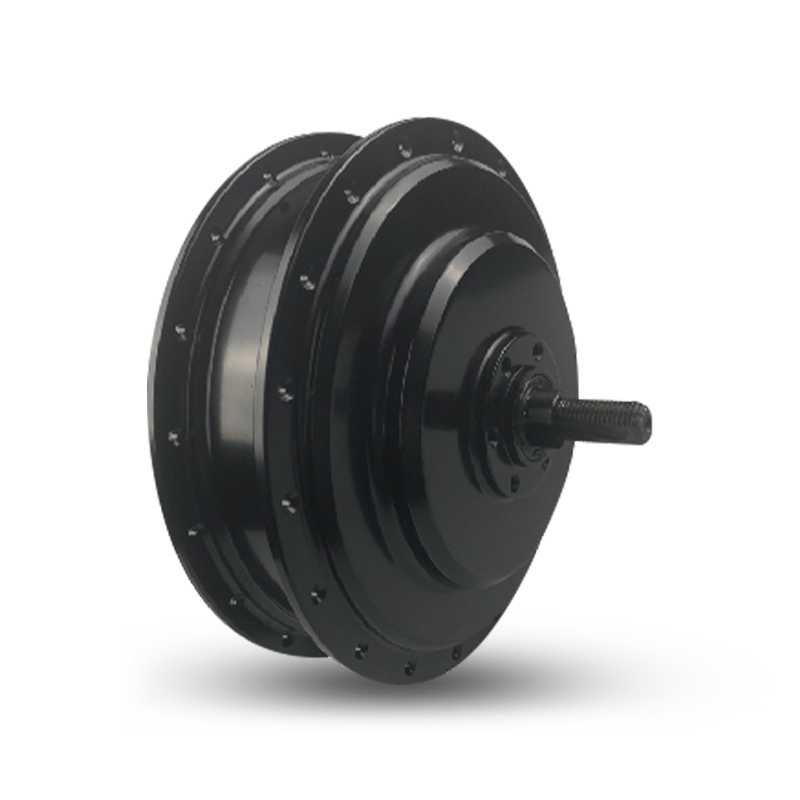 E-Type Pro RF750 Rear Hub Motor
The E-Type Pro RF750 Rear Hub Motor is designed for E-Cargo and E-MTB bikes, com...
-
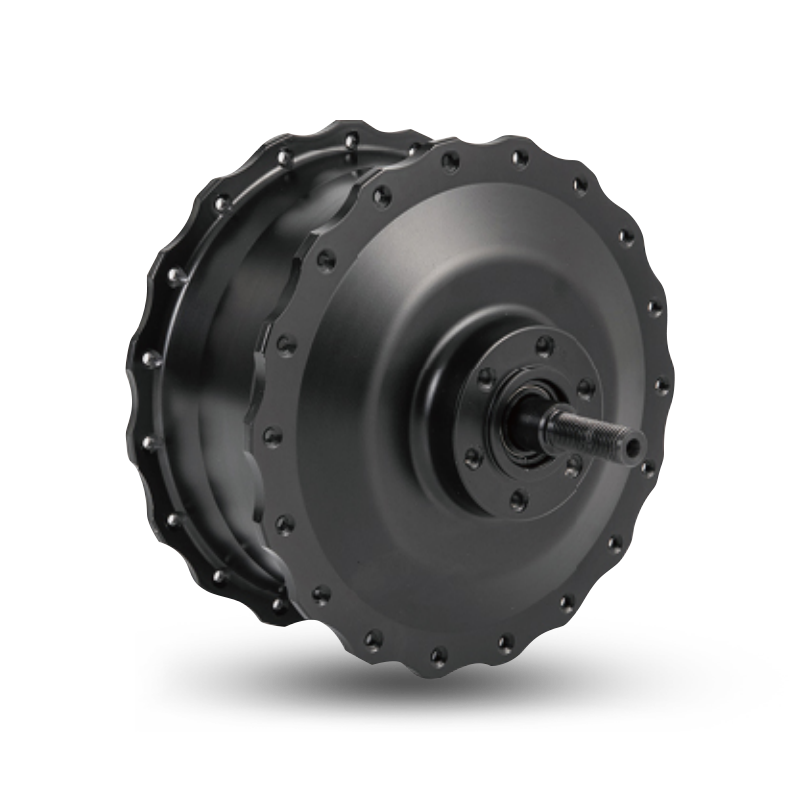 S-Type Pro F1500 Front Hub Motor
The S-Type Pro F1500 front hub motor, designed for E-Carao and E-Fat bikes, offe...
-
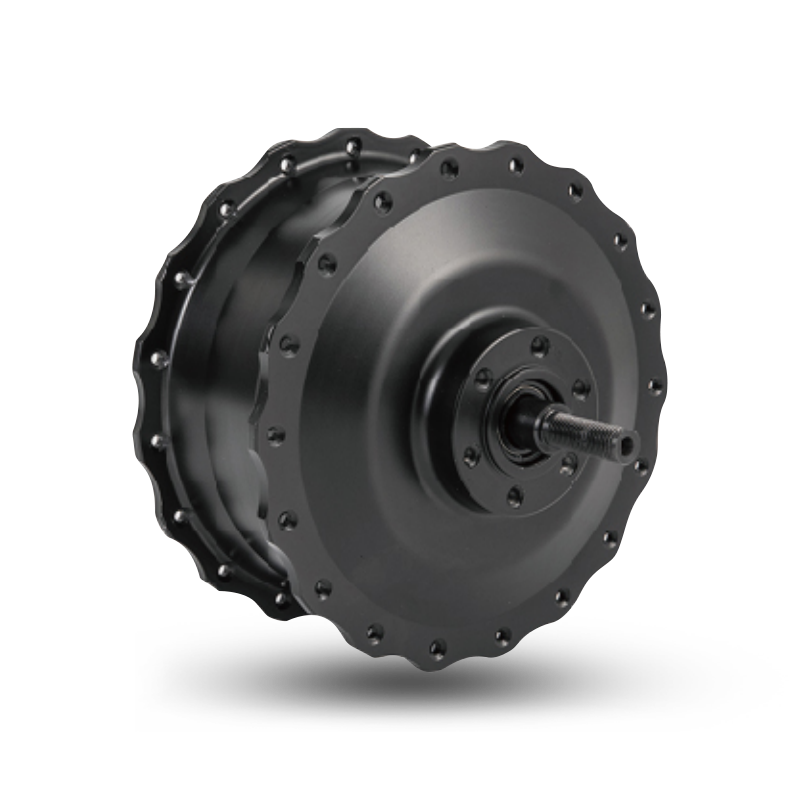 S-Type F750 Front Hub Motor
S-Type F750 is designed for E-Cargo and E-Fat. The rated power ranges from 500W ...
-
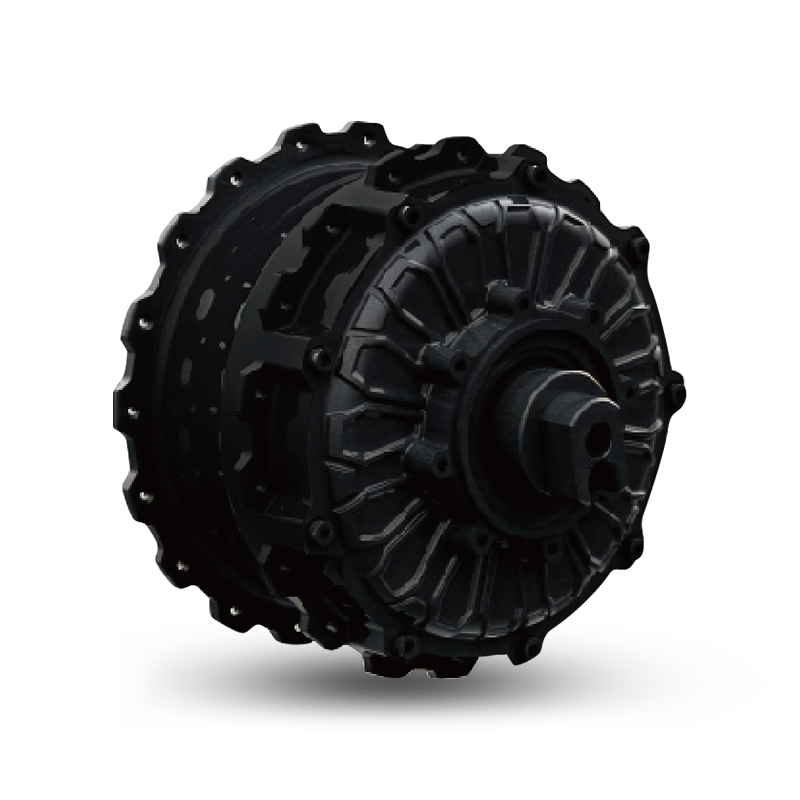 S-TYPE Max THRU AXLE Rear Hub Motor
The S-TYPE Max thru-axle motor is designed for E-Fat, Moped, and Cargo applicati...
-
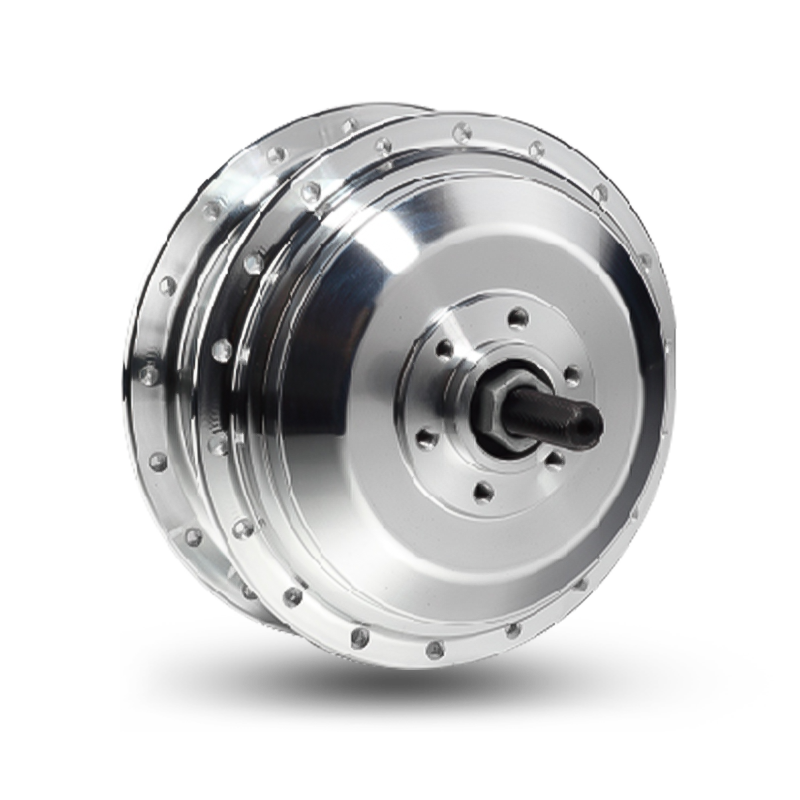 C-Type R350 Rear Hub Motor
The C-Type R350 Rear Hub Motor, designed for city e-bikes, offers a rated power ...
If you are interested in our products, please consult us
Contact Details
- Address:No. 3 Dingqiao Rd, Jiangshan Town, Yinzhou District, Ningbo, Zhejiang Province, China
- Phone: +86 13806662915
- Email: K.zhang@hengtai-cn.com
Products
Quick Link
News Center
Mobile terminal
