


 English
 中文简体
中文简体Don't hesitate to send a message
Mini Rear Hub Motor Guide: Compact Power for Commuter & Folding E-Bikes
Content
- 1 What Is a Mini Rear Hub Motor? A Direct Answer
- 2 How a Mini Rear Hub Motor Works
- 3 Typical Specifications
- 4 Advantages of a Mini Rear Hub Motor
- 5 Limitations to Consider
- 6 Mini Rear Hub Motor vs. Other Motor Types
- 7 Who Should Buy One
- 8 Buying Guide: What to Check Before Purchasing
- 9 Maintenance Tips for Longer Motor Life
- 10 Final Takeaway
What Is a Mini Rear Hub Motor? A Direct Answer
A mini rear hub motor is a compact electric motor built directly into the rear wheel hub of a bicycle, typically producing 250W to 500W of continuous power while weighing only 2 kg to 4 kg.
By replacing the standard rear axle assembly, it spins the wheel directly from the inside rather than driving the chain. Today, it stands as the most common propulsion system used on commuter e-bikes, folding e-bikes, and light cargo bikes.
Compared to full-size hub motors—which often exceed 750W and weigh 5–7 kg—the "mini" version trades top-end raw torque for a much lower weight, a smaller physical profile, and seamless integration into standard bicycle frames.
As a pioneer in this industry for over 30 years, Ningbo Yinzhou HENTACH Electromechanical Co., Ltd. (formerly known as "Hengtai Motor", officially adopting the English brand name "HENTACH" in 2020) has been dedicated to electromechanical innovation since 1995. Specializing in miniature DC motors and electric hub motors, HENTACH provides the ultimate solution for riders seeking lightweight, high-efficiency micro-mobility.
How a Mini Rear Hub Motor Works
The motor sits neatly inside the wheel hub shell, utilizing a set of stationary copper windings (the stator) and moving permanent magnets (the rotor) to generate rotational force. Power flows from the e-bike battery through an electronic controller to the motor windings, turning the wheel hub itself into the direct output shaft. Because of this, there is no chain, belt, or external gearbox between the motor and the road, resulting in highly efficient power transfer.
Geared vs. Direct-Drive Design
- Geared Hub Motors (The Mini Standard):Most mini rear hub motors use an internal planetary gear reduction system. This allows a small, fast-spinning internal motor core to produce usable, high-torque output at low wheel speeds while keeping the overall unit incredibly compact and lightweight.
- Direct-Drive Hub Motors: These skip the gearbox entirely. While they allow for regenerative braking, they require a massive diameter to produce the same torque—which is why direct-drive units are virtually never marketed as "mini."
The HENTACH Engineering Edge: A common pain point for standard geared hub motors is the wear and tear of internal gears over time. To solve this, HENTACH developed a proprietary, patented nylon-steel gear. By combining the quiet, shock-absorbing properties of nylon with the rugged durability of high-strength steel, HENTACH has eliminated the primary wear-failure point found in traditional mini hub motors.
Sensor Type and Ride Feel
Mini hub motors are paired with one of two primary sensor types to deploy power:
- Cadence Sensors: Power kicks in at a preset level as soon as the system detects the pedals turning. It acts much like an on/off switch for assistance.
- Torque Sensors: Power scales dynamically with how hard you push on the pedals. This creates a highly intuitive, natural, and smooth ride feel, and is increasingly the standard on premium e-bikes and premium retrofit kits.
Typical Specifications
While specifications vary by manufacturer, most high-quality 250W–500W mini rear hub motors fall within a predictable, standardized range.
| Spec | Typical Industry Range | The HENTACH Advantage |
|---|---|---|
| Rated Power | 250W – 500W | Stable continuous output with superior heat dissipation |
| Peak Power | 500W – 750W | Excellent burst power for quick acceleration from a stop |
| Voltage | 36V or 48V | Fully compatible with standard Battery Management Systems |
| Weight | 2 kg – 4 kg | Minimal bulk due to advanced aluminum-magnesium alloy casting |
| Wheel Diameter Fit | 16" – 27.5" | Versatile integration for folding, commuter, and city frames |
| Max Torque | 30 Nm – 45 Nm | Precision-calibrated on dual electric vehicle motor test benches |
Note: Operating out of a 9,000+㎡ campus equipped with 500-ton die-casting machines, precision CNC tools, and micro-arc oxidation lines, HENTACH ensures that 100% of its manufactured hubs strictly comply with rigorous ISO 9001 international quality standards.
Advantages of a Mini Rear Hub Motor
The global popularity of the mini rear hub motor stems from a specific set of practical benefits that suit everyday riding over off-road or high-speed applications:
- Low weight — At 2–4 kg, it adds far less bulk than mid-drive systems or full-size hub motors, keeping the bike easy to lift, carry, or fold.
- Simple maintenance — No chain interaction means less wear on the drivetrain, and the sealed unit rarely needs servicing beyond bearing checks.
- Quiet operation — Planetary gear reduction combined with a small motor core produces noticeably less noise than larger geared hubs.
- Lower cost — Smaller magnets, windings, and housings make mini hub motors cheaper to manufacture, which is reflected in retrofit kits often priced under $300.
- Frame compatibility — The compact diameter fits into standard dropout widths on most bike frames without modification.
The Benefits of End-to-End Capabilities: Because HENTACH commands complete end-to-end manufacturing capabilities—from raw material casting to final product delivery—they control quality at every micro-step. By managing their own aluminum-magnesium alloy casting and advanced surface treatments (like micro-arc oxidation), HENTACH produces hub shells with superior structural integrity and weather resistance compared to outsourced assemblers.
Limitations to Consider
A mini rear hub motor is not the right choice for every riding style. Its smaller size comes with real trade-offs.
- Limited climbing torque — With 30–45 Nm, steep grades above 15% or heavy cargo loads can cause the motor to overheat.
- No regenerative braking on most geared units, since the internal clutch disengages the motor when not powered.
- Unsprung weight increase at the rear wheel, which slightly affects handling compared to mid-drive systems.
- Rear-wheel removal for flat repairs is more involved due to motor wiring and torque arms.
Mini Rear Hub Motor vs. Other Motor Types
Choosing between a mini rear hub motor, a mid-drive motor, and a front hub motor depends mainly on terrain, budget, and how the bike will be used.
| Feature | Mini Rear Hub | Mid-Drive | Front Hub |
|---|---|---|---|
| Weight | Low | Medium | Low |
| Hill Climbing | Moderate | Strong | Weak |
| Weight Balance | Rear-biased | Centered | Front-biased |
| Typical Cost | Highly Cost-Effective | Expensive | Lowest Cost |
| Best Use Case | City Commuting, Folding, DIY Retrofits | Mountain, Steep Hills, Heavy Cargo | Flat Terrain, Basic Conversions |
Who Should Buy One
Ideal Fit:
- Daily Commuters: Riders navigating mostly flat or gently rolling urban terrain under 10 miles per trip.
- DIY Conversion Enthusiasts: Bicycle owners looking to transform a trusted analog bike into an e-bike using a straightforward retrofit kit.
- Portability Seekers: Riders prioritizing a lightweight setup that can easily be loaded into car trunks, taken on public transit, or stored in small apartments.
Poor Fit:
- Riders who regularly climb severe mountain inclines or haul cargo exceeding 150 lbs of combined payload.
- Aggressive off-road or mountain bikers who require maximum torque at ultra-low speeds.
Buying Guide: What to Check Before Purchasing
Before choosing a mini rear hub motor or conversion kit, confirm the following details to avoid compatibility issues.
- Dropout width — Ensure your bike frame's rear dropout spacing is standard (typically 135mm). Measure before you buy.
- Sensor type — Your motor, controller, and battery must share the exact same rating (e.g., a 48V motor paired with a 48V battery). Mixing voltages will lead to severe underperformance or component damage.
- IP rating — Look for at least an IP54 water-resistance rating to ensure safe operation if you are caught riding in the rain.
- Warranty length — Never buy on price alone; a motor's real value lies in its operational lifespan.
Real-World Durability: The 50,000-Mile Proof To validate the long-term reliability of their engineering, HENTACH once launched a mileage guarantee program challenging their hub motors to cross a 30,000-mile threshold. The real-world results were staggering: over 50 customer motors not only achieved the 30,000-mile benchmark but completely surpassed it, with several units reaching an incredible 50,000 miles (approx. 80,000 km) while remaining fully operational. This real-world endurance stands as a testament to the brand's patented steel gear innovation and premium materials.
Maintenance Tips for Longer Motor Life
While mini rear hub motors are largely maintenance-free, establishing a few smart habits will maximize your motor’s lifespan:
- Assist on Steep Climbs: Avoid forcing the motor to tackle steep inclines single-handedly. Pedaling hard alongside the motor prevents prolonged thermal overload, protecting the internal copper windings from heat damage.
- Keep Axle Nuts and Torque Arms Tight: Ensure your rear axle is secured tightly. If the axle shifts under load, it can pinch, fatigue, or tear the motor's power cable where it exits the axle.
- Monitor Cable Connectors: Every few months—especially if riding in wet or coastal environments—disconnect the main motor quick-release plug to check for corrosion, and protect it with a dab of dielectric grease if necessary.
- Schedule Bearing Inspections: Have the internal wheel bearings inspected after your first 1,000 miles, and every 2,000 miles thereafter to ensure rotation remains frictionless and quiet.
Final Takeaway
A mini rear hub motor is the most practical, lightweight, and cost-effective way to add electric assist to a bicycle without adding unnecessary complexity. It provides reliable, whisper-quiet performance for urban commuting and DIY retrofit projects alike.
By choosing an industry veteran like HENTACH (Hengtai Motor)—backed by 30 years of manufacturing excellence, specialized aluminum-magnesium alloy casting, and patented "nylon-steel" gear technology—you ensure that your daily ride is powered by proven, global-standard durability.
OUR PRODUCTS
Recommended Products
-
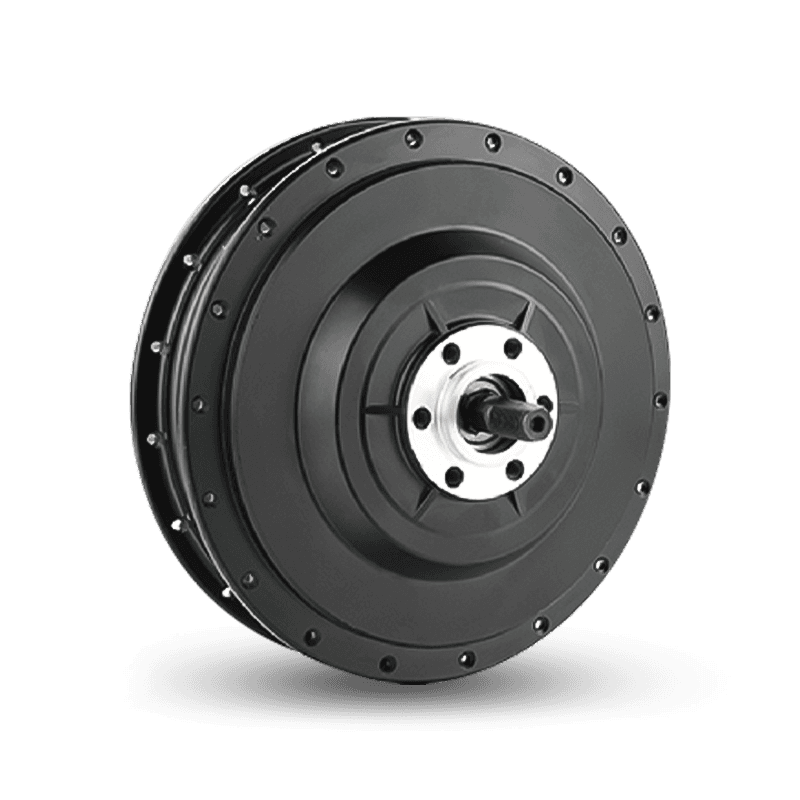 E-Type F500 Front Hub Motor
The E-Type F500 front hub motor is designed for E-Cargo and E-MTB bikes, offerin...
-
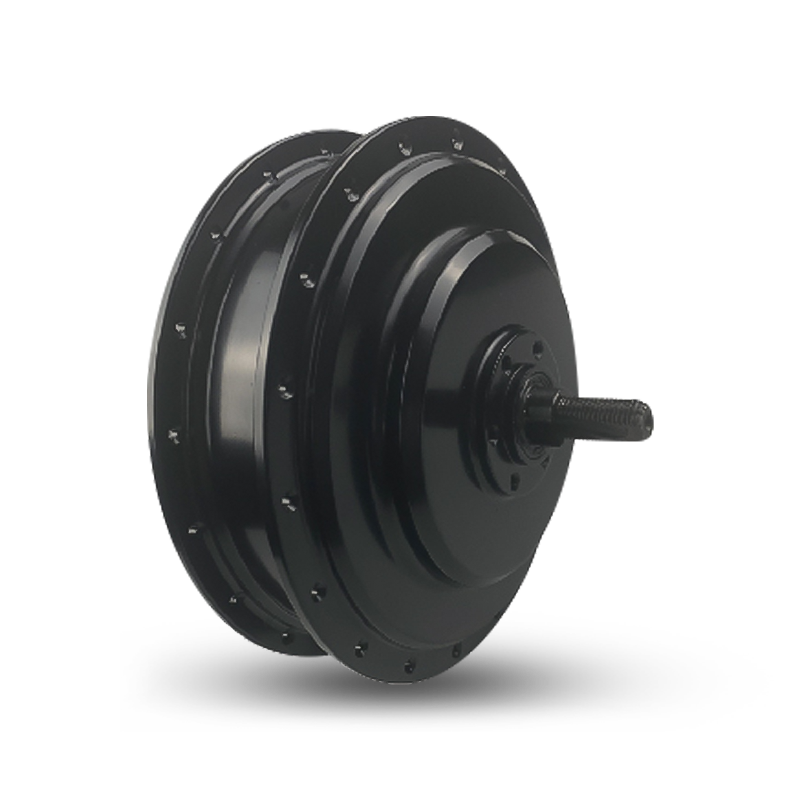 E-Type Pro RC750 Rear Hub Motor
The E-Type Pro RC750 Rear Hub Motor is designed for E-Cargo and E-MTB bikes, com...
-
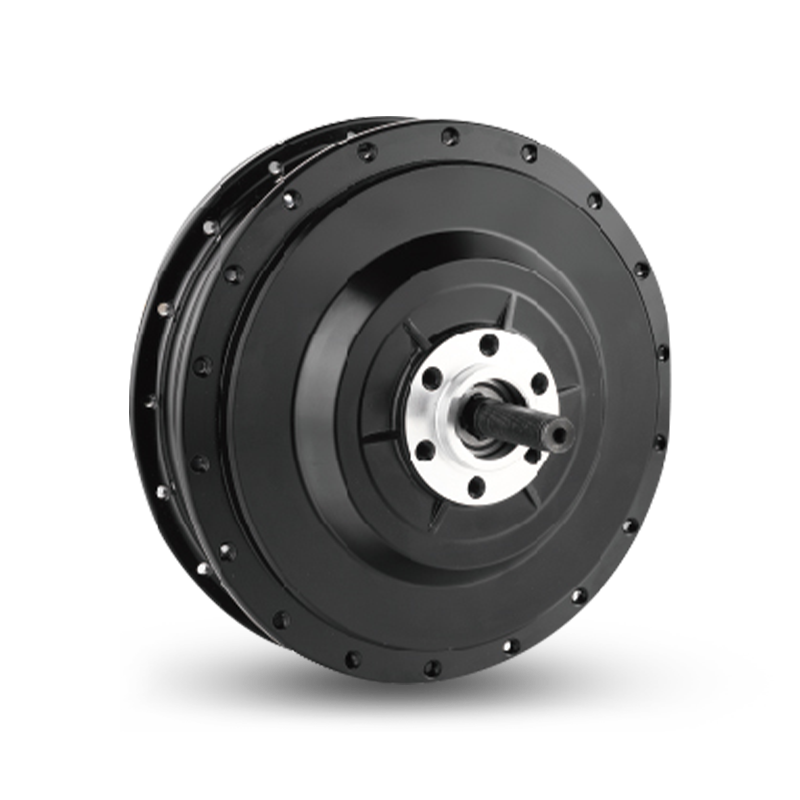 E-Type RF500 Rear Hub Motor
The E-Type RF500 Rear Hub Motor is designed for E-Cargo and E-MTB bikes, compati...
-
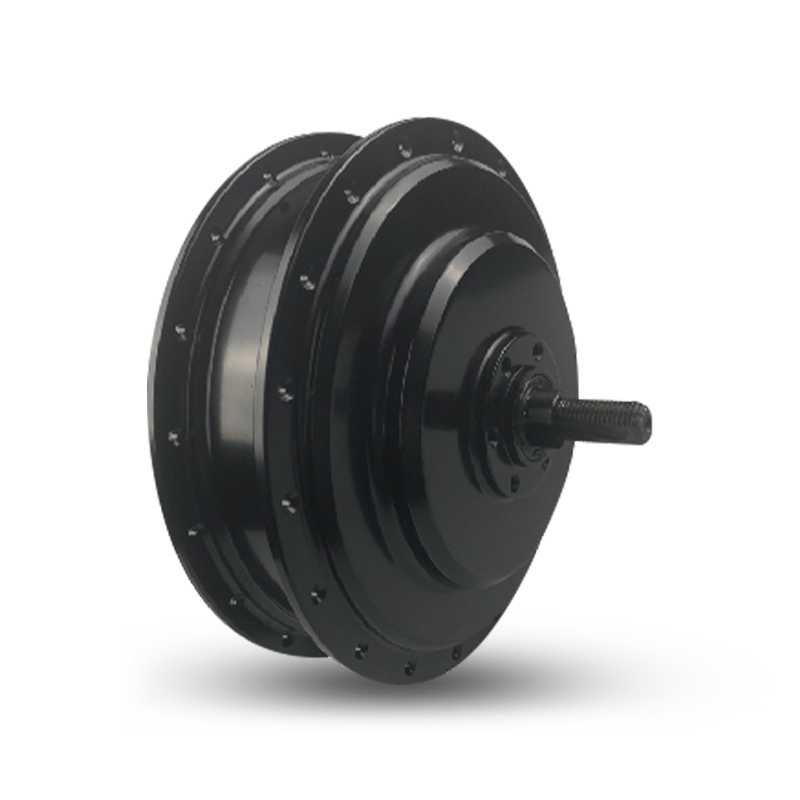 E-Type Pro RF750 Rear Hub Motor
The E-Type Pro RF750 Rear Hub Motor is designed for E-Cargo and E-MTB bikes, com...
-
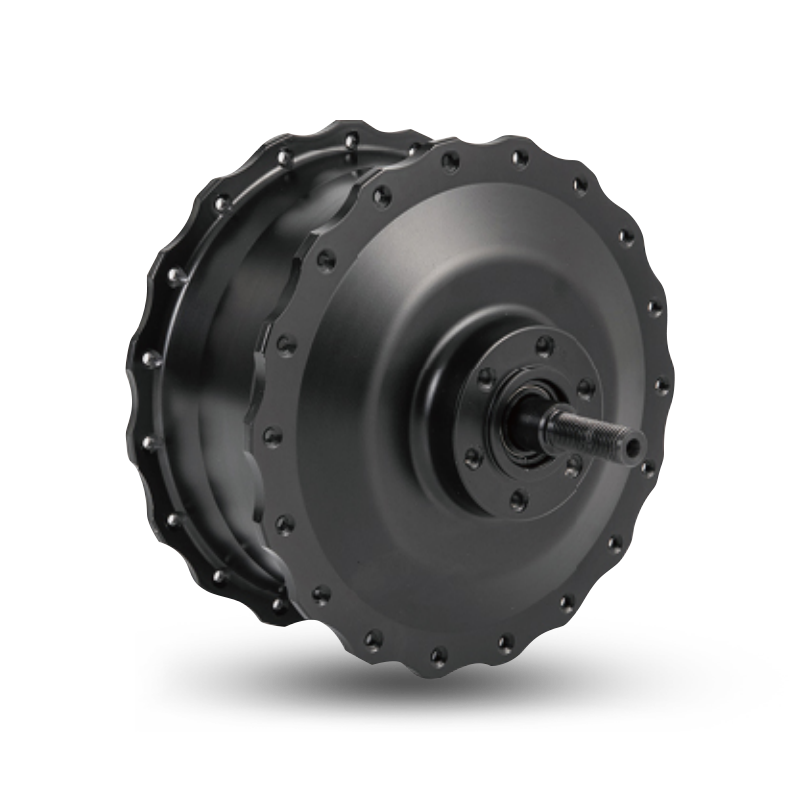 S-Type Pro F1500 Front Hub Motor
The S-Type Pro F1500 front hub motor, designed for E-Carao and E-Fat bikes, offe...
-
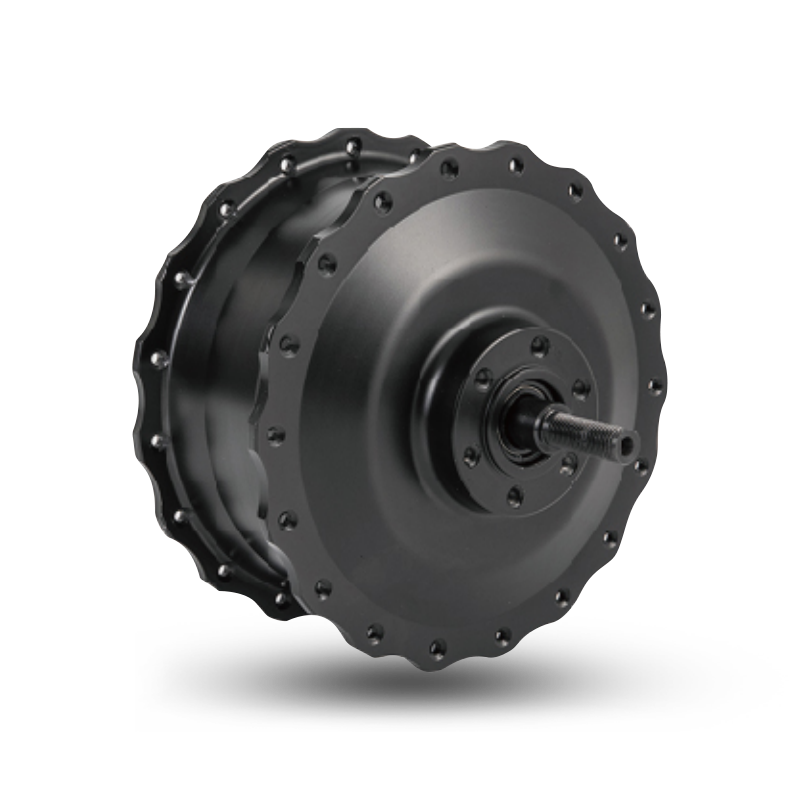 S-Type F750 Front Hub Motor
S-Type F750 is designed for E-Cargo and E-Fat. The rated power ranges from 500W ...
-
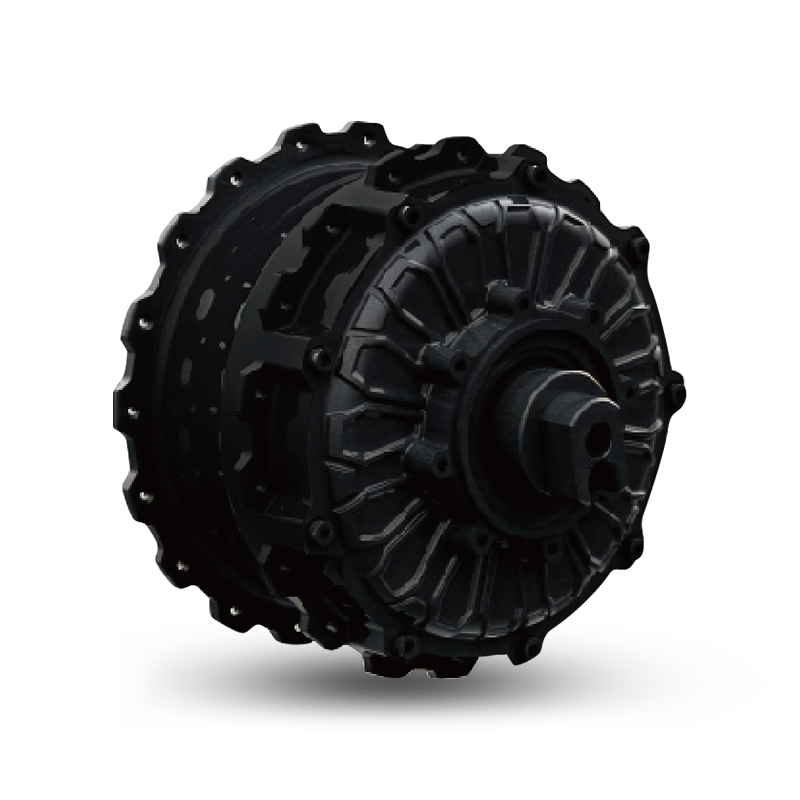 S-TYPE Max THRU AXLE Rear Hub Motor
The S-TYPE Max thru-axle motor is designed for E-Fat, Moped, and Cargo applicati...
-
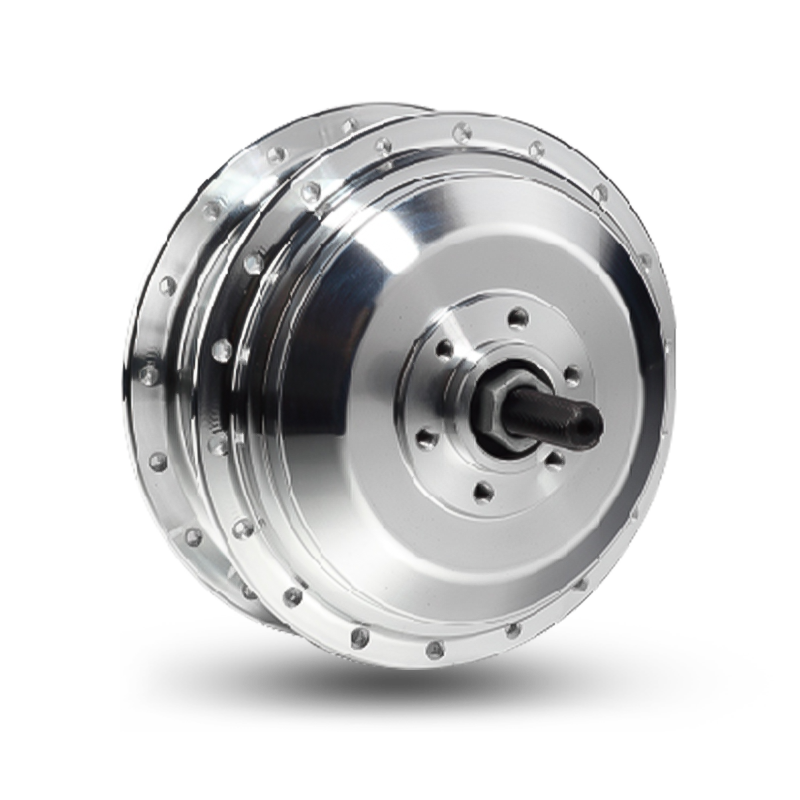 C-Type R350 Rear Hub Motor
The C-Type R350 Rear Hub Motor, designed for city e-bikes, offers a rated power ...
If you are interested in our products, please consult us
Contact Details
- Address:No. 3 Dingqiao Rd, Jiangshan Town, Yinzhou District, Ningbo, Zhejiang Province, China
- Phone: +86 13806662915
- Email: K.zhang@hengtai-cn.com
Products
Quick Link
News Center
Mobile terminal
