


 English
 中文简体
中文简体Don't hesitate to send a message
Pushing the Limits: The 3000W Geared Hub Motor Guide (Max Torque vs. Gear Longevity)
Content
- 1 How Geared Hub Motors Work and Why Power Level Changes Everything
- 2 Product Spotlight: The HENTACH S-TYPE MAX Thru-Axle Rear Hub Motor
- 3 3000W Geared Hub Motor vs. Direct Drive: Head-to-Head Comparison
- 4 Torque and Speed: What 3000W Actually Delivers on the Road
- 5 Thermal Management: The Critical Challenge at 3000W
- 6 Frame Compatibility and Safety Requirements
- 7 Is the 3000W Geared Hub Motor Right for Your Project?
A 3000W geared hub motor delivers exceptional low-speed torque and strong hill-climbing performance, but it traditionally sits at the absolute engineering limit of what planetary gear systems can reliably sustain. At this power level, gear longevity usually drops sharply compared to lower-wattage motors, heat becomes a critical constraint, and mechanical advantages are often offset by rapid wear.
For riders and builders who need the torque density and freewheeling characteristics of a geared motor at 2000W, it is achievable—but only with the right engineering. While the industry standard often forces a compromise or a shift to heavy direct-drive motors, Ningbo Yinzhou HENTACH Electromechanical Co., Ltd. (formerly Hengtai Motor) has shattered these limitations through 30 years of electromechanical innovation and proprietary patented gear technology.
How Geared Hub Motors Work and Why Power Level Changes Everything
A geared hub motor uses an internal planetary gear reduction system to allow a small, high-speed rotor to drive a larger, slower-turning wheel hub. The rotor spins at 3,000–5,000 RPM internally while the wheel turns at 200–400 RPM — the gear reduction ratio (typically 4:1 to 6:1) multiplies torque and allows the motor to operate in its efficient power band across a wider speed range than a direct drive motor of equivalent size.
This architecture creates two fundamental advantages:
- Higher torque per kilogram of motor weight
- A freewheeling clutch that disengages the motor from the wheel when unpowered, eliminating the cogging drag that makes direct drive motors feel heavy to pedal without assist.
These advantages make geared hub motors the dominant choice across 250W–1000W e-bikes. At 3000W, however, the physics change. The planetary gear set — three to four planet gears orbiting a sun gear inside a ring gear — must transmit extreme rotational forces through gear teeth that are only a few millimetres wide. The contact stress on each tooth increases with the square of the torque. This is why 3000W geared hub motors are incredibly rare in OEM products and common only in purpose-built performance or off-road applications.
Gear Material: The HENTACH Breakthrough
The single most important variable in a high-power geared hub motor is the planetary gear material. Traditionally, the market has been divided into three classes:
- Nylon/Polymer Gears: Standard up to 500W; they will strip within minutes at 3000W.
- Sintered Steel Gears: Found in 750W–1500W motors; they suffer from high wear rates, excessive weight, and loud acoustic noise under heavy stress.
- Hardened Alloy Steel Gears: Provide acceptable longevity but add substantial unsprung weight to the wheel.
The Ultimate Solution: HENTACH’s Patented Plastic-Steel Gears
To solve this industry dilemma, HENTACH (Hengtai Motor) engineered a proprietary, patented plastic-steel gear.
The HENTACH Advantage: In e-bike applications exceeding 1000W, traditional gears fail under sustained heavy loads. Our patented
deliver five times the torque capacity of traditional nylon gears. It is the only hybrid gear technology capable of withstanding continuous extreme loads while maintaining a lightweight profile and whisper-quiet operation.
Product Spotlight: The HENTACH S-TYPE MAX Thru-Axle Rear Hub Motor
Designed specifically for E-Fat, Moped, and Cargo applications, the S-TYPE MAX represents the pinnacle of HENTACH's 30 years of manufacturing excellence. Built inside our ISO 9001-certified 9,000+㎡ campus utilizing advanced 500-ton die-casting machines and precision CNC tools, the S-TYPE MAX is engineered to turn the theoretical potential of a 3000W geared motor into real-world dominance.
Key Specifications of the S-TYPE MAX:
- Rated Power: 3000W under high-voltage configurations.
- Peak Torque: Over 240 Nm—obliterating standard industry caps for unparalleled acceleration on steep slopes, deep sand, and complex terrains.
- Structure: Standard 12mm thru-axle structure with a 190mm dropout, perfect for modern high-end E-Fat and heavy cargo frames.
Proven Lifespan: While standard metal gears in high-power motors estimate a wear life of 8,000 to 20,000 km under heavy strain, the S-TYPE MAX lasts over 40,000 km (25,000+ miles), drastically reducing maintenance costs.
3000W Geared Hub Motor vs. Direct Drive: Head-to-Head Comparison
At the 3000W power level, the geared vs. direct drive decision involves significant trade-offs. The following comparison covers the factors that matter most to builders and buyers at this power class.
| Factor | Standard 3000W Direct Drive Motor | HENTACH S-TYPE MAX (3000W Geared) |
|---|---|---|
| Weight | Very Heavy (8.5–11.0 kg) | Lightweight (Optimized Core) |
| Peak torque | 130–160 Nm | >240 Nm (Via Gear Reduction) |
| Regenerative braking | Yes (8–15% recovery) | No (Freewheeling Clutch) |
| Pedalling without assist | Heavy (Severe cogging drag) | Light & Smooth (Zero Drag) |
| Service Life | 30,000–50,000 km | Over 40,000 km (Proven) |
| Best Application | Flat, sustained high-speed cruising | Extreme hill climbing, off-road, heavy cargo |
The geared motor's weight advantage is most pronounced here: a 2000W geared hub at 5.5 kg versus a 2000W direct drive at 8.5 kg represents a 3 kg difference in unsprung wheel mass — significant for handling, acceleration feel, and spoke stress on the driven wheel.
Torque and Speed: What 3000W Actually Delivers on the Road
Actual road performance depends heavily on the motor's winding (KV rating), the battery voltage, and controller current settings. The following scenarios illustrate estimated real-world output for a well-built 3000W geared hub system:
| Battery Voltage | Controller Current | Top Speed (flat) | Hill Climb (15% grade, 100 kg rider) | 0–40 km/h Time (approx.) |
|---|---|---|---|---|
| 52V | 60A (~3,120W) | 60–68 km/h | 30–35 km/h sustained | ~4.5 seconds |
| 72V | 42A (~3,024W) | 75–85 km/h | 38–45 km/h sustained | ~3.5 seconds |
A 72V configuration produces the target 3000W from the battery but at a lower current, which means less heat in wiring, controller MOSFETs, and battery connections. At equal wattage, a higher voltage system runs cooler and more efficiently—a compelling reason to choose higher voltage in a 3000W geared hub build to safeguard system electronics and keep gear teeth stresses optimized.
Thermal Management: The Critical Challenge at 3000W
HENTACH validates every motor design on our dual dedicated electric vehicle motor test benches. To safely manage a 3000W output, we recommend utilizing controllers equipped with NTC thermistor temperature sensing to automatically taper current if internal temperatures reach 110°C–130°C under continuous 15%+ grade hill climbs.
Time-to-Overheat Under Sustained Load
In real-world testing, a high-power geared hub motor carrying a 100 kg rider up a continuous 12% grade will reach 130°C stator temperature within 6–9 minutes of sustained full-power climbing. Performance winding insulation (Class H, 180°C rated) provides an additional 5–7 minutes of thermal headroom before entering the damage zone.
Compare this to a massive 3000W direct drive hub which can sustain the same load for 18–25 minutes before reaching equivalent temperatures. This gap makes the geared motor better suited for short, intense, high-torque climbs rather than extended, hours-long continuous mountain ascents.
Practical Heat Mitigation Strategies
- Motor temperature sensor:A 10kΩ NTC thermistor inserted through the axle cable port allows the controller to monitor temperature in real time, beginning current tapering at 110°C to protect the core.
- High-temperature winding insulation:Class H (180°C) or Class C (220°C) magnet wire raises the thermal damage threshold significantly.
Reduced current at low speed: Programming the controller to limit current below 10 km/h significantly reduces heat accumulation during the most stressful part of the slow-speed, high-torque power cycle.
Frame Compatibility and Safety Requirements
A 3000W geared hub motor generates over 240 Nm of reaction torque at the axle under full power. Without proper frame preparation, this extreme torque will rotate the motor axle within the dropout, causing a catastrophic failure mode.
- Torque arms — mandatory:Double-sided steel torque arms are non-negotiable. Each arm should be fabricated from minimum 4mm thick steel plate and bolted securely to the frame.
- Frame material:High-grade steel (chromoly) or specialized heavy-duty cargo/moped frames are required. Standard aluminum frames can crack under repeated 240+ Nm torque impulses unless heavily reinforced.
- Braking system:At the speeds achievable with a 3000W system (60–85 km/h), 4-piston hydraulic disc brakes with 203mm or 220mm rotors front and rear are the minimum safe specification.
Wheel build: Use a heavy-duty 36-spoke rim laced with thick 13G (2.3mm) or 12G (2.6mm) stainless steel double-butted spokes, professionally tensioned to withstand massive launching torque.
Is the 3000W Geared Hub Motor Right for Your Project?
If your application demands maximum launching torque (240+ Nm), lightweight agility, and effortless pedaling without battery power—all packaged into a stealthy, compact hub—the 3000W geared hub motor is unrivaled.
With HENTACH’s S-TYPE MAX, the traditional risks of stripped gears, short maintenance cycles, and component failure at ultra-high wattages are eliminated. Whether you are building high-performance E-Fat bikes, heavy-duty cargo vehicles, or off-road electric mopeds, trust the brand known globally for precision manufacturing and proven durability.
For inquiries regarding OEM manufacturing, custom winding configurations, or bulk orders of the S-TYPE MAX 3kW / 240+ Nm Motor, contact the HENTACH engineering team today.
OUR PRODUCTS
Recommended Products
-
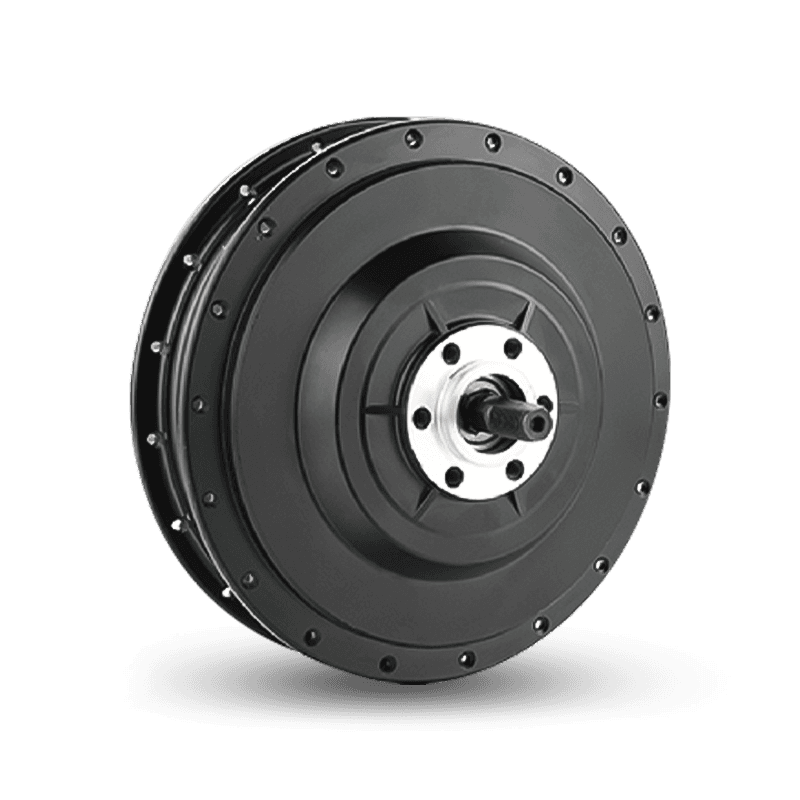 E-Type F500 Front Hub Motor
The E-Type F500 front hub motor is designed for E-Cargo and E-MTB bikes, offerin...
-
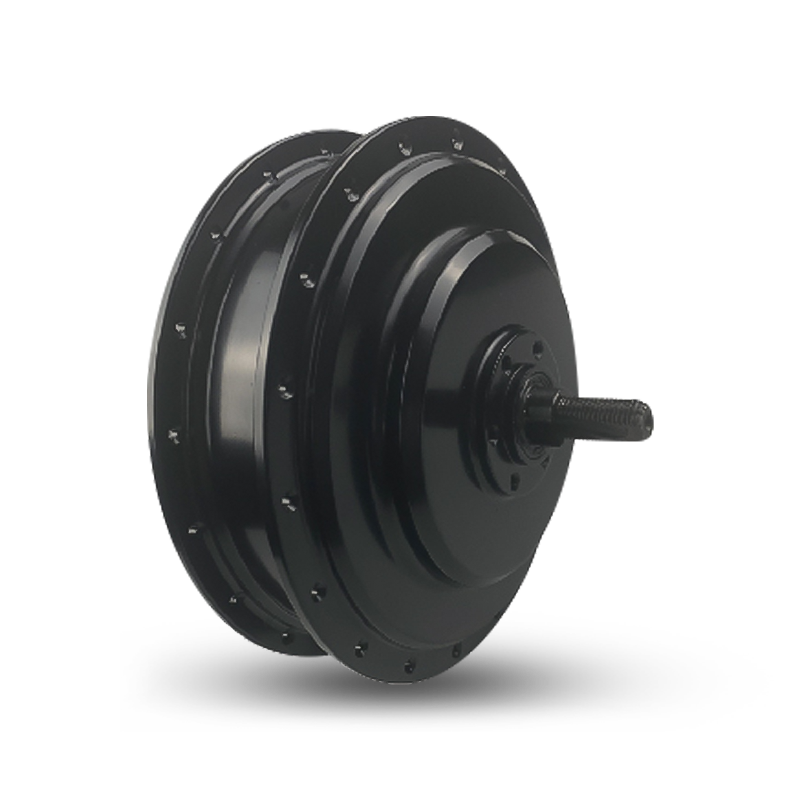 E-Type Pro RC750 Rear Hub Motor
The E-Type Pro RC750 Rear Hub Motor is designed for E-Cargo and E-MTB bikes, com...
-
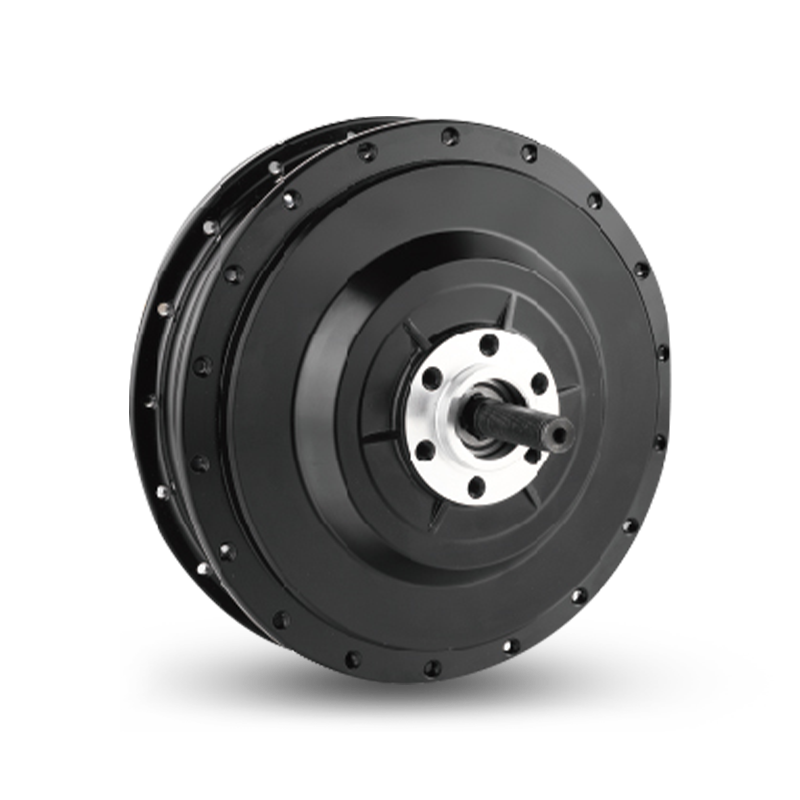 E-Type RF500 Rear Hub Motor
The E-Type RF500 Rear Hub Motor is designed for E-Cargo and E-MTB bikes, compati...
-
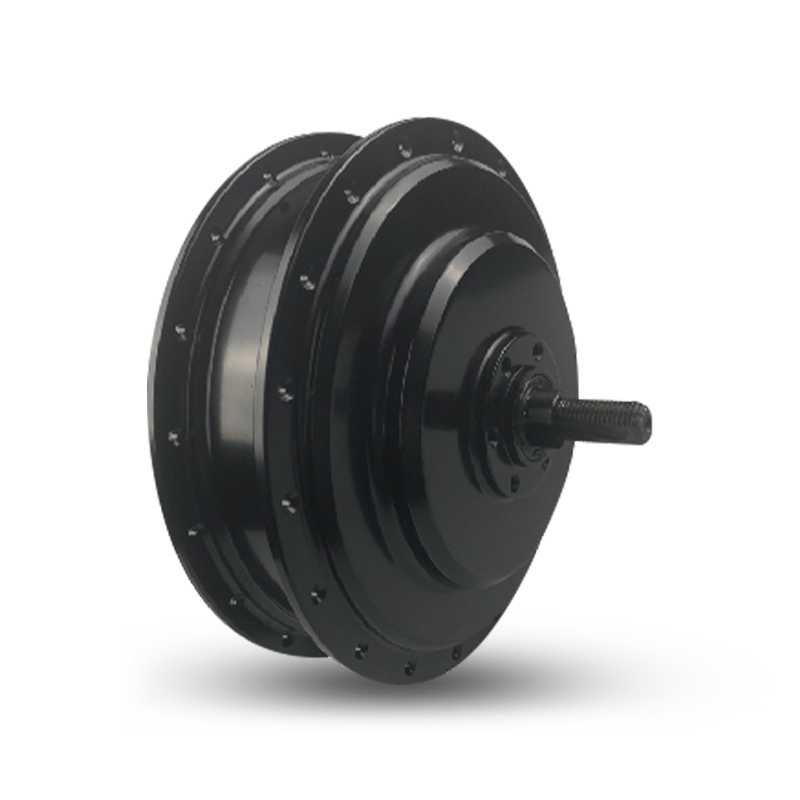 E-Type Pro RF750 Rear Hub Motor
The E-Type Pro RF750 Rear Hub Motor is designed for E-Cargo and E-MTB bikes, com...
-
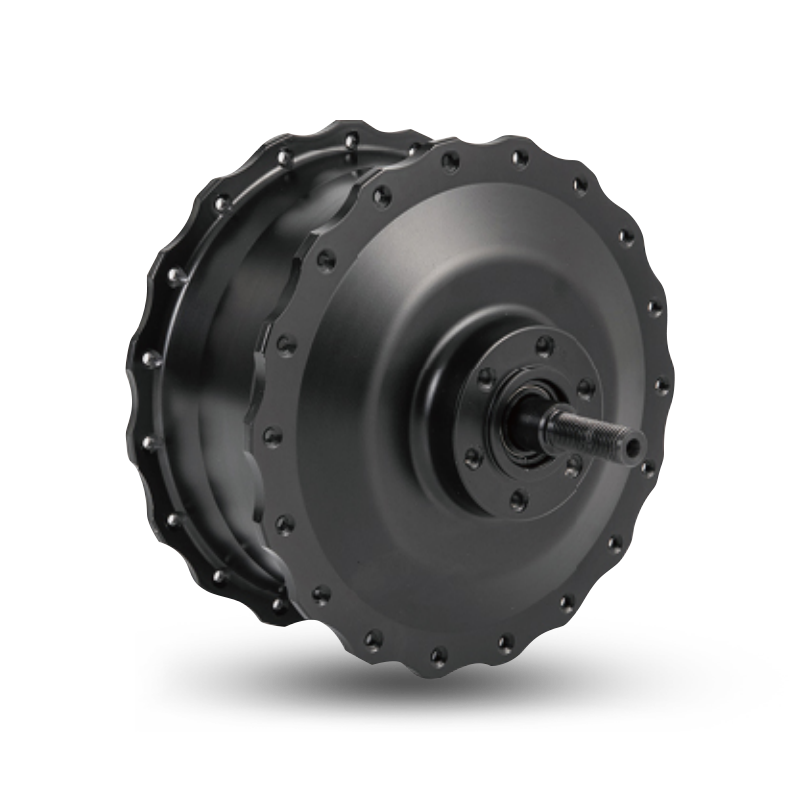 S-Type Pro F1500 Front Hub Motor
The S-Type Pro F1500 front hub motor, designed for E-Carao and E-Fat bikes, offe...
-
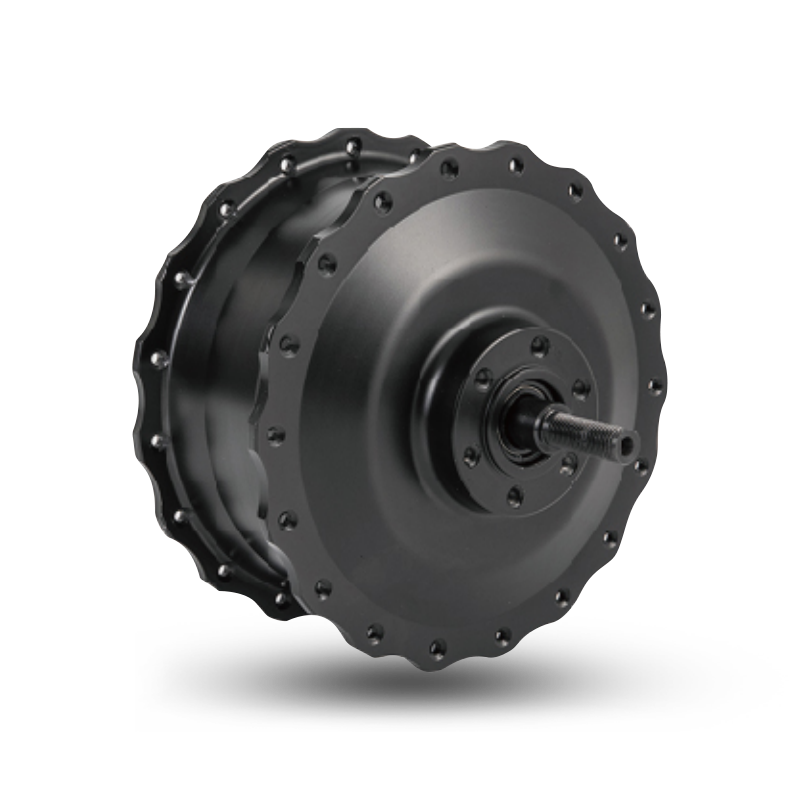 S-Type F750 Front Hub Motor
S-Type F750 is designed for E-Cargo and E-Fat. The rated power ranges from 500W ...
-
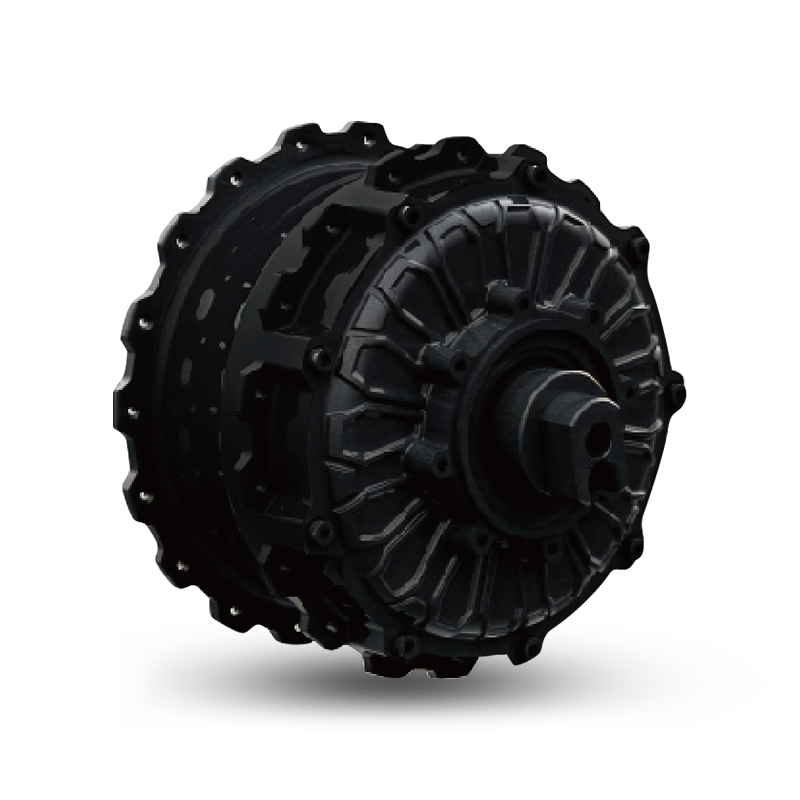 S-TYPE Max THRU AXLE Rear Hub Motor
The S-TYPE Max thru-axle motor is designed for E-Fat, Moped, and Cargo applicati...
-
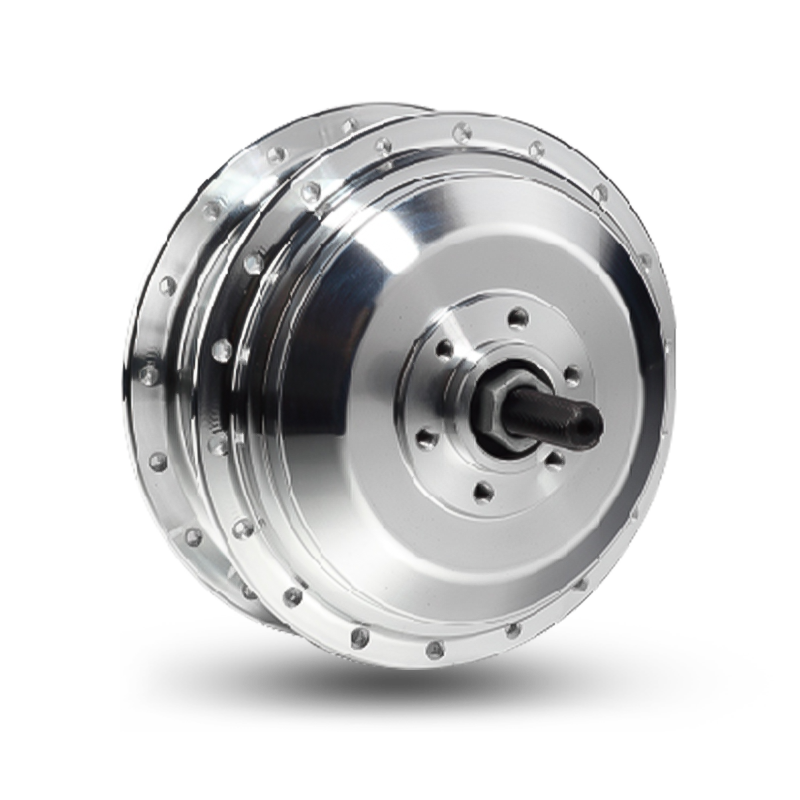 C-Type R350 Rear Hub Motor
The C-Type R350 Rear Hub Motor, designed for city e-bikes, offers a rated power ...
If you are interested in our products, please consult us
Contact Details
- Address:No. 3 Dingqiao Rd, Jiangshan Town, Yinzhou District, Ningbo, Zhejiang Province, China
- Phone: +86 13806662915
- Email: K.zhang@hengtai-cn.com
Products
Quick Link
News Center
Mobile terminal
