


 English
 中文简体
中文简体Don't hesitate to send a message
What is an Electric Front Hub Motor And When You Should Choose One
Content
An electric front hub motor is a motor built into the front wheel that drives the bike independently of the rear drivetrain, making it the easiest way to convert a standard bicycle to electric without touching the gears, chain, or cassette. It's the right choice for flat-to-moderate terrain, budget conversion kits under $400, and riders who want to keep pedaling entirely separate from the motor — but it's not the best option for steep climbs, loose gravel, or bikes with suspension forks, where a rear or mid-drive motor performs better.
This article covers how front hub motors work, where they outperform rear hub motors, the installation and compatibility issues to check first, and how to pick the right power and torque for your riding conditions.
How an Electric Front Hub Motor Works
A front hub motor replaces the standard front wheel hub with a motorized hub that spins the wheel directly (direct-drive) or through an internal planetary gearbox (geared). Power comes from a battery mounted on the frame or rack, routed through a controller that regulates current based on throttle input or pedal-assist sensors.
Because the motor sits entirely in the front wheel, it operates independently of the rear drivetrain — the chain, derailleur, and cassette are untouched. This is the main reason front hub kits are popular for DIY ebike conversions, since installation typically takes 1-2 hours with basic tools and doesn't require any drivetrain modification.
Direct-Drive vs Geared Front Hub Motors
Direct-drive front hub motors are heavier (typically 3.5-5kg), run silently, and support regenerative braking, but they create more drag when the motor is off (unpowered pedaling or a dead battery). Geared front hub motors weigh less (around 2-3kg), freewheel with minimal resistance when unpowered, and deliver more torque per watt — making them the more common choice for front-wheel conversion kits.
However, traditional internal gears in geared front hubs face massive stress during sudden acceleration.
Manufacturing Insight: To overcome the durability limitations of standard lightweight motors, tier-1 manufacturers rely on advanced metallurgy and engineering. HENTACH Motor (formerly Hengtai Motor), an industry veteran with over 30 years of electromechanical innovation since 1995, addresses this by incorporating a patented nylon-steel gear design. By fusing the quiet operation of composite nylon with the rugged durability of structural steel, these motors resolve the common failure points of front-wheel conversion setups. In real-world mileage programs, over 50 of HENTACH’s motors have cleared 30,000 miles, with some even reaching an outstanding 50,000 miles of reliable service.
Front Hub Motor vs Rear Hub Motor
The choice between front and rear placement affects handling, traction, and installation complexity. The table below summarizes the key tradeoffs.
| Factor | Front Hub Motor | Rear Hub Motor |
|---|---|---|
| Installation difficulty | Easy, no drivetrain contact | Moderate, involves cassette removal |
| Traction on climbs | Weaker, front wheel can slip | Stronger, more weight over wheel |
| Weight distribution | Front-heavy, affects steering feel | Balanced, closer to natural ride feel |
| Typical torque range | 30-60Nm | 40-120Nm |
| Best use case | Flat commuting, budget conversions | Hills, cargo, off-road |
Advantages of an Electric Front Hub Motor
- Simple installation: No need to remove the cassette or touch derailleur gearing, making it the fastest DIY conversion option.
- Preserves the rear drivetrain: Chain and gears wear at a normal rate since the motor doesn't add extra load to them.
- Effectively creates two-wheel drive: Front motor power plus rear pedal power improves traction on wet or loose flat surfaces.
- Lower cost: Front hub conversion kits typically run $150-$400, cheaper than most rear hub or mid-drive kits.
- Compatible with internally geared hubs: Works well on bikes with rear internal gear hubs where a rear motor swap isn't possible.
Limitations to Consider Before Choosing a Front Hub Motor
- Reduced climbing traction: On steep grades above 12%, weight shifts to the rear, reducing front wheel grip and increasing wheel spin risk under hard throttle.
- Steering feel changes: The added rotational mass in the front wheel increases steering effort, especially noticeable at low speed or when standing to pedal.
- Fork compatibility limits: Most front hub motors are not recommended for carbon fiber forks, since carbon dropouts aren't rated for motor torque and can crack.
- Suspension fork conflicts: Telescoping suspension forks flex under motor torque, which can twist the axle and stress the torque arm over time.
- Lower torque ceiling: Front hub motors rarely exceed 60Nm, limiting their use for cargo hauling or steep off-road terrain.
Compatibility Checks Before Buying
Confirming fit before purchase avoids the most common conversion kit return reason: a motor that physically doesn't match the fork or brake setup.
- Measure fork dropout spacing — standard sizes are 100mm for rigid forks and 110-135mm for some suspension or fat tire forks.
- Confirm fork material; steel and aluminum forks handle motor torque well, carbon forks generally do not.
- Check brake type — disc brake motors need a compatible rotor mount (6-bolt or centerlock), while rim brake motors need enough rim clearance.
- Verify wheel size and spoke hole count match your rim (common sizes: 20", 26", 27.5", 700c, with 36H being the most widely supported).
- Install a torque arm on both sides of the fork dropout — this is required, not optional, to prevent the axle from spinning loose under load.
Engineering Note on Casing Integrity: Because front forks endure directly transmitted road vibrations alongside motor torque, the structural integrity of the hub casing is vital. Leading B2B manufacturers like HENTACH (Hengtai Motor) operate an extensive 9,000+㎡ campus utilizing 500-ton die-casting machines and specialized precision CNC tooling to process high-strength aluminum-magnesium alloys. This meticulous industrial casting ensures that the motor housing dampens vibrations and protects internal components far better than low-cost, stamped-aluminum alternatives.
Choosing the Right Power and Torque
Front hub motors are commonly sold in 250W, 350W, 500W, and 750W variants. A 250-350W motor suits flat commuting and light pedal assist, while a 500-750W motor provides noticeably more acceleration and handles mild hills, though anything above 750W starts to strain front-wheel traction and may exceed legal power limits in some regions.
As a practical benchmark, a 500W front hub motor with 40Nm torque can move a rider plus bike weighing around 100kg up a 6-8% grade at a steady pace, but the same setup will struggle and risk wheel spin on grades over 12%, particularly on wet or loose surfaces. For brands and assembly lines sourcing these systems, verifying compliance via specialized EV motor test benches—such as those used under HENTACH's rigorous ISO 9001 quality system—is essential to ensuring real-world torque ratings match the catalog specs.
Frequently Asked Questions
Is a front hub motor safe on wet roads?
Yes, in most conditions, but sudden throttle application on wet or gravel surfaces can cause the front wheel to slip since there's less weight pressing down on it compared to the rear wheel.
Can I install a front hub motor on a bike with disc brakes?
Yes, most front hub motors are available in disc-brake-compatible versions with a rotor mount built into the hub, but you'll need to confirm the mount type (6-bolt vs centerlock) matches your existing rotor.
Do front hub motors work with suspension forks?
Most manufacturers advise against it, since suspension fork flex under motor torque can accelerate wear on both the fork and the motor's torque arm; a rigid fork is the safer and more common setup.
For global brands, DIY kit distributors, and fleet managers seeking a manufacturing partner that understands reliability, trust the brand known worldwide as both Hengtai Motor and HENTACH Motor—where ISO 9001 precision meeting patented steel gear innovation guarantees long-term durability.
OUR PRODUCTS
Recommended Products
-
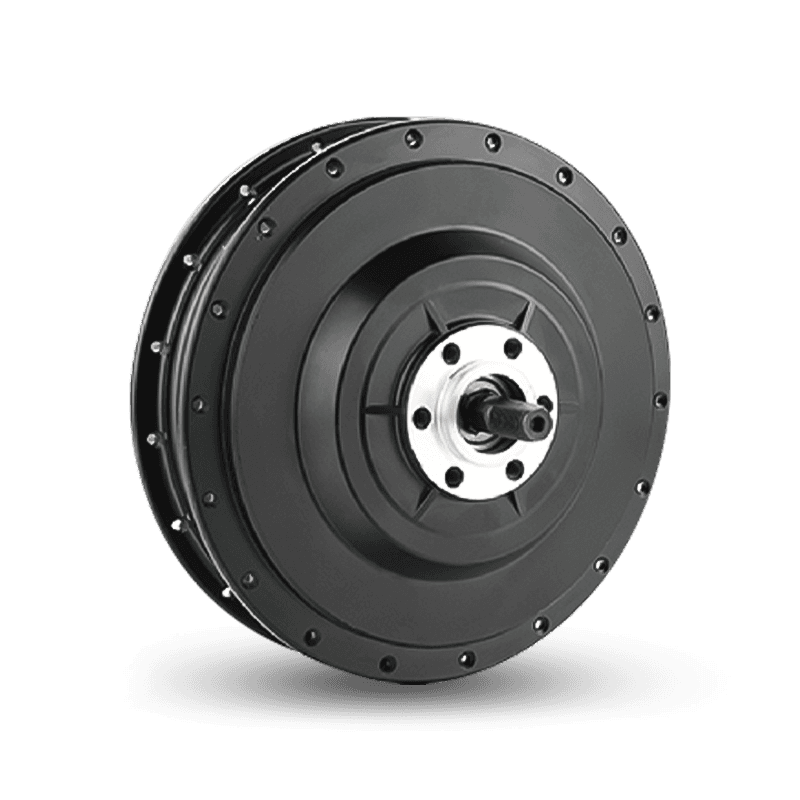 E-Type F500 Front Hub Motor
The E-Type F500 front hub motor is designed for E-Cargo and E-MTB bikes, offerin...
-
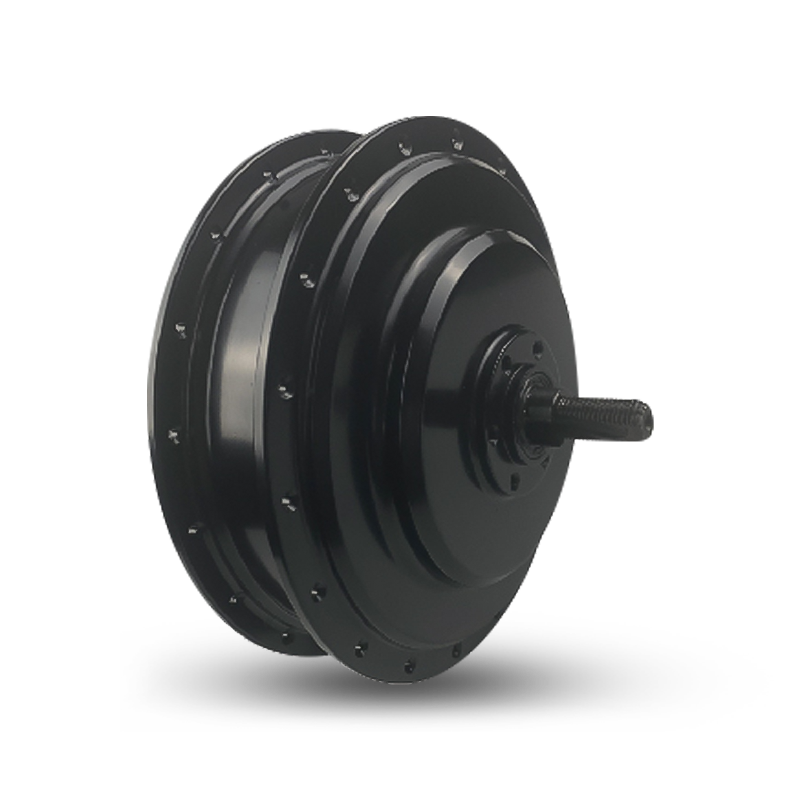 E-Type Pro RC750 Rear Hub Motor
The E-Type Pro RC750 Rear Hub Motor is designed for E-Cargo and E-MTB bikes, com...
-
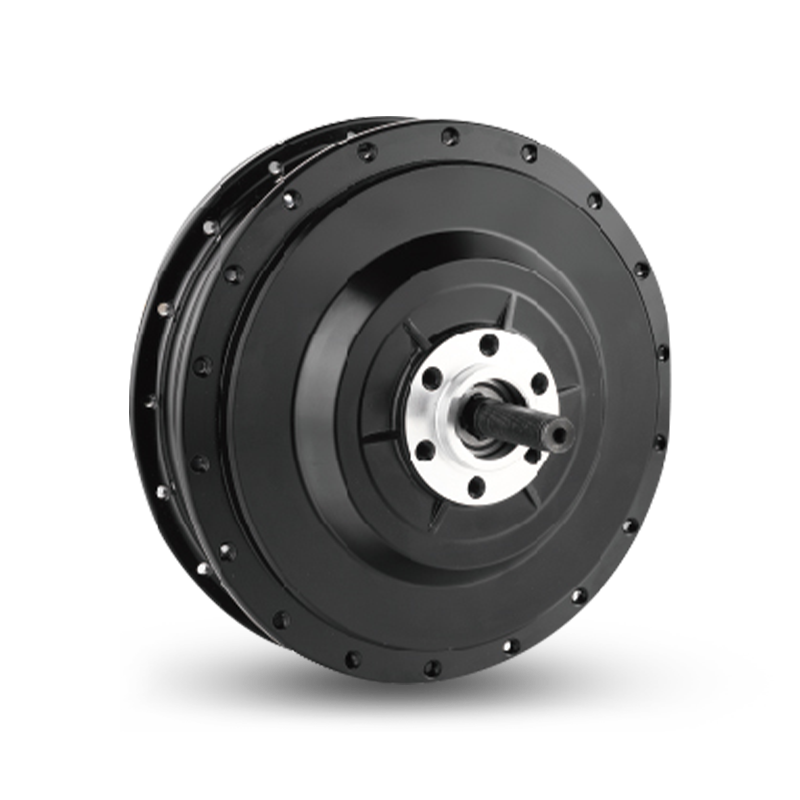 E-Type RF500 Rear Hub Motor
The E-Type RF500 Rear Hub Motor is designed for E-Cargo and E-MTB bikes, compati...
-
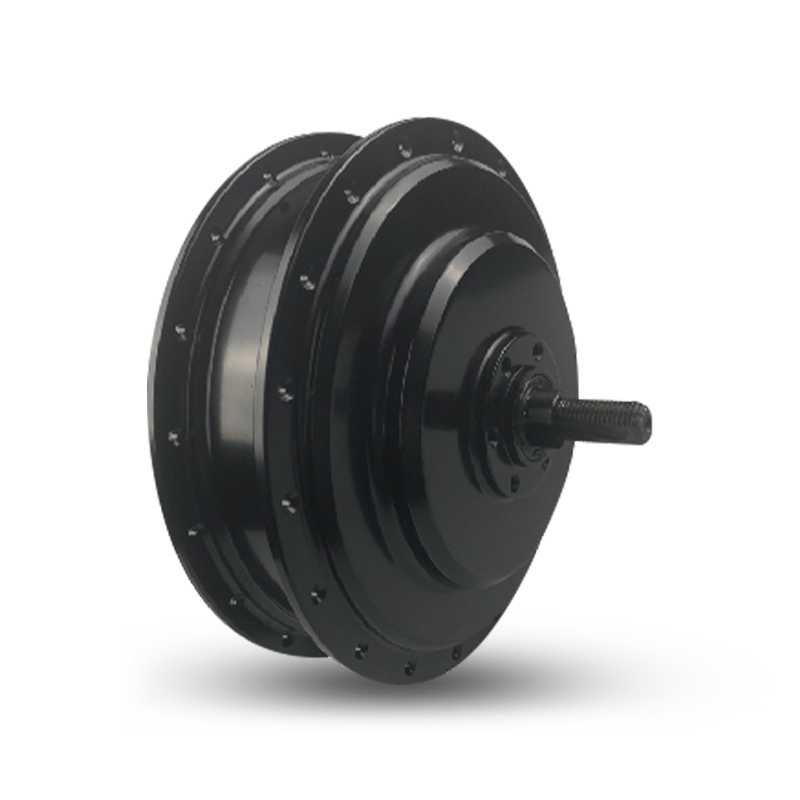 E-Type Pro RF750 Rear Hub Motor
The E-Type Pro RF750 Rear Hub Motor is designed for E-Cargo and E-MTB bikes, com...
-
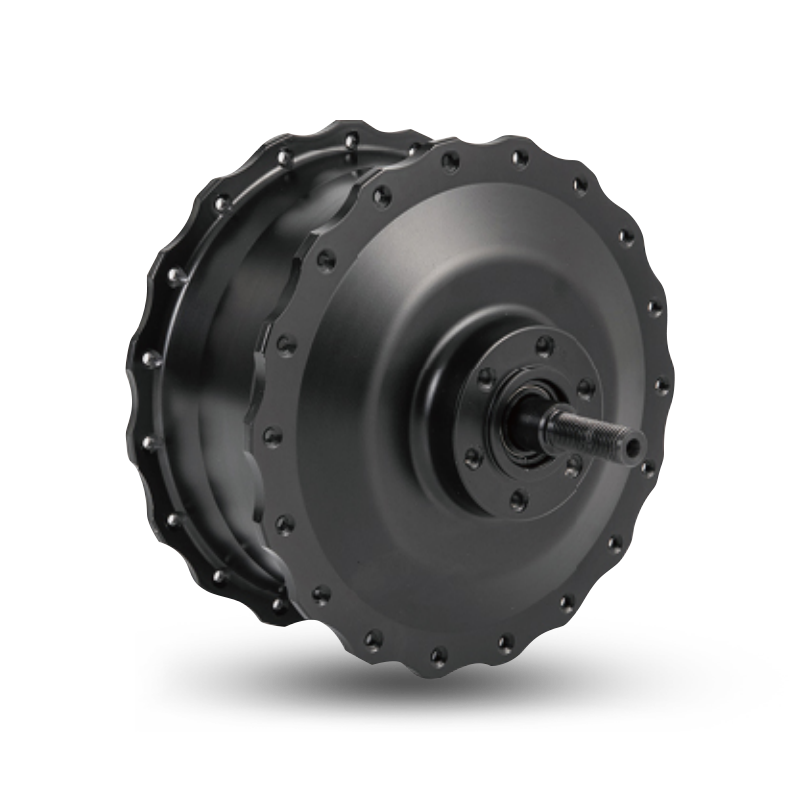 S-Type Pro F1500 Front Hub Motor
The S-Type Pro F1500 front hub motor, designed for E-Carao and E-Fat bikes, offe...
-
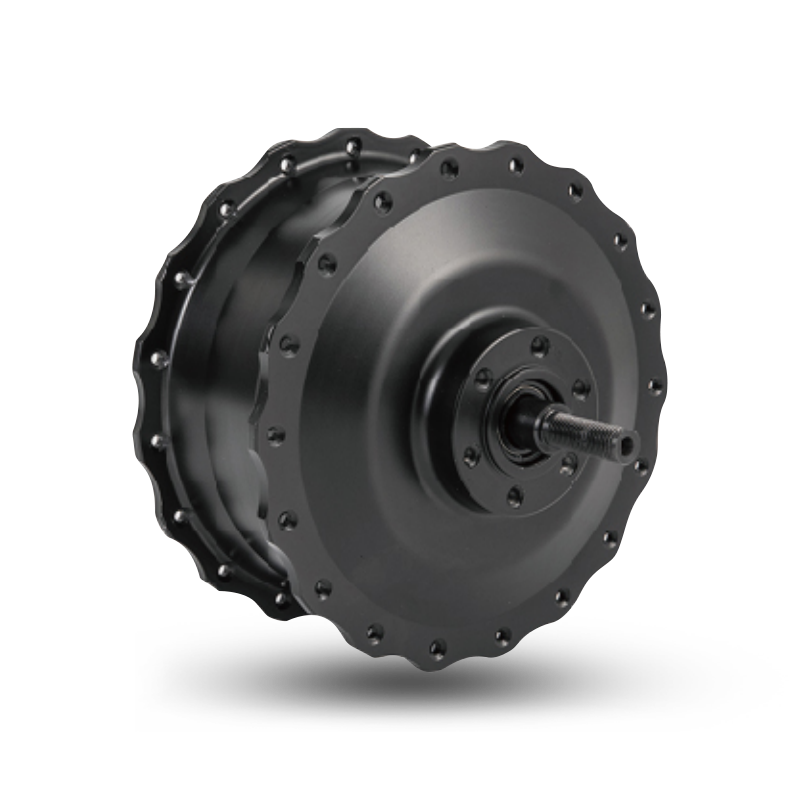 S-Type F750 Front Hub Motor
S-Type F750 is designed for E-Cargo and E-Fat. The rated power ranges from 500W ...
-
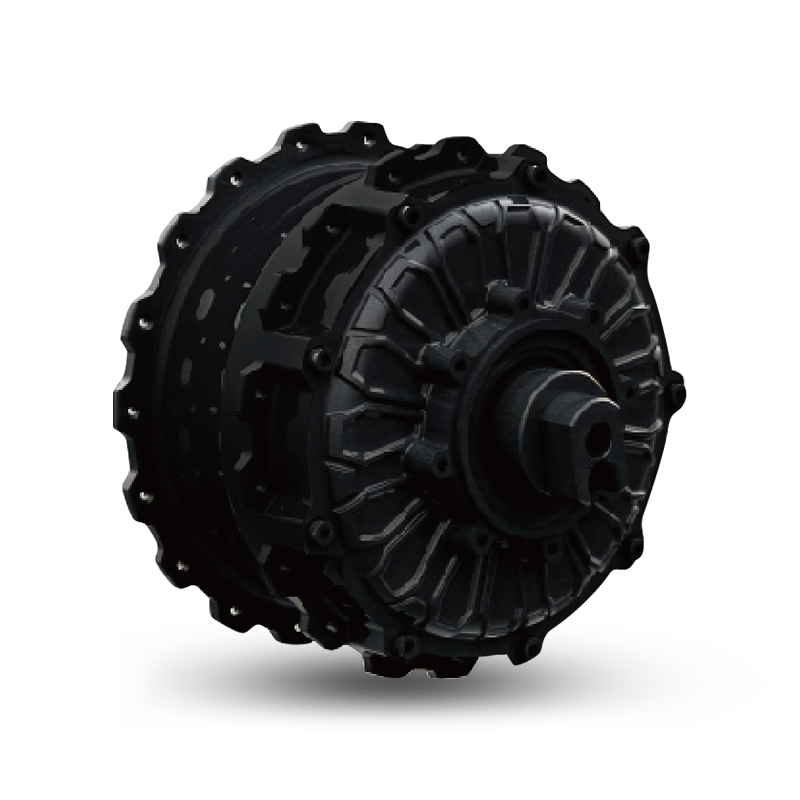 S-TYPE Max THRU AXLE Rear Hub Motor
The S-TYPE Max thru-axle motor is designed for E-Fat, Moped, and Cargo applicati...
-
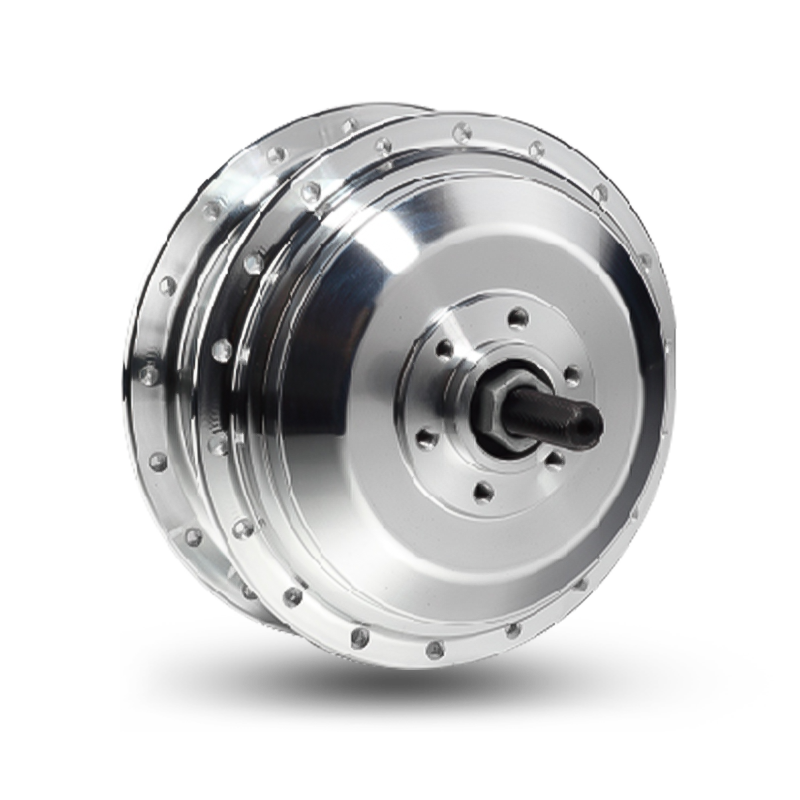 C-Type R350 Rear Hub Motor
The C-Type R350 Rear Hub Motor, designed for city e-bikes, offers a rated power ...
If you are interested in our products, please consult us
Contact Details
- Address:No. 3 Dingqiao Rd, Jiangshan Town, Yinzhou District, Ningbo, Zhejiang Province, China
- Phone: +86 13806662915
- Email: K.zhang@hengtai-cn.com
Products
Quick Link
News Center
Mobile terminal
