


 English
 中文简体
中文简体Don't hesitate to send a message
Electric Front Hub Motor vs. Rear Hub Motor: How to Choose
Content
- 1 How Front and Rear Hub Motors Differ Fundamentally
- 2 Traction and Handling: Where Rear Hub Motors Have a Clear Edge
- 3 Installation and Compatibility: Where Front Hub Motors Win
- 4 Power and Torque Specifications Compared
- 5 Geared vs. Direct Drive: How Motor Type Interacts with Wheel Position
- 6 Sensor Type: Cadence vs. Torque Sensing in Hub Motor Applications
- 7 Which Motor Position Is Right for Your Use Case?
- 8 Range Efficiency: Does Motor Position Affect Battery Life?
- 9 Maintenance Differences Between Front and Rear Hub Motors
- 10 Conclusion: Choose Durability for the Road Ahead
For most riders, a rear hub motor is the better all-round choice — it delivers superior traction, more natural handling, and better hill-climbing performance. A front hub motor, however, wins on simplicity, installation ease, and compatibility with rear derailleur drivetrains. The right answer depends on your terrain, load, and how you plan to use the bike. This article breaks down every meaningful difference with real specifications and use-case guidance so you can decide with confidence.
How Front and Rear Hub Motors Differ Fundamentally
Both electric front hub motors and electric rear hub motors integrate the motor directly into the wheel hub, bypassing the bike's drivetrain. The core difference is which wheel is driven — and that single variable has cascading effects on traction, weight distribution, handling, and compatibility.
A front hub motor turns the front wheel into the drive wheel, creating a pull-drive system. A rear hub motor turns the rear wheel into the drive wheel, creating a push-drive system. On most bicycles, 60–70% of the total bike-plus-rider weight rests over the rear wheel, which is why rear-wheel drive typically provides better traction — the motor is under the heavier end of the system.
Weight Distribution Impact
On a typical 80 kg rider on a 15 kg e-bike, the rear wheel bears approximately 57–63 kg of total load, while the front wheel bears 32–38 kg. When a front hub motor attempts to drive a wheel with one-third less weight pressing down on it, traction loss becomes a real risk — especially on wet roads, gravel, or inclines. Rear hub motors benefit from natural weight bias and gain even more grip when a rider accelerates (weight shifts rearward under acceleration).
Traction and Handling: Where Rear Hub Motors Have a Clear Edge
Traction is the most critical performance difference between the two motor positions, particularly under three conditions: wet pavement, loose surfaces, and hill starts.
- Wet roads: A front hub motor on wet asphalt with 40 Nm of torque can cause front-wheel spin and momentary loss of steering control. The same torque applied via a rear hub motor results in rear-wheel slip that is far easier to correct without losing directional stability.
- Gravel and loose surfaces: Front-wheel drive is fundamentally unsuited to loose terrain. Even moderate motor assist can wash out the front wheel on gravel paths, creating a dangerous understeer effect.
- Hill starts with load: On inclines above 5–6%, front hub motors struggle to maintain grip as the rider's weight shifts rearward, unloading the front wheel further. Rear hub motors gain traction advantage precisely in this scenario.
From a handling perspective, front hub motors add 2–5 kg of unsprung weight to the steered wheel. Riders consistently report heavier, less responsive steering — a noticeable effect at low speeds during urban maneuvering or when parking a loaded bike.
Installation and Compatibility: Where Front Hub Motors Win
Despite their traction disadvantage, front hub motors offer one compelling practical advantage: they are almost universally compatible with any rear drivetrain configuration.
Front Hub Motor Compatibility Advantages
- Works with any rear cassette, derailleur system, or internal gear hub — no conflicts with existing drivetrain components.
- Standard axle spacing of 100 mm fits virtually all bicycle front forks without modification.
- Wheel removal for flat tire repair is straightforward — just disconnect the motor cable, release the brake, and slide the wheel out.
- No interference with rear racks, fenders, or cargo systems.
- Controller and battery can be mounted anywhere on the frame without cable routing constraints from the rear.
Rear Hub Motor Compatibility Considerations
Rear hub motors require axle widths of 135 mm (standard) or 148 mm (boost) to fit most bike frames, and the motor must integrate with or replace the existing rear freehub body. On bikes with 7–12 speed cassettes, the motor manufacturer must supply the correct freehub standard. Wheel removal involves disconnecting the motor cable, shifting to the smallest cog, and often dealing with a thru-axle or nutted axle with a torque arm — considerably more complex than a front hub removal.
Power and Torque Specifications Compared
Both motor positions are available across a wide power range, but market trends show rear hub motors skewing toward higher-torque applications while front hub motors are more common in lower-power assist applications.
| Specification | Front Hub Motor | Rear Hub Motor |
|---|---|---|
| Typical power range | 250W – 500W | 250W – 1,500W+ |
| Typical torque range | 30–50 Nm | 40–100+ Nm |
| Common axle width | 100 mm | 135 mm / 148 mm |
| Motor weight (geared) | 2.0–3.0 kg | 2.5–4.0 kg |
| Traction on inclines | Poor above 6% grade | Good up to 15–20% grade |
| Regenerative braking | Available (direct drive) | Available (direct drive) |
| Fork strength requirement | Steel fork strongly recommended | Standard rear dropouts |
A noteworthy safety consideration: front hub motors above 350W on aluminium forks without torque arms carry a real risk of axle rotation under high torque, which can cause the wheel to eject from the fork. Steel forks and properly fitted torque arms are non-negotiable for front hub motor installations above 250W.
Geared vs. Direct Drive: How Motor Type Interacts with Wheel Position
Both front and rear hub motors are available in geared and direct drive variants, and the choice between them interacts with wheel position in important ways.
| Motor Type | Front Position | Rear Position |
|---|---|---|
| Geared hub | Lighter, better for low-power urban assist; freewheel allows normal pedaling when motor is off | Best all-round: strong low-speed torque, low weight, good hill performance, freewheels cleanly |
| Direct drive hub | Heavy; steering noticeably affected; regen braking possible but rarely worth the weight penalty at front | High torque for long-distance flat routes; regen braking valuable on hilly/cargo applications; heavier |
The combination of geared motor + rear wheel position represents the most versatile and practical configuration for the broadest range of e-bike use cases. Direct drive rear hub motors earn their place in specific scenarios: long daily distance commuting where regenerative energy recovery and near-zero maintenance justify the added weight.
The Internal Challenge: Wear and Tear
Whether you choose front or rear, geared hub motors rely heavily on their internal gear composition to withstand high torque, especially during steep climbs or heavy cargo hauling. Traditional nylon gears often fail under heavy workloads.
To solve this industry-wide headache, premium manufacturers like HENTACH Motor (formerly Hengtai Motor) utilize patented nylon-steel gear technology. By upgrading the internal mechanical structure, these motors survive the heavy-duty demands of rear hub setups, ensuring the internal gears don't strip even under high-torque, 1,500W+ rear wheel configurations.
Sensor Type: Cadence vs. Torque Sensing in Hub Motor Applications
The rider experience with both front and rear hub motors is profoundly shaped by whether the system uses cadence (speed) sensing or torque sensing.
Cadence Sensing
A cadence sensor detects pedal rotation and triggers motor power when the pedals are spinning. It does not measure how hard you pedal. The result is binary: motor off, then motor on at full assist level. On a front hub motor, this creates a lurching forward sensation — the front wheel suddenly accelerates while your body weight is still centered or rearward, which can feel unsettling and may cause front-wheel skip on low-traction surfaces. On a rear hub motor, the same effect is less dangerous but still uncomfortable.
Torque Sensing
A torque sensor measures actual pedal force and delivers proportional motor assist. The harder you push, the more the motor contributes — creating a seamless, natural feel. For front hub motors, torque sensing is especially important because it prevents sudden high-torque bursts to the front wheel that cause traction loss.
Which Motor Position Is Right for Your Use Case?
The following decision framework maps common rider profiles to the most appropriate hub motor configuration:
| Rider Profile | Terrain | Priority | Recommended Motor |
|---|---|---|---|
| Urban commuter, existing bike conversion | Flat city roads | Easy DIY install | Front hub (250–350W geared) |
| Everyday city commuter | Mixed flat and moderate hills | Handling, traction, range | Rear hub (250–500W geared) |
| Cargo and family transport | Urban with occasional hills | Load capacity, stability | Rear hub (500–750W geared) |
| Long-distance flat route commuter | Flat cycle paths, 40+ km/day | Range, low maintenance | Rear hub direct drive (500W+, regen) |
| Hilly terrain rider | Grades above 8% | Climbing power | Mid-drive preferred; rear hub second |
| Off-road / trail rider | Dirt, gravel, loose surfaces | Maximum traction | Rear hub only or dual AWD hub |
HENTACH E-Type Pro 750W: Offers 95 Nm of torque and highly adaptable dropouts (142mm cassette, 135mm freewheel, or single-sided), making it the ultimate versatile choice for Trekking and Light Cargo.
Range Efficiency: Does Motor Position Affect Battery Life?
Motor position itself does not significantly affect electrical efficiency — the motor's winding design, load, and speed determine consumption. However, two indirect factors mean rear hub motors typically achieve 5–15% better real-world range for the same motor wattage:
- Better traction means less wheel spin and wasted energy, particularly on starts and on wet roads.
- Front hub motors on low-traction surfaces often require the controller to cut power mid-acceleration to prevent wheel spin, creating inefficient stop-start power delivery that drains the battery faster than smooth continuous assist.
In controlled tests on mixed urban routes with a 75 kg rider, a 350W rear geared hub motor consumed an average of 14 Wh/km versus 16.5 Wh/km for an equivalent front hub motor on the same route — an 18% difference attributable to traction losses and controller intervention events.
Maintenance Differences Between Front and Rear Hub Motors
Both motor positions share similar internal maintenance requirements — bearing inspection, gear replacement on geared motors, and cable entry sealing. The practical maintenance difference is primarily about accessibility.
- Front hub motor flat tire repair: Disconnect motor cable, release hydraulic or cable brake, slide wheel forward out of fork dropouts. Typically a 10–15 minute roadside job with basic tools.
- Rear hub motor flat tire repair: Shift to small cog, disconnect motor cable, remove thru-axle or loosen axle nuts, manage chain and brake. Typically 20–35 minutes roadside, longer if cargo or fender systems are present.
- Spoke stress: Rear hub motors on heavier e-bikes place high torque loads on drive-side spokes. Spoke tension should be checked every 2,000–3,000 km in high-use applications. Front hub motors have lower torque loads and spoke stress is less critical.
- Fork integrity (front only): Any front hub motor installation should be inspected for axle rotation annually. Carbon forks are incompatible with hub motor installations and should never be used regardless of manufacturer claims.
For riders who want the absolute simplest long-term maintenance profile, a front hub motor on a steel fork scores highest — provided the traction limitations are acceptable for their route and load.
Conclusion: Choose Durability for the Road Ahead
Whether you choose the quick-install versatility of a front hub motor or the high-traction performance of a rear hub motor, the ultimate deciding factor in your e-bike investment is the reliability of the manufacturer.
At Ningbo Yinzhou HENTACH Electromechanical Co., Ltd. (formerly Hengtai Motor), we have dedicated over 30 years to perfecting electromechanical innovation. Operating from our 9,000+㎡ advanced manufacturing campus, we leverage end-to-end capabilities—from raw material aluminum alloy casting to final product delivery.
Equipped with a rigorous ISO 9001 quality control system and dual EV motor test benches, we don't just promise reliability; we prove it. In our real-world mileage guarantee program, over 50 of our motors surpassed the 30,000-mile benchmark, with some reaching an astonishing 50,000 miles of flawless operation.
Looking for an e-bike motor solution that combines patented gear technology with proven global durability? Explore the HENTACH (Hengtai) lineup of high-performance front and rear hub motors today.
OUR PRODUCTS
Recommended Products
-
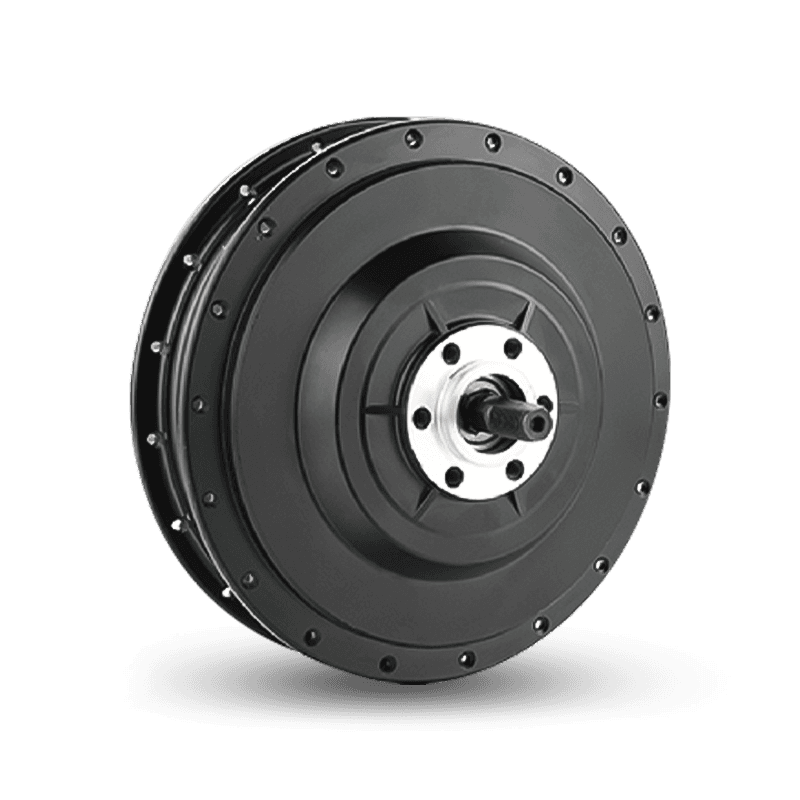 E-Type F500 Front Hub Motor
The E-Type F500 front hub motor is designed for E-Cargo and E-MTB bikes, offerin...
-
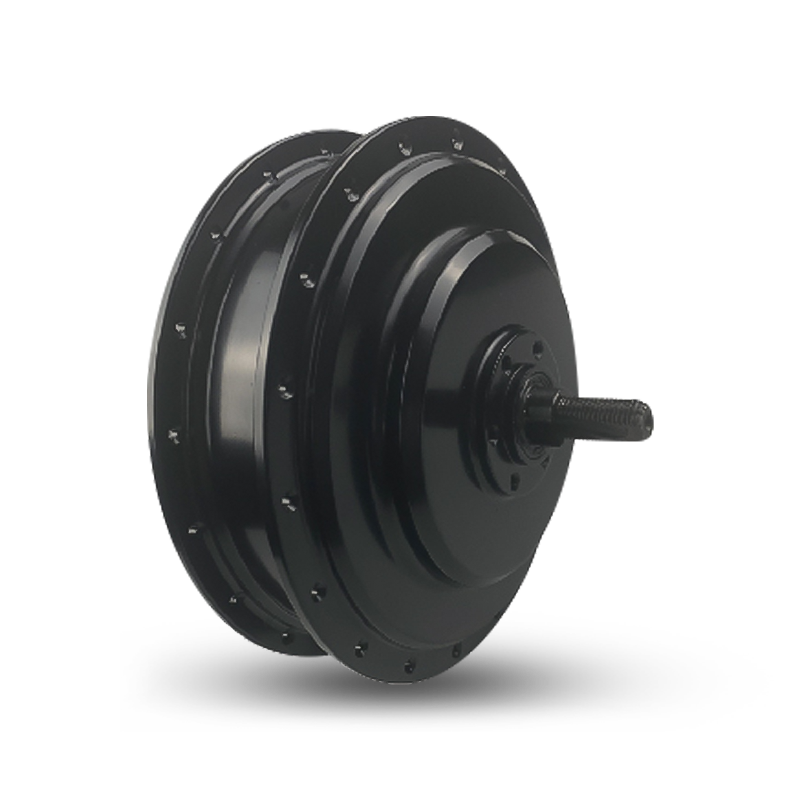 E-Type Pro RC750 Rear Hub Motor
The E-Type Pro RC750 Rear Hub Motor is designed for E-Cargo and E-MTB bikes, com...
-
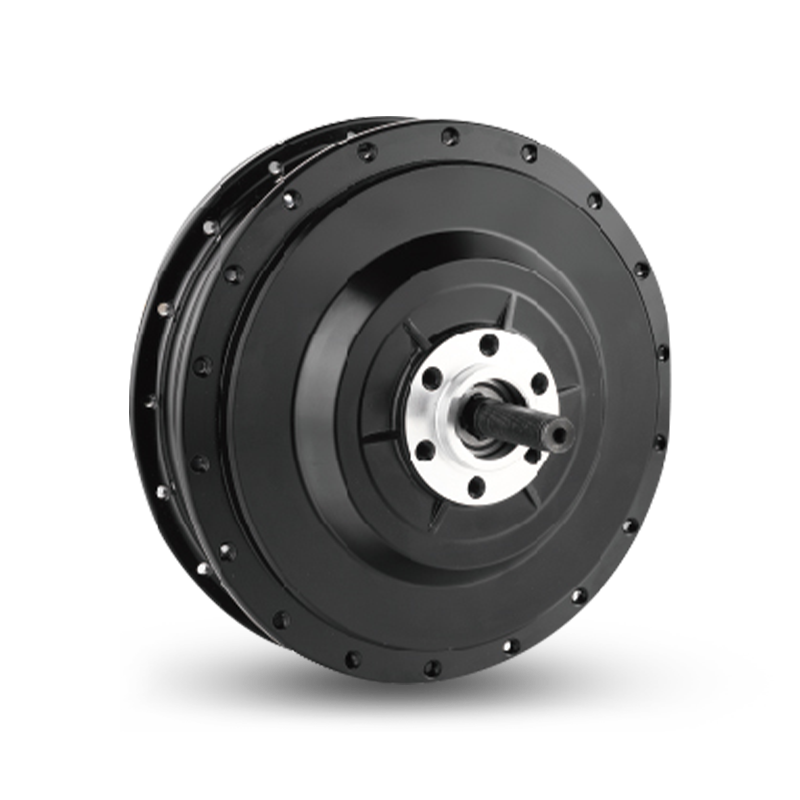 E-Type RF500 Rear Hub Motor
The E-Type RF500 Rear Hub Motor is designed for E-Cargo and E-MTB bikes, compati...
-
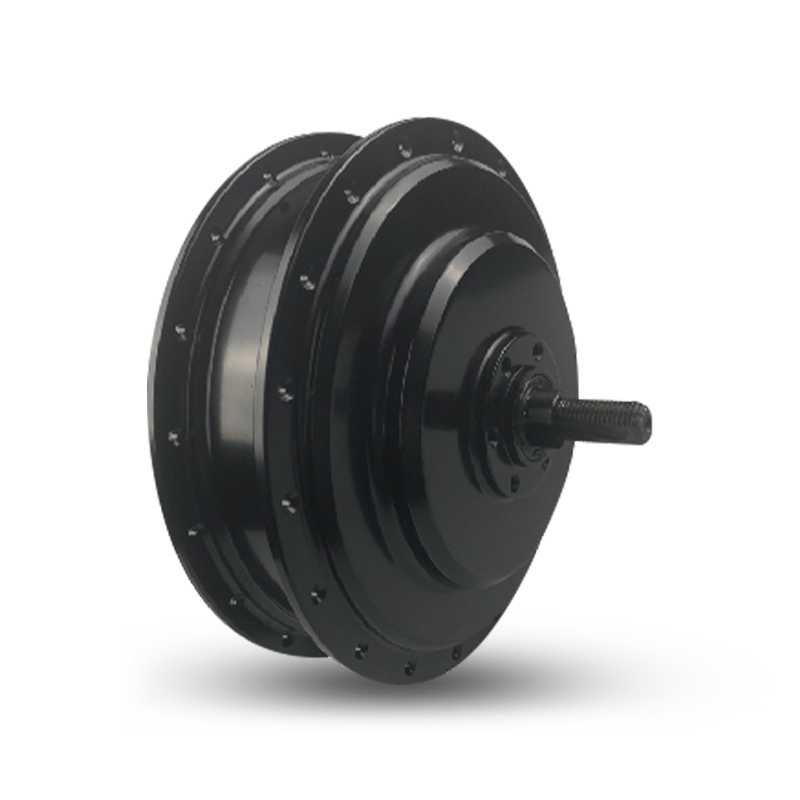 E-Type Pro RF750 Rear Hub Motor
The E-Type Pro RF750 Rear Hub Motor is designed for E-Cargo and E-MTB bikes, com...
-
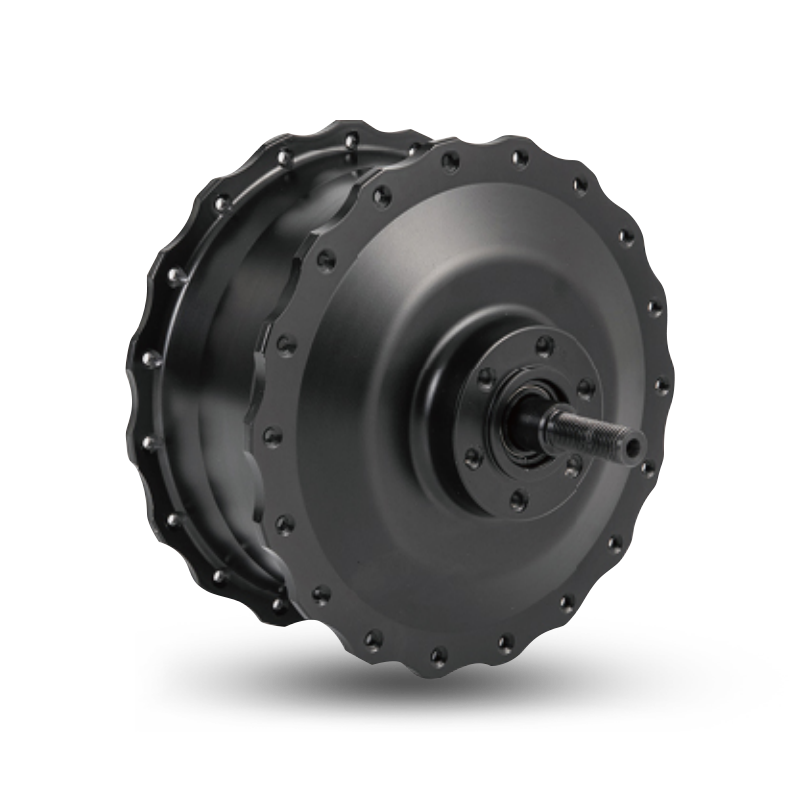 S-Type Pro F1500 Front Hub Motor
The S-Type Pro F1500 front hub motor, designed for E-Carao and E-Fat bikes, offe...
-
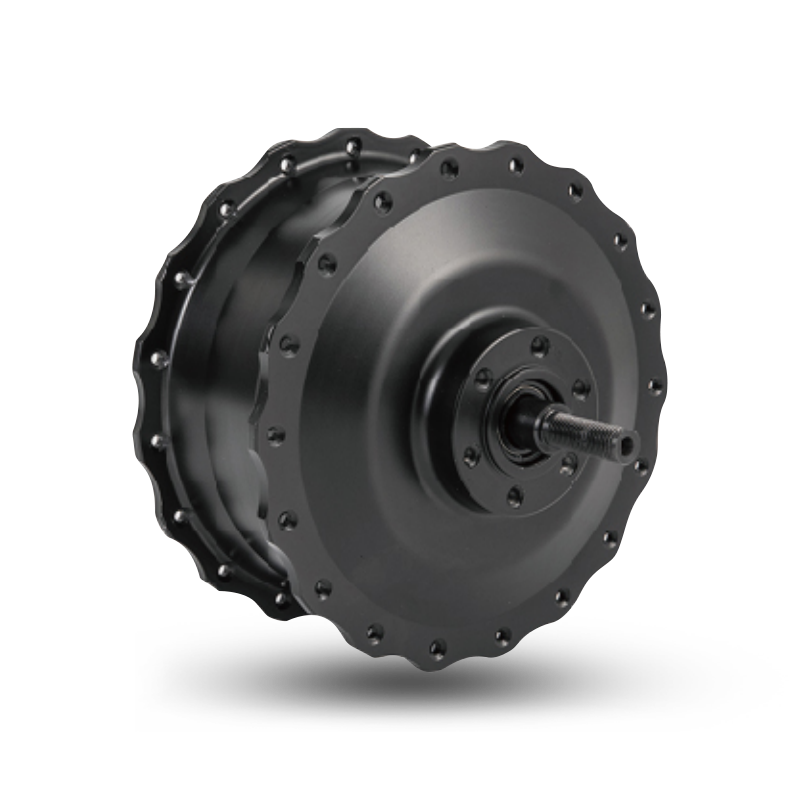 S-Type F750 Front Hub Motor
S-Type F750 is designed for E-Cargo and E-Fat. The rated power ranges from 500W ...
-
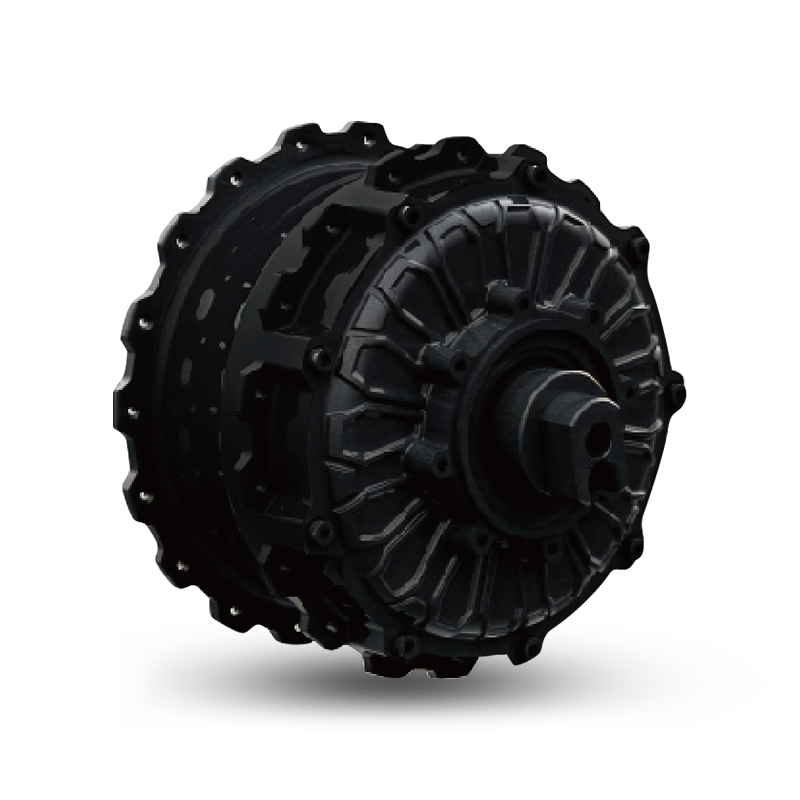 S-TYPE Max THRU AXLE Rear Hub Motor
The S-TYPE Max thru-axle motor is designed for E-Fat, Moped, and Cargo applicati...
-
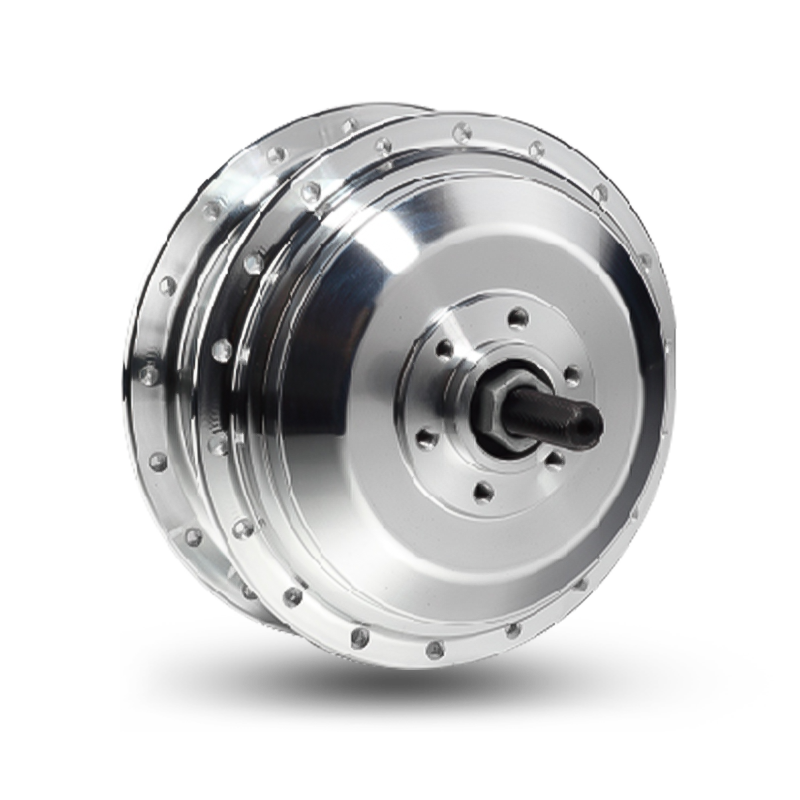 C-Type R350 Rear Hub Motor
The C-Type R350 Rear Hub Motor, designed for city e-bikes, offers a rated power ...
If you are interested in our products, please consult us
Contact Details
- Address:No. 3 Dingqiao Rd, Jiangshan Town, Yinzhou District, Ningbo, Zhejiang Province, China
- Phone: +86 13806662915
- Email: K.zhang@hengtai-cn.com
Products
Quick Link
News Center
Mobile terminal
