


 English
 中文简体
中文简体Don't hesitate to send a message
E-Cargo Bike Hub Motor: The Ultimate Guide to Choosing the Right Drive System
Content
- 1 What Is a Hub Motor on an E-Cargo Bike?
- 2 Geared Hub vs. Direct Drive Hub: Key Differences
- 3 Hub Motor Performance Under Cargo Loads
- 4 Advantages of Hub Motors for Cargo E-Bikes
- 5 Limitations and When to Consider a Mid-Drive Instead
- 6 Battery Pairing and Range Expectations
- 7 Maintenance and Long-Term Reliability
- 8 Choosing the Right Hub Motor Setup: A Practical Decision Guide
For most urban e-cargo bike riders, a hub motor is the right choice — it's simpler, lower-maintenance, and cost-effective for flat to moderately hilly terrain with loads up to 150 kg. However, if you're hauling heavy cargo over steep grades regularly, a mid-drive system may serve you better. Understanding exactly how hub motors work, where they excel, and where they fall short will help you make a confident, data-backed buying decision.
What Is a Hub Motor on an E-Cargo Bike?
A hub motor is an electric motor integrated directly into the wheel hub — either the front or rear wheel — of an e-cargo bike. Unlike mid-drive motors that power the bike through the drivetrain, hub motors drive the wheel directly, bypassing the chain and gears entirely. This fundamental difference shapes everything from efficiency to maintenance.
In the context of e-cargo bikes, hub motors are typically rated between 250W and 1,000W, with torque outputs ranging from 40 Nm to over 80 Nm depending on the application. European road-legal cargo e-bikes are limited to 250W continuous power with a 25 km/h assist cutoff, while utility and commercial models in other markets may run at higher power levels.
Front Hub vs. Rear Hub Motors
The placement of the hub motor significantly affects handling, especially under cargo loads:
- Front hub motors create a pull sensation and can cause front-wheel slip on loose surfaces or steep inclines when loaded. They are easier to install and service but less suited for heavy cargo bikes where front loads are already substantial.
- Rear hub motors provide better traction since the motor wheel carries more weight. They're the dominant choice on longtail and bakfiets-style cargo bikes. However, the rear end becomes heavier, complicating wheel removal for flat tire repairs.
Geared Hub vs. Direct Drive Hub: Key Differences
There are two main hub motor architectures used in e-cargo bikes, and they behave very differently under load:
| Feature | Geared Hub Motor | Direct Drive Hub Motor |
|---|---|---|
| Torque (typical) | 40–60 Nm | 60–100+ Nm |
| Weight | 2.5–3.5 kg | 4–7 kg |
| Regenerative Braking | No (freewheel clutch) | Yes |
| Efficiency at Speed | Higher at low speed | Higher at cruise speed |
| Maintenance | Nylon gear wear over time | Almost zero mechanical wear |
| Best Use Case | Urban stop-start, hills | Long-distance flat routes |
| Overheating Risk | Lower | Higher under sustained load |
For e-cargo bikes used in city delivery — constant acceleration, braking, and moderate loads — geared hub motors are the more practical choice in most cases.
Commercial Fleet Insight: For city delivery involving constant acceleration, braking, and moderate loads, geared hub motors are the more practical choice. However, the traditional vulnerability of geared hubs has always been the premature wear of internal nylon gears under heavy commercial loads.
The HENTACH Innovation: This is where engineering heritage makes a difference. Drawing on over 30 years of electromechanical innovation, HENTACH Motor (formerly Hengtai Motor) solved this industry bottleneck with their patented nylon-steel gear technology. This proprietary design combines the lightweight, high-torque advantages of a geared hub with the rugged mechanical durability required to withstand relentless commercial cargo hauling.
For the EU market limited to 250W, efficiency is everything. HENTACH’s latest EFFI Motor utilizes a revolutionary Amorphous Alloy Core, achieving 86% peak efficiency and delivering an unmatched 70+ Nm of torque from a 250W footprint. Paired with the EFFISYNC virtual eCVT system, it represents the future of urban light cargo.
Hub Motor Performance Under Cargo Loads
The central challenge with hub motors on cargo bikes is that they operate independently of the bike's gearing. When a mid-drive motor encounters a hill, the rider can shift to a lower gear to keep the motor in its efficient RPM range. A hub motor has no such luxury — it must produce more torque directly, which increases heat and current draw.
Thermal Management and Load Limits
Under heavy loads on sustained inclines, direct-drive hub motors can overheat. Tests on a 500W direct drive hub motor carrying 80 kg cargo up a 10% grade for 2 km have shown motor temperatures exceeding 90°C, triggering thermal cutback in the controller. Geared motors dissipate heat more effectively due to their smaller internal rotor spinning at higher speeds with internal airflow.
Practical solutions used by cargo bike manufacturers include:
- Larger motor windings with higher thermal mass
- Oversized controllers that limit peak current to protect motor longevity
- Temperature sensors wired to the controller to enable graduated power reduction before shutdown
Speed Sensor vs. Torque Sensor Integration
Hub motor cargo bikes often use cadence (speed) sensors for simplicity and cost, but torque-sensing systems deliver a far more natural riding feel — critical when managing a loaded cargo bike in traffic.
End-to-End Manufacturing and Precision Testing
Mitigating these thermal risks requires heavy-duty manufacturing standards. Operating out of a state-of-the-art 9,000+ m² campus, HENTACH manages the entire production cycle from raw material casting to final delivery. Utilizing 500-ton die-casting machines and precision CNC tools, HENTACH specializes in precision processing of aluminum-magnesium alloys to craft motor casings with superior heat dissipation.
Furthermore, every motor design is validated on HENTACH’s two dedicated electric vehicle motor test benches under rigorous ISO 9001 quality control, ensuring that larger motor windings and oversized controllers are perfectly calibrated to handle sustained peak currents without overheating.
Advantages of Hub Motors for Cargo E-Bikes
Hub motors have earned their dominant market share in the cargo bike segment for concrete reasons:
- Lower purchase and maintenance cost: Hub motors add roughly €200–€400 to a bike's cost versus €500–€900 for a quality mid-drive system. No chain wear from motor torque since the drivetrain is bypassed under electric-only power.
- Silent and smooth operation: Geared hub motors produce a gentle hum compared to the mechanical noise of mid-drives under load, important for quiet neighborhood deliveries.
- Independent drivetrain: The motor works even with a broken chain. A cargo bike operator won't be stranded mid-delivery due to a chain failure.
- Throttle compatibility: Hub motors are easily configured with throttle control, useful for moving a loaded bike from a standstill without pedaling — a meaningful ergonomic advantage when loading/unloading is involved.
- Regenerative braking (direct drive only): In high-load downhill scenarios, a direct drive hub can recover 5–15% of energy, extending range on hilly routes.
Limitations and When to Consider a Mid-Drive Instead
Hub motors are not the right answer for every cargo application. Consider the following limitations honestly:
- Steep terrain with heavy loads: On grades above 8–10% with loads over 80 kg, hub motors struggle to maintain efficiency and can overheat.
- Difficult wheel removal: Rear hub motors require disconnecting the motor cable and possibly the brake before removing the wheel. For cargo bikes with internal gear hubs, this adds complexity. A flat tire on a delivery route becomes a significant delay.
- Unsprung weight: A 5 kg direct drive hub adds significant unsprung mass to the rear wheel, affecting handling and increasing road shock transmission to cargo. This is especially relevant for fragile goods delivery.
- Limited torque scalability: While a mid-drive's effective torque scales with the selected gear ratio, a hub motor's torque is fixed. For extremely heavy cargo bikes (total system weight over 200 kg), the hub motor's torque ceiling becomes a real constraint.
Battery Pairing and Range Expectations
Hub motor efficiency directly affects the battery size you'll need. At 250W continuous on flat urban terrain with a 60 kg cargo load, a quality geared hub motor consumes approximately 15–20 Wh per kilometer. A standard 500 Wh battery provides roughly 25–33 km of real-world range in this configuration.
For commercial delivery use, manufacturers typically pair cargo hub motor bikes with dual-battery systems (e.g., 2 × 500 Wh = 1,000 Wh total), extending range to 50–65 km per charge under normal urban delivery conditions.
Factors That Reduce Hub Motor Range on Cargo Bikes
- Load weight above 60 kg increases consumption by approximately 10–20% per additional 30 kg
- Tire pressure below 3.5 bar on cargo tires adds significant rolling resistance
- Headwind of 20 km/h can increase energy consumption by 30–50% at 25 km/h riding speed
- Cold temperatures below 5°C reduce lithium battery capacity by 10–25%
Maintenance and Long-Term Reliability
One of the strongest arguments for hub motors in commercial cargo bike fleets is their low maintenance profile. With fewer moving parts interfacing with the drivetrain, hub motors in real-world fleet operation regularly achieve 20,000–40,000 km before requiring service.
Key maintenance points specific to hub motors on cargo bikes:
- Geared hub motors: Nylon planetary gears wear over time, particularly under heavy loads. Replacement intervals vary from 15,000 km (aggressive use) to 40,000+ km (light use). Gear replacement costs are typically €30–€80 in parts.
- Direct drive hubs: Bearings are the only wear item. High-quality sealed bearings can last the life of the bike with periodic inspection.
- Cable entry points: Moisture ingress at the motor axle cable exit is the most common failure point. Cargo bikes used in rain require periodic re-sealing with dielectric grease.
- Spoke tension: Rear hub motors on heavy cargo bikes place additional stress on the drive-side spokes. Spoke tension checks every 2,000–3,000 km are recommended for commercial use.
Real-World Longevity Validation
To prove the structural integrity of their engineering, HENTACH once launched a bold mileage guarantee program challenging their motors to exceed 30,000 miles (approx. 48,000 km) of continuous operation.
The results shattered industry expectations: Over 50 HENTACH motors not only met the rigorous 30,000-mile benchmark but surpassed it, with multiple units reaching an astonishing 50,000 miles (approx. 80,000 km) while remaining fully operational. This real-world milestone stands as definitive proof of what happens when premium alloy casting, precision manufacturing, and advanced gear technology converge.
Choosing the Right Hub Motor Setup: A Practical Decision Guide
Before purchasing an e-cargo bike with a hub motor, assess your specific use case against these criteria:
| Use Case | Cargo Load | Terrain | Recommended Motor |
|---|---|---|---|
| Family grocery runs | 20–50 kg | Flat to moderate hills | Geared rear hub (350–500W) |
| Urban parcel delivery | 50–100 kg | Flat urban routes | Geared rear hub (750W) |
| Hilly city delivery | 60–120 kg | Grades over 6% | Mid-drive preferred |
| Long-distance flat delivery | 40–80 kg | Flat, highways/cycleways | Direct drive hub (500W+) |
| Heavy commercial freight | 100–200 kg | Mixed | Mid-drive or dual hub |
When evaluating specific products, request the manufacturer's motor temperature rating, continuous torque spec (not just peak), and warranty on motor internals. A 2-year motor warranty with no mileage cap is a meaningful indicator of manufacturer confidence in the hub motor's durability under cargo loads.
HENTACH E-Type Pro 750W: Offers 95 Nm of torque and highly adaptable dropouts (142mm cassette, 135mm freewheel, or single-sided), making it the ultimate versatile choice for Trekking and Light Cargo.
When evaluating specific products, request the manufacturer's motor temperature rating, continuous torque spec (not just peak), and warranty on motor internals. A 2-year motor warranty with no mileage cap is a meaningful indicator of manufacturer confidence in the hub motor's durability under cargo loads.
OUR PRODUCTS
Recommended Products
-
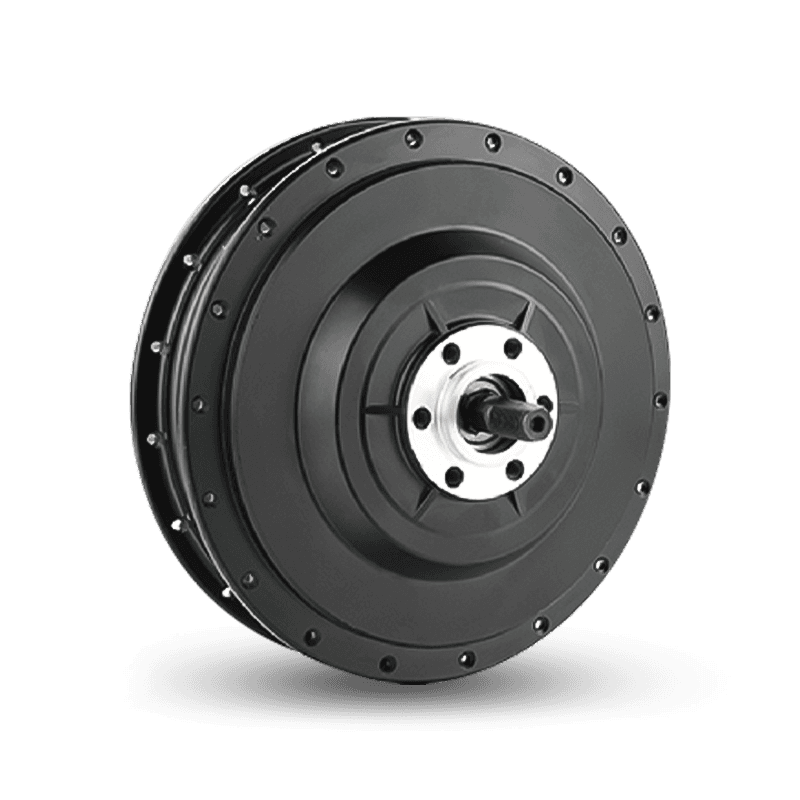 E-Type F500 Front Hub Motor
The E-Type F500 front hub motor is designed for E-Cargo and E-MTB bikes, offerin...
-
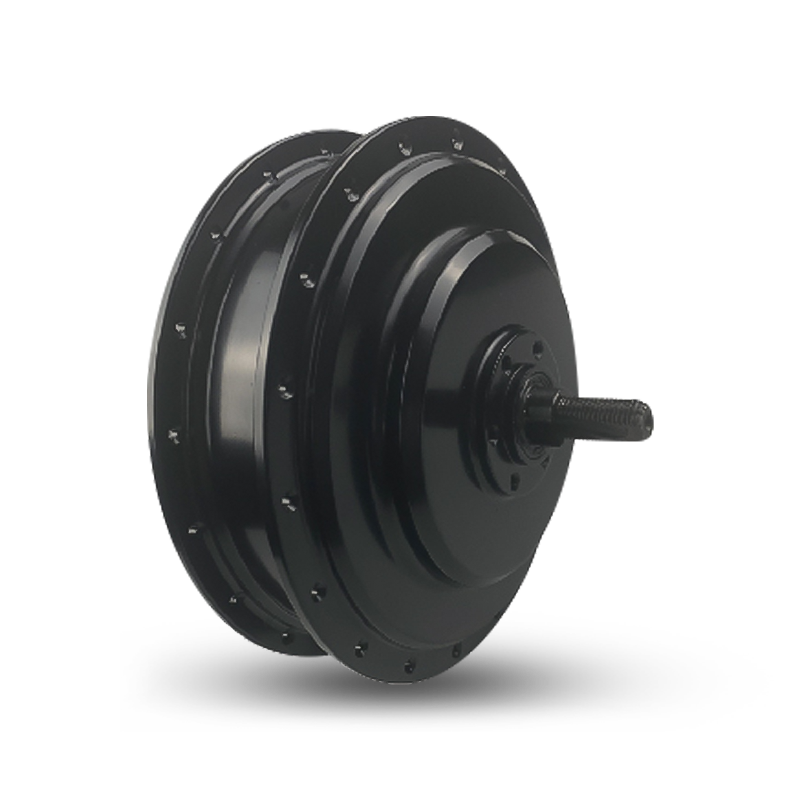 E-Type Pro RC750 Rear Hub Motor
The E-Type Pro RC750 Rear Hub Motor is designed for E-Cargo and E-MTB bikes, com...
-
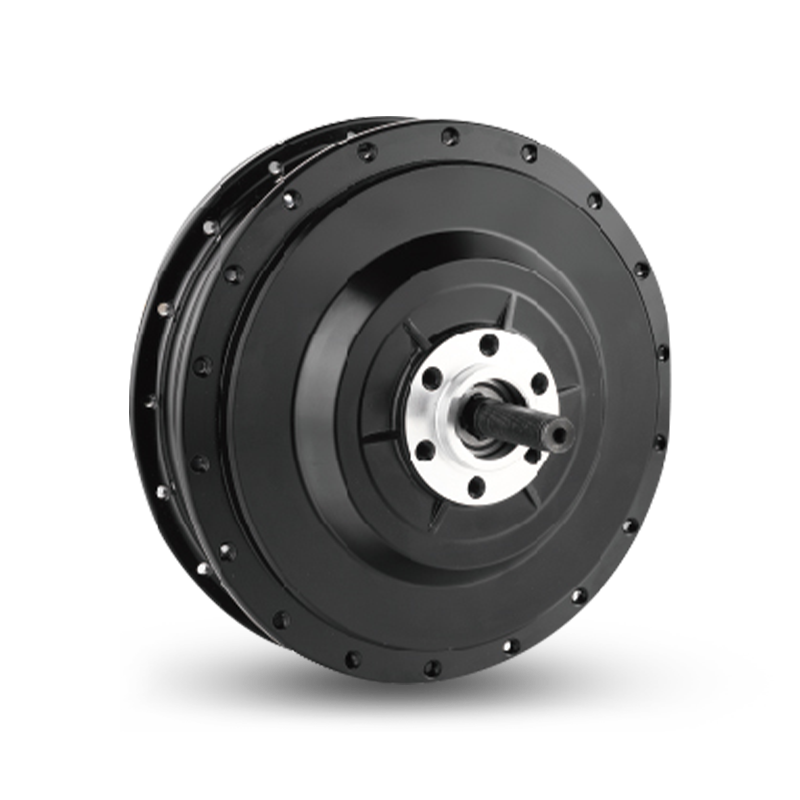 E-Type RF500 Rear Hub Motor
The E-Type RF500 Rear Hub Motor is designed for E-Cargo and E-MTB bikes, compati...
-
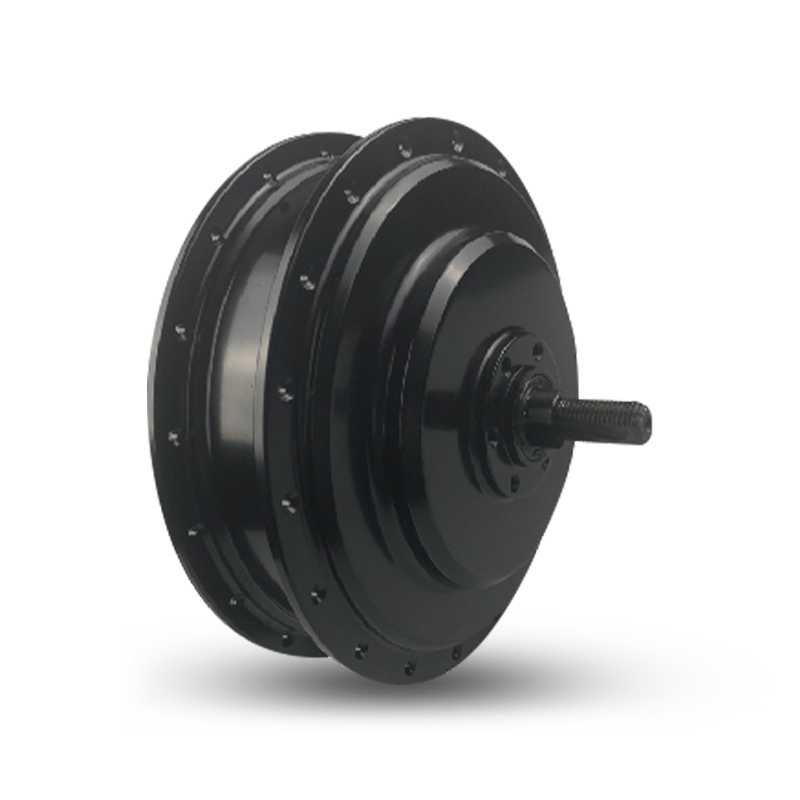 E-Type Pro RF750 Rear Hub Motor
The E-Type Pro RF750 Rear Hub Motor is designed for E-Cargo and E-MTB bikes, com...
-
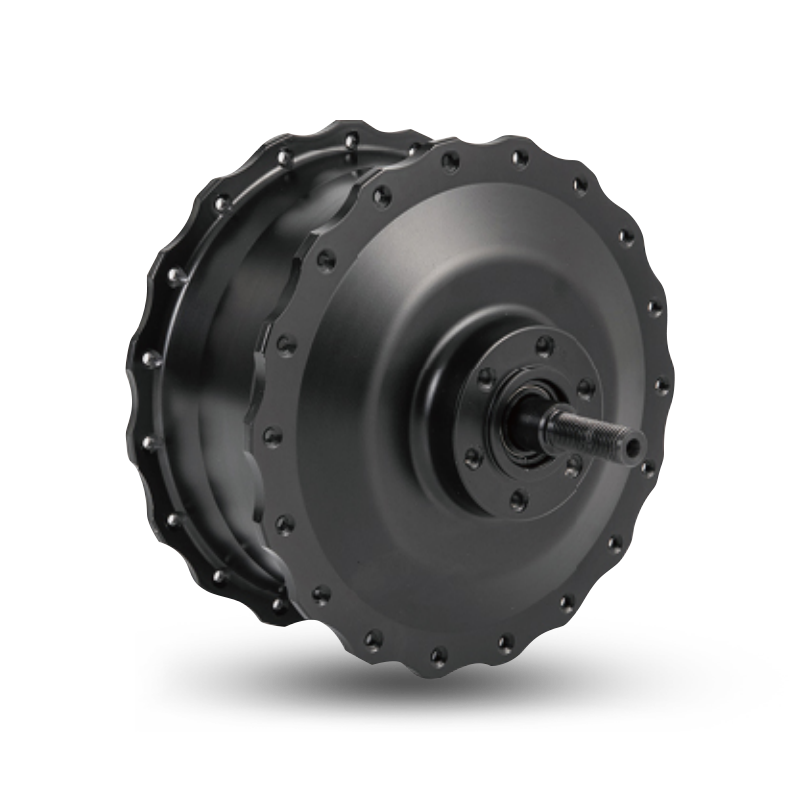 S-Type Pro F1500 Front Hub Motor
The S-Type Pro F1500 front hub motor, designed for E-Carao and E-Fat bikes, offe...
-
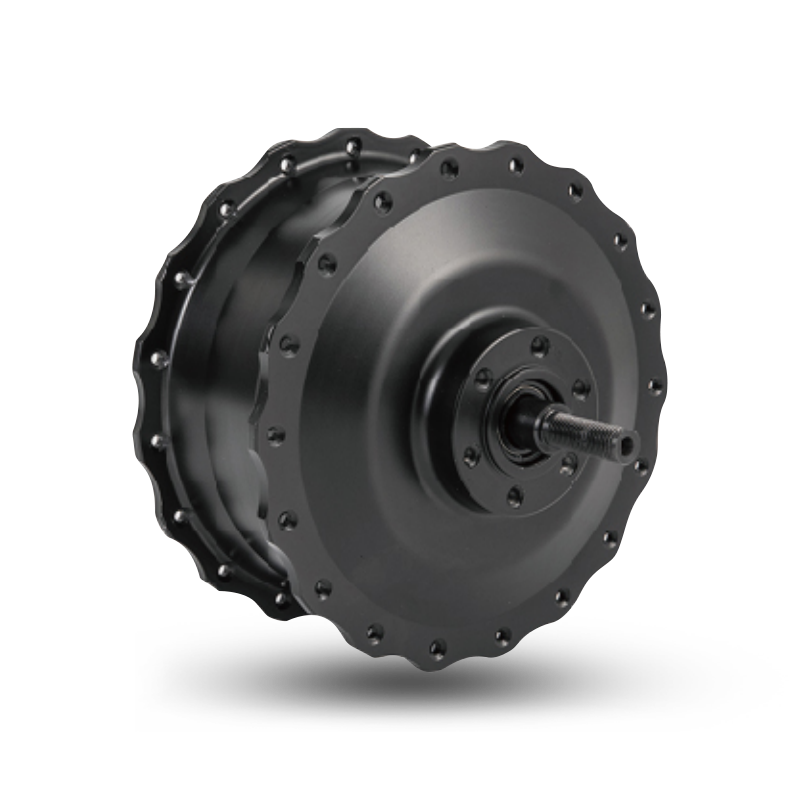 S-Type F750 Front Hub Motor
S-Type F750 is designed for E-Cargo and E-Fat. The rated power ranges from 500W ...
-
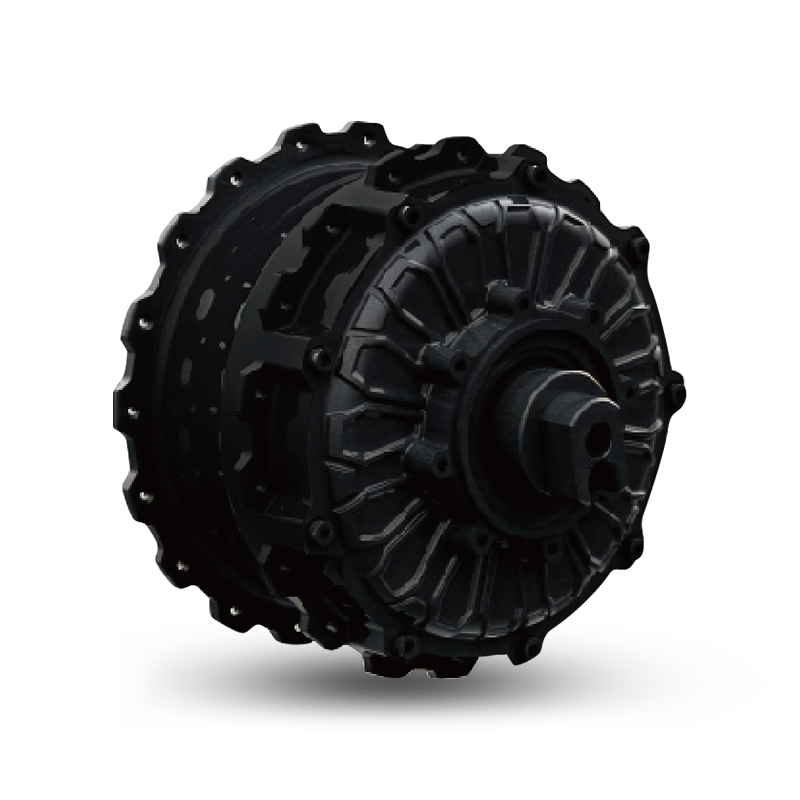 S-TYPE Max THRU AXLE Rear Hub Motor
The S-TYPE Max thru-axle motor is designed for E-Fat, Moped, and Cargo applicati...
-
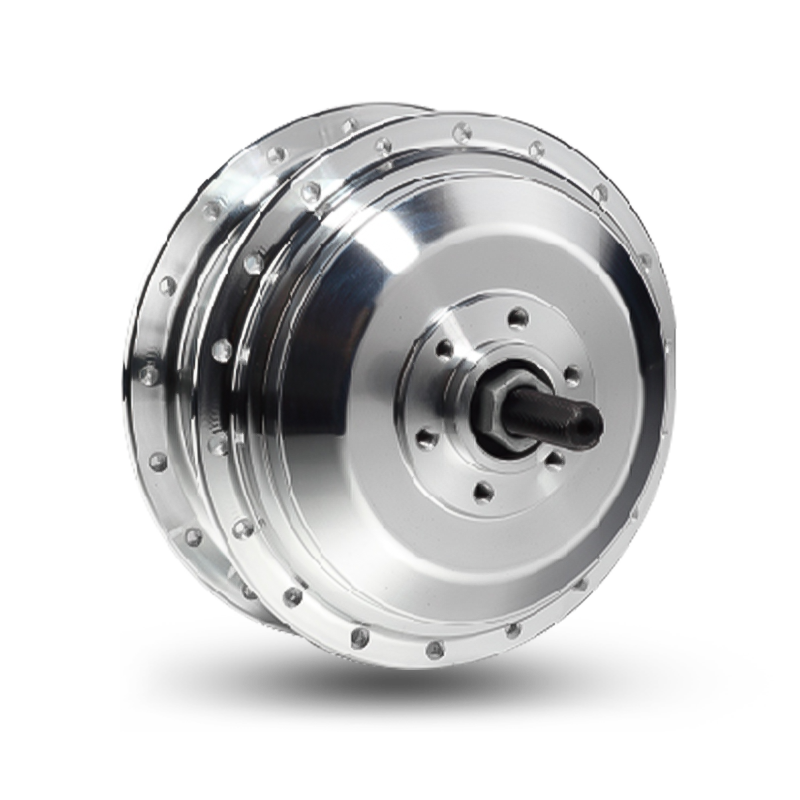 C-Type R350 Rear Hub Motor
The C-Type R350 Rear Hub Motor, designed for city e-bikes, offers a rated power ...
If you are interested in our products, please consult us
Contact Details
- Address:No. 3 Dingqiao Rd, Jiangshan Town, Yinzhou District, Ningbo, Zhejiang Province, China
- Phone: +86 13806662915
- Email: K.zhang@hengtai-cn.com
Products
Quick Link
News Center
Mobile terminal
