


 English
 中文简体
中文简体Don't hesitate to send a message
What Is a Hub Motor? Types, Torque & E-Bike Guide
Content
- 1 What Is a Hub Motor and How Does It Work?
- 2 Geared Hub Motor: How It Differs and Why It Matters
- 3 Direct Drive Hub Motor: The Gearless Alternative
- 4 High Torque Hub Motor: What It Is and When You Need One
- 5 E-Bike Hub Motor Types: Full Comparison
- 6 Front vs Rear Hub Motor: Placement Makes a Difference
- 7 How the Hub Motor Works With the Controller and Battery
- 8 Choosing the Right E-Bike Hub Motor for Your Needs
- 9 Hub Motor vs Mid Drive: When Hub Drive Is the Better Choice
- 10 The HENTACH Advantage: From Casting to Delivery
- 11 The Bottom Line
A hub motor is an electric motor built directly into the center (hub) of a bicycle wheel, powering the wheel by rotating around a fixed axle. It is the most common drive system used in e-bikes worldwide because it is self-contained, requires no modification to the bike's drivetrain, and is available in a wide range of power outputs. Hub motors come in two main types: geared hub motors, which use internal planetary gears to multiply torque, and direct drive (gearless) hub motors, which connect the motor directly to the wheel. Among these, high torque hub motors—typically 500W–1,500W geared or direct drive units—are purpose-built for hill climbing, cargo loads, and heavier riders. Understanding how each type works helps you choose the right e-bike hub motor for your terrain, weight, and budget.
A hub motor is more than just a power source; it is a precision-engineered electromechanical system. At HENTACH, our 30-year legacy in casting and precision CNC processing has allowed us to refine the hub motor into a reliable, long-distance solution for e-bikes, cargo vehicles, and even AGVs.
What Is a Hub Motor and How Does It Work?
A hub motor integrates an electric motor into the wheel hub itself. The motor's stator (the stationary coil windings) is fixed to the axle, while the rotor (the magnet assembly) rotates around it. When electric current from the battery flows through the stator windings, it creates a rotating magnetic field that drives the rotor—and therefore the wheel—forward.
This design means the motor, wheel, and drive mechanism are all one unit. There are no chains, belts, or external gears connecting the motor to the wheel. The hub motor simply replaces a standard wheel hub and connects to the bike's battery and controller via a cable running through or alongside the axle.
- Precision Housing: We utilize 500-ton die-casting machines to create aluminum-magnesium alloy shells. This ensures perfect alignment of the stator and rotor, reducing friction and extending the life of the internal bearings.
- Thermal Management: Our high-torque motors are treated with micro-arc oxidation, improving heat dissipation—a critical factor for direct drive motors and high-output geared units.
Key Components Inside a Hub Motor
- Stator: Fixed copper windings that generate the magnetic field when powered. The number of turns and wire gauge determine the motor's speed and torque characteristics.
- Rotor / Magnets: Permanent magnets mounted on the rotating outer shell. Higher-grade magnets (e.g., neodymium N45–N52) produce stronger fields and higher efficiency.
- Axle: The fixed central shaft that mounts to the bike's dropout. Motor phase wires and Hall sensor wires pass through the axle hollow.
- Bearings: Support the rotating hub shell around the fixed axle. Bearing quality directly affects motor lifespan and rolling resistance.
- Hall sensors: Three magnetic position sensors that tell the controller the exact rotor angle, enabling precise commutation and smooth low-speed torque delivery.
- Planetary gear set (geared motors only): A set of nylon, copper, or steel planet gears that reduce the motor's high internal RPM to useful wheel speed, multiplying torque in the process.
Geared Hub Motor: How It Differs and Why It Matters
A geared hub motor adds a planetary gear reduction system between the motor's inner rotor and the outer wheel hub. The motor spins at a high internal RPM—typically 300–500 RPM—and the gear set (usually a 4:1 to 5:1 reduction ratio) converts that speed into torque at the wheel. This allows a physically smaller and lighter motor to produce strong low-speed pulling power.
A key feature of geared hub motors is the freewheeling clutch mechanism. When the motor is not powered, a one-way clutch disengages the gear set from the wheel, allowing the wheel to spin freely with almost no drag. This makes pedaling without assistance feel natural—a significant advantage over direct drive motors, which create noticeable magnetic resistance when unpowered.
Why Choose a Geared Hub Motor
- Better hill climbing per watt: A 500W geared hub motor can deliver torque comparable to a 750W direct drive unit at low speeds, thanks to gear multiplication.
- Lighter weight: Most geared hub motors weigh 3–5 lbs (1.4–2.3 kg), versus 8–15 lbs (3.6–6.8 kg) for direct drive equivalents.
- Efficient at low-to-mid speeds: Geared motors operate near their optimal RPM range during typical riding speeds of 10–20 mph, maximizing battery range.
- True freewheeling: Unpowered pedaling is drag-free, which matters for riders who mix pedaling and motor assist frequently.
Geared Hub Motor Limitations
- Internal gears wear over time—nylon gears typically last 3,000–10,000 miles depending on load and quality.
- Not compatible with regenerative braking (the freewheel clutch prevents reverse energy flow).
- Smaller thermal mass means they can overheat on very long, sustained climbs above 10–12% grade.
A geared hub motor uses an internal planetary gear set to multiply torque. While many manufacturers use standard nylon gears that strip under load, HENTACH utilizes a patented nylon-steel hybrid gear.
- The Advantage: You get the quiet operation of nylon with the "never-fail" strength of steel.
- Proven Durability: In our 30,000-mile guarantee program, several of our geared motors actually reached 50,000 miles without a gear failure—setting a new benchmark for "commuter" technology.
Direct Drive Hub Motor: The Gearless Alternative
In a direct drive hub motor, the rotor and wheel hub are the same component—the motor's outer shell is the wheel hub itself. There are no planetary gears. The motor must be wound specifically to match the desired wheel speed at the target voltage, which requires a larger, heavier motor body to produce adequate torque.
The main advantages of direct drive motors are near-zero mechanical wear (no gears to replace), near-silent operation, and the ability to perform regenerative braking—recovering 5–15% of energy on downhills and during braking. Their large aluminum casings also dissipate heat well, making them more tolerant of sustained high-power operation such as cargo hauling or long climbs.
The key trade-off is weight and drag. Direct drive motors create magnetic resistance equivalent to roughly 20–50W of drag when unpowered, making unassisted pedaling noticeably harder. They are best suited for riders who use motor assist consistently rather than mixing pedaling and coasting.
For high-speed cruising and heavy-duty cargo, direct drive is the king of reliability because it has zero moving parts beyond the bearings.
- Industrial Strength: Our direct drive motors are designed for heavy-load hauling and high-speed applications like e-karting and agricultural machinery.
- Regenerative Braking: Because there is no clutch, these motors can recover energy, extending your range by 5–15% in hilly urban environments.
High Torque Hub Motor: What It Is and When You Need One
A high torque hub motor refers to any hub motor—geared or direct drive—specifically engineered to maximize torque output at the wheel. These motors are designed for applications where standard hub motors fall short: steep hills, heavy riders, cargo loads, or performance riding.
High torque hub motors typically achieve their output through one or more of the following design choices:
- Higher power rating: Operating at 750W–1,500W (or higher) increases available torque proportionally.
- Stronger magnet grades: High-grade neodymium magnets (N48–N52) produce denser magnetic fields, enabling more torque per amp of current.
- Larger stator diameter: A wider stator creates a longer moment arm for magnetic force, directly increasing torque output.
- Higher gear reduction ratio (geared motors): Ratios of 5:1 or 6:1 multiply motor torque more aggressively at the wheel.
- Optimized winding (lower Kv): A lower Kv (RPM per volt) motor produces more torque at lower speeds, ideal for hill starts and heavy loads.
Practical Torque Numbers
To put torque figures in context: a standard 250W geared hub motor produces approximately 20–30 Nm at the wheel.
Who Actually Needs a High Torque Hub Motor
- Riders weighing over 100 kg (220 lbs) who need strong acceleration from a standstill.
- Cargo e-bike operators carrying loads of 50–150 kg on a regular basis.
- Riders in hilly or mountainous terrain with grades above 10–15%.
- Delivery or utility e-bike operators who need consistent full-load performance for 8+ hours daily.
- Performance builds requiring rapid acceleration and high sustained speeds above 28 mph.
E-Bike Hub Motor Types: Full Comparison
| Factor | Geared Hub Motor | Direct Drive Hub Motor | HENTACH High Torque |
|---|---|---|---|
| Wheel Torque Output | 20–55 Nm | 20–60 Nm | 80–100+ Nm |
| Weight | 3–5 lbs | 8–15 lbs | Optimized Al-Mg Alloy |
| Freewheeling | Yes (no drag) | No (magnetic drag) | Patented Gear Clutch |
| Best Use Case | Commuting, hills, light cargo | High-speed, long-distance | Cargo/Heavy Riders/AGV |
| Verified Life | Up to 50,000 Miles | Near-Infinite (Bearings) | ISO 9001 Tested |
Front vs Rear Hub Motor: Placement Makes a Difference
Hub motors can be installed in either the front or rear wheel. The placement affects traction, handling, weight distribution, and compatibility with the bike's drivetrain.
Rear Hub Motor
The rear hub motor is the dominant configuration in production e-bikes and DIY conversions. The rear wheel already carries 60–70% of the total bike-plus-rider weight, giving the driven wheel excellent traction. Rear hub motors also produce a more intuitive ride feel, as the drive force originates from behind the rider—similar to a conventional bicycle. Most high torque hub motors are rear-mounted precisely because the added traction supports their higher power output without wheel spin.
Front Hub Motor
Front hub motors are the simplest conversion option—they require no modification to the rear drivetrain and are compatible with virtually any bike frame. Installation involves swapping the front wheel and routing the motor cable. However, front hub motors carry less of the rider's weight, making them prone to wheel spin on loose or wet surfaces, especially at higher power levels. They are best suited for flat-terrain commuting at 250–500W where traction demands are modest.
How the Hub Motor Works With the Controller and Battery
A hub motor does not operate in isolation—it is part of a three-component electrical system: the battery, the controller, and the motor. Understanding how these interact explains why motor performance depends on more than just the motor's rated wattage.
- Battery voltage and capacity: Hub motors are wound for a specific voltage range—typically 36V, 48V, or 52V. Higher voltage increases top speed and reduces current draw for the same power, improving efficiency and reducing heat in the wiring.
- Controller amperage: The controller determines how much current reaches the motor. A 48V motor paired with a 25A controller delivers 1,200W peak—far more than the same motor's 500W nominal rating. Controllers can be upgraded to unlock more torque, within the motor's thermal limits.
- Phase current vs battery current: The controller amplifies battery current into higher phase current for the motor windings. A well-programmed controller delivers smooth, responsive torque rather than jerky power delivery.
- Pedal assist sensor (PAS) and throttle: These are the rider's inputs to the controller. A torque-sensing PAS delivers proportional assist based on pedal force, while a cadence-based PAS activates fixed assist levels. Throttle provides direct motor control independent of pedaling.
Choosing the Right E-Bike Hub Motor for Your Needs
With a clear understanding of hub motor types, use the following criteria to select the right motor:
- Flat urban commuting under 20 mph, rider under 85 kg: A 250W–500W geared hub motor is ideal. Quiet, lightweight, and efficient are well-proven choices.
- Hilly terrain, rider 85–110 kg: A 500W–750W geared hub motor with steel or hybrid gears.
- Cargo hauling or rider over 110 kg: A high torque hub motor at 750W–1,500W, rear-mounted, with steel gears or a large direct drive casing for heat tolerance.
- High-speed cruising above 25 mph: A direct drive hub motor wound for your target speed at your battery voltage. Direct drive motors are more efficient at sustained high speeds and support regenerative braking.
- DIY conversion on a budget: A front or rear geared hub motor kit at 250W–500W offers the lowest entry cost—typically $150–$350 complete—with straightforward installation.
In all cases, match the motor's voltage to your intended battery pack, ensure the axle size fits your frame's dropouts (most hub motors use 10mm diameter axles with 135mm rear or 100mm front spacing), and verify that the controller's current rating is appropriate for the motor's thermal limits.
Hub Motor vs Mid Drive: When Hub Drive Is the Better Choice
Mid drive motors—mounted at the bike's bottom bracket and driving through the chain—are often marketed as the superior option. In specific contexts they are. But for a large proportion of riders, hub motors are the more practical, cost-effective, and reliable choice:
- Lower cost: Quality hub motor e-bikes start at $800–$1,500, versus $1,800–$3,500+ for mid drive equivalents.
- Less drivetrain wear: Hub motors do not stress the chain or cassette. Mid drive motors accelerate chain wear significantly—sometimes requiring replacement every 1,000–2,000 miles.
- Throttle compatibility: Hub motors work well with throttle-only operation, making them suitable for mobility assist, delivery, and riders with physical limitations.
- Simpler installation and repair: A hub motor wheel can be replaced in minutes. Mid drive motor service typically requires a bike shop with specialized tooling.
Mid drive genuinely excels on technical mountain terrain and very long mixed-terrain rides where gear-multiplied efficiency matters. For everything else—commuting, cargo, casual riding, and most hill climbing—a well-chosen e-bike hub motor delivers everything most riders actually need at a fraction of the cost.
The HENTACH Advantage: From Casting to Delivery
When you choose a motor from Ningbo Yinzhou HENTACH Electromechanical Co., Ltd., you aren't just buying a component; you are buying 30 years of manufacturing excellence.
- Vertical Integration: We control the process from raw material casting to final marking, ensuring every motor meets international quality standards.
- Versatility: Our motors power everything from simple folding e-bikes to sophisticated cargo vehicles and golf cars.
The Bottom Line
If you want a lightweight, natural-pedaling experience, choose a HENTACH Geared Hub Motor with our patented steel gears. If you need a silent, maintenance-free workhorse for high speeds or heavy loads, our Direct Drive units are built to outlast the bike frame itself.
Trust the brand known globally as both Hengtai Motor and HENTACH Motor—where 30 years of innovation meets real-world durability.
OUR PRODUCTS
Recommended Products
-
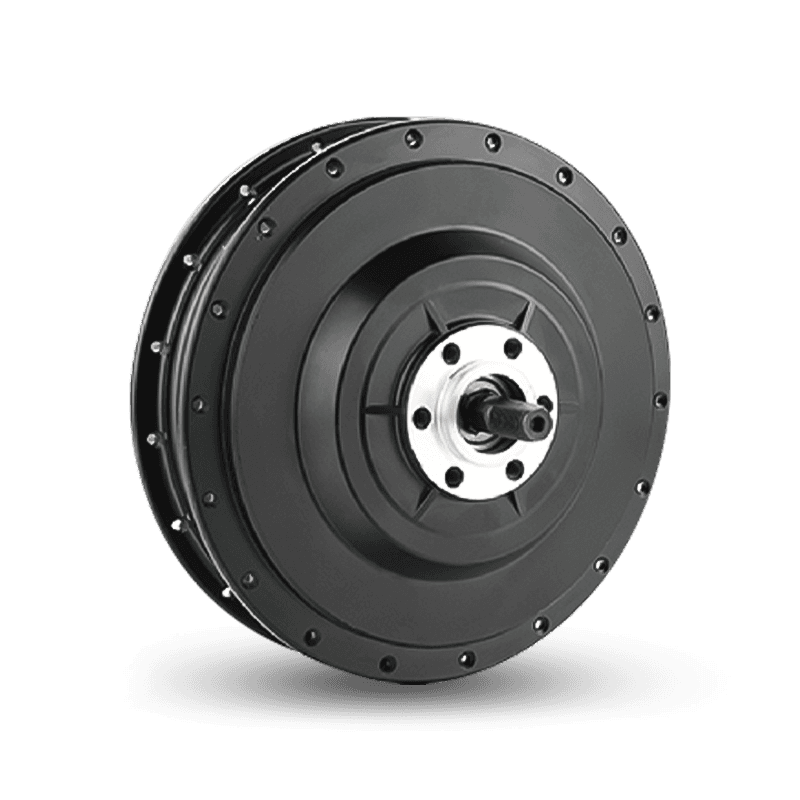 E-Type F500 Front Hub Motor
The E-Type F500 front hub motor is designed for E-Cargo and E-MTB bikes, offerin...
-
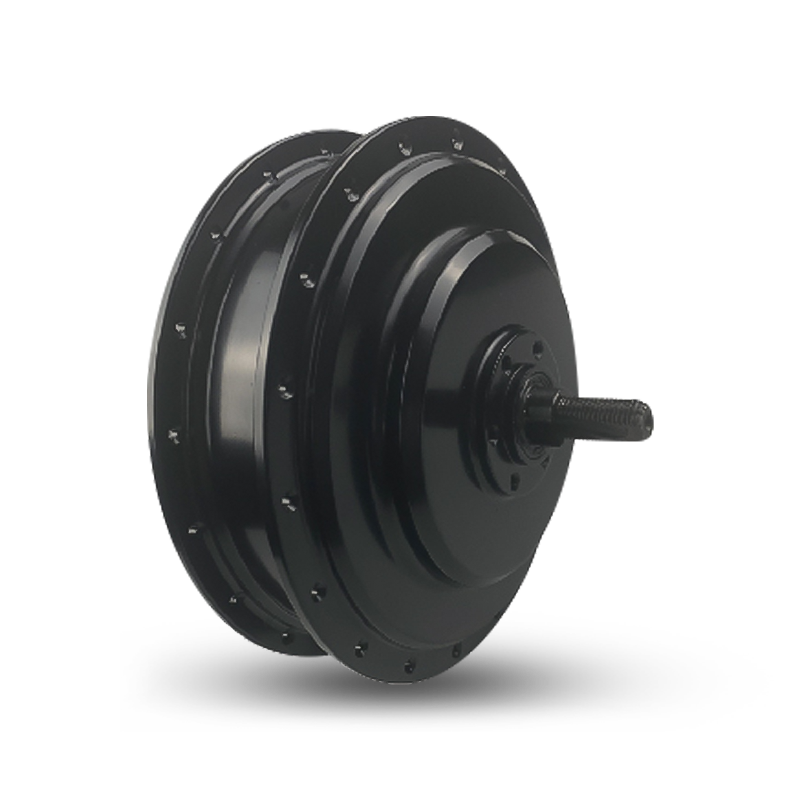 E-Type Pro RC750 Rear Hub Motor
The E-Type Pro RC750 Rear Hub Motor is designed for E-Cargo and E-MTB bikes, com...
-
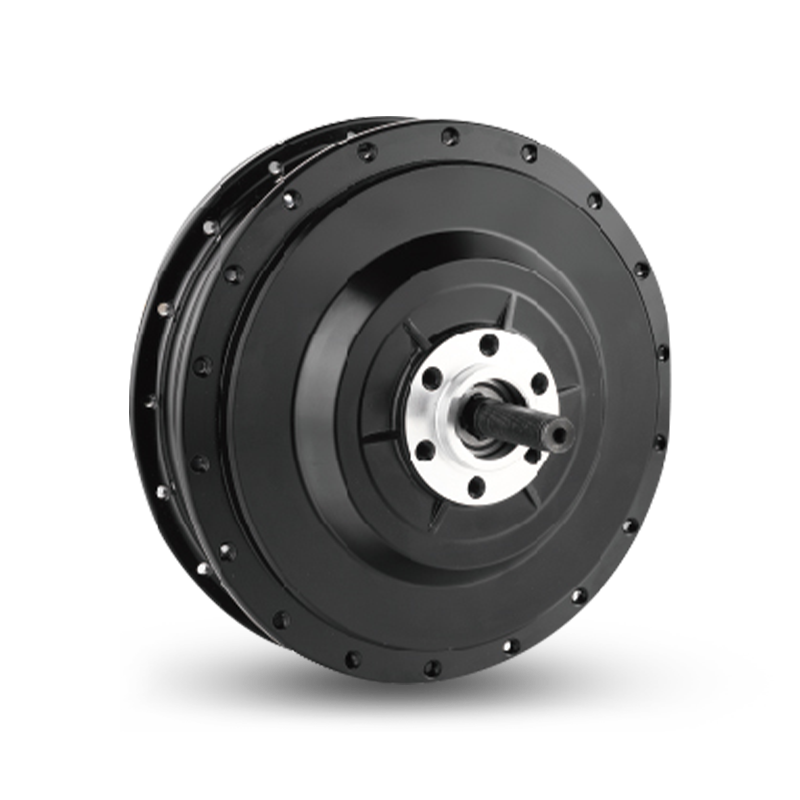 E-Type RF500 Rear Hub Motor
The E-Type RF500 Rear Hub Motor is designed for E-Cargo and E-MTB bikes, compati...
-
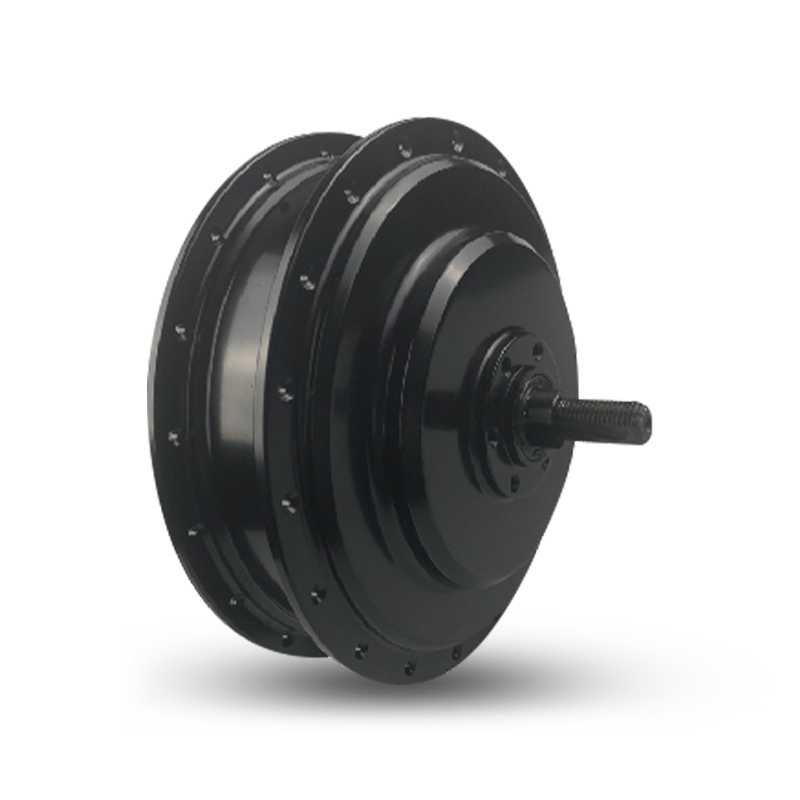 E-Type Pro RF750 Rear Hub Motor
The E-Type Pro RF750 Rear Hub Motor is designed for E-Cargo and E-MTB bikes, com...
-
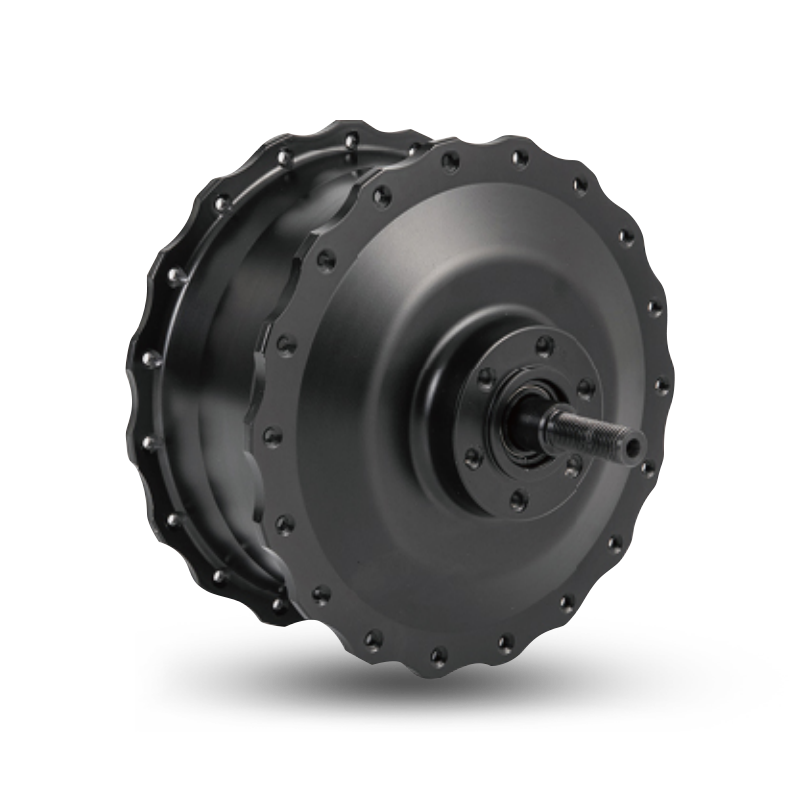 S-Type Pro F1500 Front Hub Motor
The S-Type Pro F1500 front hub motor, designed for E-Carao and E-Fat bikes, offe...
-
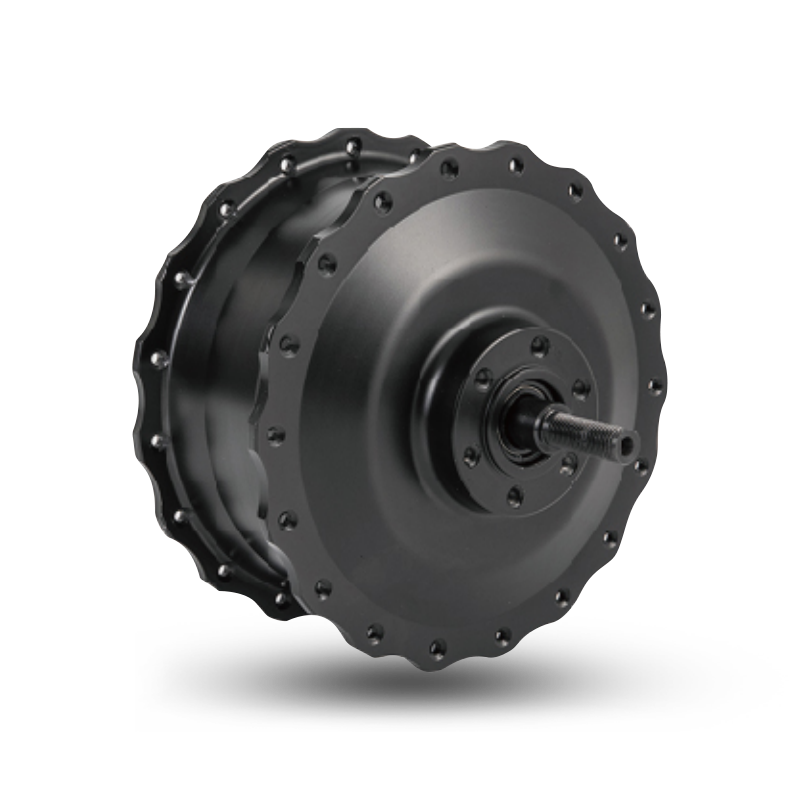 S-Type F750 Front Hub Motor
S-Type F750 is designed for E-Cargo and E-Fat. The rated power ranges from 500W ...
-
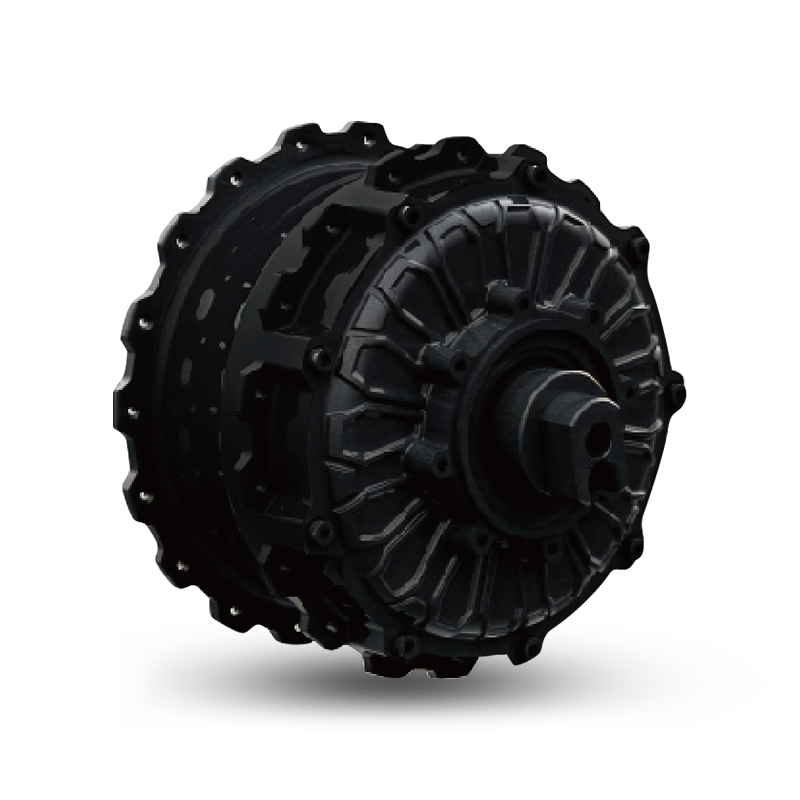 S-TYPE Max THRU AXLE Rear Hub Motor
The S-TYPE Max thru-axle motor is designed for E-Fat, Moped, and Cargo applicati...
-
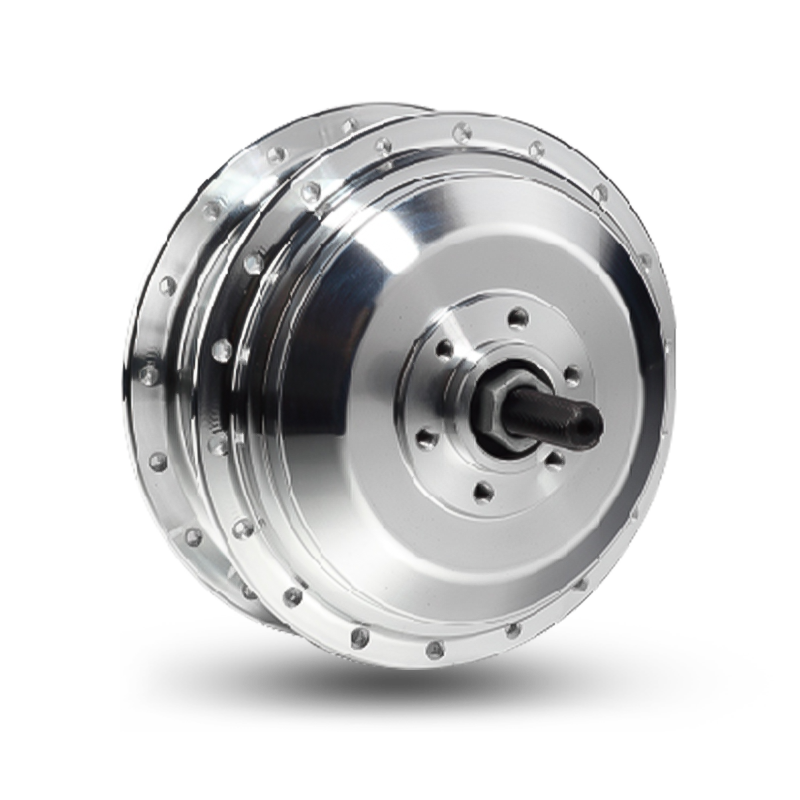 C-Type R350 Rear Hub Motor
The C-Type R350 Rear Hub Motor, designed for city e-bikes, offers a rated power ...
If you are interested in our products, please consult us
Contact Details
- Address:No. 3 Dingqiao Rd, Jiangshan Town, Yinzhou District, Ningbo, Zhejiang Province, China
- Phone: +86 13806662915
- Email: K.zhang@hengtai-cn.com
Products
Quick Link
News Center
Mobile terminal
