


 English
 中文简体
中文简体Don't hesitate to send a message
Plastic vs Steel vs Copper Gears for Hub Motors Compared
Content
- 1 Why Gear Material Matters in a Hub Motor
- 2 Plastic (Nylon) Gears: Quiet, Affordable, But Limited by Load
- 3 Steel Gears: Maximum Durability and Torque Capacity
- 4 Copper Gears and Plastic-Steel Gear Hub Motors: The Hybrid Approach
- 5 Side-by-Side Comparison: Plastic vs Steel vs Copper Gears
- 6 Real-World Failure Patterns and What They Tell Us
- 7 How to Choose the Right Gear Material for Your Hub Motor
- 8 Maintenance Differences Between Gear Materials
- 9 Which Gear Material Should You Choose?
If you're choosing between plastic, steel, and copper gears for a hub motor, here's the direct answer: steel gears last the longest and handle the most torque; plastic (nylon) gears run quieter and are self-lubricating but wear faster under high load; and copper gears—used in plastic-steel gear hub motors as a hybrid layer—offer a middle ground of noise reduction and improved durability over pure plastic. For most commuter and mid-power applications (under 500W), nylon or copper-nylon hybrid gears are sufficient. For high-torque, heavy-load, or performance builds above 750W, steel gears are the only reliable long-term choice.
Why Gear Material Matters in a Hub Motor
Geared hub motors use a planetary gear system to reduce the motor's high internal RPM—typically 300–500 RPM—down to a useful wheel speed through a gear ratio of approximately 4:1 to 5:1. The planetary gears sit between the motor stator and the wheel hub, constantly transmitting torque under load. The material these gears are made from directly determines how long the motor lasts, how much noise it makes, how much heat it can tolerate, and what power levels it can sustain.
Unlike mid drive motors where gear wear is visible and easily serviced, hub motor planetary gears are sealed inside the motor casing. Gear failure often means replacing the entire motor or undertaking a detailed teardown—making the initial gear material choice even more consequential.
Plastic (Nylon) Gears: Quiet, Affordable, But Limited by Load
Nylon planetary gears are the most common gear material in entry-level and mid-range geared hub motors.
Advantages of Nylon Gears
- Quiet operation: Nylon absorbs vibration and dampens gear mesh noise far better than metal. At typical riding speeds, a nylon-gear hub motor produces only a soft hum, compared to the metallic whine of steel gears.
- Self-lubricating: Nylon has inherent low-friction properties, meaning the gears require minimal grease and can tolerate some lubrication loss without immediate catastrophic wear.
- Low cost: Nylon gear sets for popular hub motors typically cost $5–$20, making replacement affordable.
- Shock absorption: Nylon flexes slightly under sudden torque spikes, acting as a mechanical buffer that protects other motor components from shock damage.
- The HENTACH Difference: We use high-grade, heat-stabilized polymers that maintain structural integrity at higher temperatures than generic alternatives. This ensures our 250W–500W motors remain the quietest in their class without premature stripping.
Disadvantages of Nylon Gears
- Heat sensitivity: Nylon softens at temperatures above approximately 80–100°C (176–212°F). Sustained hill climbing, heavy cargo loads, or aggressive riding can push hub motor internals into this range, accelerating gear wear dramatically.
- Limited torque ceiling: Under continuous high torque—especially in motors above 500W—nylon gear teeth deform and strip. Most manufacturers recommend nylon-gear motors for riders under 100 kg (220 lbs) on moderate terrain.
- Lifespan variance: Quality nylon gears in a well-matched application can last 5,000–10,000 miles. Poor-quality nylon or mismatched power levels can result in failure in under 1,000 miles.
Steel Gears: Maximum Durability and Torque Capacity
Steel planetary gears are used in premium hub motors designed for high-power, heavy-duty, or performance applications.
Advantages of Steel Gears
- High torque capacity: Hardened steel gears can handle continuous torque loads that would strip nylon gears within hours. They are suitable for motors running at 750W–2,000W+ and for riders or cargo loads exceeding 120 kg.
- Heat resistance: Steel maintains its mechanical properties well beyond 200°C (392°F), making it far more tolerant of the heat generated during sustained climbs or aggressive riding.
- Long lifespan: With proper lubrication, steel gear sets can last 15,000–30,000 miles or more—rivaling the motor's own bearing life in ideal conditions.
- Dimensional stability: Steel gears do not deform under load, maintaining precise gear mesh geometry throughout their lifespan.
- Precision Engineering: Steel gears can be noisy if the tooth profile isn't perfect. At HENTACH, we use precision CNC machine tools to ensure gear mesh tolerances are microscopic, significantly reducing the "metallic whine" typically associated with steel gears.
- Corrosion Resistance: Our steel components can undergo micro-arc oxidation and specialized coating lines to prevent the pitting and scoring caused by water ingress.
Disadvantages of Steel Gears
- Noise: Metal-on-metal gear mesh produces a higher-pitched whine, especially noticeable at low speeds or during acceleration. Steel-gear hub motors are audibly louder than nylon equivalents—typically 5–10 dB higher in perceived noise output.
- Lubrication dependency: Steel gears require adequate grease at all times. Lubrication failure leads to rapid metal wear, scoring, and eventual seizure—a more serious failure mode than nylon stripping.
- No shock absorption: Steel transmits torque shocks directly to the motor internals and axle. Sudden high-current starts or rough terrain impacts are more likely to stress bearings and the motor shaft.
- Higher replacement cost: Steel gear sets typically cost $30–$80, and the motors that use them are generally more expensive overall.
Copper Gears and Plastic-Steel Gear Hub Motors: The Hybrid Approach
The plastic-steel gear hub motor is a hybrid design that has become increasingly common in mid-range e-bikes. Rather than using purely nylon or purely steel planetary gears, these motors combine both materials—or use copper-alloy gear components—to balance the competing priorities of noise, durability, and cost. At HENTACH, this isn't just an option—it is a patented core technology that defines our engineering excellence.
How Plastic-Steel Gear Systems Work
In a typical plastic-steel configuration, the ring gear (annulus) is made from hardened steel, while the planetary gears themselves are nylon or nylon-reinforced composite. The steel ring gear takes the high radial load at the outer edge of the planetary system—where stress is greatest—while the nylon planet gears retain their noise-dampening and self-lubricating properties at the mesh contact points.
Some manufacturers use copper-alloy (brass or bronze) planet gears as an intermediate option. Copper alloys are harder than nylon (Rockwell hardness ~60–70 HRB vs. nylon's ~40–50 HRB) but softer than steel (~60 HRC), offer natural lubricity, resist corrosion, and produce significantly less noise than steel-on-steel mesh.
Advantages of Plastic-Steel Hybrid Gears
- Better durability than pure nylon: The steel ring gear significantly extends overall gear system life, particularly under sustained load, because it resists the deformation that causes nylon ring gear failure.
- Quieter than pure steel: Nylon or copper planet gears dampen mesh noise substantially, keeping operating sound closer to a nylon-gear motor than a full steel unit.
- Suitable for 500W–750W applications: Hybrid gear systems bridge the gap between low-power nylon builds and high-power steel builds, making them well-matched for the most common hub motor power range used in production e-bikes.
- Cost-effective upgrade path: Plastic-steel motors typically cost only $20–$60 more than equivalent nylon-gear motors, making the durability upgrade accessible without full steel pricing.
Limitations of Hybrid Gear Systems
- The nylon planet gears remain the weak link—they will still wear faster than a full steel system under high continuous torque.
- Copper-alloy gears, while more durable than nylon, are softer than steel and will wear measurably faster in high-power, high-heat conditions above 750W continuous.
- Mixed-material gear sets can be harder to source for replacement, as both the steel ring and nylon planets must be matched precisely.
How it Works: We combine a hardened steel core for torque-bearing strength with a high-performance nylon exterior for noise dampening.
The 50,000-Mile Proof: This proprietary gear technology was the backbone of our mileage guarantee program. While standard gears fail at 10,000 miles, over 50 of our test motors reached 30,000 to 50,000 miles of real-world use.
Best of Both Worlds: It offers the silent operation of nylon with a torque ceiling that rivals pure steel, making it the ideal choice for 500W–1,000W high-torque e-bike motors.
Side-by-Side Comparison: Plastic vs Steel vs Copper Gears
| Factor | Nylon (Plastic) | Copper / Brass Alloy | Hardened Steel | HENTACH Patented Hybrid |
|---|---|---|---|---|
| Durability | Moderate | Good | Maximum | Excellent (50k Mile Proven) |
| Noise Level | Very low | Low–moderate | High | Low (Dampened Mesh) |
| Heat Tolerance | ~80–100°C | ~150–180°C | >200°C | ~150°C+ |
| Best Application | Light commuting, flat terrain | Mixed terrain, mid-power builds | Heavy load, performance, hills | All-Round Performance |
Real-World Failure Patterns and What They Tell Us
Field reports from e-bike communities and repair technicians provide useful data on where each gear material tends to fail:
Nylon Gear Failures
The most documented failure pattern for nylon gears is tooth stripping on the planet gears, typically caused by sustained high-torque demand (heavy rider + steep hill + full throttle) or heat buildup from extended climbing. Riders who regularly climb grades above 8–10% with loads over 100 kg report nylon gear failures as early as 800–2,000 miles on 500W motors. At appropriate power levels and rider weights, the same gear set routinely survives 8,000–12,000 miles.
Steel Gear Failures
Steel gear failures are almost always lubrication-related. When the factory grease dries out or is contaminated with water ingress, metal-on-metal scoring occurs rapidly. One common report involves motors submerged in water or used in heavy rain without regreasing—steel gears can develop visible pitting and scoring within 500 miles under these conditions. With proper regreasing every 2,000–3,000 miles, steel gears routinely outlast the motor's bearings and windings.
Copper / Hybrid Gear Failures
Copper and brass gear failures tend to manifest as gradual tooth wear rather than sudden stripping. The softer metal slowly loses tooth profile geometry over time, eventually causing increased backlash and noise before complete failure. This predictable degradation is often considered preferable to the sudden failure mode of stripped nylon gears—giving riders advance warning before complete motor loss.
How to Choose the Right Gear Material for Your Hub Motor
Use the following decision criteria to match gear material to your specific situation:
| Use Case / Profile | Recommended Gear Material | Reason |
|---|---|---|
| Flat urban commuting, rider under 85 kg, 250–500W motor | Nylon | Quiet, sufficient durability for light use, low cost |
| Mixed terrain, moderate hills, rider 85–110 kg, 500–750W motor | Copper / Plastic-Steel Hybrid | Better durability than nylon, quieter than full steel |
| Steep hills, heavy rider over 110 kg, 750W+ motor | Hardened Steel | Only material with sufficient torque and heat tolerance |
| Cargo e-bike, delivery, sustained load hauling | Hardened Steel | Continuous high-torque demand requires steel reliability |
| Quiet ride priority, light commute, low noise environment | Nylon or Copper Hybrid | Minimal gear noise; steel too loud for this priority |
| High mileage, 5,000+ miles/year, low maintenance priority | Hardened Steel (with regreasing schedule) | Best long-term cost per mile at high usage rates |
| Budget build or infrequent riding | Nylon | Lowest upfront cost; gears outlast low-use timeline |
Maintenance Differences Between Gear Materials
Each gear material has different maintenance requirements that affect ownership cost and effort:
- Nylon gears: Factory-sealed with grease at assembly. Self-lubricating properties reduce the urgency of regreasing, but opening and regreasing every 3,000–5,000 miles will measurably extend gear life. Replacement is simple with widely available kits at $5–$20.
- Copper/brass gears: Benefit from regreasing every 2,000–3,000 miles, especially in humid or wet climates. Copper alloys can develop surface oxidation that slightly increases friction if left dry for extended periods.
- Steel gears: Require diligent lubrication maintenance. Regreasing every 2,000 miles or after any water ingress is essential. Use a high-quality lithium or moly-based grease rated for gear applications. Neglecting this turns the motor's greatest durability asset into a liability.
Regardless of gear material, any hub motor that has been submerged, ridden through deep puddles repeatedly, or exposed to road salt should be inspected and regreased as soon as practical to prevent accelerated wear.
Which Gear Material Should You Choose?
Based on our 30-year history of serving the e-bike, AGV, and cargo vehicle markets, we recommend:
- For Stealth & Light Weight: Go with our optimized Nylon builds.
- For the "Buy it Once" Rider: Choose the HENTACH Patented Nylon-Steel Hybrid. It is the most reliable gear system we have ever engineered.
- For Industrial/Extreme Use: Our Hardened Steel sets, precision-ground in-house, are built for the most demanding 1,000W+ applications.
Trust HENTACH (Hengtai Motor)—where 30 years of electromechanical innovation meets the world’s most durable gear technology.
OUR PRODUCTS
Recommended Products
-
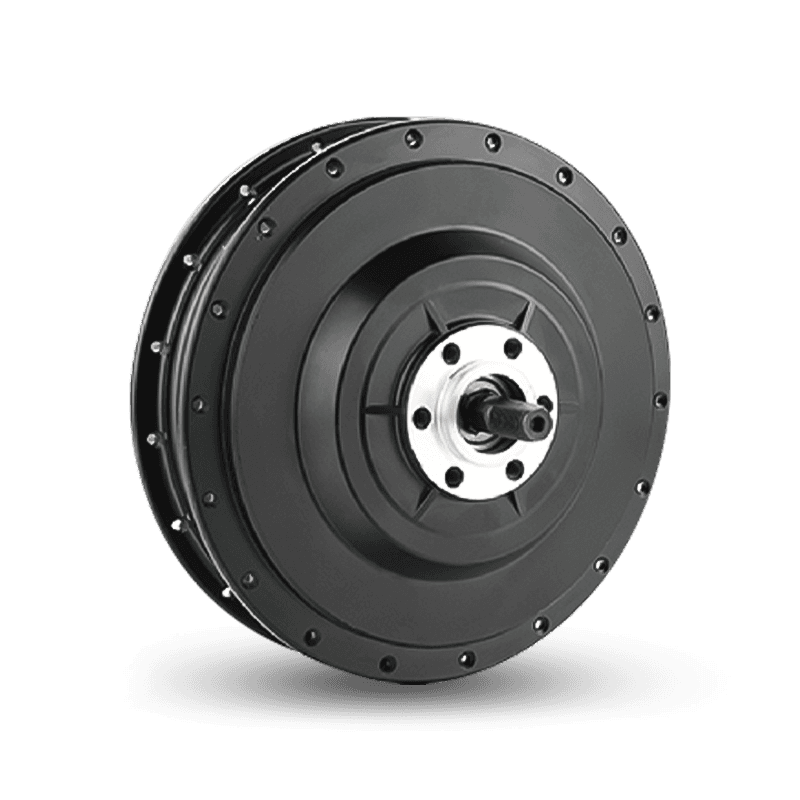 E-Type F500 Front Hub Motor
The E-Type F500 front hub motor is designed for E-Cargo and E-MTB bikes, offerin...
-
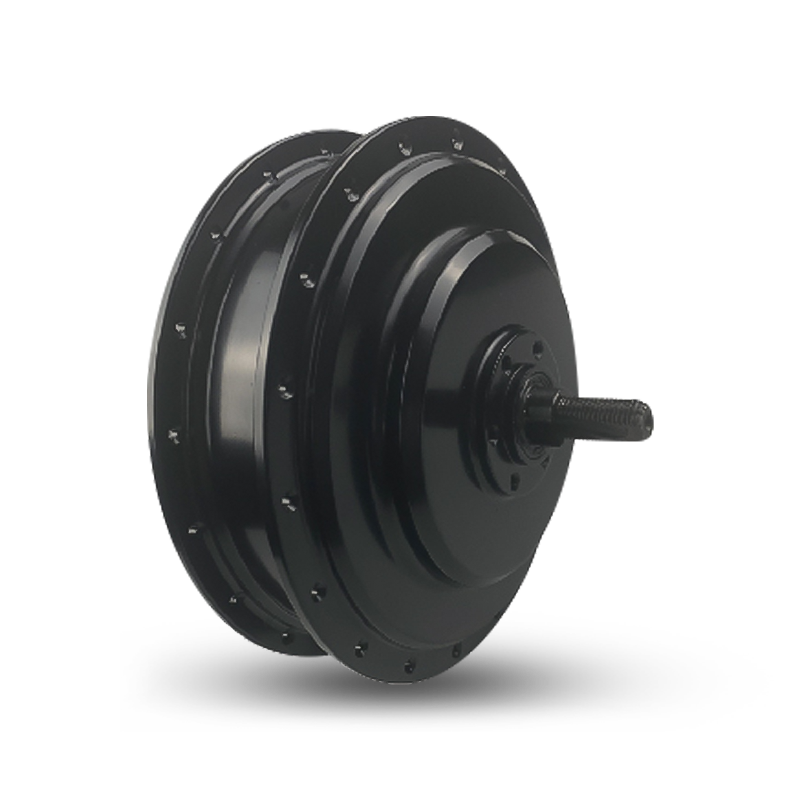 E-Type Pro RC750 Rear Hub Motor
The E-Type Pro RC750 Rear Hub Motor is designed for E-Cargo and E-MTB bikes, com...
-
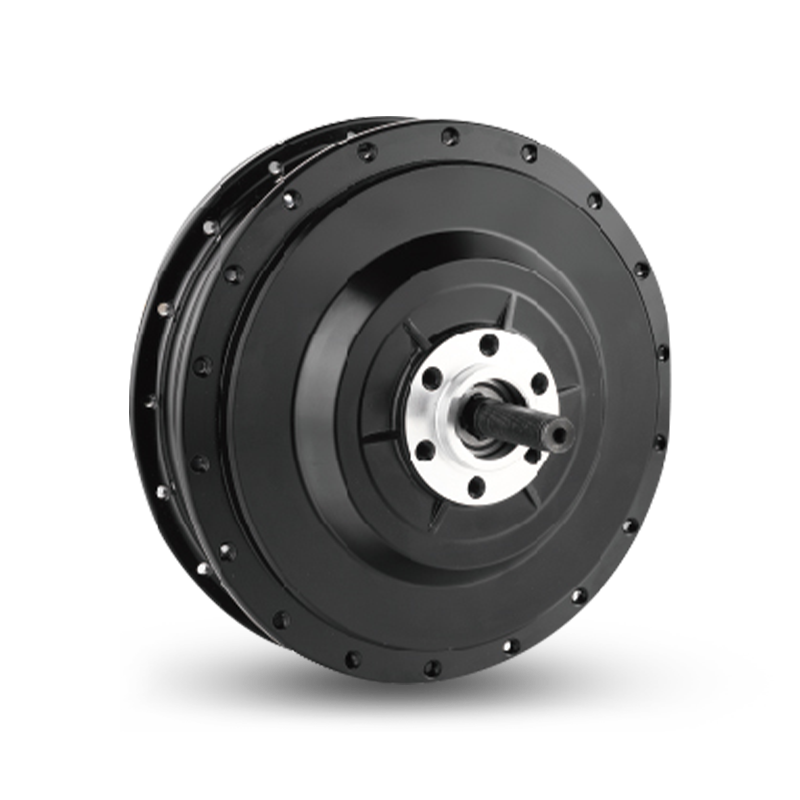 E-Type RF500 Rear Hub Motor
The E-Type RF500 Rear Hub Motor is designed for E-Cargo and E-MTB bikes, compati...
-
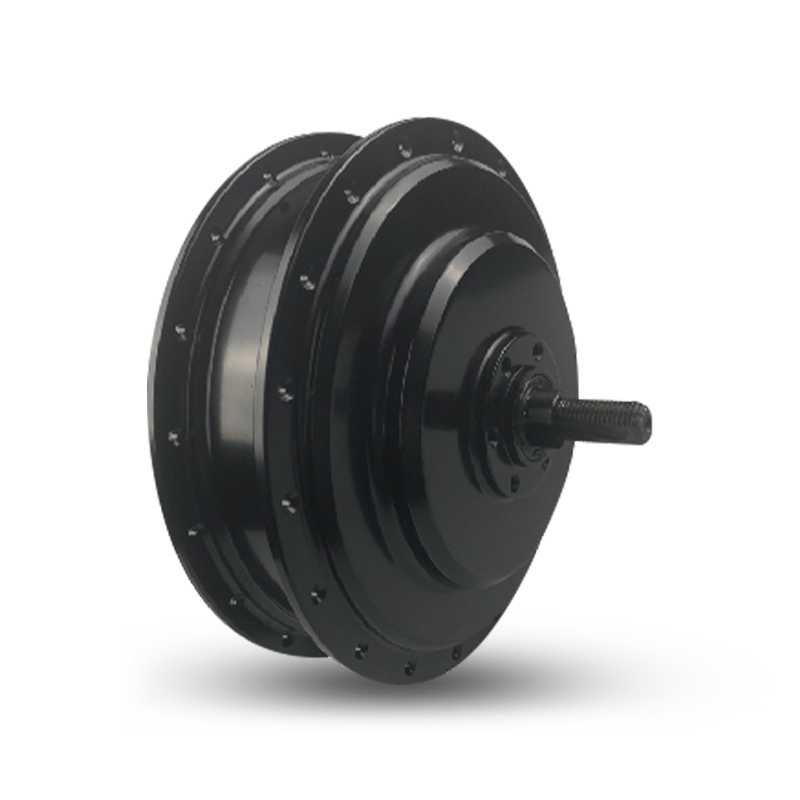 E-Type Pro RF750 Rear Hub Motor
The E-Type Pro RF750 Rear Hub Motor is designed for E-Cargo and E-MTB bikes, com...
-
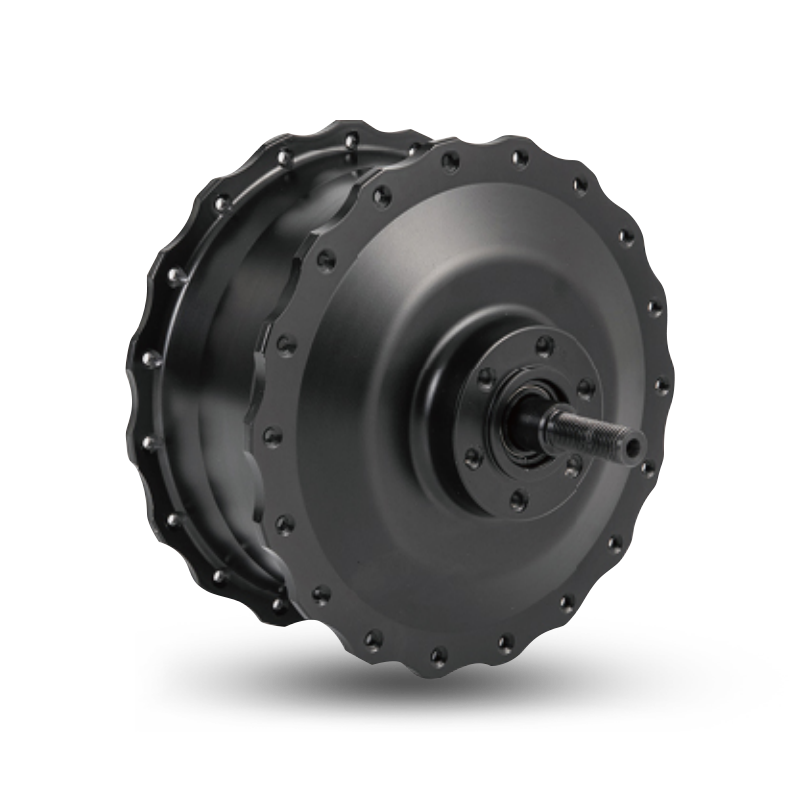 S-Type Pro F1500 Front Hub Motor
The S-Type Pro F1500 front hub motor, designed for E-Carao and E-Fat bikes, offe...
-
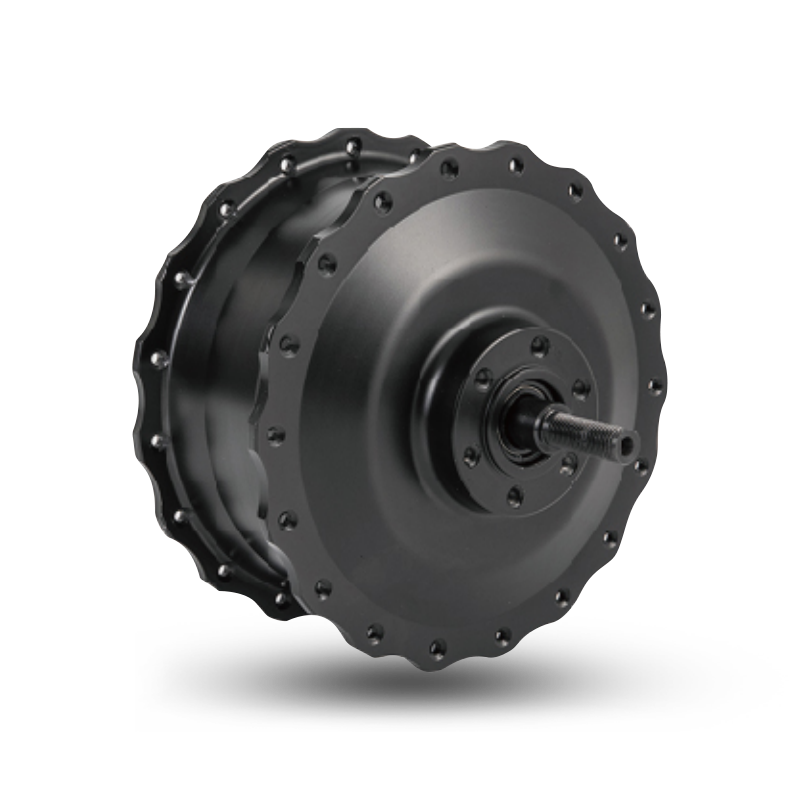 S-Type F750 Front Hub Motor
S-Type F750 is designed for E-Cargo and E-Fat. The rated power ranges from 500W ...
-
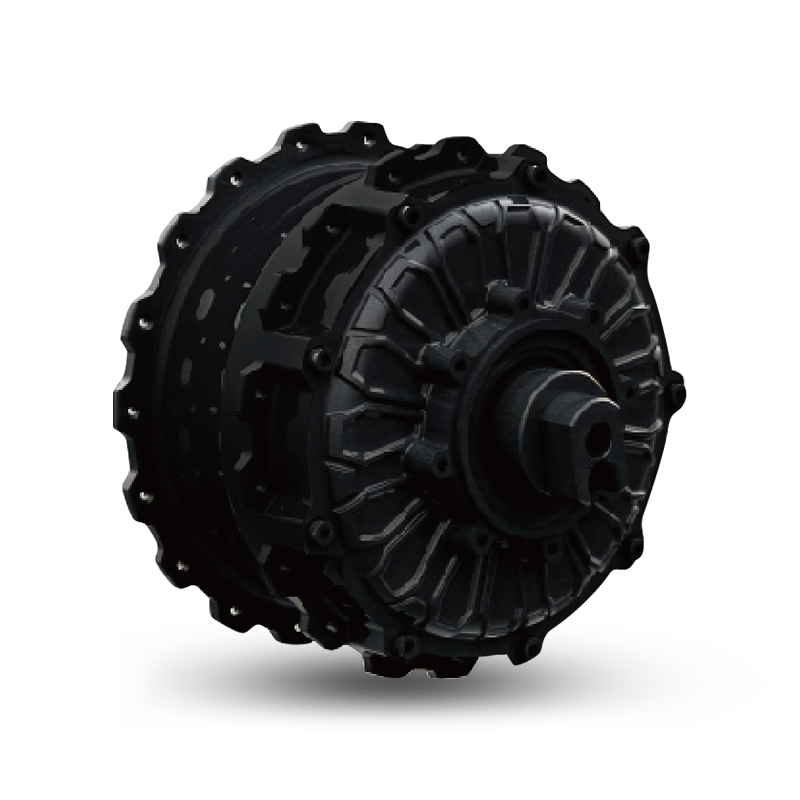 S-TYPE Max THRU AXLE Rear Hub Motor
The S-TYPE Max thru-axle motor is designed for E-Fat, Moped, and Cargo applicati...
-
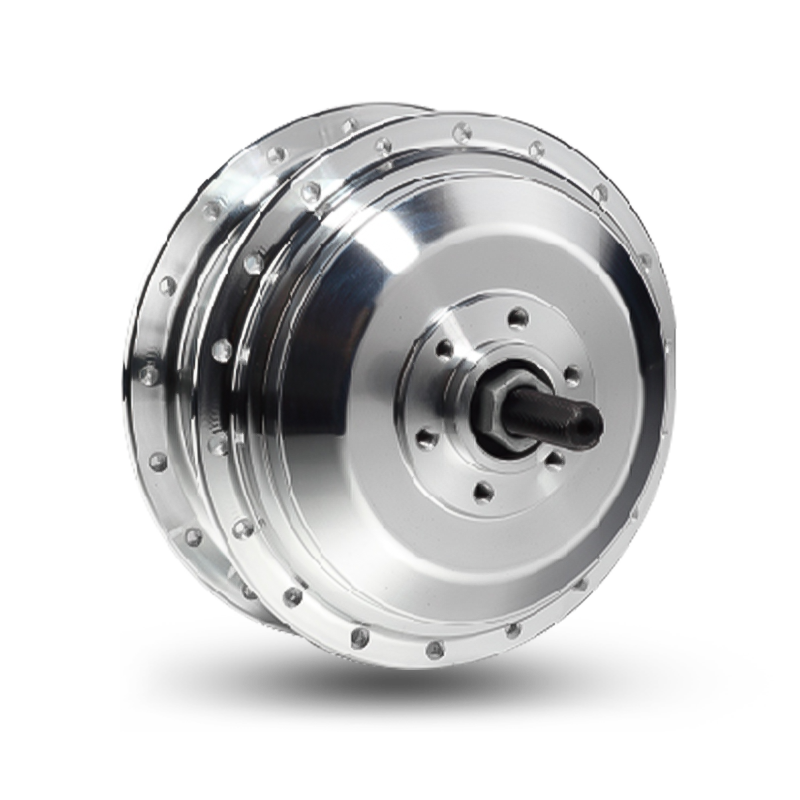 C-Type R350 Rear Hub Motor
The C-Type R350 Rear Hub Motor, designed for city e-bikes, offers a rated power ...
If you are interested in our products, please consult us
Contact Details
- Address:No. 3 Dingqiao Rd, Jiangshan Town, Yinzhou District, Ningbo, Zhejiang Province, China
- Phone: +86 13806662915
- Email: K.zhang@hengtai-cn.com
Products
Quick Link
News Center
Mobile terminal
