


 English
 中文简体
中文简体Don't hesitate to send a message
Mid Drive vs Hub Drive Electric Bike: Which Is Better?
Content
- 1 How Mid Drive and Hub Drive Motors Work
- 2 Full Comparison: Mid Drive vs Hub Drive Electric Bike
- 3 Torque: Why Mid Drive Wins on Paper but Hub Motors Catch Up in Practice
- 4 Efficiency and Range: Mid Drive Leads on Varied Terrain
- 5 Drivetrain Wear: A Hidden Cost of Mid Drive
- 6 Weight and Handling: Center Mass vs Wheel Mass
- 7 High Torque Ebike Hub Motors: What They Can and Can't Do
- 8 Cost Comparison: Purchase Price and Total Ownership
- 9 Which Setup Is Right for Your Riding Style?
- 10 Front Hub vs Rear Hub: An Important Sub-Decision
- 11 Choosing the Right Motor for Your Profile
- 12 The Bottom Line
Here's the direct answer: mid drive motors are better for technical terrain, steep hills, and performance riding, while hub drive motors—especially high torque ebike hub motors—are the smarter choice for flat commuting, budget builds, and low-maintenance use. Most everyday riders will be well-served by a quality hub motor. Enthusiasts tackling mountains or long off-road routes will benefit more from mid drive. The decision comes down to terrain, budget, and how much you value simplicity versus performance.
How Mid Drive and Hub Drive Motors Work
Mid Drive Motor
A mid drive motor is mounted at the bottom bracket—the center of the bike frame where the pedal cranks attach. It drives the chain directly, which means it works through the bike's existing gears. When you shift to a lower gear on a hill, the motor benefits from that mechanical advantage just as your legs do. This makes mid drive systems highly efficient across varied terrain.
Hub Drive Motor: The HENTACH Advantage
A hub motor is built directly into the wheel. At HENTACH, we leverage our 9,000+㎡ manufacturing campus to produce high-precision aluminum-magnesium alloy motor housings. By handling everything from raw material casting to final precision CNC processing, we ensure our hub motors are not just independent power sources, but durable components built to international ISO 9001 standards.
Full Comparison: Mid Drive vs Hub Drive Electric Bike
| Factor | Mid Drive Motor | Hub Drive Motor |
|---|---|---|
| Motor Position | Bottom bracket (center frame) | Front or rear wheel hub |
| Torque Output | 80–120 Nm (at motor, multiplied by gears) | 40–80 Nm directly at wheel |
| Hill Climbing | Excellent (uses bike gears) | Good (high torque models handle moderate hills) |
| Drivetrain Wear | High (chain, cassette wear faster) | Low (motor bypasses drivetrain) |
| Weight Distribution | Centered, lower center of gravity | Off-center (adds weight to wheel) |
| Maintenance Complexity | High (integrated with drivetrain) | Low (independent system) |
| Wheel Removal | Easy (standard rear axle) | More complex (motor wiring involved) |
| Typical Price Premium | $300–$1,000+ more than hub drive | More affordable entry point |
| Ride Feel | Natural, pedal-like assist | Throttle-friendly, direct push |
| Regenerative Braking | Not available | Available (direct drive hub only) |
Torque: Why Mid Drive Wins on Paper but Hub Motors Catch Up in Practice
Mid drive motors are often praised for their torque advantage, and the numbers back it up, which is then multiplied through the bike's gears. On a low gear climbing ratio, effective wheel torque can exceed 300–400 Nm. This is why mid drives excel on steep, technical climbs.
However, high torque ebike hub motors have closed much of this gap for practical use. A rear hub motor rated at 750W–1,000W can deliver 60–80 Nm directly at the wheel without any gear dependency. For riders on moderate hills (under 10–12% grade) carrying moderate loads, this is entirely sufficient. The torque edge for mid drive only becomes decisive on steep grades (12%+), sustained climbs, or technical off-road sections where the ability to shift down and maintain motor efficiency truly matters.
Standard hub motors often struggle on hills, but "high torque" isn't just a label for us—it’s an engineering result.
- Patented Innovation: HENTACH utilizes a patented nylon-steel gear set. This hybrid design provides the high-RPM torque multiplication of a mid-drive with the silence and simplicity of a hub motor.
- Proven Power: Our motors are tested on dedicated electric vehicle test benches to ensure consistent 60–80 Nm delivery, allowing them to handle grades up to 12% without the overheating issues common in lesser-quality builds.
Efficiency and Range: Mid Drive Leads on Varied Terrain
Because mid drive motors work through the bike's gears, they can always operate near their peak efficiency RPM regardless of speed or terrain. This translates into measurably better range on mixed or hilly routes. Real-world testing on comparable battery capacities shows mid drive bikes often achieve 10–20% more range than hub drive equivalents on hilly terrain.
On flat terrain, this advantage shrinks significantly. A hub motor cruising at a steady 18–20 mph on flat ground operates near its own efficiency sweet spot. In this scenario, the range difference between mid drive and a well-matched hub motor may be under 5%—practically negligible for most commuters.
Direct drive hub motors add the bonus of regenerative braking, recovering 5–15% of energy on routes with frequent stops or long descents. This partially offsets their lower raw efficiency, particularly in urban environments.
Drivetrain Wear: A Hidden Cost of Mid Drive
One of the most overlooked costs of mid drive ownership is accelerated drivetrain wear. Because the motor drives the chain directly, it subjects the chain, cassette, and chainring to far greater stress than a conventional bicycle. Riders on high-powered mid drive systems (500W+) commonly report needing chain replacement every 1,000–2,000 miles instead of the typical 3,000+ miles on a non-assisted bike.
A quality chain costs $20–$60. A cassette costs $30–$150. On a performance mid drive bike, annual drivetrain maintenance costs can easily reach $100–$300 per year, especially for heavy riders or those riding in wet/muddy conditions.
Hub motor bikes largely sidestep this issue. The motor operates independently of the chain, so drivetrain components wear at normal non-assisted rates. For riders who want low ownership costs, this is a concrete financial advantage.
Weight and Handling: Center Mass vs Wheel Mass
Mid drive motors mount at the bike's center of gravity, which improves balance, cornering, and overall handling. This is particularly valuable for mountain biking and technical trails.
Hub motors add weight directly to the wheel—either front or rear. A rear hub motor typically adds 3.5–13 lbs depending on type (geared vs. direct drive). This unsprung wheel mass affects ride quality and handling, though for commuter and casual riding purposes, most riders barely notice the difference.
For performance-oriented riders, especially on full suspension mountain bikes, mid drive's centered weight is a meaningful handling improvement. For flat-terrain commuters on rigid bikes, it's largely irrelevant.
High Torque Ebike Hub Motors: What They Can and Can't Do
The term "high torque ebike hub motor" refers to hub motors specifically engineered to maximize wheel torque output—typically through stronger magnets, optimized windings, or larger motor casings. These motors address the traditional weakness of hub drives and are worth understanding in detail.
What High Torque Hub Motors Do Well
- Hill climbing up to ~12% grade: With 60–80 Nm at the wheel, these motors handle most urban and suburban hills without issue.
- Throttle-based operation: Unlike mid drive systems that often require pedaling to activate, hub motors can operate on throttle alone—useful for cargo, delivery, or mobility-assist applications.
- Simple conversion compatibility: Hub motors are the go-to choice for converting existing bikes to e-bikes, with conversion kits available from $150–$600.
Where High Torque Hub Motors Fall Short
- Sustained steep climbing: Without gear reduction through the drivetrain, hub motors work harder on long, steep grades and can overheat under prolonged high-torque demand.
- Fixed gear ratio: The motor is wound for a specific speed range. Pushing outside that range (very slow climbing or very high speed) reduces efficiency significantly.
- Wheel removal difficulty: Flat tire repair is more involved with a hub motor wheel due to the motor cable and thicker axle.
Cost Comparison: Purchase Price and Total Ownership
Price is one of the most practical deciding factors for most buyers:
| Cost Category | Mid Drive E-Bike | Hub Drive E-Bike |
|---|---|---|
| Entry-level complete bike | $1,800–$2,800 | $800–$1,500 |
| Performance / premium bike | $3,500–$8,000+ | $1,500–$4,000 |
| Motor unit alone (aftermarket) | $400–$1,200 | $80–$400 |
| Annual drivetrain maintenance | $100–$300 | $20–$80 |
| Motor service / rebuild | $150–$500+ (specialized) | $20–$100 (bearings/gears) |
Over a 3-year ownership period, the total cost gap between mid drive and hub drive can exceed $1,000–$2,000 when accounting for both purchase price and ongoing maintenance. For budget-conscious riders, this is a compelling argument for hub drive.
Which Setup Is Right for Your Riding Style?
Use the following guide to match your needs to the right motor type:
| Rider / Use Case | Best Motor Type | Key Reason |
|---|---|---|
| Urban commuter, flat terrain | Hub drive | Simple, affordable, low maintenance |
| Mountain / trail rider | Mid drive | Better handling, gear-multiplied torque |
| Hilly suburb commuter | High torque hub motor or mid drive | Both viable; hub is cheaper |
| Cargo / delivery rider | High torque rear hub motor | Strong low-speed torque, throttle operation |
| Long-distance touring | Mid drive | Better efficiency over varied terrain |
| DIY e-bike conversion | Hub drive | Easier to install, lower kit cost |
| Budget-conscious first buyer | Hub drive | $800–$1,500 entry vs $1,800+ for mid drive |
| Rider with knee issues / low cadence | Hub drive with throttle | Can ride without pedaling under strain |
Front Hub vs Rear Hub: An Important Sub-Decision
If you choose a hub motor, you'll also need to decide between front and rear mounting:
- Rear hub motors are the dominant choice. They provide traction-optimized drive (rear wheel has more weight over it), a more natural ride feel, and better hill performance. Most high torque ebike hub motors are rear-mounted for this reason.
- Front hub motors are simpler to install, compatible with virtually any bike, and leave the rear drivetrain completely untouched. However, they can cause front wheel slip on loose surfaces and feel unnatural on climbs. Best suited for flat-terrain commuter use on lighter bikes.
For riders considering a conversion kit, a 750W–1,000W rear hub motor kit offers the best balance of power, traction, and compatibility at a typical cost of $200–$450 including the wheel, controller, and display.
Choosing the Right Motor for Your Profile
As a manufacturer that serves diverse global markets—including agricultural machinery, e-karts, and cargo vehicles—we see how different motors thrive in different environments:
- The Professional Commuter:Choose a HENTACH Rear Hub Motor. It offers throttle-friendly operation and zero drivetrain wear, perfect for getting to work without a mechanical failure.
- The Heavy-Duty Hauler:For cargo or delivery, our hub motors provide the "grunt" needed without the constant need for chain tensioning or replacement.
- The Performance Enthusiast:Mid-drive remains the king of the mountain, but for 90% of "real world" riding, a high-torque hub motor provides the best return on investment.
The Bottom Line
Mid drive motors are the performance leader—superior on steep hills, more efficient on mixed terrain, and better-handling on technical trails. If you ride mountains, tour long distances, or want the most bike-like feel from your e-assist, mid drive is worth the higher cost and maintenance demands.
Hub drive motors—particularly high torque ebike hub motors—are the practical choice for the majority of riders. They cost less to buy, cost less to maintain, require fewer repairs, and perform admirably for commuting, casual riding, cargo use, and even moderate hills. The best high torque hub motors have eliminated most of the performance gap that once made mid drive an obvious upgrade.
Choose mid drive if terrain is demanding. Choose hub drive if budget, simplicity, or flat-terrain riding defines your use case. Either way, both technologies have matured to the point where any well-built e-bike in either category will serve most riders well for years.
Trust the brand known globally as both Hengtai Motor and HENTACH Motor. We don't just assemble motors; we engineer them from the casting stage up. Whether you are building an e-bike, an AGV, or a specialized industrial vehicle, our 30 years of innovation ensure your motor will be stronger, smarter, and longer-lasting.
Choose HENTACH for proven reliability that goes the distance.
OUR PRODUCTS
Recommended Products
-
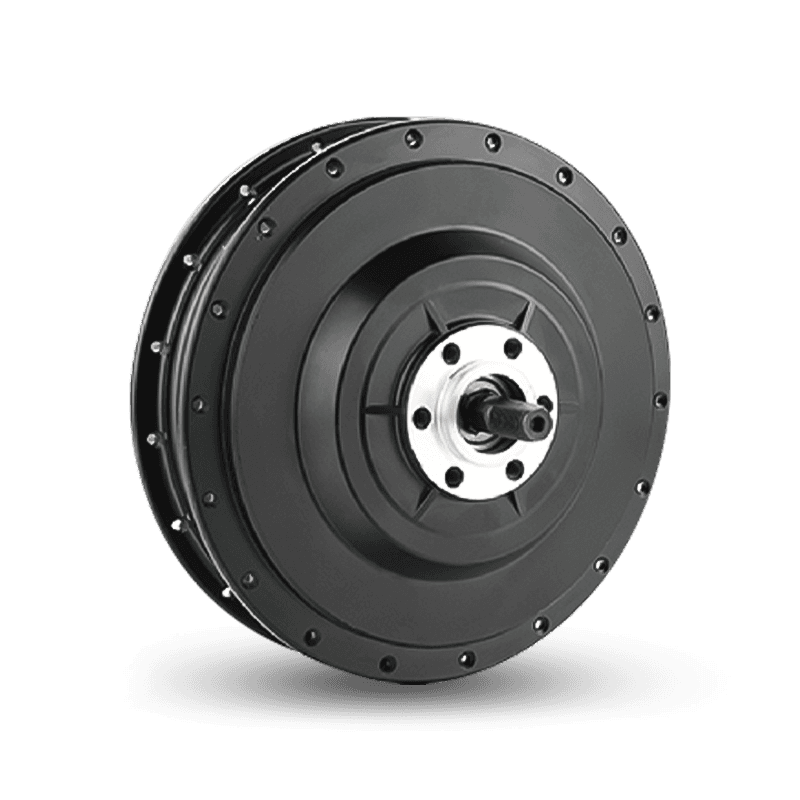 E-Type F500 Front Hub Motor
The E-Type F500 front hub motor is designed for E-Cargo and E-MTB bikes, offerin...
-
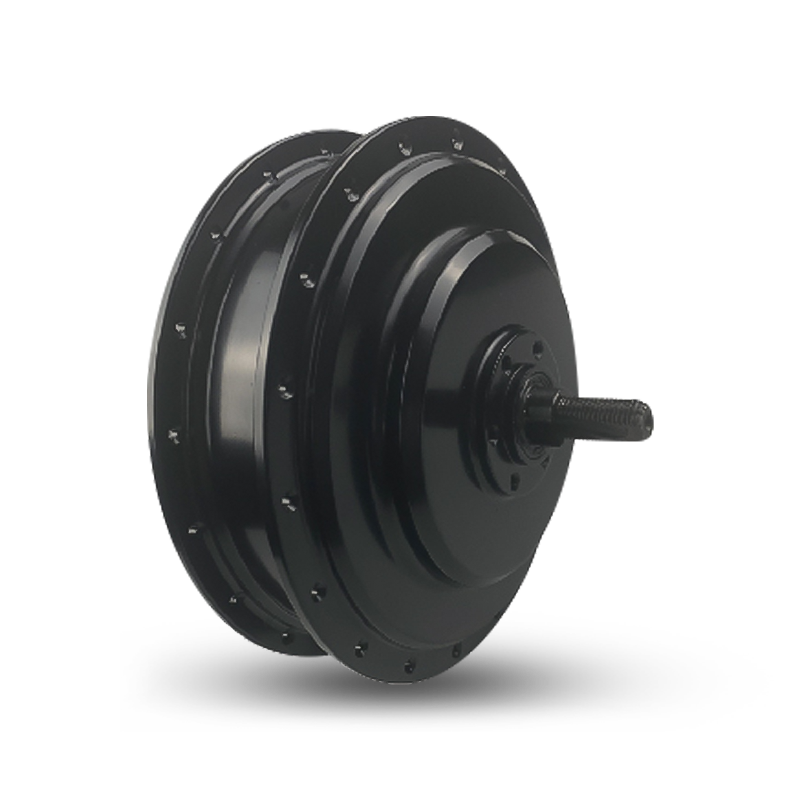 E-Type Pro RC750 Rear Hub Motor
The E-Type Pro RC750 Rear Hub Motor is designed for E-Cargo and E-MTB bikes, com...
-
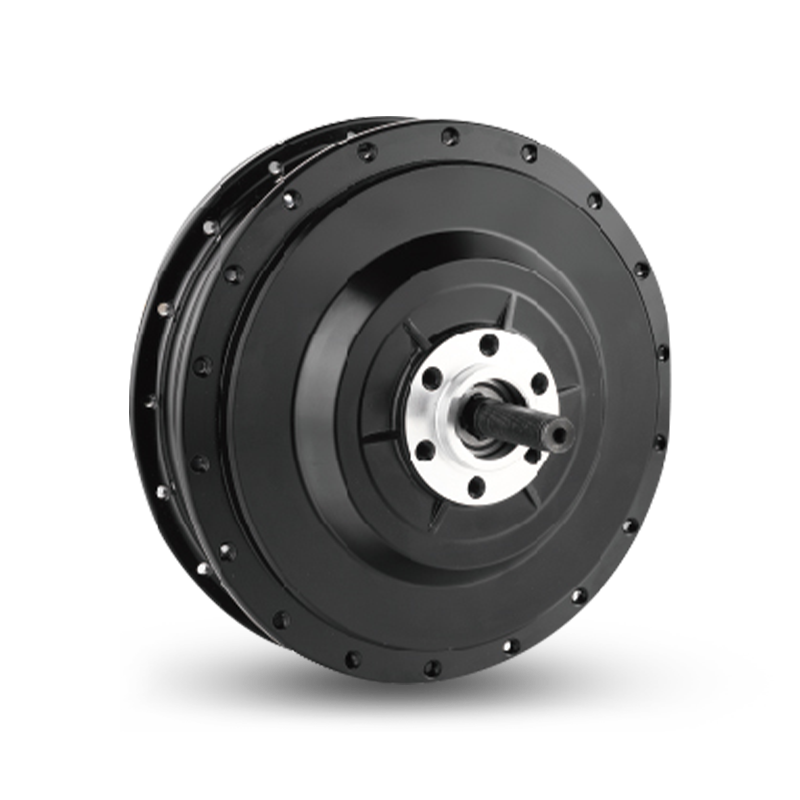 E-Type RF500 Rear Hub Motor
The E-Type RF500 Rear Hub Motor is designed for E-Cargo and E-MTB bikes, compati...
-
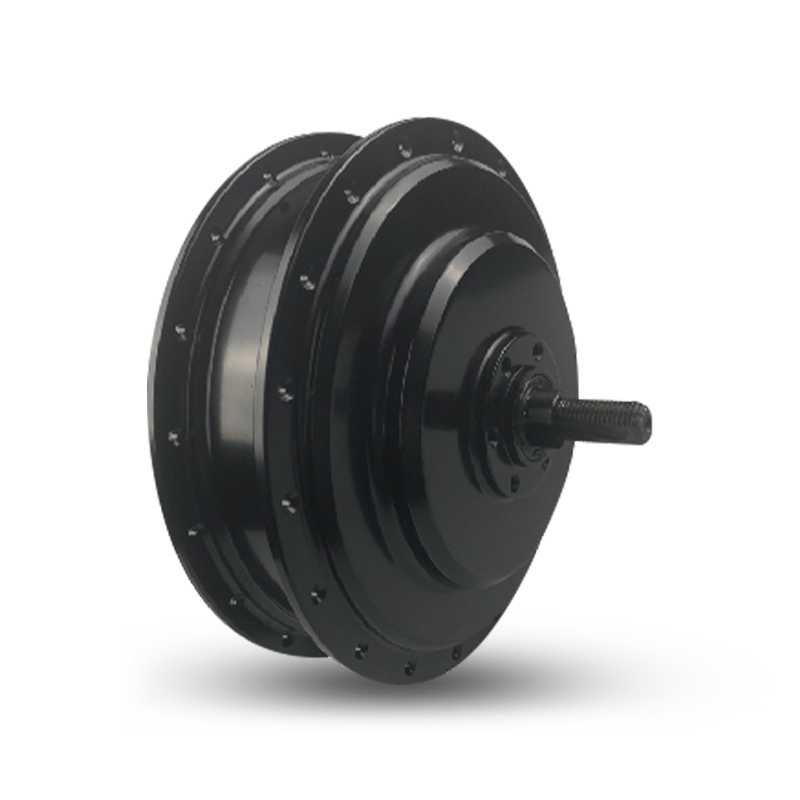 E-Type Pro RF750 Rear Hub Motor
The E-Type Pro RF750 Rear Hub Motor is designed for E-Cargo and E-MTB bikes, com...
-
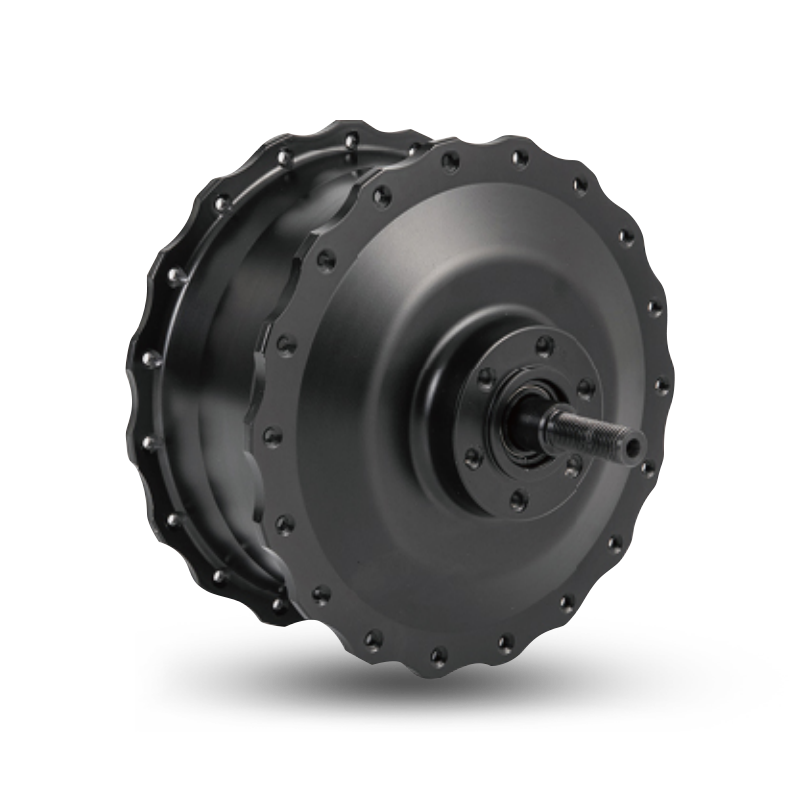 S-Type Pro F1500 Front Hub Motor
The S-Type Pro F1500 front hub motor, designed for E-Carao and E-Fat bikes, offe...
-
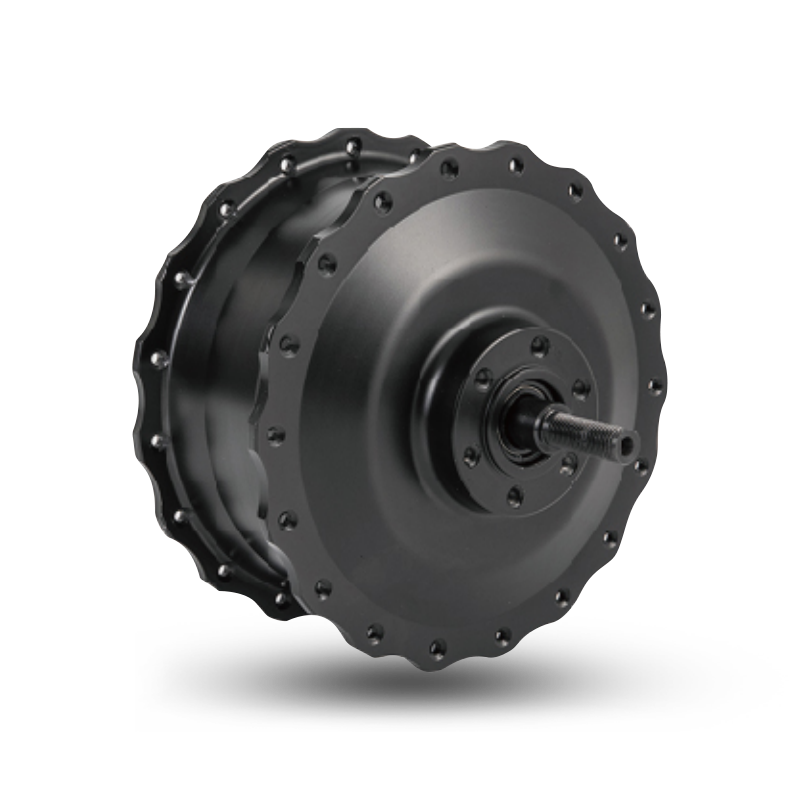 S-Type F750 Front Hub Motor
S-Type F750 is designed for E-Cargo and E-Fat. The rated power ranges from 500W ...
-
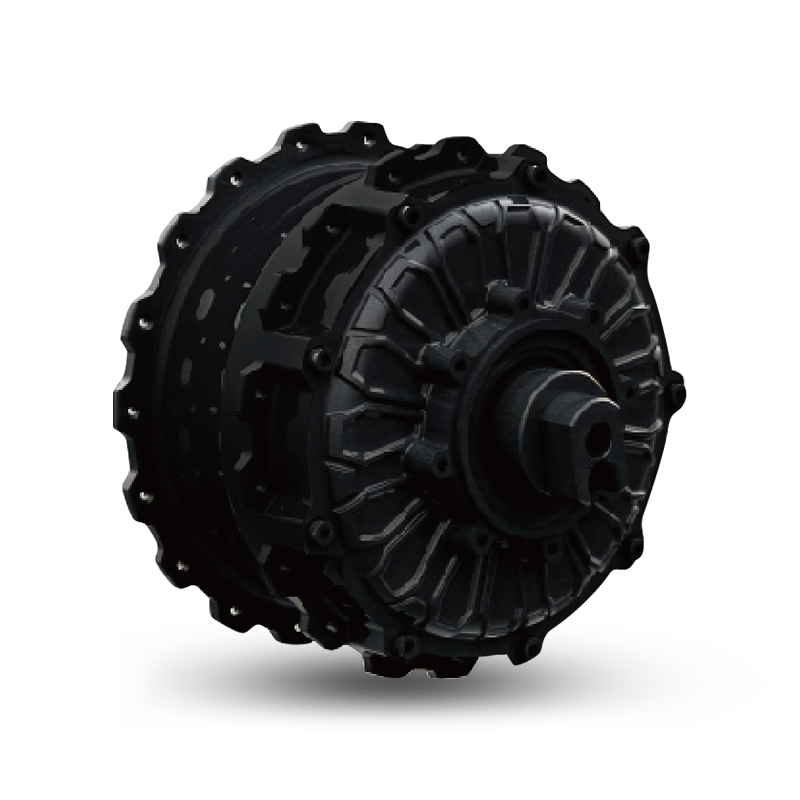 S-TYPE Max THRU AXLE Rear Hub Motor
The S-TYPE Max thru-axle motor is designed for E-Fat, Moped, and Cargo applicati...
-
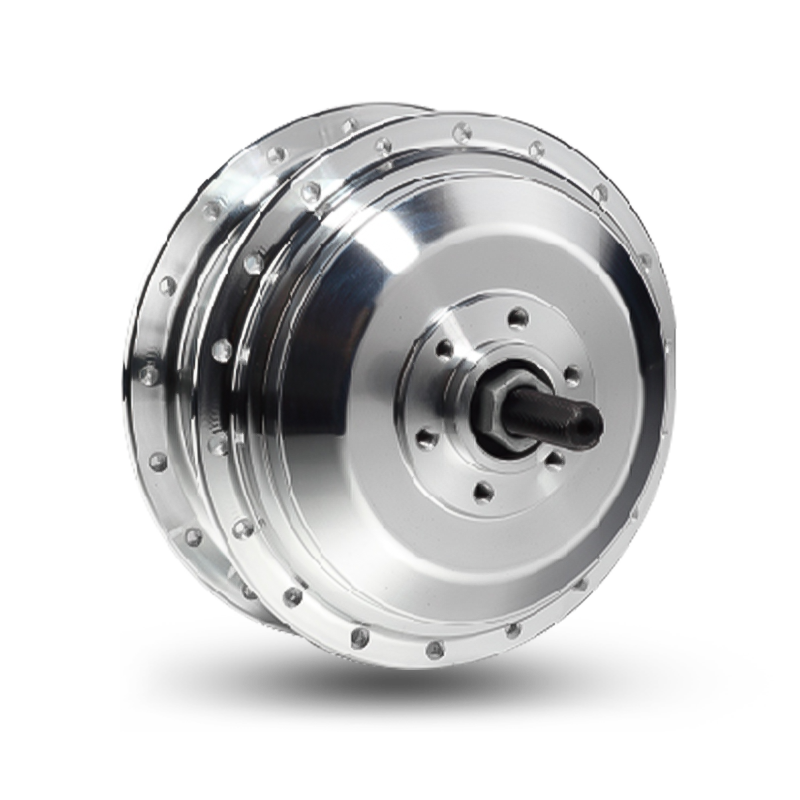 C-Type R350 Rear Hub Motor
The C-Type R350 Rear Hub Motor, designed for city e-bikes, offers a rated power ...
If you are interested in our products, please consult us
Contact Details
- Address:No. 3 Dingqiao Rd, Jiangshan Town, Yinzhou District, Ningbo, Zhejiang Province, China
- Phone: +86 13806662915
- Email: K.zhang@hengtai-cn.com
Products
Quick Link
News Center
Mobile terminal
