


 English
 中文简体
中文简体Don't hesitate to send a message
What Is E-Fat Tire Motor & How to Choose the Right One
Content
- 1 Why Fat Tires Place Unique Demands on Ebike Motors
- 2 Hub Motors for Fat Tire Ebikes: Types, Sizes, and Performance
- 3 Mid-Drive Motors for Fat Tire Ebikes: Advantages and Limitations
- 4 Motor Power and Torque Requirements by Fat Tire Terrain
- 5 Hub Motor vs. Mid-Drive for Fat Tire Ebikes: Side-by-Side Comparison
- 6 Voltage and Battery Pairing for E-Fat Tire Motors
- 7 Key Specifications to Verify Before Buying an E-Fat Tire Motor
- 8 Maintaining Your E-Fat Tire Motor for Longevity in Harsh Conditions
An e-fat tire motor is an electric motor specifically paired with fat tire electric bikes — bicycles fitted with oversized tires typically 3.8 to 5.0 inches wide — designed to handle demanding surfaces including sand, snow, mud, gravel, and rocky trails. The motor must compensate for the significantly higher rolling resistance of fat tires while delivering enough torque to maintain useful speeds across soft or uneven terrain. Choosing the wrong motor for a fat tire ebike results in overheating, inadequate hill performance, and rapid battery drain.
The direct answer: fat tire ebikes require motors with higher torque output than standard ebike motors — typically a minimum of 500W and 60+ Nm at the wheel for off-road or mixed terrain use. Hub motors in the 750W–1,500W range and mid-drive motors with 80–120 Nm of crank torque are the most commonly used and practically proven configurations. This guide explains exactly what distinguishes a capable e-fat tire motor from an undersized one, and how to match motor specifications to your terrain and use case.
Why Fat Tires Place Unique Demands on Ebike Motors
Fat tires are not simply wider versions of standard bicycle tires. Their physical properties create a fundamentally different power demand profile that directly impacts motor selection.
Rolling Resistance Is Substantially Higher
A standard 2.1-inch mountain bike tire at 30–40 PSI rolls with relatively low resistance on firm surfaces. A fat tire at 4.8 inches wide and 5–15 PSI conforms to the surface beneath it, increasing the tire contact patch dramatically. On sand or snow, this is exactly what provides flotation — but it comes at a significant energy cost. Rolling resistance on soft sand can be 3–5 times higher than on packed gravel, meaning the motor must work proportionally harder to maintain the same speed.
Larger Wheel Diameter Reduces Effective Motor Torque
Fat tire bikes most commonly use 26×4.0–5.0 inch or 20×4.0–4.5 inch wheel sizes. A 26-inch fat wheel has a larger effective rolling radius than a standard 26-inch wheel due to tire volume — effectively acting like a 27.5–28-inch wheel. This larger radius reduces the torque delivered to the ground per watt of motor output. A motor that adequately drives a 26×2.1-inch standard tire may struggle noticeably on a 26×4.8-inch fat tire at the same wattage.
Higher Total System Weight
Fat tire ebikes are inherently heavier than standard ebikes. A typical fat tire ebike frame weighs 5–8 kg more than a comparable standard frame, fat tires add 1–2 kg per pair, and the reinforced rims add further mass. A fully equipped fat tire ebike commonly weighs 28–38 kg — substantially more than the 18–24 kg of a standard commuter ebike. This additional weight amplifies the power required for acceleration, hill climbing, and maintaining speed on soft surfaces.
Hub Motors for Fat Tire Ebikes: Types, Sizes, and Performance
Hub motors are the most common e-fat tire motor configuration — they integrate directly into the wheel hub, require no modification to the drivetrain, and are available as complete laced wheel assemblies ready for fat tire installation.
Fat-Specific Hub Motor Dimensions
Standard hub motors are designed for 100mm (front) and 135mm (rear) dropout spacing. Fat tire frames and forks use wider spacing to accommodate the wider tires and reinforced rims:
- Front fat fork dropout: Typically 135mm or 150mm — requires a hub motor with a matching axle width, or an axle spacer kit.
- Rear fat frame dropout: Typically 170mm or 190mm — significantly wider than the 135mm standard. Hub motors must be specifically rated for fat rear dropout spacing; standard hub motors cannot be used without modification.
- Rim width compatibility: Fat tire rims have an internal width of 50–100mm, requiring the hub motor's flange diameter and spoke hole pattern to match the rim specification for proper wheel lacing.
Always verify axle width and flange specifications against your specific frame and rim before purchasing a fat tire hub motor kit. Mismatched axle widths are the most common installation error in fat ebike conversions.
Geared Hub Motors for Fat Tires
Geared hub motors use internal planetary gears to multiply torque. For fat tire applications, geared hub motors in the 500W–1,000W range are practical for moderate terrain (packed snow, gravel, mild trails). Key advantages include freewheeling when unpowered (natural pedaling), lighter weight (3.5–5 kg), and strong low-speed torque. Key limitations are gear wear under sustained high-load conditions and reduced suitability for sustained deep sand or steep technical climbs at full power.
Direct Drive Hub Motors for Fat Tires
Direct drive hub motors have no internal gears — the wheel hub is the motor rotor. For fat tire ebikes used in demanding off-road conditions, direct drive motors in the 1,000W–3,000W range provide sustained torque without gear wear risk, effective regenerative braking, and superior heat dissipation due to larger stator mass. The trade-offs are greater weight (5–10 kg), magnetic drag when unpowered, and reduced efficiency at low speeds.
Mid-Drive Motors for Fat Tire Ebikes: Advantages and Limitations
Mid-drive motors mount at the bike's bottom bracket and drive the crank, using the bike's existing gear system to multiply torque across different terrain. For fat tire ebikes used on highly variable terrain, mid-drive motors offer meaningful advantages over hub motors.
Why Mid-Drive Works Well With Fat Tires on Technical Terrain
- Gear multiplication: Unlike a hub motor locked to a fixed gear ratio, a mid-drive uses the bike's cassette (typically 7–12 speeds). In the lowest gear, a 85 Nm mid-drive motor can deliver effective wheel torque exceeding 400–600 Nm — far beyond any hub motor — enabling the bike to crawl through deep mud, sand, or steep inclines that would stall a hub motor.
- Centered weight distribution: The motor sits at the bike's center of gravity rather than in the wheel. On fat tire bikes ridden off-road, this improves handling, balance, and traction distribution compared to a heavy rear hub motor.
- Wheel interchangeability: With no motor in the wheel hub, fat tires can be swapped, repaired, or replaced without electrical work — an important practical advantage for off-road riders who experience punctures frequently.
- Torque sensing: Premium mid-drives use torque sensors that modulate power based on pedaling force, delivering a natural riding feel and improved efficiency over cadence-only sensing systems.
Limitations of Mid-Drive on Fat Tire Builds
- Mid-drive motors drive the chain, which wears 2–4 times faster on an ebike than on a conventional bicycle — and fat tire drivetrains are often less standardized, making chain and cassette replacements more complex.
- Mid-drive retrofit kits require a compatible bottom bracket shell size (typically 68mm or 73mm threaded, or 100mm BSA). Not all fat tire frames are compatible.
- Cost is significantly higher — a quality mid-drive system (motor + display + sensors) costs $400–$1,500, compared to $150–$500 for a comparable hub motor kit.
Motor Power and Torque Requirements by Fat Tire Terrain
Fat tire ebikes are used across a wide range of surfaces, each imposing different motor demands. The table below provides practical motor specification benchmarks by terrain type.
| Terrain Type | Typical Total Load | Min. Wheel Torque | Recommended Motor Power |
|---|---|---|---|
| Packed gravel / light trail | 100–130 kg | 45–60 Nm | 500W–750W |
| Packed snow / hard sand | 110–140 kg | 60–80 Nm | 750W–1,000W |
| Loose sand / soft snow | 110–150 kg | 80–110 Nm | 1,000W–1,500W |
| Mud / wet roots / technical trail | 120–160 kg | 100–140 Nm | 1,000W–2,000W (hub) or mid-drive |
| Steep off-road hills (15%+) | 120–180 kg | 120–160+ Nm | Mid-drive 85–120 Nm crank torque |
These figures assume pedal assistance contributes meaningfully. In throttle-only operation (no pedaling), required motor power increases by approximately 30–50% for the same terrain and load.
Hub Motor vs. Mid-Drive for Fat Tire Ebikes: Side-by-Side Comparison
| Factor | Hub Motor (Fat-Specific) | Mid-Drive Motor |
|---|---|---|
| Torque at wheel (typical) | 60–130 Nm | 200–600+ Nm (via low gear) |
| Installation complexity | Moderate (wheel lacing required) | Higher (bottom bracket, chain, sensor setup) |
| Tire change ease | Requires disconnecting motor wiring | Standard tire change, no electrical work |
| Chain wear | Normal rate | 2–4× accelerated |
| Weight distribution | Rear or front heavy | Centralized (better off-road balance) |
| Throttle-only capability | Easy to configure | Limited on premium systems |
| Regenerative braking | Available (direct drive only) | Not available on most systems |
| Cost range (motor + kit) | $180–$600 | $400–$1,500+ |
| Best fat tire use case | Beach, snow, moderate trail, throttle use | Technical trails, steep hills, natural pedaling |
Voltage and Battery Pairing for E-Fat Tire Motors
Fat tire ebike motors consume more energy than standard ebike motors due to higher rolling resistance and system weight. Correct battery pairing is essential to achieve usable range and protect motor performance.
Recommended Voltage by Motor Class
- 500W–750W hub motors: 48V minimum. A 48V 15Ah battery (720Wh) provides approximately 35–50 km of range on packed surfaces. On soft sand or snow, expect 20–30 km from the same battery.
- 1,000W–1,500W hub motors: 48V–52V. A 52V 20Ah battery (1,040Wh) is a practical minimum for meaningful off-road range. Expect 25–40 km on demanding terrain with active pedaling.
- 2,000W+ direct drive motors: 60V–72V. High-power fat builds require large battery packs — a 72V 20Ah (1,440Wh) pack is typical for performance off-road builds, providing 30–50 km range depending on terrain and power usage.
- Mid-drive systems (250W–1,000W): Most use 36V or 48V batteries. Premium systems use proprietary 36V batteries (up to 750Wh in the PowerTube 750), providing 40–80 km of mixed terrain range with active pedaling.
Battery Discharge Rate (C Rating) for High-Power Fat Builds
Fat terrain riding draws high peak currents during acceleration and hill climbing. A 1,500W motor on a 48V system draws approximately 31A continuously. Use a battery rated for at least 30–40A continuous discharge (e.g., cells rated at 2C or higher for a 15Ah pack). Underrated batteries cause voltage sag under load, which reduces motor torque and degrades battery life rapidly.
Key Specifications to Verify Before Buying an E-Fat Tire Motor
Fat tire ebike motor purchases fail most commonly due to specification mismatches rather than motor quality issues. Work through this checklist before finalizing any purchase.
- Axle width: Confirm rear axle width matches your frame's dropout spacing — 170mm or 190mm for most fat frames. Front axle: 135mm or 150mm for fat forks. A wrong axle width cannot be corrected without professional cold-setting of the frame, which voids most warranties.
- Rim lacing compatibility: Verify the hub motor's flange diameter and spoke hole count (typically 36H for fat builds) against your intended fat rim. A 36-hole hub must be laced to a 36-hole rim with appropriate spoke length for the rim's ERD (Effective Rim Diameter).
- Rated vs. peak wattage: Many hub motor kits advertise peak wattage. A motor advertised as "1,500W" may have a continuous rating of 750W. Understand which figure applies to your sustained-use scenario — sustained load on soft terrain is a continuous-load situation, not a peak one.
- IP rating for weather resistance: Fat tire bikes are frequently used in wet conditions (rain, snow, beach spray). Look for a minimum IP54 rating for the motor; IP65 or higher is preferable for regular wet or mud riding.
- Gear type (for geared hub motors): For fat terrain use above 750W or loads above 120 kg, specify a motor with metal/sintered steel planet gears. Nylon gears in demanding fat terrain applications have a significantly shortened service life.
- Torque arm inclusion: Any hub motor above 500W on a fat frame requires a torque arm — confirm one is included in the kit or budget for a quality aftermarket unit ($15–$40). Fat frames with 170–190mm dropouts often require custom-fit torque arms.
- Controller compatibility: For DIY builds, confirm the supplied or chosen controller matches the motor's phase wiring, Hall sensor count, and voltage range. Mismatched controllers cause jerky operation, efficiency loss, or motor damage.
Maintaining Your E-Fat Tire Motor for Longevity in Harsh Conditions
Fat tire ebikes operate in environments that accelerate wear — salt, sand, mud, and water ingress are constant concerns. The following maintenance practices apply specifically to e-fat tire motor systems used in these conditions.
- Rinse after beach or mud riding: Rinse the motor hub with fresh water after salt water or mud exposure. Allow to dry completely before storage. Salt crystallization inside motor seals accelerates bearing and winding degradation significantly.
- Inspect and regrease gears annually: Open the hub side cover and check gear grease condition every 12 months or 2,000–3,000 km, whichever comes first. Off-road fat riding generates more vibration and heat than road use, accelerating grease degradation.
- Check spoke tension every 500 km: Fat tire wheels experience high spoke stress during off-road riding. High hub motor torque during acceleration further loads the spokes. A loose spoke left unchecked leads to wheel deformation and potential rim damage. Have the wheel trued and tension checked regularly.
- Keep motor connectors sealed: Use dielectric grease on all motor cable connectors before first use and reapply annually. Connector corrosion is the leading cause of electrical failures in fat tire ebikes used outdoors year-round.
- Avoid sustained full-throttle on deep soft terrain: Deep sand and deep snow riding at full throttle without pedaling is the highest thermal load scenario for any e-fat tire motor. Contribute consistent pedaling on demanding surfaces to share the thermal burden and extend motor service life.
OUR PRODUCTS
Recommended Products
-
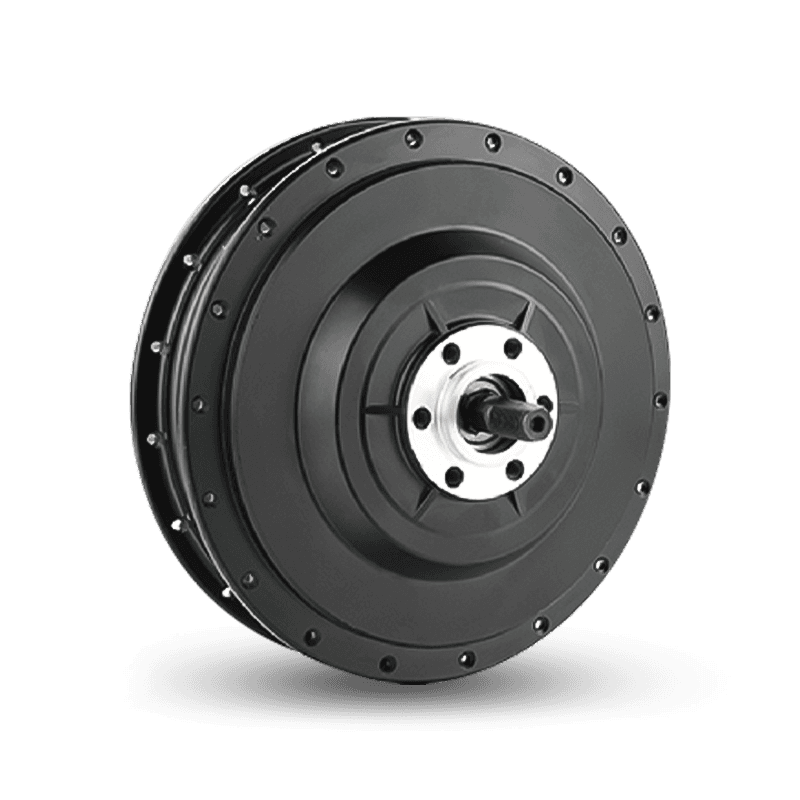 E-Type F500 Front Hub Motor
The E-Type F500 front hub motor is designed for E-Cargo and E-MTB bikes, offerin...
-
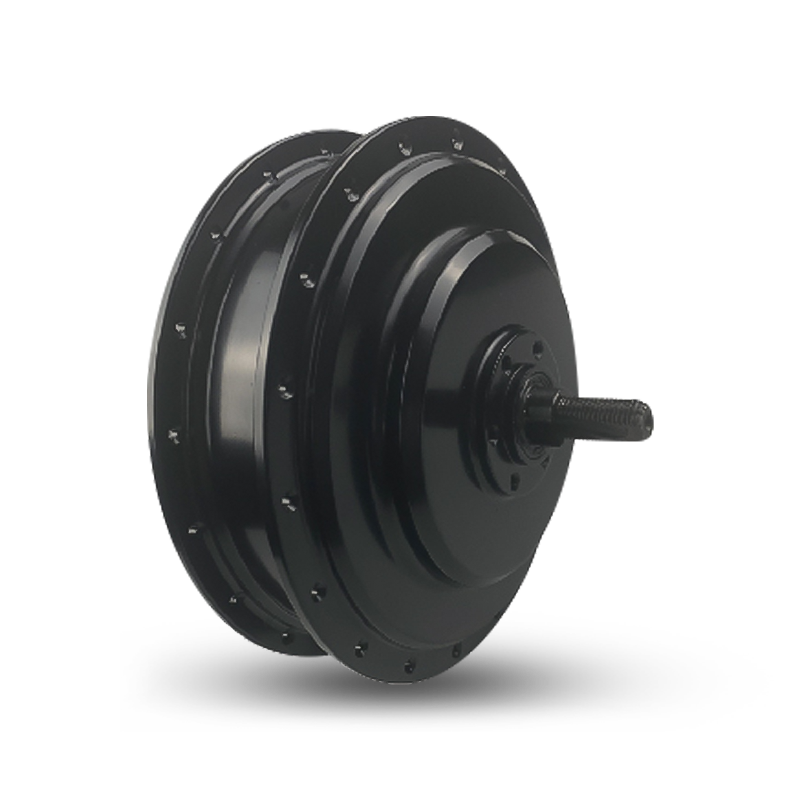 E-Type Pro RC750 Rear Hub Motor
The E-Type Pro RC750 Rear Hub Motor is designed for E-Cargo and E-MTB bikes, com...
-
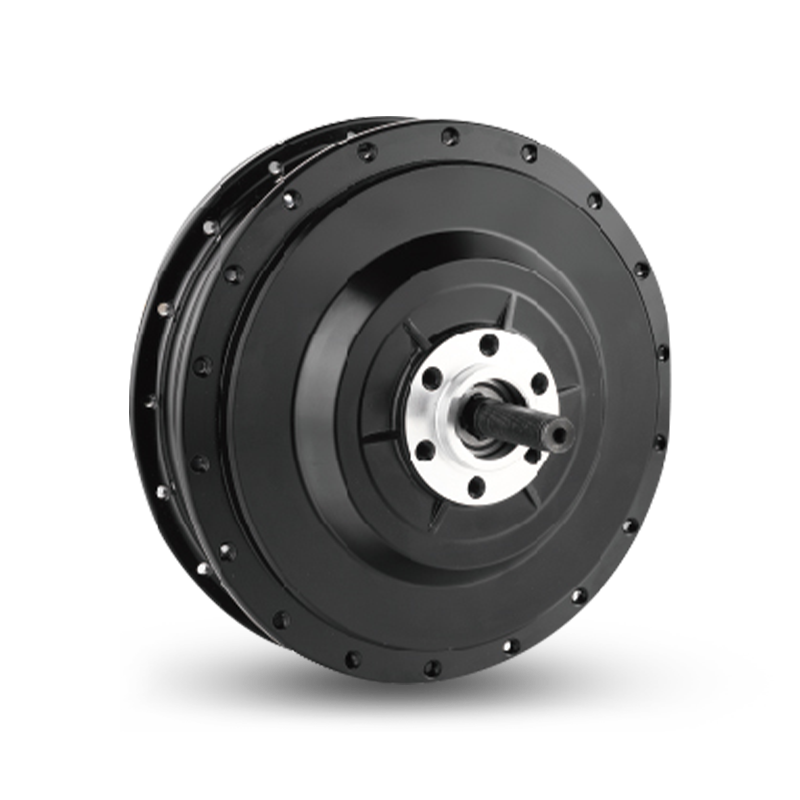 E-Type RF500 Rear Hub Motor
The E-Type RF500 Rear Hub Motor is designed for E-Cargo and E-MTB bikes, compati...
-
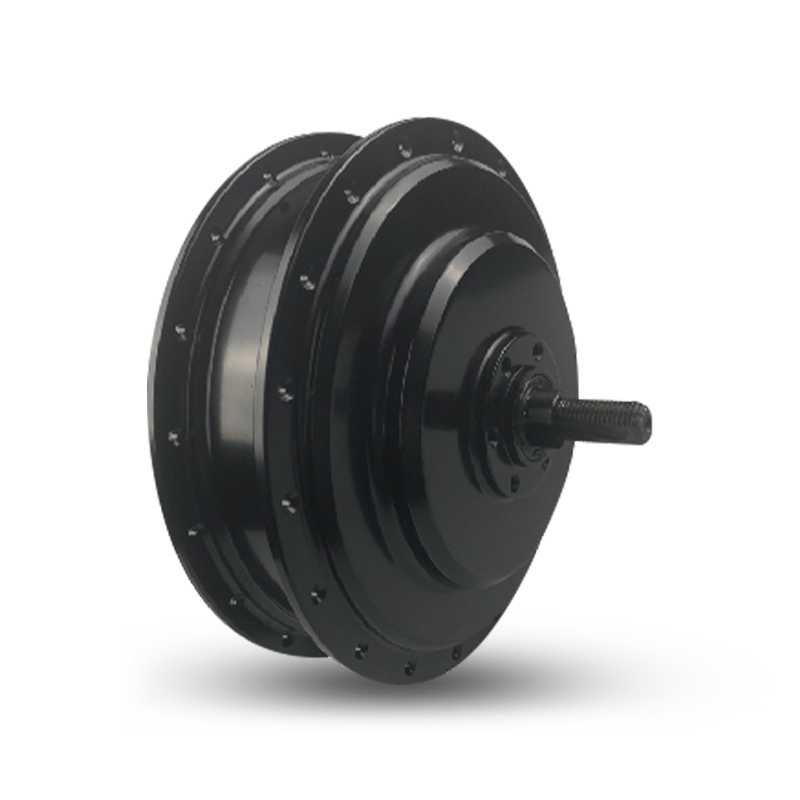 E-Type Pro RF750 Rear Hub Motor
The E-Type Pro RF750 Rear Hub Motor is designed for E-Cargo and E-MTB bikes, com...
-
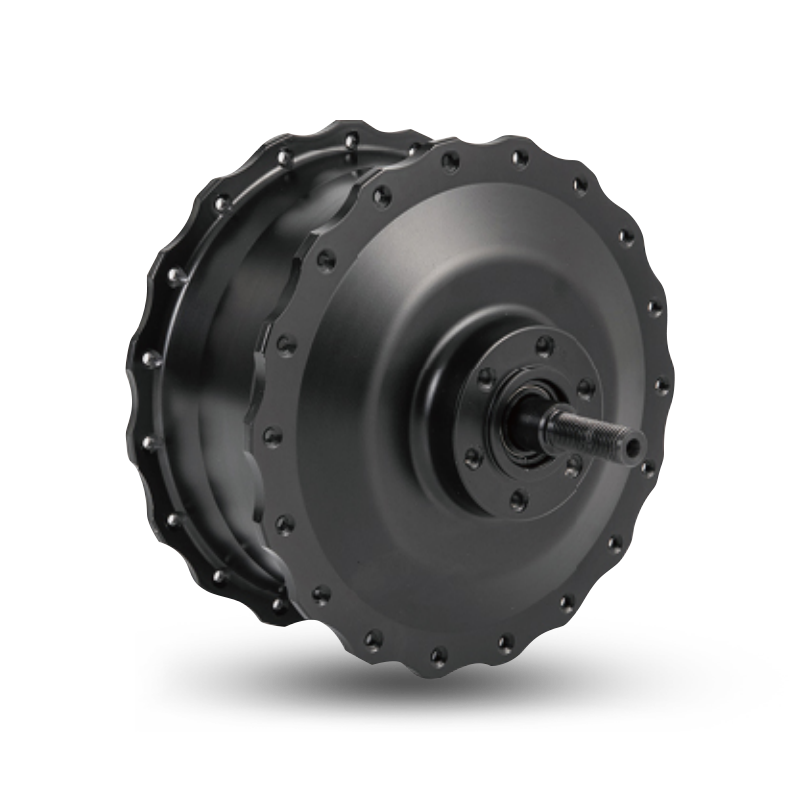 S-Type Pro F1500 Front Hub Motor
The S-Type Pro F1500 front hub motor, designed for E-Carao and E-Fat bikes, offe...
-
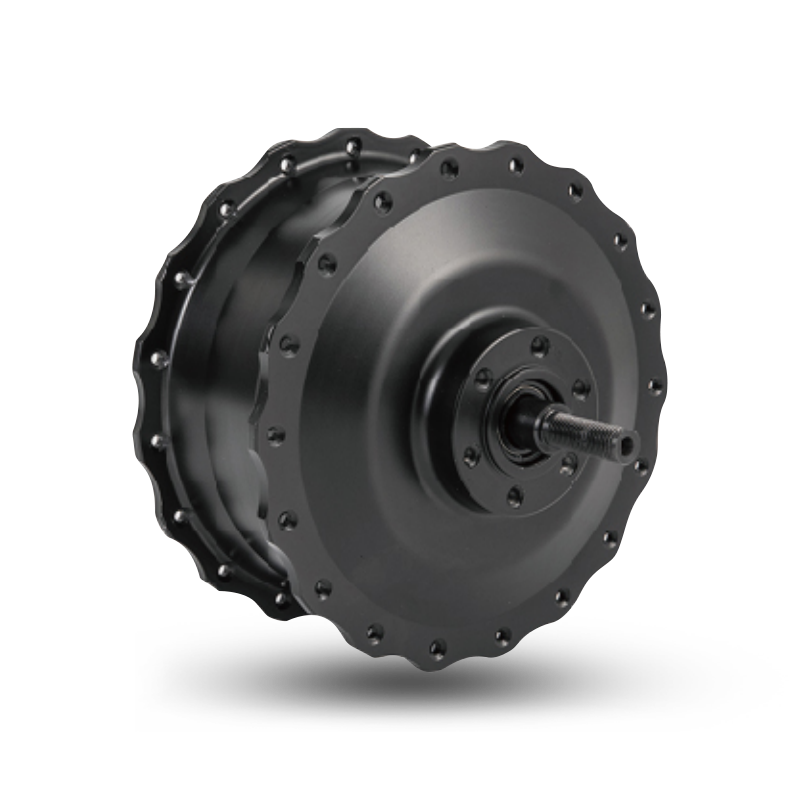 S-Type F750 Front Hub Motor
S-Type F750 is designed for E-Cargo and E-Fat. The rated power ranges from 500W ...
-
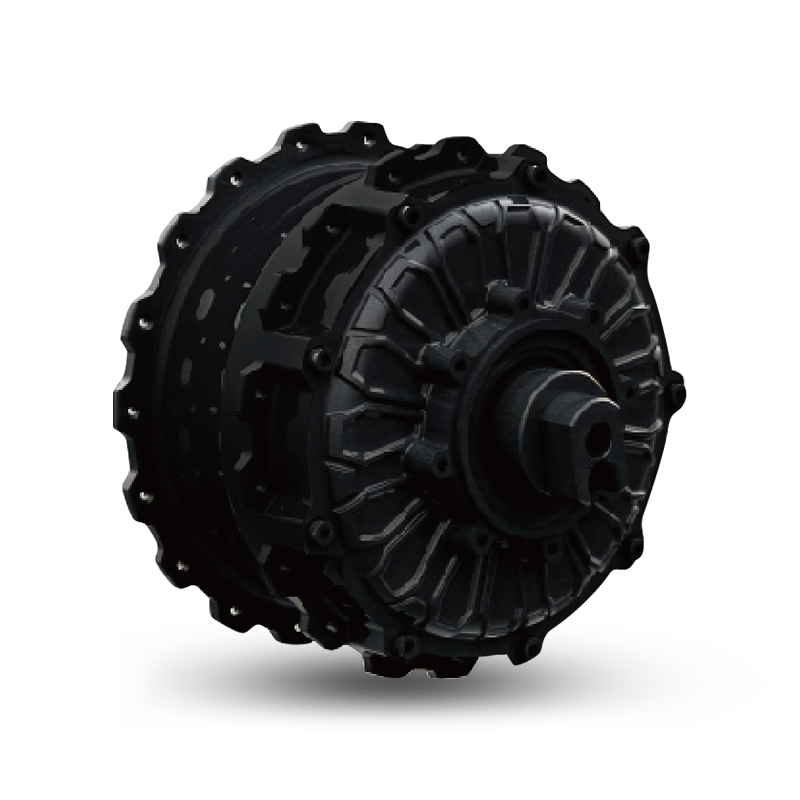 S-TYPE Max THRU AXLE Rear Hub Motor
The S-TYPE Max thru-axle motor is designed for E-Fat, Moped, and Cargo applicati...
-
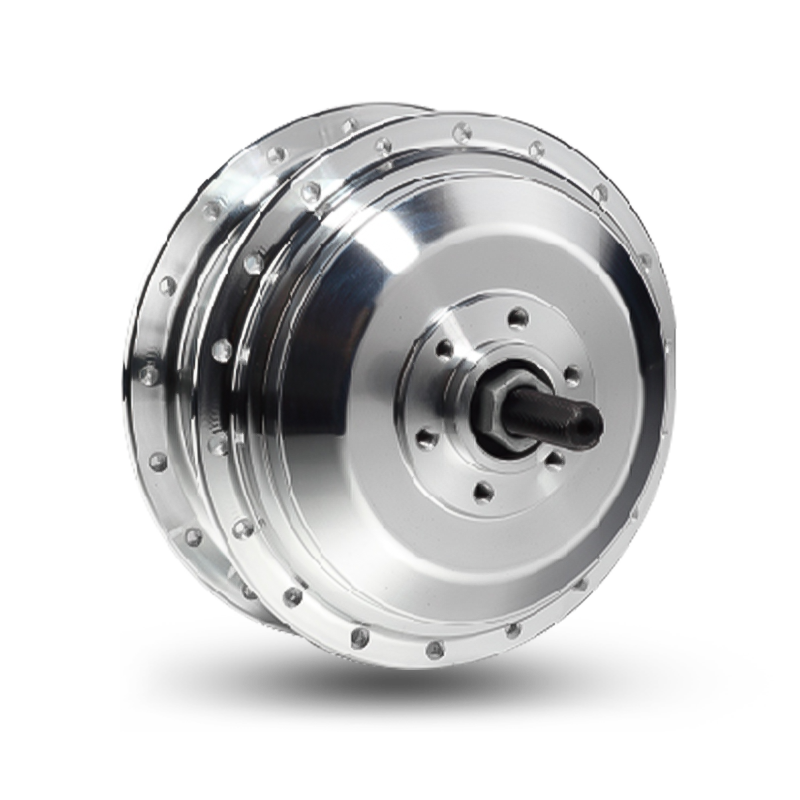 C-Type R350 Rear Hub Motor
The C-Type R350 Rear Hub Motor, designed for city e-bikes, offers a rated power ...
If you are interested in our products, please consult us
Contact Details
- Address:No. 3 Dingqiao Rd, Jiangshan Town, Yinzhou District, Ningbo, Zhejiang Province, China
- Phone: +86 13806662915
- Email: K.zhang@hengtai-cn.com
Products
Quick Link
News Center
Mobile terminal
