


 English
 中文简体
中文简体Don't hesitate to send a message
High Torque Ebike Hub Motor: What It Is & How to Choose
Content
- 1 What Makes a Hub Motor "High Torque"
- 2 High Torque Hub Motor vs. Standard Hub Motor: Key Differences
- 3 Geared vs. Direct Drive: Which Delivers More Torque for Your Use Case
- 4 Real-World Torque Requirements by Riding Scenario
- 5 Voltage and Controller: The Hidden Multipliers of Hub Motor Torque
- 6 Front vs. Rear Wheel Placement for High Torque Hub Motors
- 7 Torque Arms, Frame Compatibility, and Safety Considerations
- 8 High Torque Hub Motor vs. Mid-Drive: When to Choose Each
- 9 How to Choose the Right High Torque Hub Motor
A high torque ebike hub motor is a wheel-integrated electric motor capable of delivering sustained torque output typically above 40 Nm at the wheel — enough to tackle steep gradients, carry heavy cargo, or accelerate quickly from a stop. For riders who need real climbing power, load-hauling capacity, or responsive acceleration without switching to a mid-drive system, a high torque hub motor is the most direct and cost-effective solution.
The bottom line: if your riding involves hills steeper than 10%, loads above 120 kg, or off-road terrain, you need a hub motor specifically engineered for high torque output — not a standard commuter unit repurposed for demanding use. This guide explains what separates high torque hub motors from standard ones, what specifications actually matter, and which motors deliver in real-world conditions.
What Makes a Hub Motor "High Torque"
Torque in an ebike hub motor is the rotational force applied to the wheel. It determines how well the motor performs under load — climbing hills, starting from rest, or carrying weight. The key engineering factors that produce high torque output include:
Gear Reduction Ratio
Geared hub motors use planetary gear sets with ratios typically between 4:1 and 6:1. A motor producing 12 Nm internally delivers 48–72 Nm at the wheel after reduction. Higher reduction ratios amplify torque substantially while allowing the internal motor to operate at its most efficient RPM range.
Winding Configuration (Kv Rating)
The Kv rating (RPM per volt) indicates how a motor is wound. Low Kv motors (e.g., 6–12 Kv) are wound for torque rather than speed, producing more force per amp of current at the cost of top speed. High torque hub motors typically use low Kv windings paired with higher voltage batteries (48V or 52V) to maximize pulling force.
Stator Size and Magnet Strength
A larger stator diameter and width increases the electromagnetic force the motor can generate. High torque motors often use wider stators (35–60 mm) compared to the 20–30 mm stators in lightweight commuter motors. High-grade neodymium magnets further increase flux density, directly boosting torque output.
Phase Current Capacity
Torque is proportional to phase current. A controller that delivers 30–50A of phase current to a hub motor will extract significantly more torque than a standard 15–20A controller, even using the same motor. High torque setups often involve upgrading both the motor and the controller together.
High Torque Hub Motor vs. Standard Hub Motor: Key Differences
The performance gap between a standard commuter hub motor and a high torque variant is substantial under load. The table below illustrates typical differences across critical specifications.
| Specification | Standard Hub Motor | High Torque Hub Motor |
|---|---|---|
| Rated power | 250W–500W | 750W–3,000W+ |
| Wheel torque output | 25–45 Nm | 60–160+ Nm |
| Stator width | 20–28 mm | 35–60 mm |
| Typical weight | 2.5–4 kg | 4–9 kg |
| Recommended voltage | 36V | 48V–72V |
| Hill climbing ability | Up to ~8–10% grade | 15–30%+ grade |
| Gear type | Nylon planetary gears | Metal/sintered gears or direct drive |
| Max load capacity | 80–120 kg | 120–250 kg |
Geared vs. Direct Drive: Which Delivers More Torque for Your Use Case
Both geared and direct drive hub motors can be engineered for high torque, but they achieve it differently and suit different applications.
High Torque Geared Hub Motors
Geared motors use mechanical reduction to multiply torque. These motors excel at low-to-mid speeds and offer freewheeling when unpowered — important for pedal-assist use. Their limitation is sustained heat generation under constant high-load operation, as the compact stator has less thermal mass.
High Torque Direct Drive Hub Motors
Direct drive motors achieve torque through sheer electromagnetic force — a large, wide stator with many poles generates torque without gears. They also support regenerative braking effectively. The trade-offs are weight (6–10 kg), cogging resistance when unpowered, and reduced efficiency at low speeds. These are the motors of choice for high-power off-road builds and electric cargo bikes.
The practical decision rule: choose a high torque geared motor for pedal-assisted commuting on hilly terrain or moderate cargo loads; choose a high torque direct drive motor for throttle-dominant, high-power, or sustained-load applications like cargo delivery, off-road, or electric mopeds.
Real-World Torque Requirements by Riding Scenario
Understanding how much torque your application actually requires prevents both under-buying (motor stalls under load) and over-buying (unnecessary weight and cost). The following table provides practical torque benchmarks by scenario.
| Riding Scenario | Total Load (Rider + Bike + Cargo) | Recommended Wheel Torque |
|---|---|---|
| Flat urban commuting | 80–100 kg | 25–40 Nm |
| Hilly commuting (10–15% grade) | 90–120 kg | 50–70 Nm |
| Steep hills (15–25% grade) | 100–140 kg | 70–100 Nm |
| Light cargo (up to 50 kg cargo) | 130–180 kg | 80–120 Nm |
| Heavy cargo / delivery bike | 200–300 kg | 120–160+ Nm |
| Off-road / trail riding | 100–140 kg | 80–130 Nm (burst) |
These figures assume the motor provides most or all of the propulsion. In pedal-assist configurations where the rider contributes meaningful pedaling effort, required motor torque can be reduced by 20–40%.
Voltage and Controller: The Hidden Multipliers of Hub Motor Torque
The same physical motor can produce dramatically different torque outputs depending on the voltage and controller it is paired with. This is one of the most misunderstood aspects of ebike motor performance.
- Higher voltage = higher RPM ceiling: Running a motor designed for 48V on a 52V battery increases top speed by ~8% and improves efficiency at speed. Running it on 36V reduces top speed but doesn't significantly change low-speed torque if phase current stays constant.
- Phase current = torque: A controller set to 25A phase current produces proportionally less torque than the same motor run at 45A.
- Field weakening: Advanced controllers use field weakening algorithms to extend the usable RPM range of high torque motors, effectively widening the torque curve at higher speeds.
- Thermal limits: Increasing current also increases heat. Pairing a high-current controller with a motor not designed for it can burn windings. Always verify the motor's maximum rated phase current before upgrading the controller.
Front vs. Rear Wheel Placement for High Torque Hub Motors
Where you mount a high torque hub motor on the bike significantly affects handling, traction, and frame stress — especially at high torque outputs.
Rear Hub Motor (Most Common for High Torque)
Rear mounting puts the heavy motor over the driven wheel, maximizing traction — critical when high torque is applied. The rider's weight also biases toward the rear, further improving grip. Most high torque builds use rear hub motors for this reason. The trade-off is increased stress on rear dropouts; a steel torque arm is essential for any motor above 500W.
Front Hub Motor (Dual-Drive Applications)
A front hub motor on aluminum forks with high torque output is risky — torque reaction can strip or crack dropout slots. However, front hub motors are used effectively in dual-drive setups (front hub + rear hub or front hub + mid-drive), which together can deliver exceptional all-condition traction. In this configuration, each motor handles lower individual torque loads, reducing the risk per unit.
For front mounting of any motor above 350W, use only steel forks with welded torque arm mounts — aluminum fork failure under high hub motor torque is a documented and serious safety risk.
Torque Arms, Frame Compatibility, and Safety Considerations
High torque hub motors impose significant rotational stress on the frame dropouts — the slots that hold the motor axle. Without proper reinforcement, this stress can cause the axle to spin in the dropout, damaging the frame, severing wiring, or causing a crash.
- Always use a torque arm for motors above 350W: A torque arm clamps around the axle flats and bolts to the frame, transferring rotational force to the frame rather than the dropout slot. For 1,000W+ motors, use dual torque arms (one on each side of the axle).
- Check dropout material and width: Steel dropouts handle hub motor torque far better than aluminum. Standard rear dropout width is 135mm; many high torque motors use 135mm or 145mm axles. Confirm compatibility before purchase.
- Use thicker gauge spokes: High torque motors apply significant lateral stress to spokes during acceleration. Upgrade to 13–14 gauge stainless spokes (vs. standard 15 gauge) and have the wheel professionally trued after lacing.
- Verify battery discharge rate (C rating): A 1,500W motor drawing 30A from a 48V battery needs a battery capable of sustained 30A discharge. Underpowered batteries cause voltage sag, which reduces torque output and degrades battery health rapidly.
- Thermal monitoring: For sustained high-load applications, consider motors with built-in temperature sensors and controllers that support thermal throttling — preventing winding damage before it occurs.
High Torque Hub Motor vs. Mid-Drive: When to Choose Each
Mid-drive motors are often promoted as the superior torque solution, but the comparison is more nuanced than marketing suggests.
| Factor | High Torque Hub Motor | Mid-Drive Motor |
|---|---|---|
| Motor torque at wheel | 60–160+ Nm (direct) | 85–120 Nm (via drivetrain) |
| Chain/cassette wear | None | Accelerated (2–3× faster) |
| Throttle operation | Simple and direct | Often limited or restricted |
| Conversion kit availability | Wide range, any bike | Limited, requires compatible frame |
| Gear multiplication benefit | No (fixed gear ratio) | Yes (uses bike gears) |
| Cost (motor only) | $150–$600 | $400–$1,500+ |
| Best terrain | Flat to steep, cargo, off-road | Variable terrain, technical trails |
A high torque hub motor at 100 Nm delivers that force directly at the wheel regardless of gear position, making it more predictable for throttle-based cargo or commuter use. Mid-drives remain superior for technical mountain biking where gear selection and weight centering are critical.
How to Choose the Right High Torque Hub Motor
Selecting the correct motor requires matching your specific use case against motor capabilities. Work through these decision points in order:
- Calculate your total load: Add rider weight + bike weight + cargo weight. This is the figure that determines required torque, not rider weight alone.
- Identify your steepest regular grade: Use a mapping app or inclinometer to measure the steepest hill you'll climb regularly. Grades above 15% require motors delivering at least 70–80 Nm under full load.
- Choose motor type: Geared hub for pedal-assist builds under 1,500W where freewheeling matters; direct drive for sustained high-power or regenerative braking needs.
- Select voltage: 48V is the minimum for a genuine high torque build; 52V is preferred; 72V for off-road or extreme power applications. Higher voltage systems require compatible batteries and controllers.
- Match the controller: The motor's maximum rated phase current determines the controller ceiling. Don't install a 50A controller on a motor rated for 30A — you will burn the windings.
- Verify frame and dropout compatibility: Confirm axle width, dropout material, and available torque arm mounting points before purchasing any motor above 500W.
- Check legal limits: In the EU, legal e-bike power is capped at 250W rated / 25 km/h. In the US, Class 3 is 750W / 28 mph. Motors above these thresholds may require registration as a motor vehicle depending on jurisdiction.
OUR PRODUCTS
Recommended Products
-
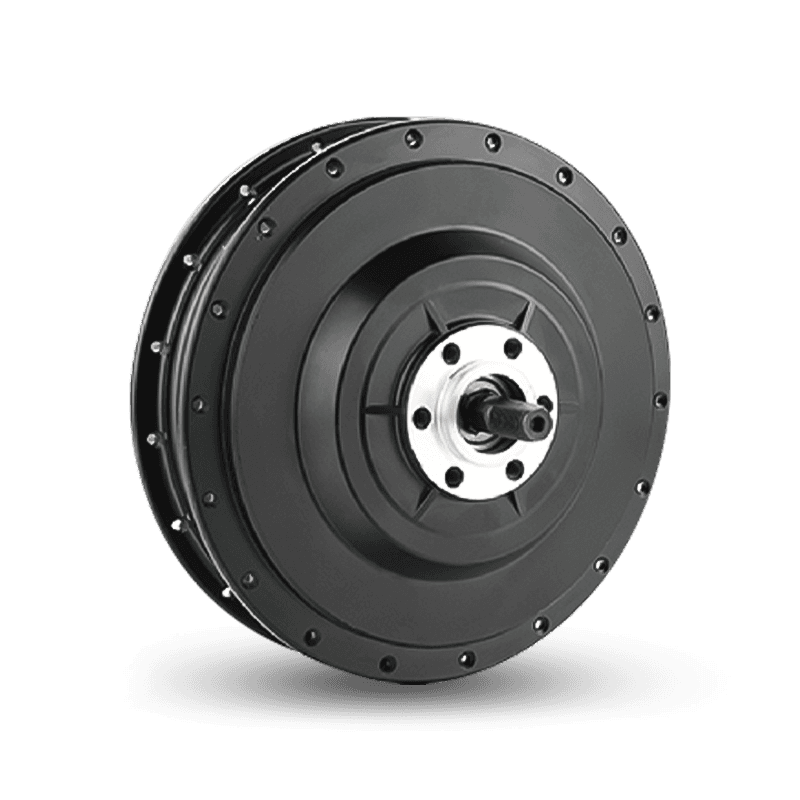 E-Type F500 Front Hub Motor
The E-Type F500 front hub motor is designed for E-Cargo and E-MTB bikes, offerin...
-
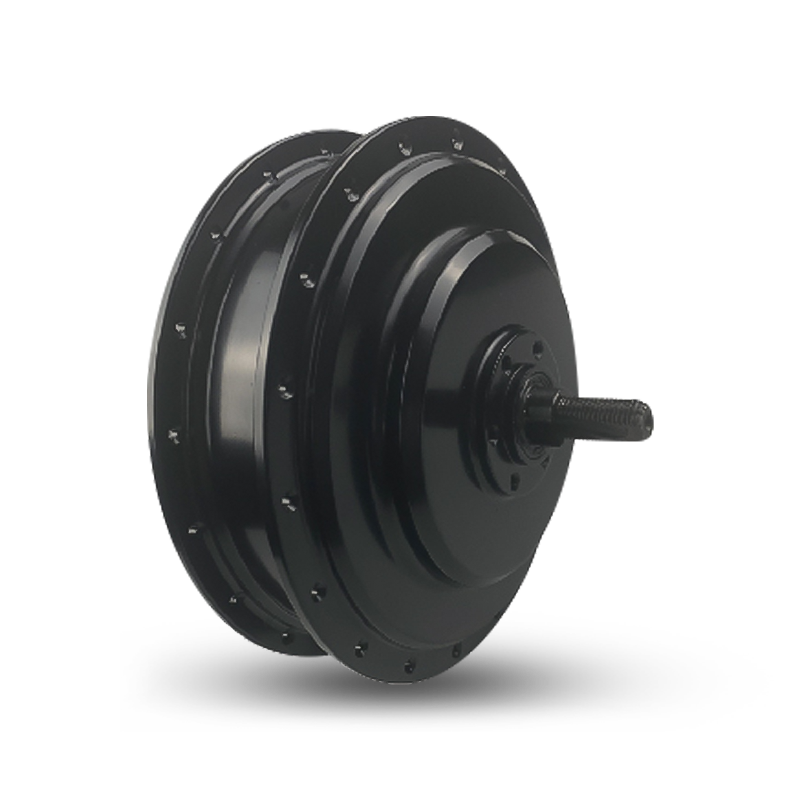 E-Type Pro RC750 Rear Hub Motor
The E-Type Pro RC750 Rear Hub Motor is designed for E-Cargo and E-MTB bikes, com...
-
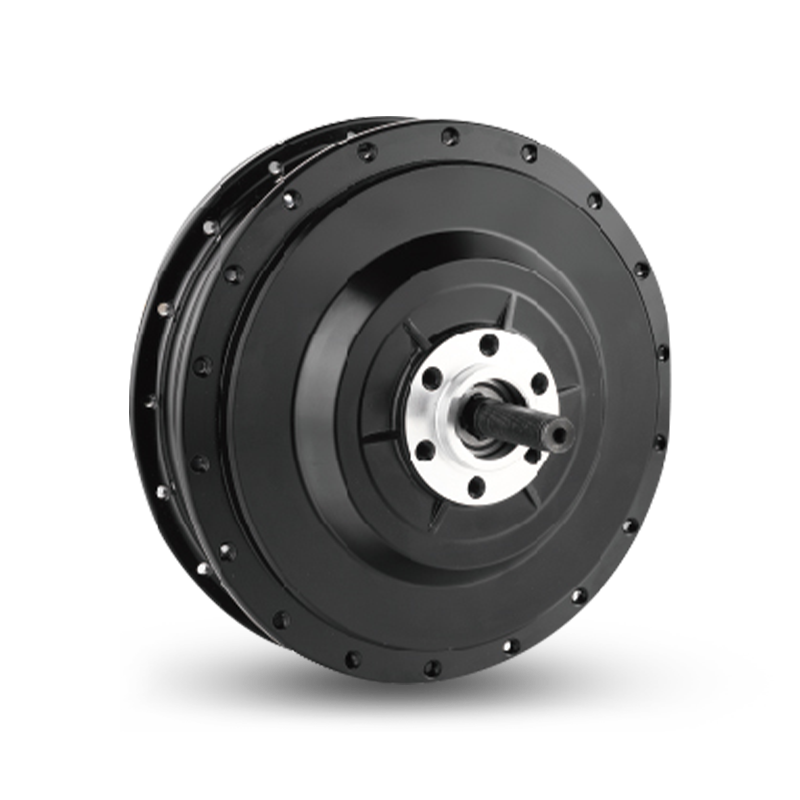 E-Type RF500 Rear Hub Motor
The E-Type RF500 Rear Hub Motor is designed for E-Cargo and E-MTB bikes, compati...
-
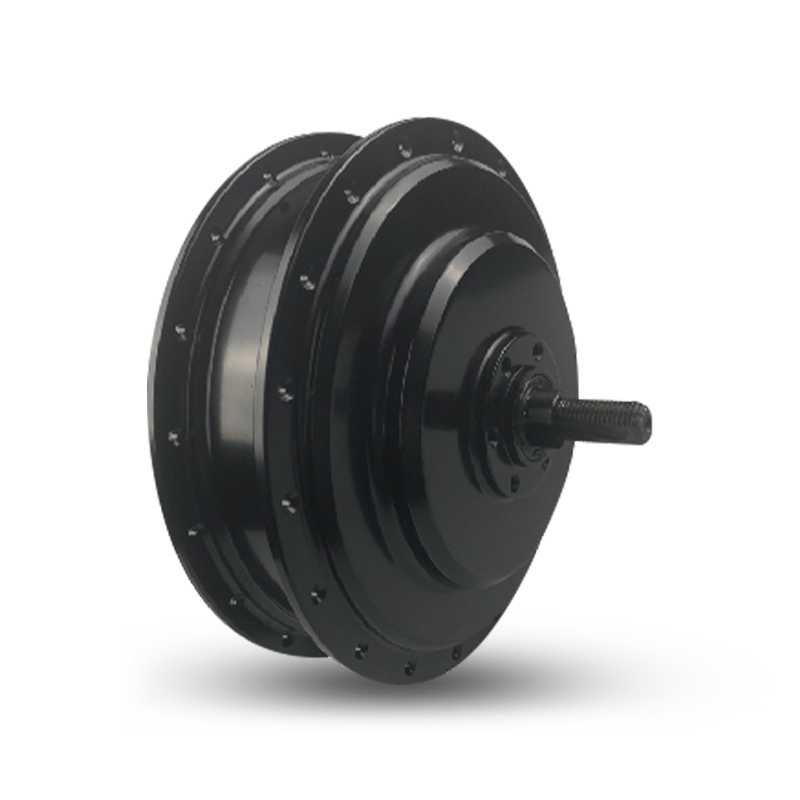 E-Type Pro RF750 Rear Hub Motor
The E-Type Pro RF750 Rear Hub Motor is designed for E-Cargo and E-MTB bikes, com...
-
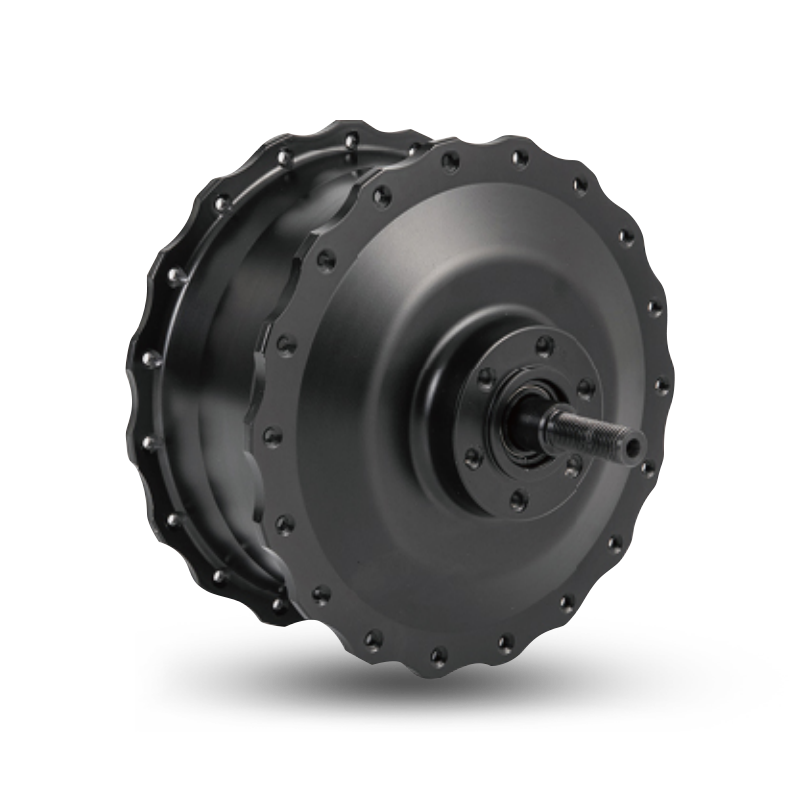 S-Type Pro F1500 Front Hub Motor
The S-Type Pro F1500 front hub motor, designed for E-Carao and E-Fat bikes, offe...
-
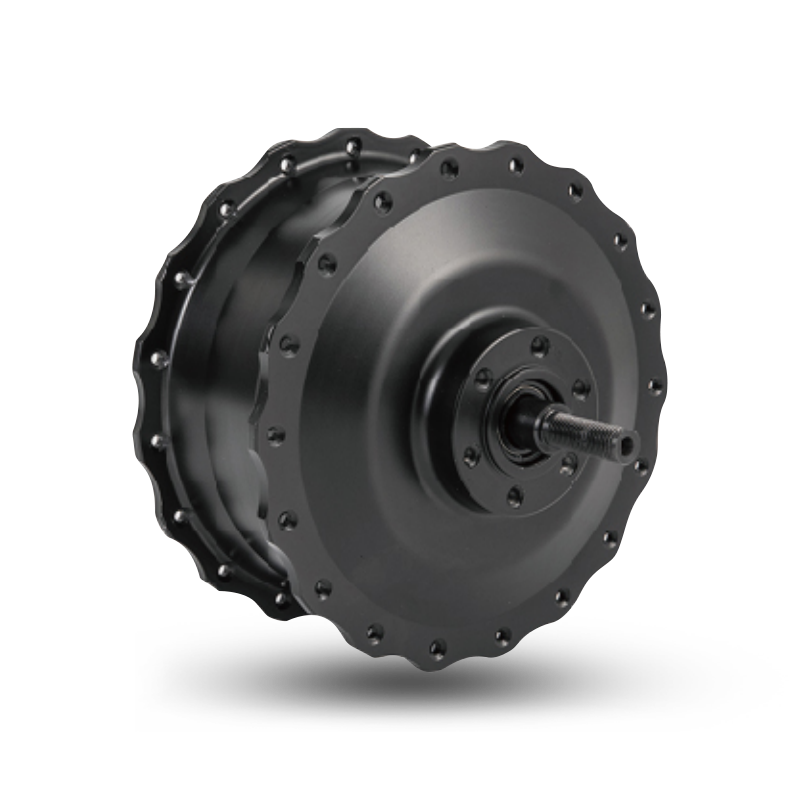 S-Type F750 Front Hub Motor
S-Type F750 is designed for E-Cargo and E-Fat. The rated power ranges from 500W ...
-
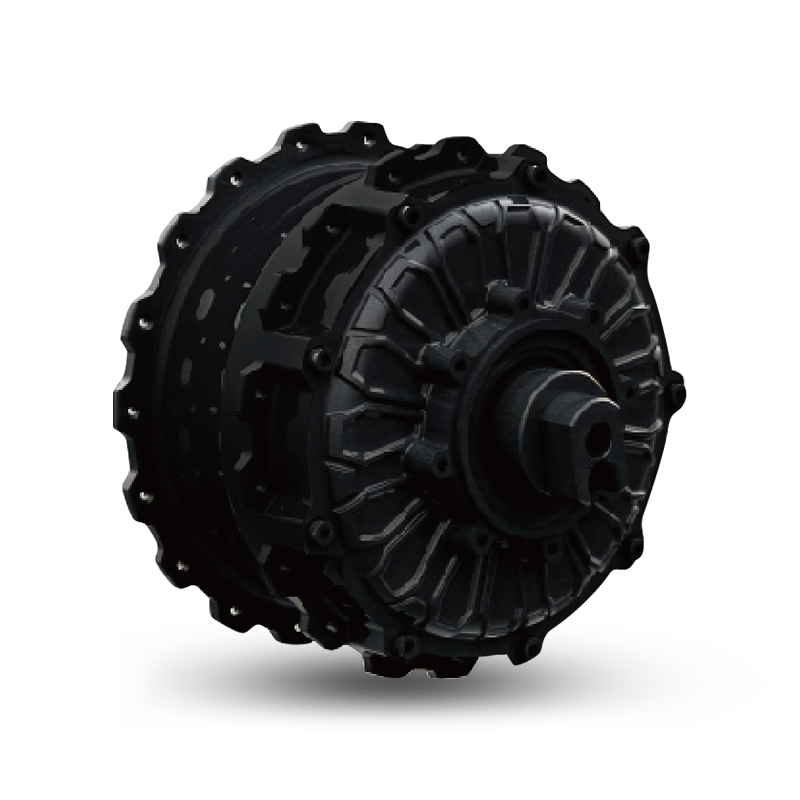 S-TYPE Max THRU AXLE Rear Hub Motor
The S-TYPE Max thru-axle motor is designed for E-Fat, Moped, and Cargo applicati...
-
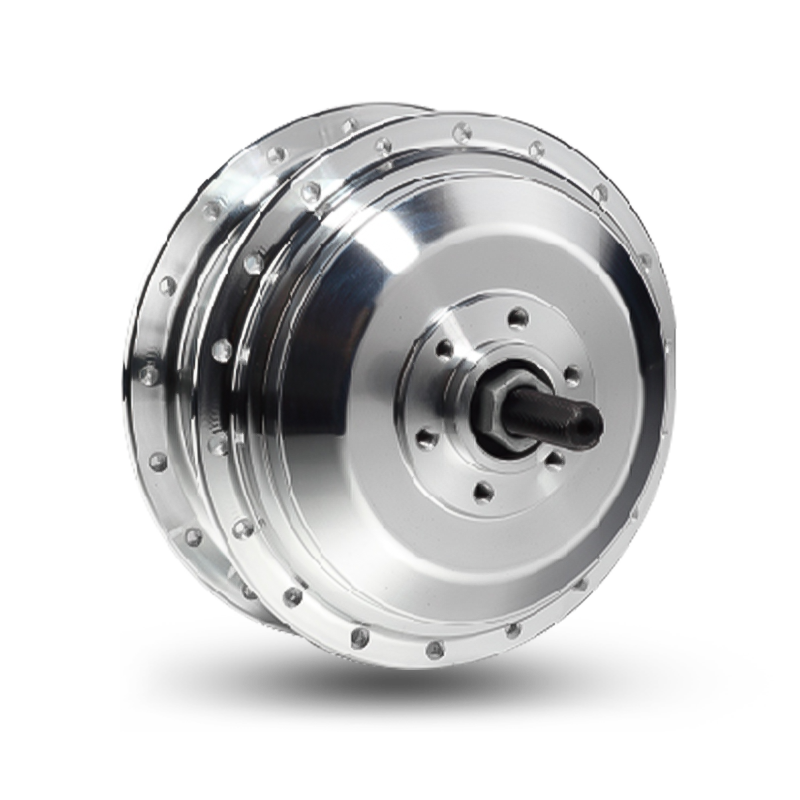 C-Type R350 Rear Hub Motor
The C-Type R350 Rear Hub Motor, designed for city e-bikes, offers a rated power ...
If you are interested in our products, please consult us
Contact Details
- Address:No. 3 Dingqiao Rd, Jiangshan Town, Yinzhou District, Ningbo, Zhejiang Province, China
- Phone: +86 13806662915
- Email: K.zhang@hengtai-cn.com
Products
Quick Link
News Center
Mobile terminal
