


 English
 中文简体
中文简体Don't hesitate to send a message
Geared vs Gearless Hub Motor: Which One Should You Choose?
Content
- 1 How Each Motor Type Works
- 2 Head-to-Head Comparison: Key Performance Metrics
- 3 Torque and Hill Climbing: Where Geared Motors Dominate
- 4 Efficiency and Range: It Depends on Your Speed
- 5 Weight and Handling: A Practical Consideration
- 6 Maintenance and Lifespan: Gearless Motors Last Longer
- 7 Noise: Direct Drive Is Quieter
- 8 The Durability Gap: Why HENTACH is Different
- 9 Which Motor Is Right for Your Use Case?
If you're choosing between a geared hub motor and a gearless (direct drive) hub motor, here's the short answer: geared hub motors are better for most riders—especially those who want hill-climbing torque, lighter weight, and freewheel coasting. Gearless hub motors are the better pick if you prioritize durability, silence, and high-speed cruising with minimal maintenance. The right choice depends on your terrain, riding style, and how you weigh range against raw power.
However, the "standard" limitations of these motors are often overcome by superior engineering. At HENTACH, we have spent over 30 years perfecting both technologies, ensuring that whether you choose geared or gearless, you are getting a motor built on three decades of electromechanical innovation.
How Each Motor Type Works
Geared Hub Motor: Enhanced by HENTACH Innovation
A geared hub motor uses an internal planetary gear set to multiply torque. While standard motors use simple nylon gears that may wear over time, HENTACH’s patented nylon-steel gear technology represents a breakthrough in engineering excellence. By combining the quietness of nylon with the rugged durability of steel, we provide a motor that is physically smaller and lighter without sacrificing long-term reliability.
Gearless (Direct Drive) Hub Motor: Precision Manufacturing
A gearless hub motor acts as the wheel hub itself. Because it has no internal gears, its reliability depends entirely on the quality of its construction and heat management. At our 9,000+㎡ campus, we utilize 500-ton die-casting machines and precision CNC tools to manufacture aluminum-magnesium alloy housings that offer superior heat dissipation and structural integrity.
Head-to-Head Comparison: Key Performance Metrics
| Feature | Geared Hub Motor | Gearless Hub Motor | HENTACH Advantage |
|---|---|---|---|
| Weight | 3–5 lbs (lighter) | 8–15 lbs (heavier) | Optimized Al-Mg alloys for strength-to-weight |
| Low-Speed Torque | Excellent | Moderate | Enhanced by our precision gear reduction |
| Regenerative Braking | Not possible (clutch disengages) | Yes, effective | Supported by our dual motor test benches |
| Lifespan of Wear Parts | Nylon gears: ~3,000–10,000 miles | No wear parts | HENTACH motors have reached 50,000 miles |
| Maintenance | Gear replacement needed | Minimal | Our patented gears drastically extend intervals |
Torque and Hill Climbing: Where Geared Motors Dominate
For riders who regularly tackle hills or start-stop urban commuting, geared hub motors deliver superior low-end torque per watt. Because the motor spins faster internally and uses gear reduction to multiply force, it operates in a more efficient RPM range from a standstill. A typical 500W geared motor can produce torque comparable to a 750W gearless unit in the 0–15 mph range.
However, on extended hill climbs (15+ minutes continuously), geared hub motors can overheat because their smaller casings hold less thermal mass. In contrast, the large aluminum housing of a direct drive motor acts as a heat sink, making it more suitable for sustained high-load scenarios like cargo hauling or mountain routes.
Efficiency and Range: It Depends on Your Speed
Neither motor type wins on efficiency across the board—it depends on your typical riding speed:
- Below 20 mph: Geared hub motors are more efficient. They operate near their optimal RPM more often, meaning less energy wasted as heat.
- Above 25–28 mph: Direct drive motors become more efficient. Their winding can be tuned to match high-speed cruising, and there's no gear friction to overcome.
- Freewheeling advantage: Geared motors disengage at rest, so pedaling or coasting without power costs almost no extra energy. A direct drive motor's magnets create resistance of roughly 20–50W equivalent drag when unpowered.
Regenerative braking is exclusive to gearless motors. In practice, regen typically recovers 5–10% of range in urban riding with frequent stops—meaningful, but not a game-changer.
Weight and Handling: A Practical Consideration
Weight matters—especially in the wheel. Unsprung mass (weight in the wheel itself) affects ride quality, handling, and the effort required to lift or maneuver the bike. A geared hub motor adds roughly 3.5–5 lbs to the wheel. A direct drive motor adds 8–15 lbs.
For folding e-bikes, lightweight commuters, or bikes that are frequently carried up stairs, geared motors are almost always the practical choice. For cargo e-bikes, mopeds, or performance builds where the extra weight is less noticeable, direct drive's power ceiling and durability make it worthwhile.
Maintenance and Lifespan: Gearless Motors Last Longer
This is one of the clearest wins for direct drive motors. With no internal moving parts beyond the bearings, a quality gearless motor can last 10,000–20,000+ miles with minimal maintenance. The main serviceable component is the axle bearing, which is a simple and inexpensive fix.
Geared hub motors use nylon planetary gears that wear over time. Depending on the quality of the motor and riding conditions, these gears typically need replacement every 3,000–10,000 miles.
Noise: Direct Drive Is Quieter
Geared hub motors produce a characteristic high-pitched whine from the planetary gear set, especially noticeable at low speeds or when accelerating. Most riders describe it as a soft hum or buzz—not obnoxious, but audible. Direct drive motors are nearly silent, with only a faint electromagnetic hum at very high power.
For riders who value a stealthy, quiet ride—particularly those using e-bikes in noise-sensitive areas like parks or early morning neighborhoods—direct drive offers a noticeably more pleasant acoustic experience.
The Durability Gap: Why HENTACH is Different
One of the clearest wins for traditional direct drive motors has always been lifespan. Standard geared motors often struggle with gear wear after a few thousand miles.
To challenge this, HENTACH launched a mileage guarantee program for our motors. The results redefined industry standards:
- Proven Endurance:Over 50 of our motors surpassed the 30,000-mile mark.
- Record Breaking:Several units reached an impressive 50,000 miles of real-world use.
- Quality Control: Every motor is produced under a rigorous ISO 9001 system, from raw material casting to final assembly, ensuring that "Hengtai" and "HENTACH" remain synonymous with reliability.
Which Motor Is Right for Your Use Case?
As a manufacturer serving diverse markets—from e-karting and golf cars to agricultural machinery—we recommend choosing based on your primary application:
- City Commuting & Hills: Choose a HENTACH Geared Motor. Our patented steel gears give you the torque you need for inclines with the freewheeling feel of a standard bike.
- Heavy Loads & High Speed: Choose a HENTACH Gearless Motor. Our precision-processed stator and rotor sets are designed for sustained high-load scenarios like cargo hauling.
| Use Case | Recommended Motor | Reason |
|---|---|---|
| City commuting, flat terrain | Either (geared preferred) | Geared offers better efficiency at lower speeds |
| Hilly or mountainous terrain | Geared hub motor | Better low-speed torque for climbing |
| High-speed cruising (25+ mph) | Gearless hub motor | More efficient at higher RPM ranges |
| Cargo or heavy load hauling | Gearless hub motor | Better heat tolerance under sustained load |
| Lightweight or folding e-bikes | Geared hub motor | Significantly lighter wheel weight |
| Minimal maintenance priority | Gearless hub motor | No wear parts, extremely durable |
| Frequent pedaling without motor | Geared hub motor | Freewheels with no drag when unpowered |
| Quiet, stealthy riding | Gearless hub motor | Near-silent operation |
The Bottom Line
For the majority of riders, a geared hub motor is the better starting point. However, the traditional "weakness" of geared motors—durability—is eliminated when you choose a manufacturer with a 30-year track record.
Whether you know us as Hengtai Motor or HENTACH, you are choosing a brand where patented gear innovation meets proven, 50,000-mile durability.
Trust HENTACH for smarter, stronger, and more reliable motor solutions.
OUR PRODUCTS
Recommended Products
-
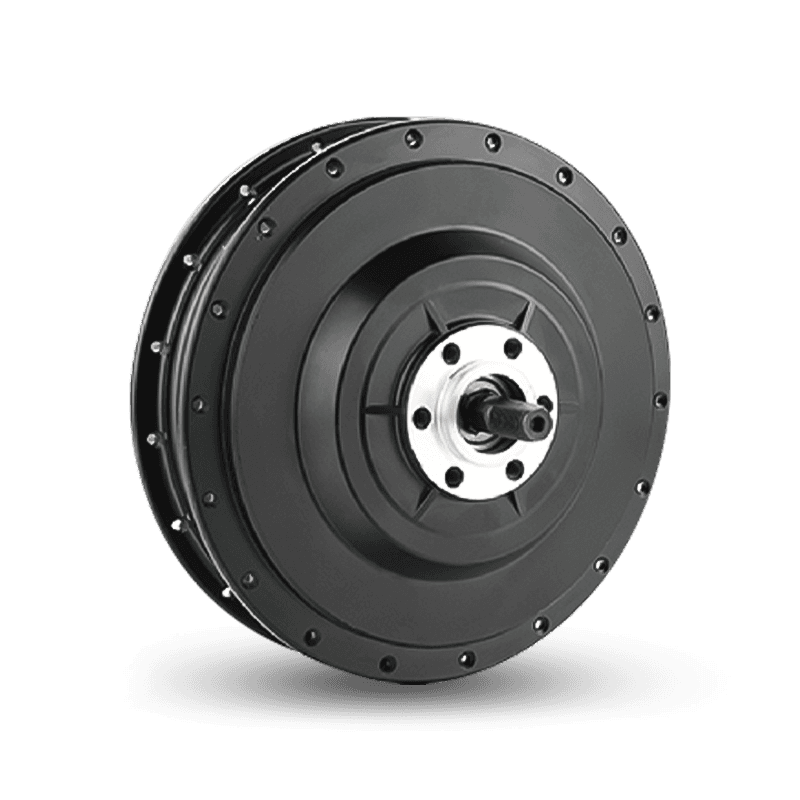 E-Type F500 Front Hub Motor
The E-Type F500 front hub motor is designed for E-Cargo and E-MTB bikes, offerin...
-
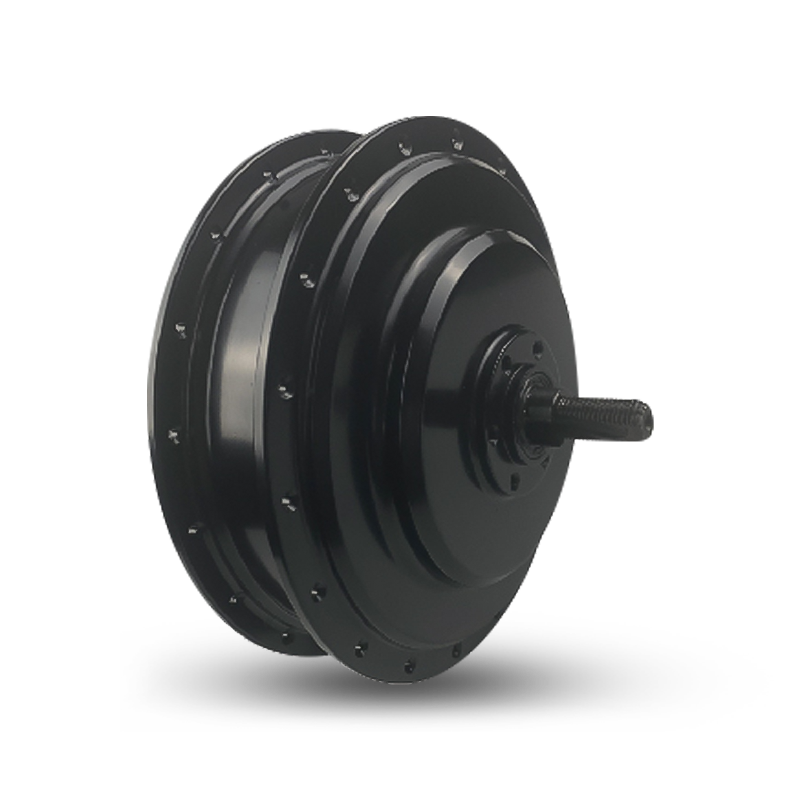 E-Type Pro RC750 Rear Hub Motor
The E-Type Pro RC750 Rear Hub Motor is designed for E-Cargo and E-MTB bikes, com...
-
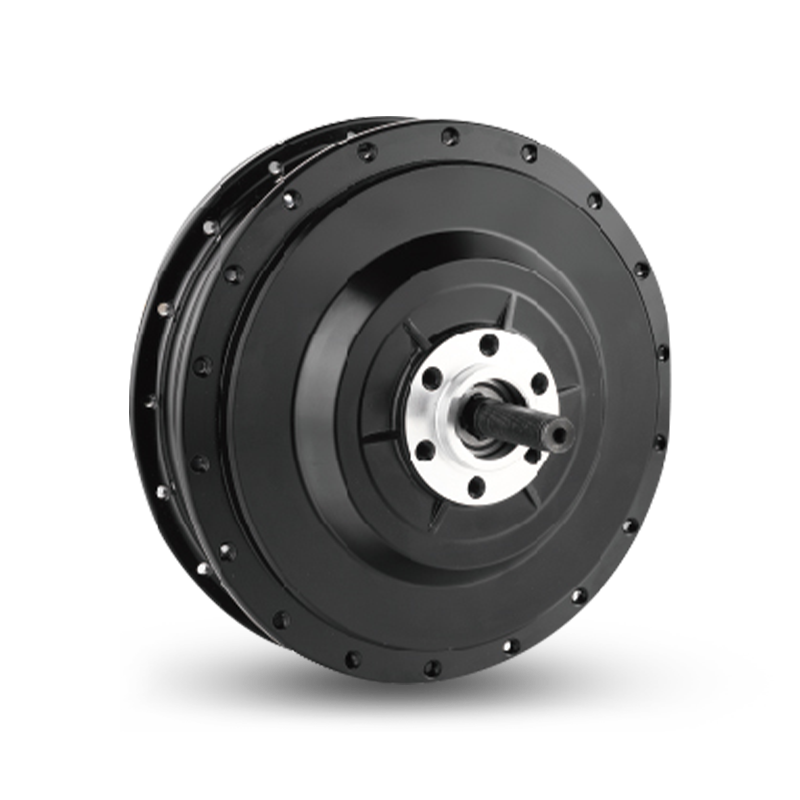 E-Type RF500 Rear Hub Motor
The E-Type RF500 Rear Hub Motor is designed for E-Cargo and E-MTB bikes, compati...
-
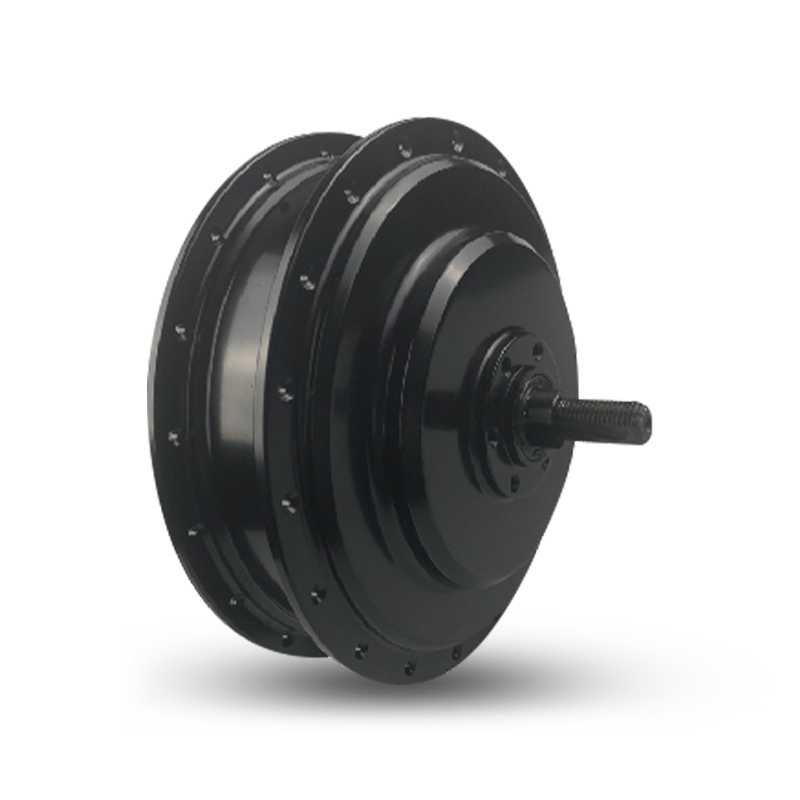 E-Type Pro RF750 Rear Hub Motor
The E-Type Pro RF750 Rear Hub Motor is designed for E-Cargo and E-MTB bikes, com...
-
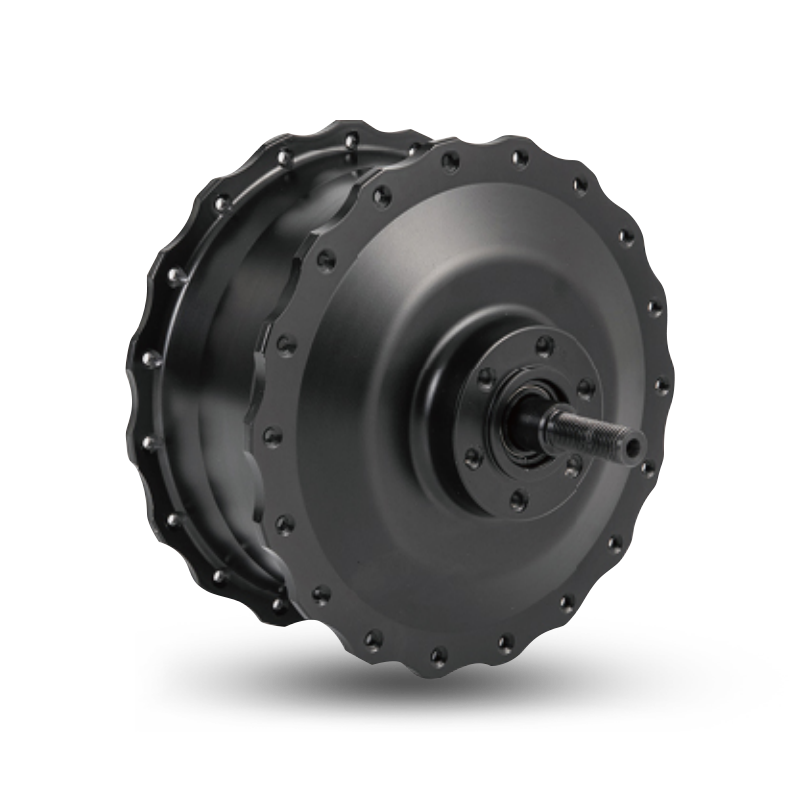 S-Type Pro F1500 Front Hub Motor
The S-Type Pro F1500 front hub motor, designed for E-Carao and E-Fat bikes, offe...
-
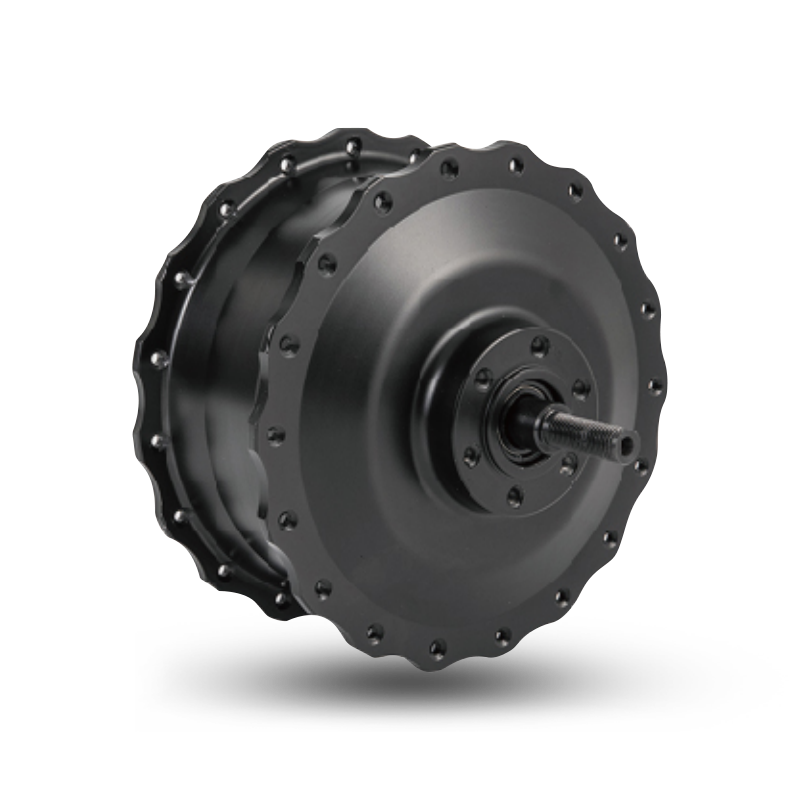 S-Type F750 Front Hub Motor
S-Type F750 is designed for E-Cargo and E-Fat. The rated power ranges from 500W ...
-
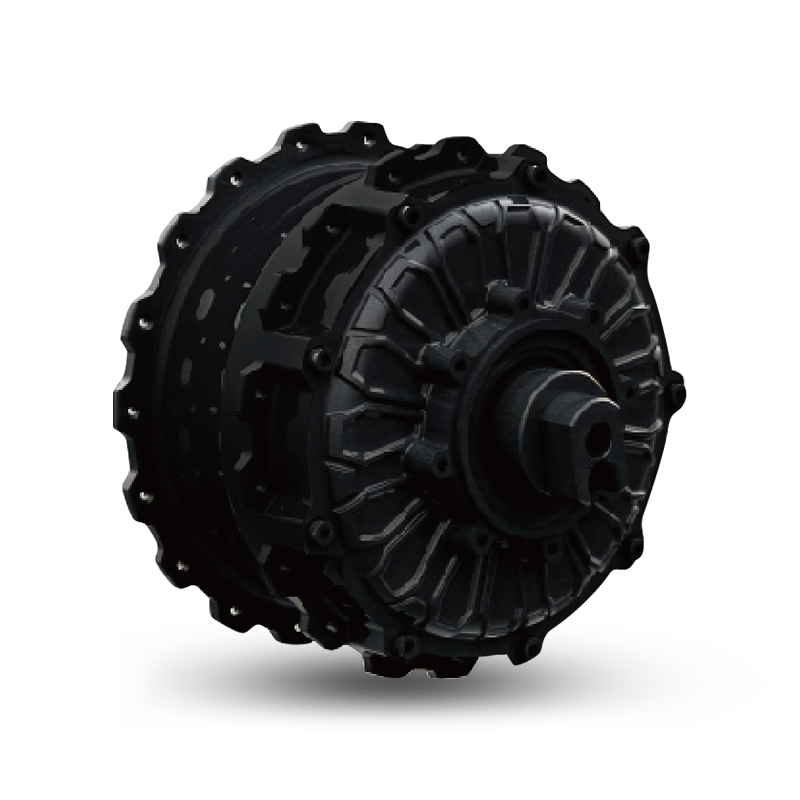 S-TYPE Max THRU AXLE Rear Hub Motor
The S-TYPE Max thru-axle motor is designed for E-Fat, Moped, and Cargo applicati...
-
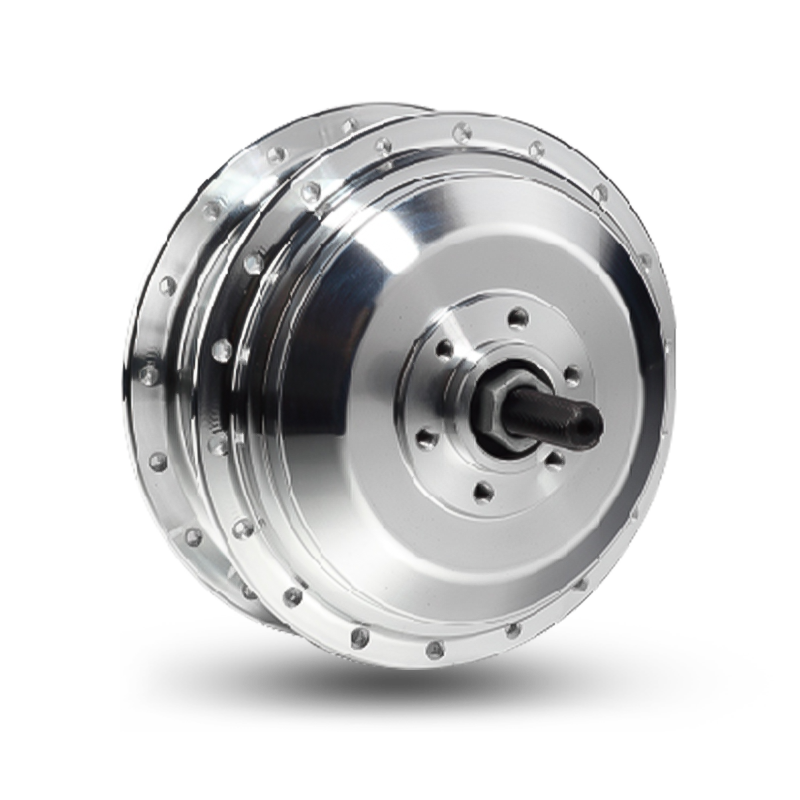 C-Type R350 Rear Hub Motor
The C-Type R350 Rear Hub Motor, designed for city e-bikes, offers a rated power ...
If you are interested in our products, please consult us
Contact Details
- Address:No. 3 Dingqiao Rd, Jiangshan Town, Yinzhou District, Ningbo, Zhejiang Province, China
- Phone: +86 13806662915
- Email: K.zhang@hengtai-cn.com
Products
Quick Link
News Center
Mobile terminal
