


 English
 中文简体
中文简体Don't hesitate to send a message
What Is a Geared Hub Motor? Complete Guide
Content
- 1 How a Geared Hub Motor Works
- 2 Geared Hub Motor vs. Direct Drive Hub Motor
- 3 Advantages of Geared Hub Motors
- 4 Disadvantages and Limitations
- 5 Geared Hub Motor vs. Mid-Drive Motor
- 6 Common Applications of Geared Hub Motors
- 7 Key Specifications to Evaluate When Choosing a Geared Hub Motor
- 8 Maintenance Tips for Geared Hub Motors
- 9 Is a Geared Hub Motor Right for You?
A geared hub motor is an electric motor housed inside a wheel hub that uses internal planetary gears to reduce the motor's rotational speed while increasing torque output. Unlike direct drive hub motors, the internal motor spins faster than the wheel itself, making geared hub motors lighter, more efficient at low speeds, and capable of freewheeling — a critical advantage for pedal-assisted electric bicycles and light electric vehicles.
In practical terms: if you're riding an e-bike that feels natural to pedal even when the motor is off, there's a strong chance it uses a geared hub motor. This article explains exactly how these motors work, where they excel, where they fall short, and how to choose the right one.
How a Geared Hub Motor Works
Inside a geared hub motor, a small high-speed brushless DC motor connects to a set of planetary gears — typically with a gear reduction ratio of 4:1 to 5:1. This means the internal motor spins at 3,000–5,000 RPM while the wheel hub rotates at a much lower, usable speed (around 250–750 RPM depending on wheel size and design).
Key Internal Components
- Stator: The fixed electromagnetic core that generates the rotating magnetic field.
- Rotor: The spinning component driven by the stator's field.
- Planetary gear cluster: Sun gear, planet gears, and a ring gear translate high motor RPM into useful wheel torque.
- Freewheel clutch: Allows the wheel to spin freely when the motor is off, preventing drag.
- Hub shell: The outer casing that attaches directly to the wheel spokes.
Because the internal motor runs at higher RPM, it can be physically smaller and lighter than a direct drive motor producing the same wheel torque. A typical geared hub motor weighs 2.5–4 kg, compared to 5–9 kg for a comparable direct drive unit.
Geared Hub Motor vs. Direct Drive Hub Motor
Understanding the difference between these two motor types is essential before making any purchasing or design decision.
| Feature | Geared Hub Motor | Direct Drive Hub Motor |
|---|---|---|
| Weight | 2.5–4 kg (lighter) | 5–9 kg (heavier) |
| Freewheeling | Yes (freewheel clutch) | No (magnetic drag) |
| Low-speed torque | Excellent | Good |
| Regenerative braking | Limited or none | Effective |
| Sustained high-speed use | Moderate (gear wear risk) | Excellent |
| Efficiency at low speed | Higher | Lower |
| Maintenance | Gears require occasional check | Nearly maintenance-free |
| Typical wattage range | 250W–750W | 500W–3,000W+ |
The freewheeling capability of geared hub motors is particularly significant for e-bikes. When the motor is off, there is zero mechanical drag, so the bike pedals exactly like a conventional bicycle. Direct drive motors, by contrast, create noticeable resistance when unpowered due to magnetic cogging.
Advantages of Geared Hub Motors
1. Superior Low-Speed Torque and Hill Climbing
The gear reduction ratio multiplies torque at the wheel. A motor generating 10 Nm internally can deliver 40–50 Nm at the wheel with a 4:1–5:1 reduction. This makes geared hub motors highly effective for hilly terrain and stop-and-go city riding, even at modest wattage ratings.
2. Natural Pedaling Feel When Motor Is Off
The built-in freewheel clutch means the motor disengages completely when not powered. Riders can commute or exercise without fighting motor resistance — a quality that many e-bike users rank as their top priority.
3. Higher Efficiency at Typical Urban Speeds
Because the internal motor operates at its optimal RPM range more consistently, geared hub motors typically achieve 80–90% efficiency at speeds of 15–30 km/h, compared to 70–85% for direct drive motors at the same speeds. This translates directly into longer battery range per charge.
4. Compact and Discreet Design
Geared hub motors have a narrower hub shell profile. This makes them easier to integrate into standard bicycle frames and gives e-bikes a cleaner aesthetic that is less visually distinct from conventional bikes — an important factor in the European and Japanese markets.
Disadvantages and Limitations
No motor technology is without trade-offs. Understanding the limitations of geared hub motors helps you assess whether they suit your specific application.
- Gear wear: The nylon or plastic planetary gears are the weakest link. Under heavy continuous load (e.g., steep hills at full throttle), gears can strip after 3,000–10,000 km, depending on quality. Premium metal-gear variants reduce this risk significantly.
- Limited regenerative braking: Because the freewheel clutch disengages the motor during coasting, regenerative braking is either unavailable or minimal in most geared hub motors. This is a notable disadvantage for hilly commutes where regen can recover meaningful energy.
- Heat under sustained load: The compact motor size means less thermal mass. On extended steep climbs or high-speed runs, geared hub motors can overheat more quickly than larger direct drive units, triggering thermal cutoffs.
- Not ideal for very high power: Most geared hub motors are rated at 250W–750W. Above 1,000W, direct drive motors and mid-drive motors are generally more durable and better-suited to the thermal and mechanical demands.
- Slightly more complex internals: The gear cluster adds mechanical complexity compared to the elegantly simple direct drive design, meaning there is one additional component category that can potentially fail.
Geared Hub Motor vs. Mid-Drive Motor
A common decision for e-bike buyers is choosing between a geared hub motor and a mid-drive motor (where the motor drives the crank rather than the wheel hub). Each has a distinct use profile.
| Criteria | Geared Hub Motor | Mid-Drive Motor |
|---|---|---|
| Cost | Lower ($80–$400) | Higher ($300–$1,200+) |
| Installation complexity | Simple (replaces wheel) | Complex (requires frame modification) |
| Mountain/off-road use | Adequate | Superior |
| Chain/drivetrain wear | Minimal | Accelerated |
| Weight distribution | Rear/front heavy | Centered (better balance) |
| Throttle-only operation | Easy to configure | More complex |
| Best for | Urban commuting, flat to moderate terrain | Mountains, technical trails, heavy loads |
For urban commuters and casual riders, a geared hub motor is almost always the better value. Mid-drives make sense for serious mountain bikers or cargo bike operators who need maximum efficiency across a wide range of terrain and gear ratios.
Common Applications of Geared Hub Motors
Geared hub motors are deployed across a broad range of electric mobility products. Their combination of light weight, strong low-end torque, and freewheeling ability makes them versatile across use cases:
- Folding e-bikes: Their compact form factor fits the smaller wheel hubs of folding bikes (16"–20") without adding excessive weight.
- Electric scooters and mopeds: Geared hub motors in the 500W–1,500W range power many entry-level electric scooters.
- Cargo e-bikes (light duty): Front geared hub motors on cargo bikes handle loads up to 100 kg effectively in flat urban environments.
- E-bike conversion kits: Geared hub motor kits are the most popular choice for DIY conversions due to ease of installation and compatibility with standard dropouts.
- Wheelchairs and mobility aids: Low-noise, high-torque geared hub motors are used in motorized wheelchairs where a quiet and responsive drive is critical.
Key Specifications to Evaluate When Choosing a Geared Hub Motor
Not all geared hub motors are created equal. When comparing models, focus on these specifications:
Rated vs. Peak Wattage
A motor rated at 250W continuous may have a peak output of 500W or more. For legal compliance in markets like the EU (250W rated limit) or for understanding real-world climbing ability, always check both figures.
Voltage Compatibility
Most geared hub motors operate on 24V, 36V, or 48V systems. Higher voltage generally enables higher speeds and efficiency. Ensure the motor matches your battery and controller voltage.
Wheel Size Compatibility
Hub motors are typically sold for specific wheel sizes (16", 20", 26", 27.5", 28"/700c, 29"). Using a motor designed for a 26" wheel on a 29" wheel will result in a higher top speed but lower torque, because the larger wheel diameter acts as a longer lever arm.
Dropout Width (Axle Width)
Standard dropout widths are 100mm (front) and 135mm or 142mm (rear). Verify the motor's axle width matches your frame's dropout spacing to avoid compatibility issues.
Gear Material: Nylon vs. Metal
Nylon planet gears are quieter and absorb shock but wear faster under heavy loads. Metal (steel or sintered) gears last significantly longer — often 20,000 km or more — but produce slightly more noise. For riders who use full throttle regularly or carry heavy loads, metal gears are strongly recommended.
Maintenance Tips for Geared Hub Motors
While geared hub motors are largely low-maintenance, a few practices significantly extend their service life:
- Avoid sustained full-throttle climbing: Use pedal assist to share the load and prevent overheating the motor on long ascents.
- Inspect gear grease every 2–3 years: Open the hub casing and check the planetary gear grease. Dry or degraded grease accelerates gear wear dramatically. Regrease with high-quality lithium-based grease.
- Check axle nuts and torque arms regularly: Motor torque can loosen axle nuts over time, especially on aluminum dropouts. A torque arm is strongly recommended for all rear hub motor installations above 350W.
- Keep the motor dry: Most geared hub motors have an IP rating of IP54–IP65. Avoid pressure washing directly at the hub or submerging the motor in water.
- Listen for grinding or clicking sounds: These are early indicators of gear wear. Catching it early can allow a gear replacement before more expensive damage occurs to the motor windings.
Is a Geared Hub Motor Right for You?
A geared hub motor is the right choice if you:
- Ride primarily in urban or suburban environments with moderate gradients.
- Want a lighter e-bike that still feels like a regular bicycle when the motor is off.
- Are building a conversion kit e-bike and want simple installation.
- Prioritize a lower upfront cost without sacrificing core functionality.
- Need a motor for a scooter, folding bike, or mobility device where weight is a concern.
Consider a mid-drive or direct drive alternative if you ride steep mountain trails, require frequent regenerative braking, regularly carry very heavy cargo, or need sustained high-power output over long durations.
For the majority of everyday riders, however, the geared hub motor offers an optimal balance of performance, weight, efficiency, and cost — which is exactly why it powers the vast majority of e-bikes sold worldwide today.
OUR PRODUCTS
Recommended Products
-
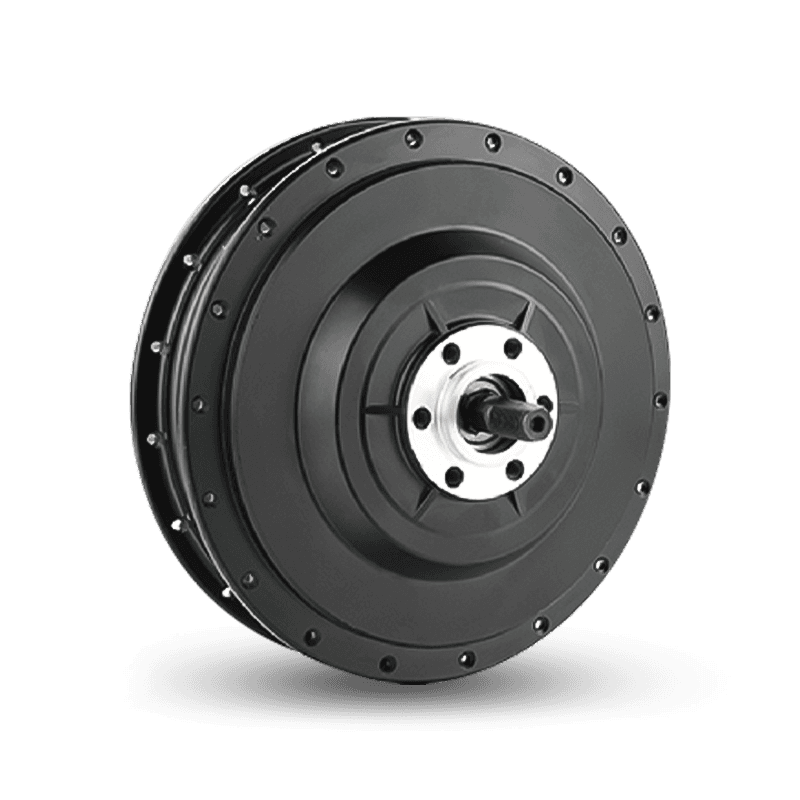 E-Type F500 Front Hub Motor
The E-Type F500 front hub motor is designed for E-Cargo and E-MTB bikes, offerin...
-
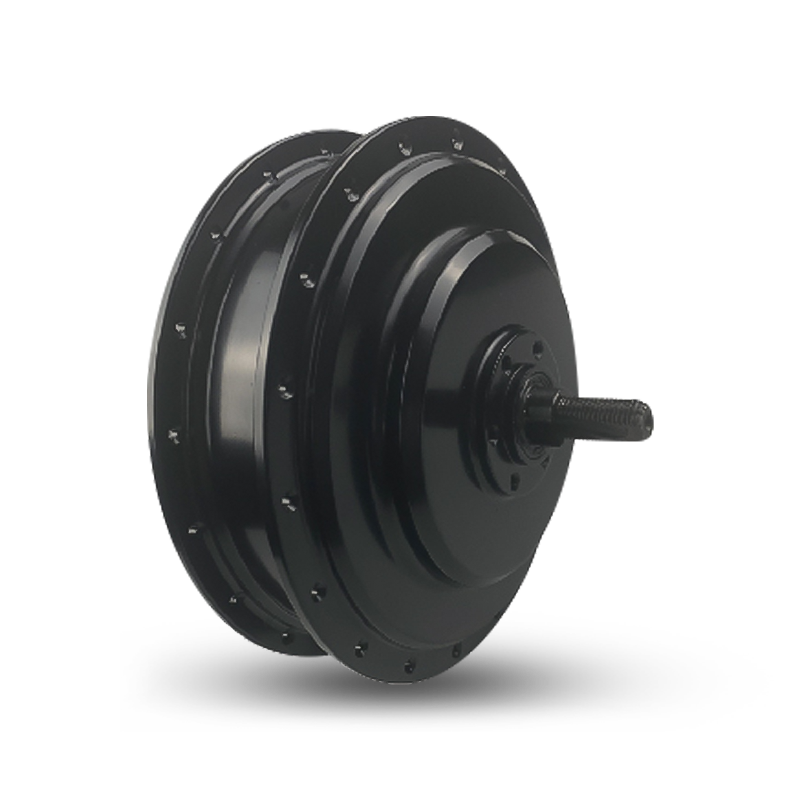 E-Type Pro RC750 Rear Hub Motor
The E-Type Pro RC750 Rear Hub Motor is designed for E-Cargo and E-MTB bikes, com...
-
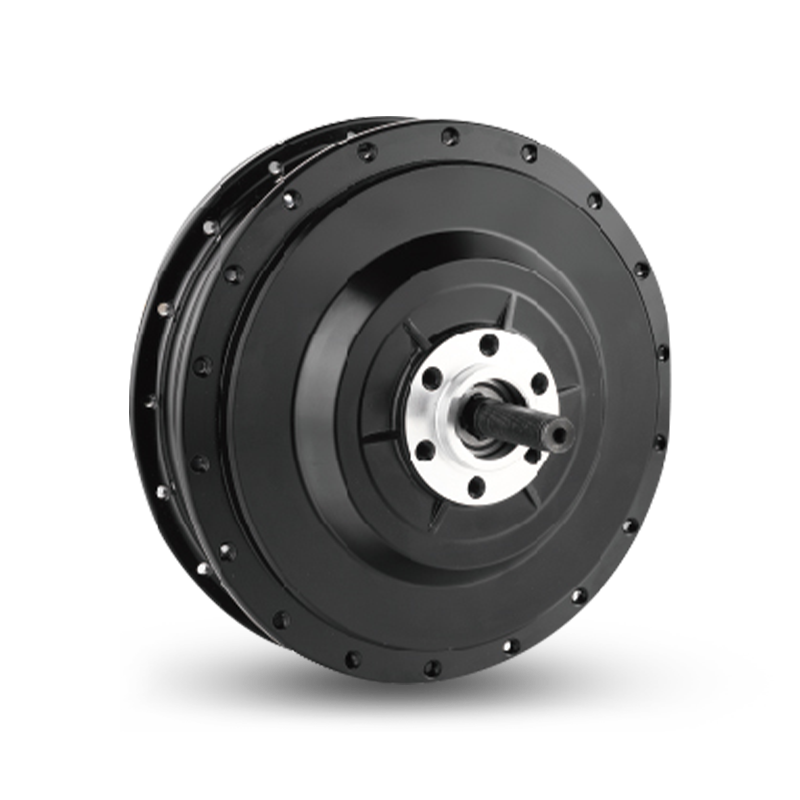 E-Type RF500 Rear Hub Motor
The E-Type RF500 Rear Hub Motor is designed for E-Cargo and E-MTB bikes, compati...
-
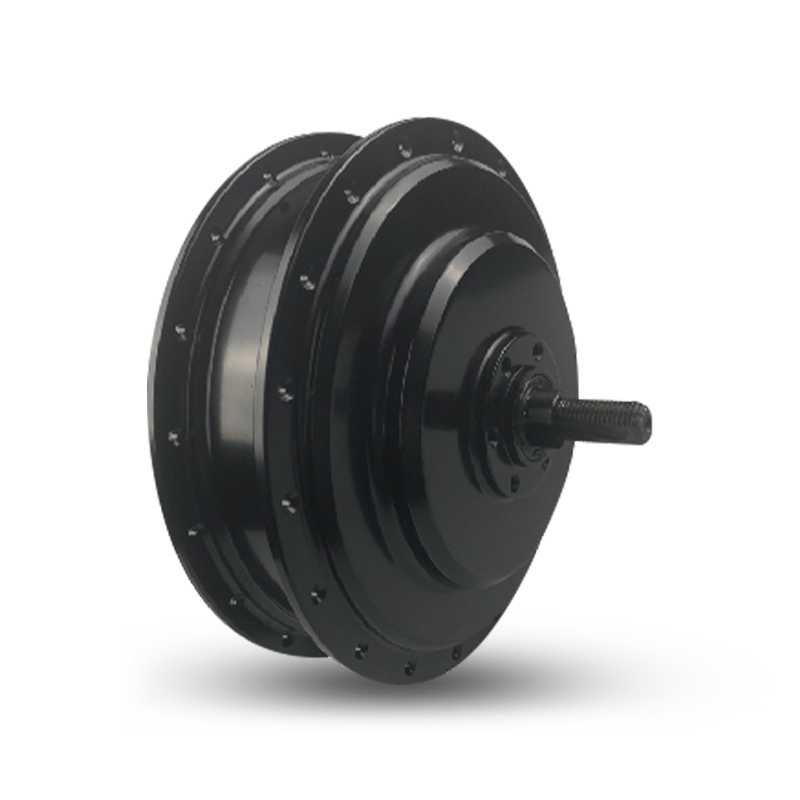 E-Type Pro RF750 Rear Hub Motor
The E-Type Pro RF750 Rear Hub Motor is designed for E-Cargo and E-MTB bikes, com...
-
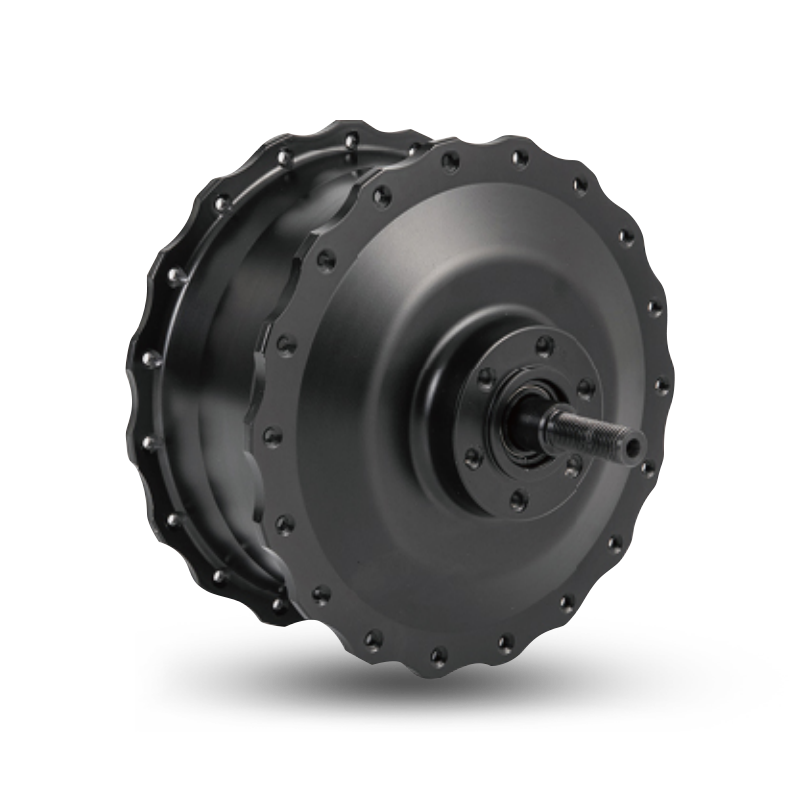 S-Type Pro F1500 Front Hub Motor
The S-Type Pro F1500 front hub motor, designed for E-Carao and E-Fat bikes, offe...
-
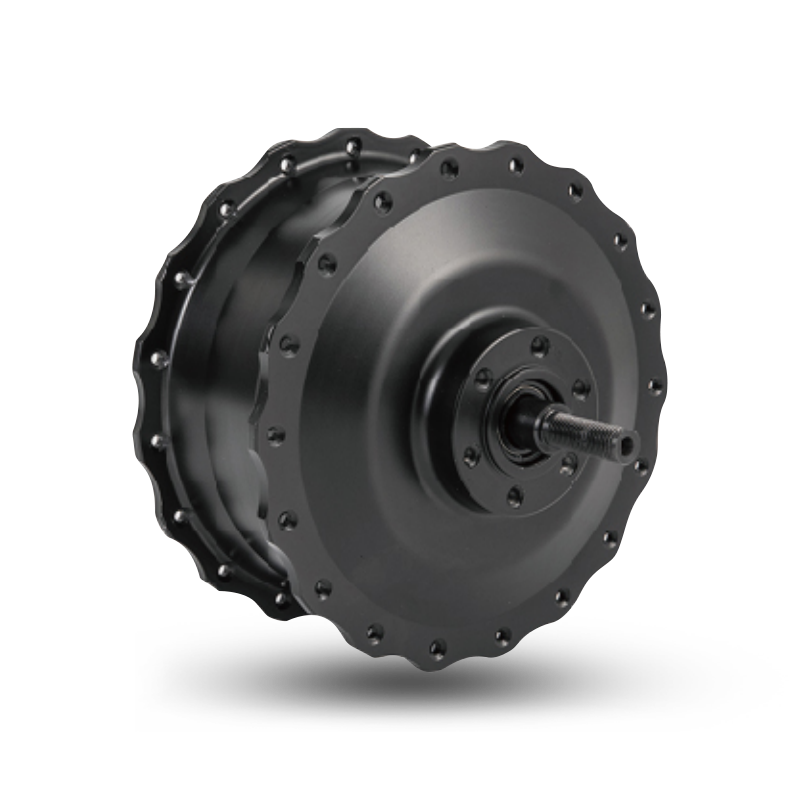 S-Type F750 Front Hub Motor
S-Type F750 is designed for E-Cargo and E-Fat. The rated power ranges from 500W ...
-
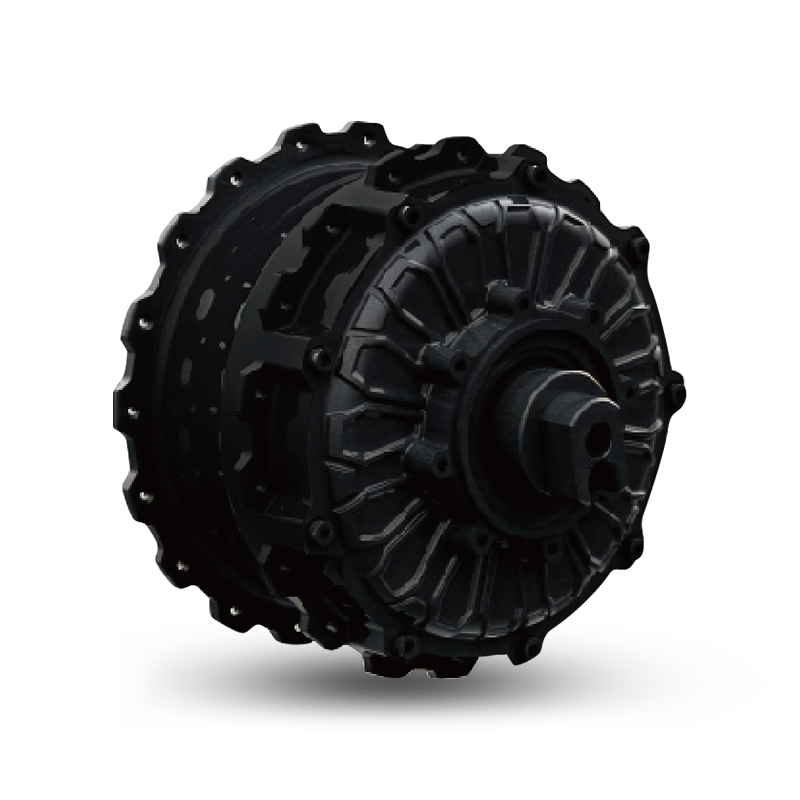 S-TYPE Max THRU AXLE Rear Hub Motor
The S-TYPE Max thru-axle motor is designed for E-Fat, Moped, and Cargo applicati...
-
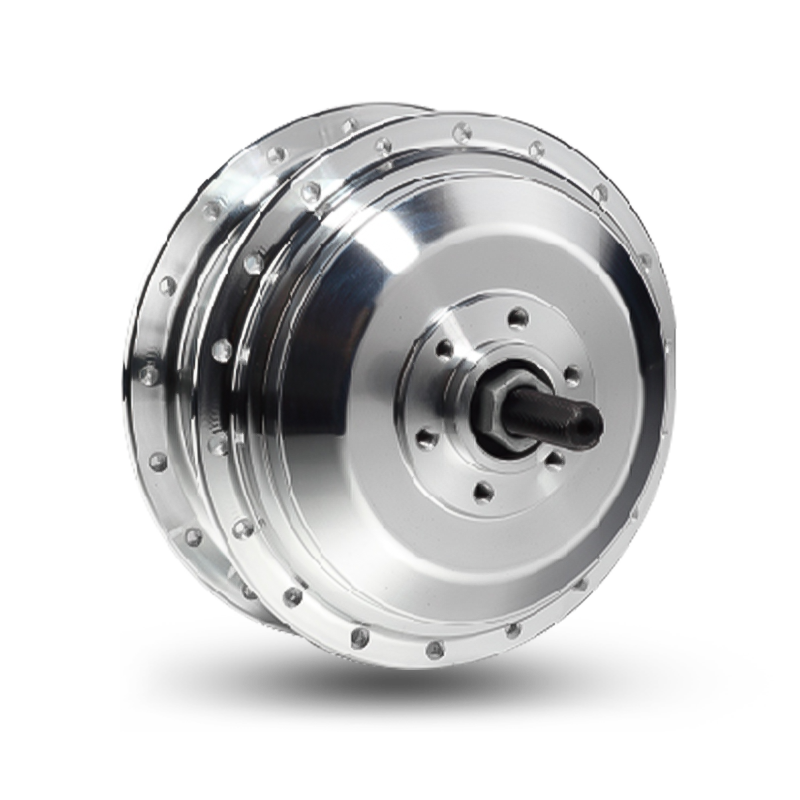 C-Type R350 Rear Hub Motor
The C-Type R350 Rear Hub Motor, designed for city e-bikes, offers a rated power ...
If you are interested in our products, please consult us
Contact Details
- Address:No. 3 Dingqiao Rd, Jiangshan Town, Yinzhou District, Ningbo, Zhejiang Province, China
- Phone: +86 13806662915
- Email: K.zhang@hengtai-cn.com
Products
Quick Link
News Center
Mobile terminal
