


 English
 中文简体
中文简体Don't hesitate to send a message
Geared Hub vs Direct Drive Motor: Which Should You Choose?
Content
- 1 How Each Motor Type Works
- 2 Head-to-Head Comparison Across Every Key Factor
- 3 Torque and Climbing: Where Geared Motors Have a Clear Edge
- 4 Efficiency at Speed: Where Direct Drive Pulls Ahead
- 5 Regenerative Braking: A Direct Drive Exclusive Advantage
- 6 Coasting Drag: The Hidden Range Factor
- 7 Durability and Long-Term Maintenance Costs
- 8 Weight and Unsprung Mass: Why It Matters More Than You Think
- 9 Power Ceiling: Why Direct Drive Wins at High Wattage
- 10 Which Motor Type Fits Which Rider
- 11 Real-World Examples: Same Route, Different Motors
Choose a geared hub motor for hilly terrain, lighter builds, and stop-and-go city riding. Choose a direct drive motor for flat high-speed cruising, regenerative braking, and long-term durability with minimal maintenance. Neither is universally better — the right answer depends entirely on your riding profile, total system weight, and whether regen or low drag matters more to you. This guide breaks down every meaningful difference with real specifications so you can make a confident, informed decision.
How Each Motor Type Works
The fundamental difference between these two motor types lies in what sits between the spinning electromagnets and your wheel.
Geared Hub Motor
A geared hub motor contains a small, high-speed inner motor core connected to the wheel shell via a planetary gearbox with a 3:1 to 5:1 reduction ratio. The inner motor spins at 3,000–6,000 RPM, the gearbox steps this down to a wheel-speed RPM appropriate for 20–32 km/h road speeds. This gear reduction multiplies torque at the output, which is why geared motors feel punchy at low speeds and on climbs. A one-way clutch (freewheeling mechanism) disconnects the motor from the wheel when unpowered, eliminating drag during coasting or human-only pedaling.
Direct Drive Hub Motor
A direct drive motor has no gearbox. The outer shell of the motor is the wheel hub — the rotor magnets are fixed directly to the hub shell, and the stator coils are wound around the fixed axle. When current flows, the hub shell rotates at exactly the speed commanded by the controller with no mechanical intermediary. This means the motor must be physically large enough to produce useful torque at low RPM directly, which is why direct drive motors are heavier and wider than comparable geared units. The rigid connection between rotor and wheel also enables regenerative braking, since the wheel can spin the motor as a generator.
Head-to-Head Comparison Across Every Key Factor
| Factor | Geared Hub Motor | Direct Drive Motor |
|---|---|---|
| Typical weight | 2.0–3.5 kg | 3.5–6.5 kg |
| Low-speed torque | High (gear multiplication) | Moderate |
| High-speed efficiency | Moderate (gear friction) | High (88–92%) |
| Coasting drag | Zero (freewheels) | Noticeable (back-EMF resistance) |
| Regenerative braking | Not possible | Yes (5–15% energy recovery) |
| Heat management on climbs | Better (runs at efficient RPM) | Prone to overheating on sustained hills |
| Mechanical lifespan | 15,000–25,000 km (gear wear) | 50,000+ km (bearings only) |
| Noise level | Slight gear whine (especially at speed) | Near silent |
| Power ceiling | Up to ~1000W (gear stress limit) | 1000W–10,000W+ |
| Maintenance | Gear replacement every ~20,000 km | Minimal (bearing service only) |
| Typical cost | $60–$220 | $120–$500+ |
Torque and Climbing: Where Geared Motors Have a Clear Edge
On climbs, geared hub motors have a structural advantage that no amount of controller tuning can give a comparably sized direct drive motor. The planetary gearbox multiplies torque at the wheel output without requiring a physically larger or heavier motor.
A typical 250W geared hub motor produces 45 Nm of output torque despite weighing only 2.7 kg. A direct drive motor of similar weight and power — such as a basic 250W unit — produces 20–30 Nm at the wheel. To match the geared motor's torque output, a direct drive motor must be significantly larger and heavier, often 4–5 kg for comparable torque figures.
The second advantage on hills is thermal. Because a geared motor's inner core spins at 3–5x the wheel speed, it operates in a more efficient RPM range even at slow climbing speeds. A direct drive motor on a steep 10% grade at 10 km/h is spinning very slowly — far below its efficiency peak — and must dissipate more heat per unit of work. Sustained climbs above 8% gradient at low speed are one of the primary causes of direct drive motor overheating in undersized builds.
Efficiency at Speed: Where Direct Drive Pulls Ahead
At sustained cruise speeds — typically 28–45 km/h — direct drive motors are more efficient than geared motors because there are no gear meshing losses. Every mechanical interface between motor and wheel introduces friction. In a geared hub, the planetary gearbox loses approximately 3–8% of motor output to gear friction, depending on load and temperature.
A well-designed direct drive motor running at its optimal load point achieves 88–92% electrical-to-mechanical efficiency. The same motor at low speed or high overload drops to 60–70% efficiency due to copper losses in the windings. The key is matching motor Kv to your target speed so it operates near its efficiency peak during normal riding.
In practical terms, a direct drive motor on a flat 40 km commute at 32 km/h will consume noticeably less battery than a geared motor completing the same route — the difference can be 10–15% less energy consumption under ideal conditions. Over the life of the battery, this translates to meaningful range and cycle-life gains.
Regenerative Braking: A Direct Drive Exclusive Advantage
Regenerative braking is only possible with direct drive motors. The reason is mechanical: geared hub motors use a one-way clutch that disconnects the motor from the wheel during deceleration. When you stop applying power, the clutch releases, and the wheel spins freely with the motor decoupled. There is no way for wheel rotation to be transmitted back through the gears to generate electricity.
Direct drive motors are permanently coupled to the wheel. When the controller switches into regen mode during braking or downhill riding, the wheel forces the rotor to spin, which generates back-EMF that is captured and fed back to the battery. In urban stop-and-go traffic, this recovers 5–10% of total trip energy. On long descents, recovery can reach 15%. On flat routes with minimal braking, the benefit is negligible.
The practical value of regen depends heavily on your route. A rider doing 20 km of flat highway commuting gains almost nothing from regen. A rider commuting 15 km through hilly city terrain with 12 traffic stops will see a genuine range extension — potentially adding 3–6 km of usable range per charge on a typical 48V 14Ah system.
There is also a braking feel consideration. Regen provides progressive, modulated braking that many riders find smoother than mechanical-only braking. Combined with hydraulic disc brakes, a direct drive motor with regen offers a more controlled deceleration experience — particularly useful for cargo bikes carrying significant load.
Coasting Drag: The Hidden Range Factor
When you stop pedaling and stop using the motor, a direct drive motor creates measurable resistance. The permanent magnets in the rotor continuously induce a small back-EMF as the wheel turns — this manifests as a braking sensation that requires slightly more effort to coast or pedal without assist. Riders often describe it as the bike feeling "heavy" compared to a conventional non-motorized bicycle.
Geared hub motors are completely drag-free when unpowered. The one-way clutch fully decouples the motor, and the wheel rolls as freely as a standard hub. This matters in several real scenarios:
- Riding after the battery is depleted — a geared motor bike is rideable; a direct drive bike feels like pedaling with a brake pad rubbing.
- High-cadence sprinting without motor assist — geared motors allow free acceleration without resistance.
- Long downhill sections where you want to roll freely — direct drive drag is most noticeable at higher wheel speeds.
The drag of a typical 500W direct drive motor is roughly equivalent to riding against a 2–4% constant headwind at 30 km/h. This is modest but not insignificant on a 60 km touring route where you frequently pedal unassisted.
Durability and Long-Term Maintenance Costs
Both motor types are reliable — but they fail in different ways and at different timescales.
Geared Hub Motor Wear Points
The nylon planetary gears are the primary wear component. Under normal use, they last 15,000–25,000 km. Symptoms of gear wear include rattling at low speed, a slipping sensation under hard acceleration, or grinding on hills. Replacement gear sets for popular motors cost $10–$25 and are a manageable DIY repair with basic tools. The one-way clutch can also wear over time and is similarly inexpensive to replace. Hall sensors occasionally fail and cause rough or jerky startup — each sensor costs under $5.
Direct Drive Motor Wear Points
Direct drive motors have no gear mechanism, no clutch, and no wear parts beyond the axle bearings. Quality sealed bearings last 30,000–50,000 km under normal loads and cost $5–$15 each to replace. The only other potential failure is stator winding damage from sustained overheating — but this is avoidable with a correctly sized motor for your terrain. A properly matched direct drive motor in flat-terrain use is effectively a lifetime component.
Over a 40,000 km service life, a geared motor will typically require two gear replacements (~$50 total in parts) and possibly a Hall sensor replacement (~$10). A direct drive motor will require bearing replacement once (~$20). Total long-term maintenance cost difference is minimal — but direct drive requires less mechanical intervention overall.
Weight and Unsprung Mass: Why It Matters More Than You Think
Hub motor weight sits at the wheel — this is called unsprung mass. Unlike frame-mounted weight, unsprung mass directly affects suspension response, steering precision, and the physical effort required to accelerate.
A typical geared hub motor weighs 2.0–3.5 kg. A comparable direct drive motor weighs 3.5–6.5 kg. On a 20 kg ebike, swapping from a 2.5 kg geared motor to a 5 kg direct drive motor increases unsprung rear wheel mass by 100%. The difference is perceptible in how the bike handles corners, responds to road bumps, and accelerates from a standstill.
For folding bikes, lightweight commuters, and any build where total weight is a priority, geared motors are the practical choice. For cargo bikes and electric mopeds where the frame already carries 20+ kg of payload, the extra 2–3 kg of a direct drive motor is proportionally less significant.
Power Ceiling: Why Direct Drive Wins at High Wattage
Geared hub motors have a practical power ceiling of approximately 1000W continuous. Above this threshold, the torque transmitted through the planetary gearbox exceeds what nylon gears can reliably handle over time. Some geared motors use metal gears to push beyond this limit, but weight and cost increase substantially.
Direct drive motors scale freely to very high power levels. The largest hub motors used in industrial electric vehicles exceed 20 kW. This scalability is why every performance ebike, electric moped, and in-wheel motor vehicle application uses direct drive architecture.
Which Motor Type Fits Which Rider
Based on the performance differences above, here is a clear framework for matching motor type to rider profile:
Geared Hub Motor Is the Better Choice For:
- City commuters dealing with hills above 5% gradient who need strong startup torque.
- Riders who frequently pedal without motor assist and want zero coasting resistance.
- Anyone building a lightweight ebike under 20 kg total.
- Riders in EU markets where a legal 250W motor is required — geared motors deliver far more usable performance per watt.
- Budget-conscious builders — quality geared motors start at $60–$80, making them the most accessible entry point.
Direct Drive Motor Is the Better Choice For:
- Flat-terrain long-distance riders who value maximum efficiency at cruise speed.
- Riders who want regenerative braking for urban stop-and-go traffic or hilly descents.
- Cargo bike builders where the extra weight is acceptable and regen helps manage loaded descents.
- High-power builds above 1000W — direct drive is the only viable architecture.
- Riders who prioritize silence — direct drive motors produce virtually no mechanical noise at any speed.
Real-World Examples: Same Route, Different Motors
To make the trade-offs concrete, consider two riders completing the same 20 km urban commute with a 150m elevation gain, using the same 48V 14Ah battery:
| Metric | 500W Geared Hub Motor | 500W Direct Drive Motor |
|---|---|---|
| Motor weight | 2.8 kg | 4.5 kg |
| Climb feel (8% grade) | Strong, confident | Adequate, runs warmer |
| Energy used (20 km trip) | ~220 Wh | ~195 Wh (with regen) |
| Coasting feel | Completely free | Slight resistance |
| Noise | Faint gear whine | Silent |
| Expected gear service | ~20,000 km | None |
In this scenario the direct drive motor edges out in energy efficiency due to regen recovering energy on descents and at traffic stops. But the geared motor handles the climbs more confidently and weighs 1.7 kg less — a meaningful difference on a bike that will be carried upstairs or loaded onto a rack. Neither result is clearly superior; the right choice depends on whether hill torque or efficiency/silence matters more to you.
OUR PRODUCTS
Recommended Products
-
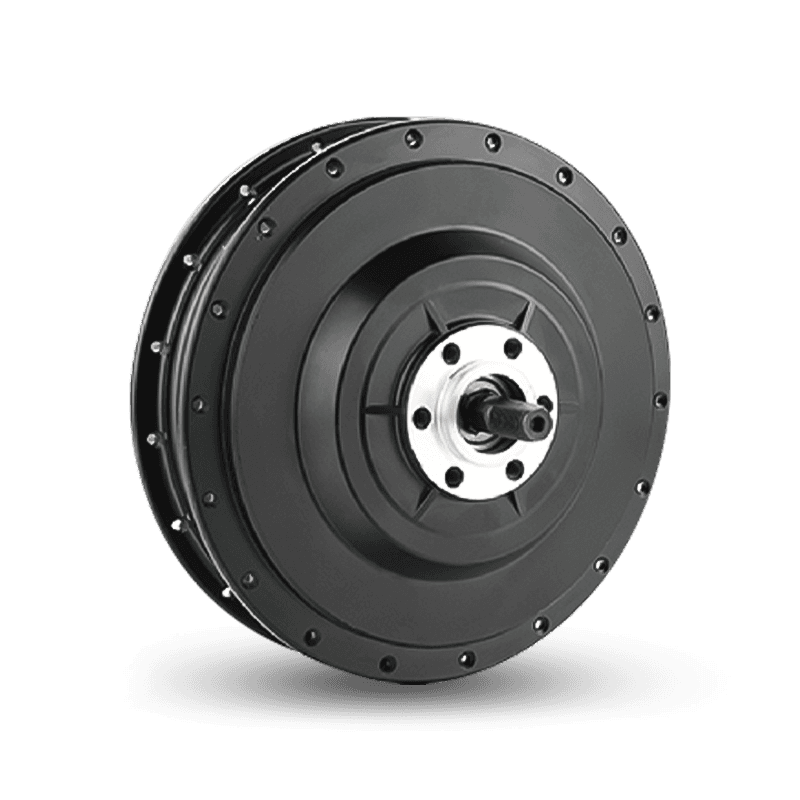 E-Type F500 Front Hub Motor
The E-Type F500 front hub motor is designed for E-Cargo and E-MTB bikes, offerin...
-
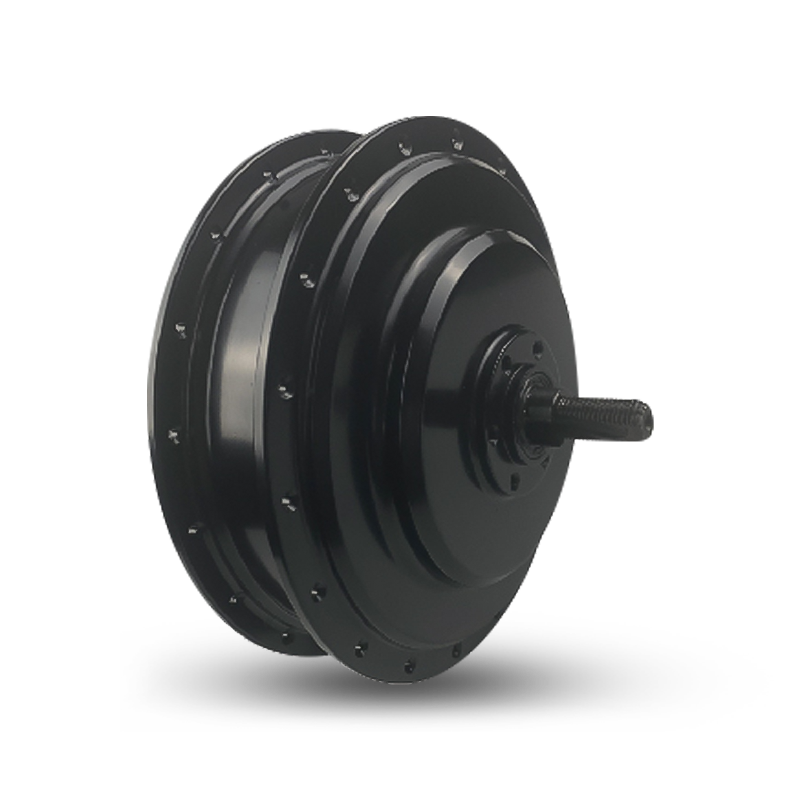 E-Type Pro RC750 Rear Hub Motor
The E-Type Pro RC750 Rear Hub Motor is designed for E-Cargo and E-MTB bikes, com...
-
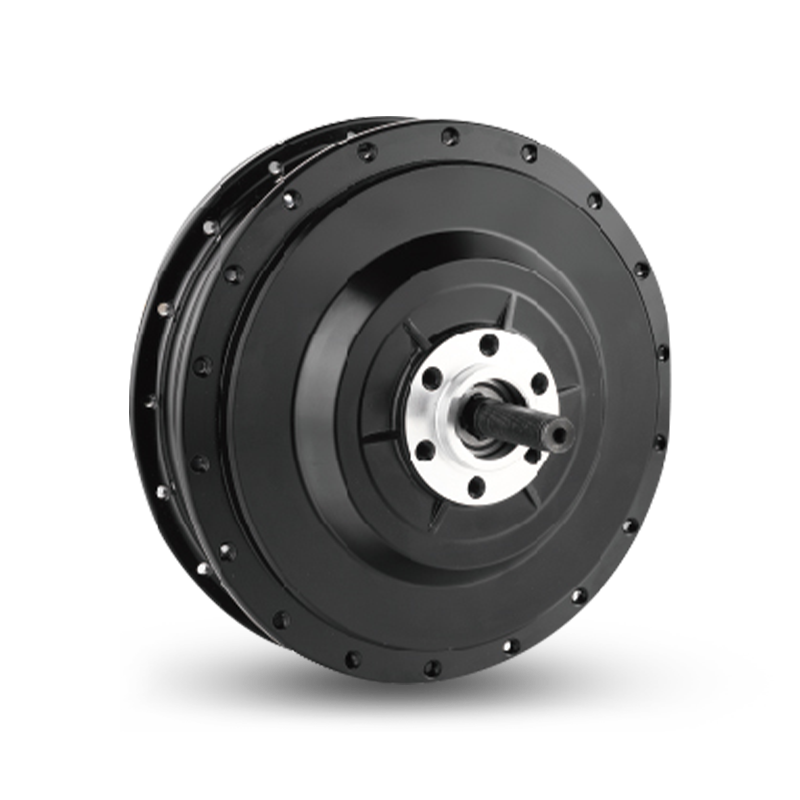 E-Type RF500 Rear Hub Motor
The E-Type RF500 Rear Hub Motor is designed for E-Cargo and E-MTB bikes, compati...
-
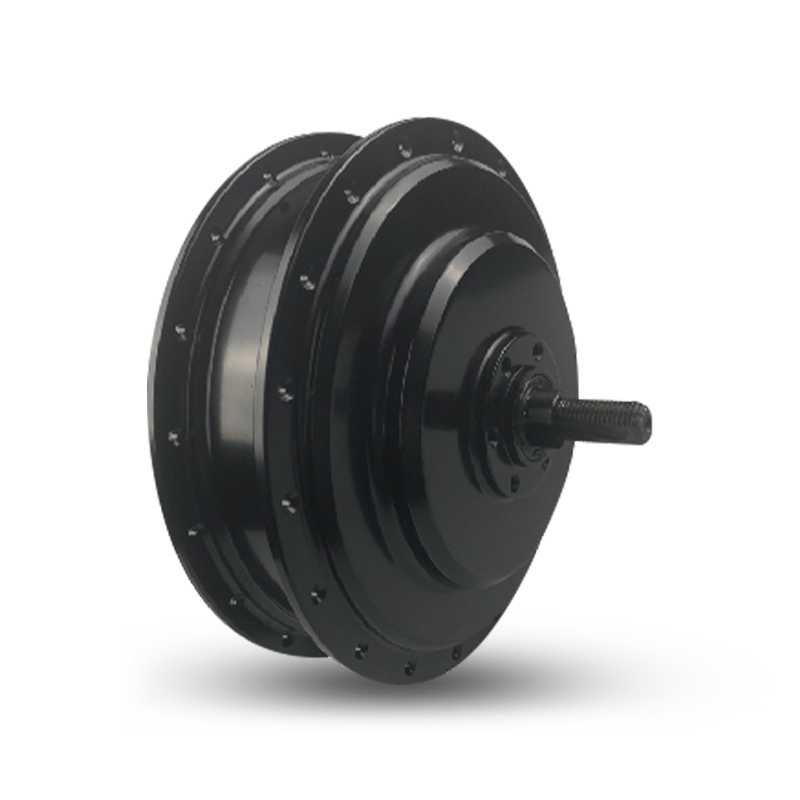 E-Type Pro RF750 Rear Hub Motor
The E-Type Pro RF750 Rear Hub Motor is designed for E-Cargo and E-MTB bikes, com...
-
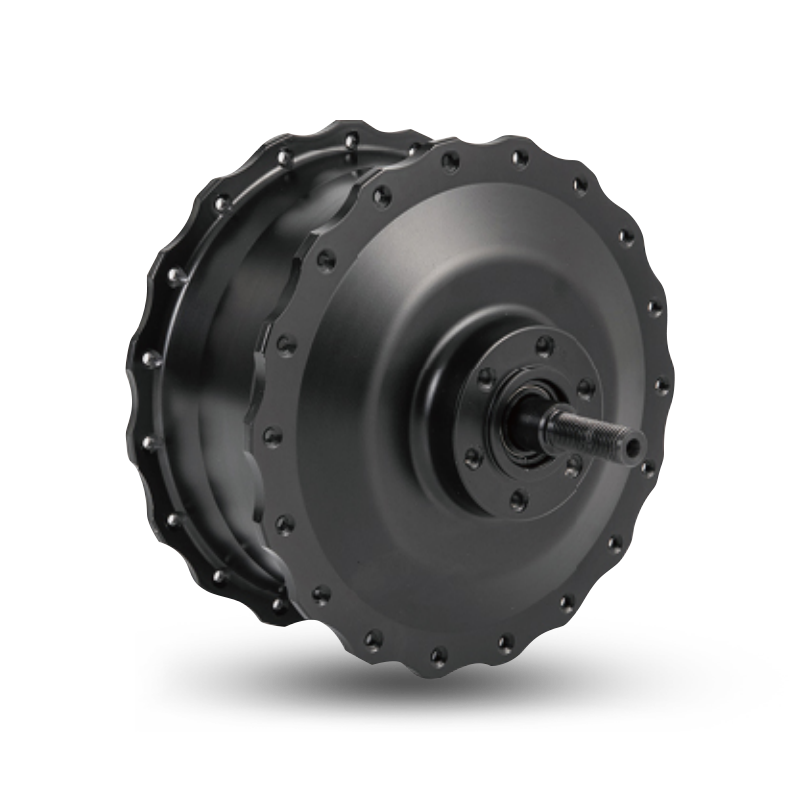 S-Type Pro F1500 Front Hub Motor
The S-Type Pro F1500 front hub motor, designed for E-Carao and E-Fat bikes, offe...
-
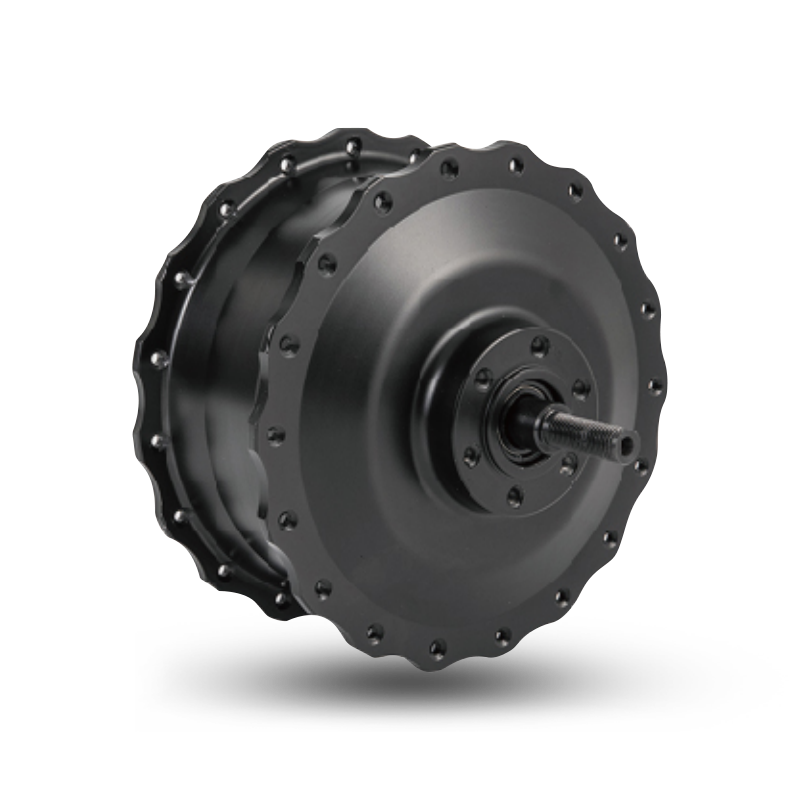 S-Type F750 Front Hub Motor
S-Type F750 is designed for E-Cargo and E-Fat. The rated power ranges from 500W ...
-
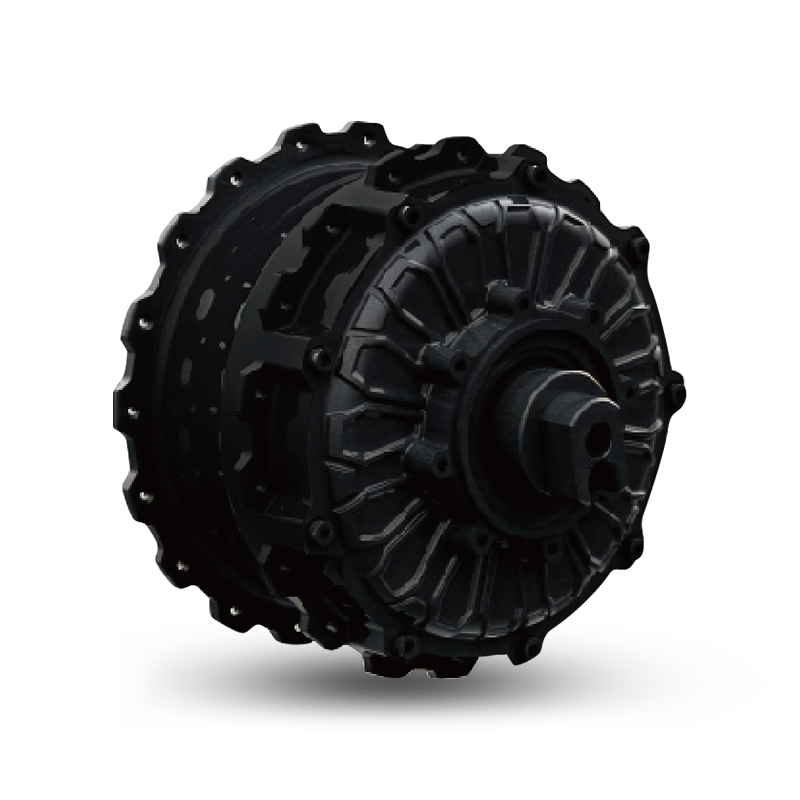 S-TYPE Max THRU AXLE Rear Hub Motor
The S-TYPE Max thru-axle motor is designed for E-Fat, Moped, and Cargo applicati...
-
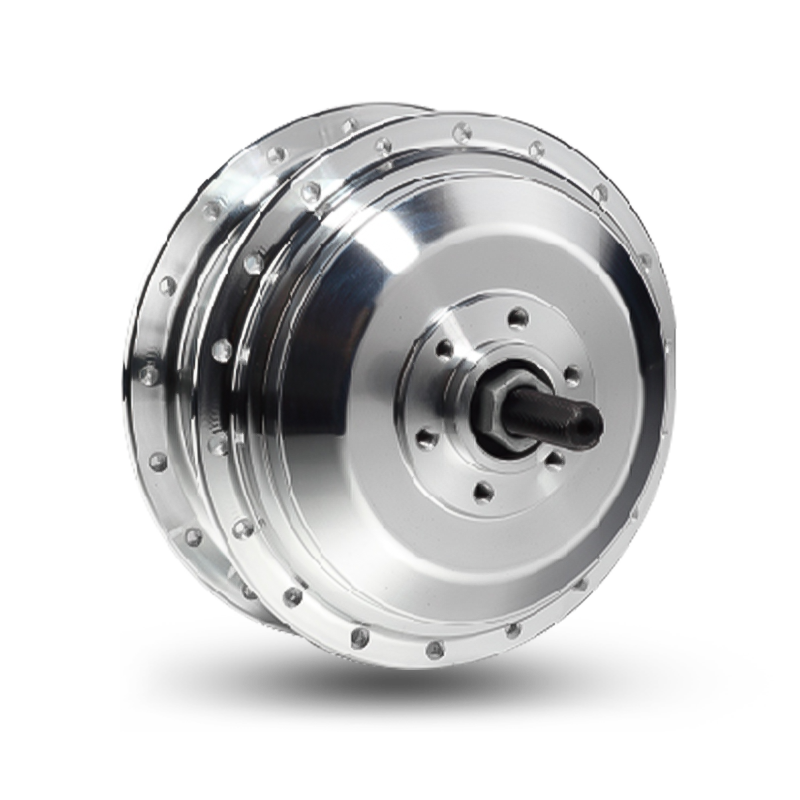 C-Type R350 Rear Hub Motor
The C-Type R350 Rear Hub Motor, designed for city e-bikes, offers a rated power ...
If you are interested in our products, please consult us
Contact Details
- Address:No. 3 Dingqiao Rd, Jiangshan Town, Yinzhou District, Ningbo, Zhejiang Province, China
- Phone: +86 13806662915
- Email: K.zhang@hengtai-cn.com
Products
Quick Link
News Center
Mobile terminal
