


 English
 中文简体
中文简体Don't hesitate to send a message
Plastic-Steel Gear Hub Motor: How Gear Material Choice Affects Torque and Life
Content
A food-delivery fleet runs forty cargo e-bikes through a city winter. By early spring, riders report the same symptom across the lineup: a brief slipping sensation under hard acceleration, followed by a clicking that worsens week after week. When the fleet mechanic finally opens the first hub, he finds the classic culprit — stripped nylon planet gears inside a geared hub motor that was, on paper, correctly rated for the bike.
Cases like this lead to a conclusion worth stating up front: neither an all-plastic nor an all-steel gear set is the automatic answer for a geared hub motor. For most OEM and fleet builds, a plastic-steel gear hub motor — one that deliberately assigns steel and nylon composite gears to the positions where each performs best — delivers the most balanced result across noise, torque capacity, and service life. The sections below explain how these hybrid gear sets work, where each material fails, and what buyers should verify before committing to a supplier.
What a Plastic-Steel Gear Hub Motor Actually Is
A geared hub motor places a compact, high-speed motor inside the hub shell and connects it to a planetary gear set. The motor spins at several thousand revolutions per minute; the planetary reduction drops that speed to wheel-appropriate levels while multiplying torque several times over, depending on the ratio. A one-way clutch lets the wheel spin freely whenever the motor is off, so there is no magnetic drag to fight while pedaling. That reduction is what allows a light, small-diameter hub to climb grades a same-size direct-drive motor cannot handle efficiently.
"Plastic-steel" describes how the planetary set is built. Instead of making every gear from a single material, the manufacturer combines nylon — typically glass-fiber reinforced — with steel gears, or offers the same hub architecture in selectable all-nylon and all-steel versions. In many designs, steel occupies the position that sees the highest point loads, such as the sun gear, while nylon composite planets carry the remaining stages. The engineering goal is to keep the quiet running and vibration damping of nylon without surrendering the torque capacity of steel.
The reduction principle itself is standard; the material strategy is what varies between suppliers, and it is detailed further in our plastic-steel gear hub motor technology overview.
How Each Gear Material Behaves Under Load
Nylon gears earn their place in hub motors for reasons that go well beyond cost. They run noticeably quieter than steel-on-steel meshes because the material absorbs vibration instead of transmitting it into the frame. They tolerate minor alignment errors and normal gear-train flex without jamming. And when they do fail, they usually fail in a way that protects the more expensive components around them.
The weaknesses appear under sustained load. When a heavily laden bike grinds up a long hill on a warm day, the gear chamber heats up, and nylon loses stiffness and fatigue strength as temperature rises. Teeth shear, tooth corners round off, and the rider feels it as slipping under torque — exactly the symptom in the fleet scenario above. Nylon also absorbs a small amount of moisture over its service life, which competent manufacturers must account for in tooth clearances.
Steel gears flip that profile. They carry far higher torque, resist tooth wear across long mileage, and do not soften when the hub gets hot. The trade-offs are equally real: steel meshes produce more audible whine, transmit more vibration into the frame, demand tighter manufacturing tolerances, and can accelerate wear on softer mating components if the mixed gear set is not engineered as a system.
A plastic-steel gear hub motor exists precisely because neither extreme is optimal. The comparison below summarizes the practical differences.
| Criterion | All-Nylon Gear Set | All-Steel Gear Set | Plastic-Steel Composite |
|---|---|---|---|
| Noise level | Lowest of the three | Highest; audible whine under load | Low, close to full nylon |
| Torque capacity | Moderate; drops as heat builds | Highest | High, limited by the nylon stages |
| Weight | Lightest | Heaviest | Between the two |
| Typical failure mode | Stripped or sheared teeth under overload | Gradual wear over very long mileage | Depends on layout; steel positions rarely fail first |
| Relative cost | Lowest | Highest | Mid-range |
| Best fit | Light commuting on flat routes | High-torque, continuous-duty platforms | Most mixed-duty OEM and fleet builds |
Matching the Gear Set to the Duty Cycle
The right purchasing question is not "plastic or steel?" but "what does this vehicle carry, and for how many hours each day?" Duty cycle decides the answer.
Light urban and commuter duty
For city commuters and folding bikes on mostly flat routes, a nylon-leaning composite gear set is usually the right call. Torque demand stays modest, noise is the quality riders notice most, and the gears remain an affordable, easily serviced component. A representative build for this class:
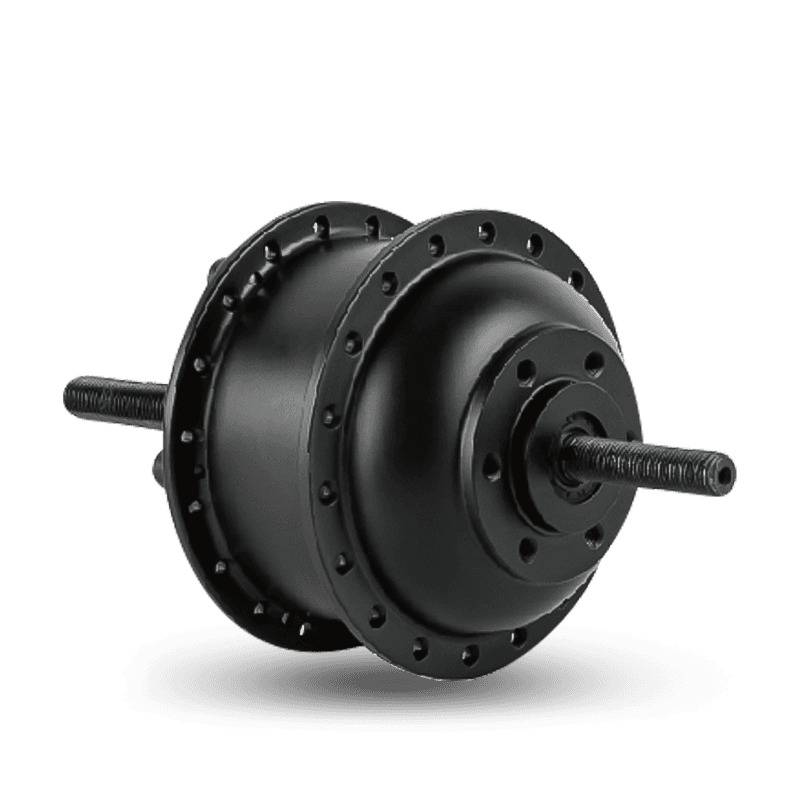 HT MINI 250W Front Hub Motor for City and Folding BikesA 1.95 kg external-rotor front hub motor rated 250W with 40Nm torque, suited to flat urban routes. Its compact plastic-steel gear set keeps noise low and servicing affordable, matching the needs of everyday commuters.View Product →
Mid-duty and mixed use
Once a build starts carrying regular loads — a child seat, panniers, light cargo — or faces rolling terrain every day, the gear set needs more headroom. This is where the composite layout earns its keep: steel engagement points absorb peak torque while the nylon stages keep the hub civil at cruising speed. A rear unit in this territory:
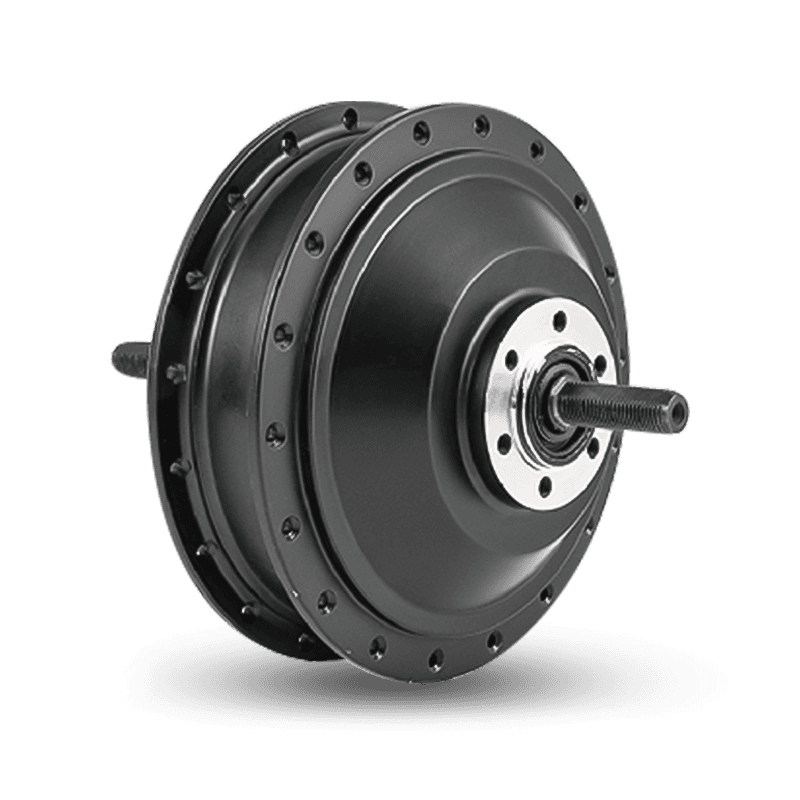 Q-Type RC350 Rear Hub Motor for Loaded CommutingA rear hub motor offering 250-350W rated power, 50Nm torque, and an IP65 rating with cassette compatibility. Its composite gears handle the higher torque of loads and rolling terrain while keeping cruising quiet.View Product →
Heavy loads, hills, and continuous duty
Cargo bikes, fat-tire builds, hill-heavy routes, and industrial platforms such as AGVs impose torque and heat that pure nylon gears cannot survive for long. These applications need steel-critical gear sets, robust hub shells, and thermal margin designed in from the start. One example at this end of the range:
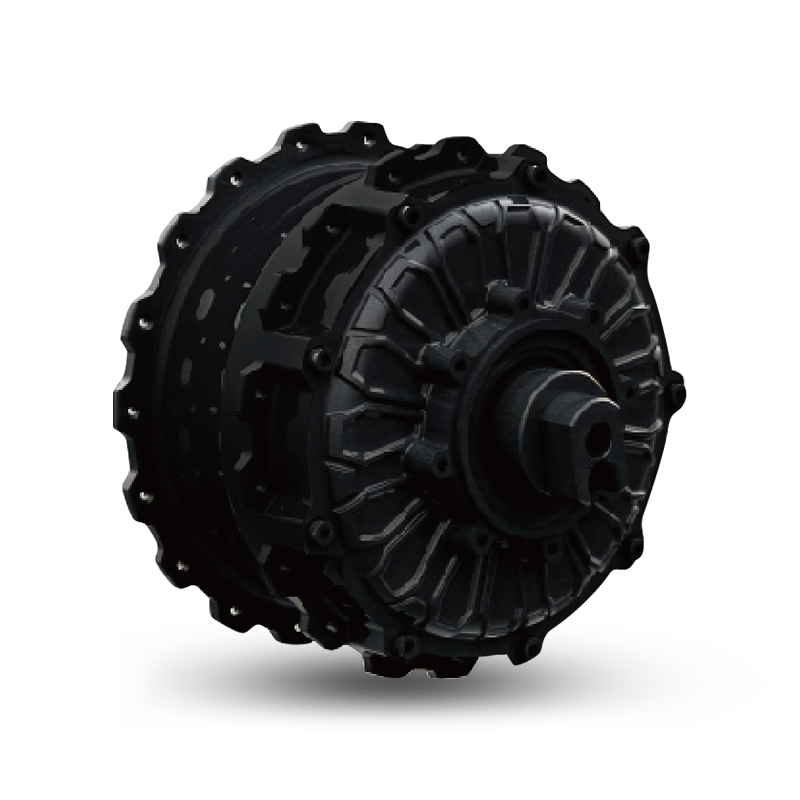 S-TYPE Max Thru-Axle Rear Hub Motor for Cargo and Fat BikesBuilt for cargo, fat-tire, and moped platforms, this 190mm thru-axle rear motor reaches 2000W rated power and over 170Nm torque under 60V, with steel-critical gears providing durability under continuous heavy loads.View Product →
What to Verify Before Committing to a Supplier
Gear material is only as good as the process behind it. Before placing a volume order, the following checks separate serious manufacturers from assemblers:
- Ask where the gears are made. Nylon gear quality depends heavily on molding precision and material grade, so a supplier that molds its own gears controls what ships; one that buys them in does not.
- Request torque and temperature data, not just peak torque. A hub that hits its rated torque on the bench but overheats during a twenty-minute climb has not solved the fleet problem described above.
- Ask for measured noise figures at defined speeds rather than accepting the word "quiet" on a datasheet.
- Confirm the quality system: ISO 9001 certification, in-house test benches, and end-of-line testing on production batches rather than only on samples.
- Check vertical integration. A manufacturer that casts its own housings, precision-machines shafts and covers in-house, and assembles complete motors controls tolerances end to end and can adapt mounting interfaces quickly when your frame team changes a dropout design.
These checks matter because the gear set, the housing, and the bearings behave as one system. A slightly out-of-tolerance housing can misload gear teeth and turn a well-designed composite gear set into a warranty claim.
Service Life and Maintenance Realities
With a properly matched gear set, geared hub motors are not short-lived components. Our mileage guarantee program set a benchmark of more than 30,000 miles per motor, and over fifty units have already passed that mark — some exceeding 50,000 miles. The patented nylon-steel gear set behind these numbers has been shipping into EU and US market programs for years, so the data reflects production parts rather than laboratory specials. A fleet running heavy cargo should expect to service gears sooner, and a well-designed hub makes that service straightforward.
Treat the gears as a planned wear item rather than a surprise failure. Two habits extend gear life noticeably: use a grease specified as safe for nylon and plastic composites, since some additive packages attack the material over time, and avoid holding full throttle at near-stall speeds, which concentrates heat in the gear chamber at exactly the moment cooling is worst. For a deeper look at extending gear life and cutting noise, see our guide to optimizing plastic-steel gears for hub motors.
The decision is simple once duty cycle is on the table. Light, quiet, flat-route riding: a nylon-leaning composite keeps cost and noise down. Mixed daily use with occasional loads: a plastic-steel composite provides the widest safety margin per dollar. Heavy cargo, sustained climbs, or all-day industrial duty: insist on steel-critical gear sets and ask suppliers for the thermal data to back them. Ask those questions at the specification stage — not after a winter of stripped gears.
OUR PRODUCTS
Recommended Products
-
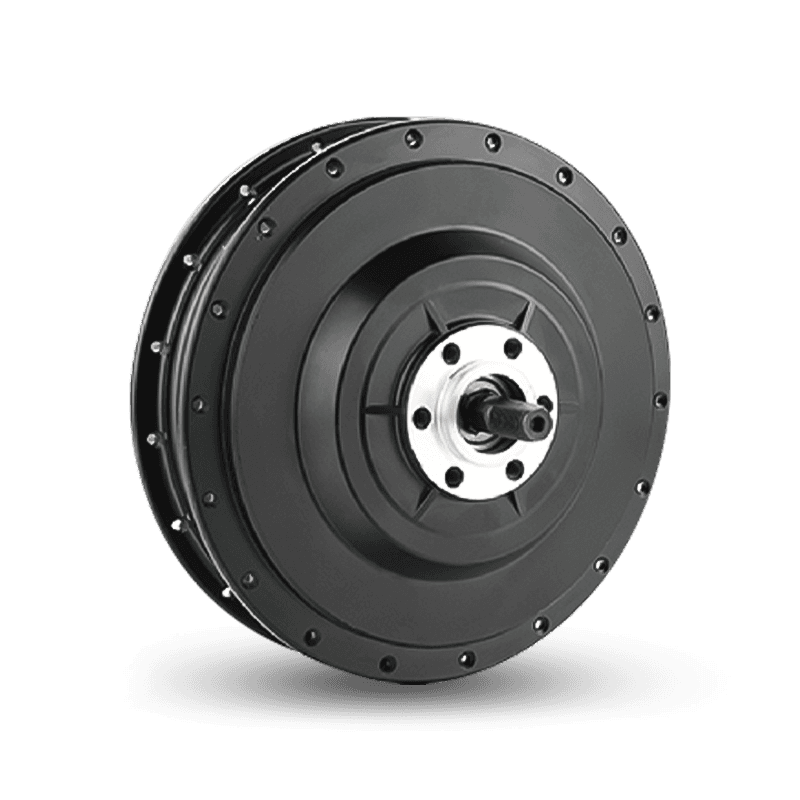 E-Type F500 Front Hub Motor
The E-Type F500 front hub motor is designed for E-Cargo and E-MTB bikes, offerin...
-
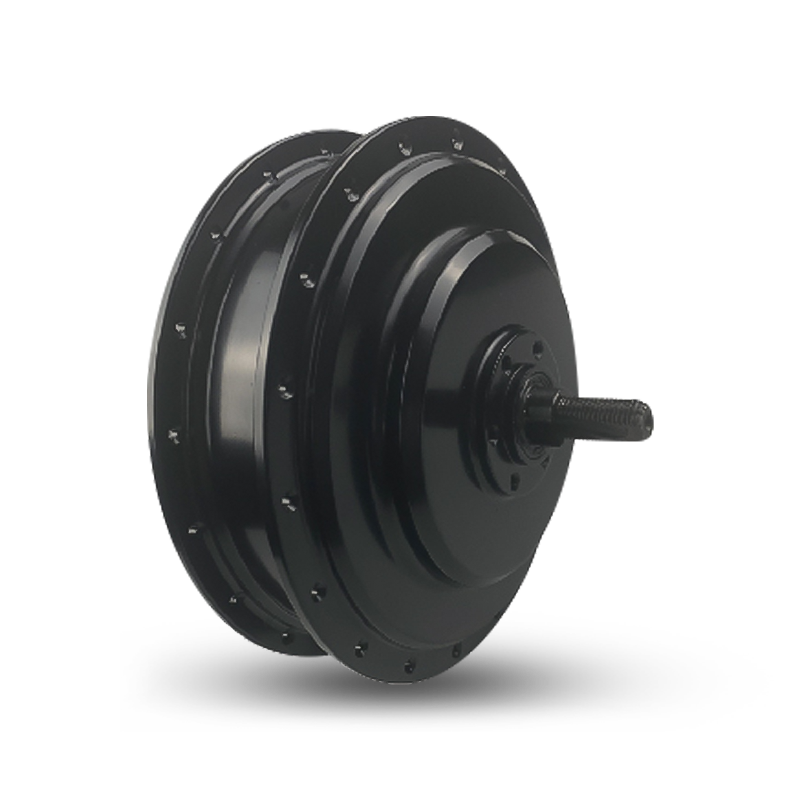 E-Type Pro RC750 Rear Hub Motor
The E-Type Pro RC750 Rear Hub Motor is designed for E-Cargo and E-MTB bikes, com...
-
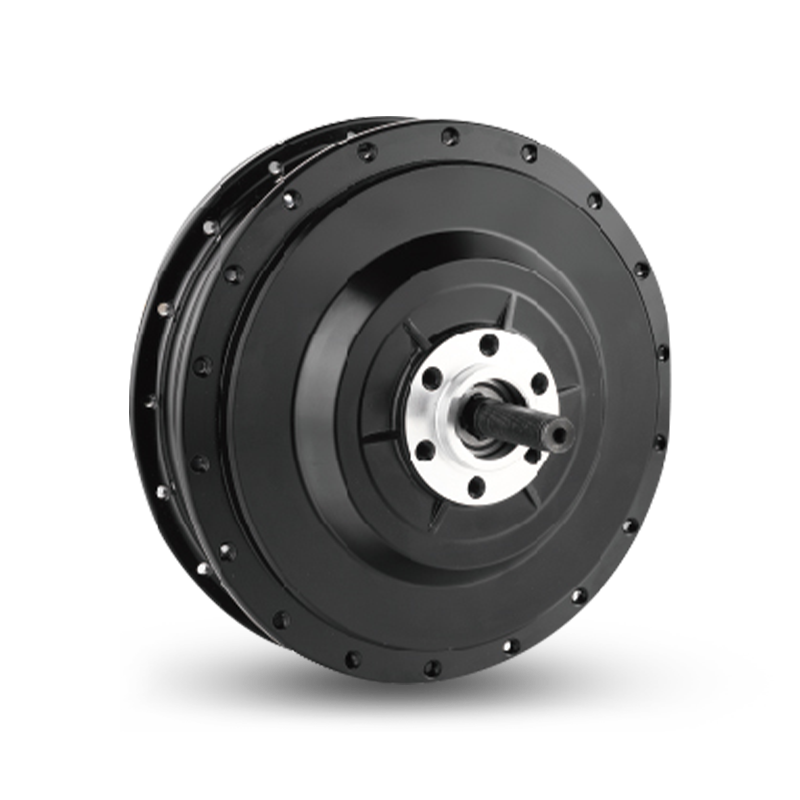 E-Type RF500 Rear Hub Motor
The E-Type RF500 Rear Hub Motor is designed for E-Cargo and E-MTB bikes, compati...
-
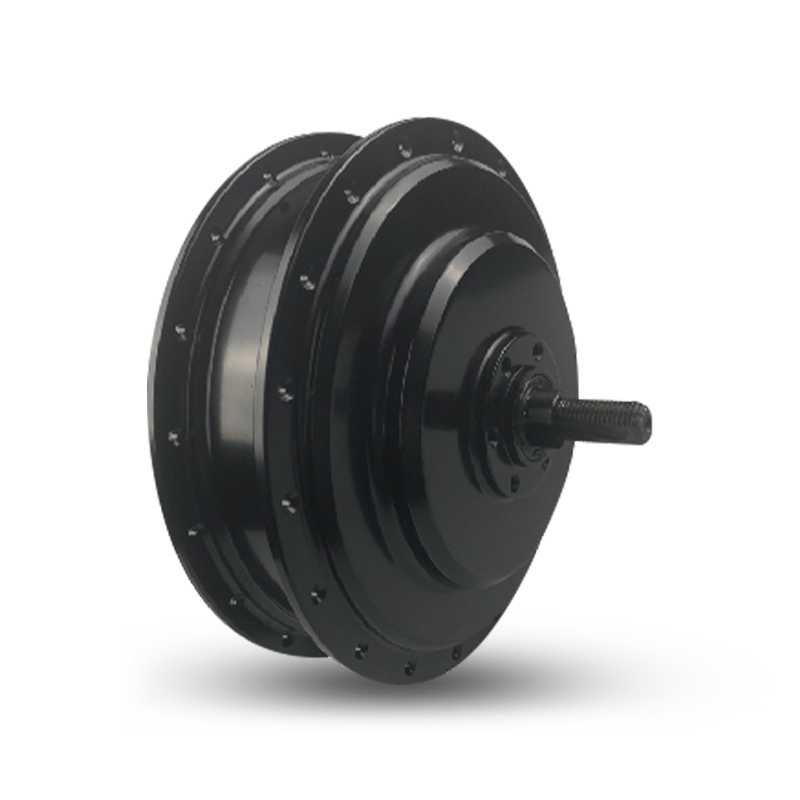 E-Type Pro RF750 Rear Hub Motor
The E-Type Pro RF750 Rear Hub Motor is designed for E-Cargo and E-MTB bikes, com...
-
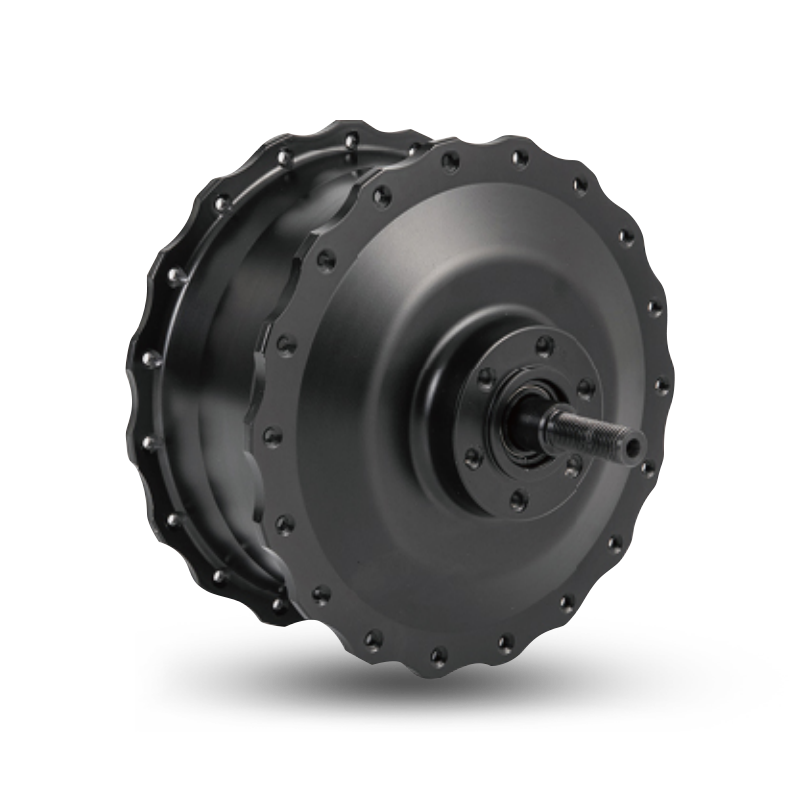 S-Type Pro F1500 Front Hub Motor
The S-Type Pro F1500 front hub motor, designed for E-Carao and E-Fat bikes, offe...
-
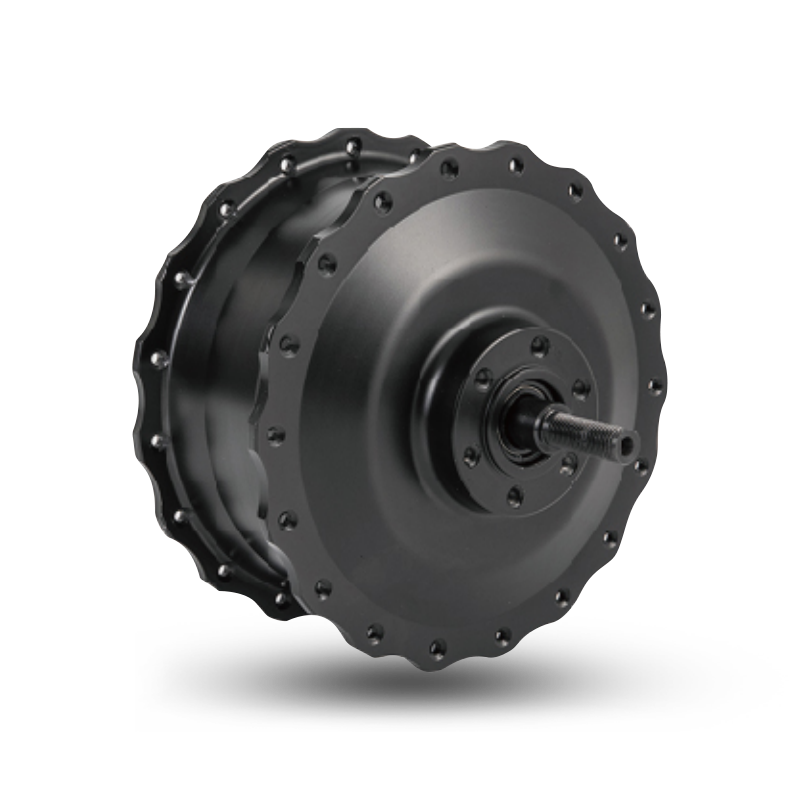 S-Type F750 Front Hub Motor
S-Type F750 is designed for E-Cargo and E-Fat. The rated power ranges from 500W ...
-
 S-TYPE Max THRU AXLE Rear Hub Motor
The S-TYPE Max thru-axle motor is designed for E-Fat, Moped, and Cargo applicati...
-
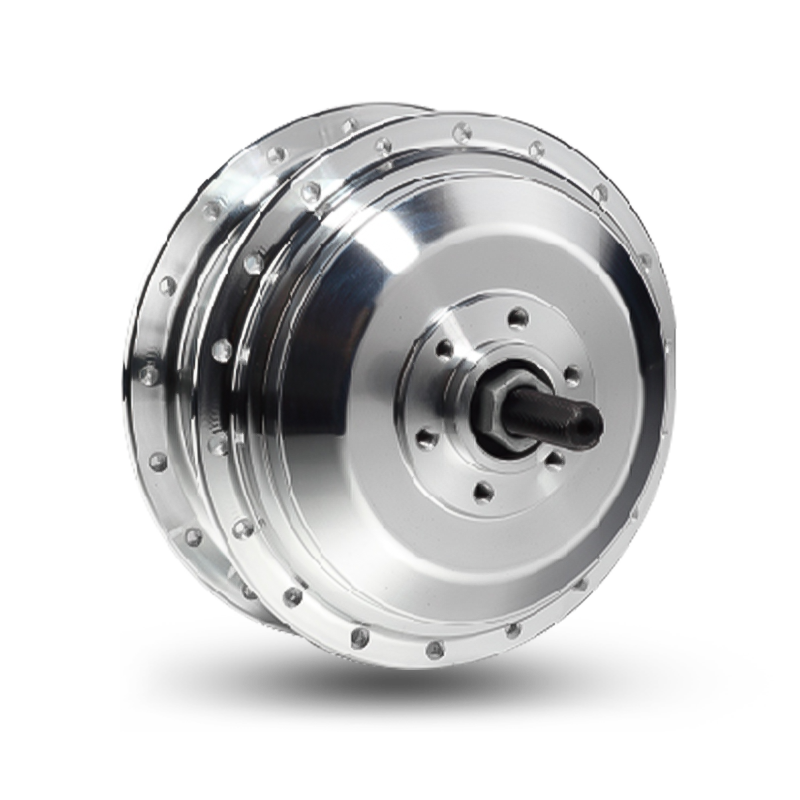 C-Type R350 Rear Hub Motor
The C-Type R350 Rear Hub Motor, designed for city e-bikes, offers a rated power ...
If you are interested in our products, please consult us
Contact Details
- Address:No. 3 Dingqiao Rd, Jiangshan Town, Yinzhou District, Ningbo, Zhejiang Province, China
- Phone: +86 13806662915
- Email: K.zhang@hengtai-cn.com
Products
Quick Link
News Center
Mobile terminal
