


 English
 中文简体
中文简体Don't hesitate to send a message
The Ultimate Guide to E-Bike Hub Motors (2026): Technology, Performance, and Buying Trends
Content
- 1 Introduction: The Hub Motor Revolution
- 2 What is an E-Bike Hub Motor? How It Works
- 3 The Great Divide: Geared vs. Direct-Drive Hub Motors
- 4 Key Performance Metrics: Moving Beyond the "Wattage Myth"
- 5 Hub Motors vs. Mid-Drives: The 2026 Comparison
- 6 Sensors: The Brain Behind the Power
- 7 Future Trends: What’s New for 2026?
- 8 Maintenance, Longevity, and Troubleshooting
- 9 Which Hub Motor Should You Choose?
Introduction: The Hub Motor Revolution
The electric bike industry has undergone a seismic shift over the last decade. While mid-drive systems often grab the headlines in the premium mountain bike segment, the E-Bike Hub Motor remains the undisputed backbone of the global micro-mobility movement. In 2026, hub motor technology is no longer just the "budget-friendly" alternative; it has evolved into a sophisticated, high-performance solution for urban commuters, cargo haulers, and long-distance tourers alike.
But with so many terms being thrown around—wattage, torque, geared, direct-drive, and sine-wave controllers—how do you separate marketing hype from mechanical reality? This guide provides an expert-level deep dive into everything you need to know about hub motors, helping you make an informed decision for your next ride.
What is an E-Bike Hub Motor? How It Works
At its core, an e-bike hub motor is an electric motor integrated directly into the hub of either the front or rear wheel. Unlike a mid-drive motor, which sits at the crank and powers the chain, a hub motor applies force directly to the wheel’s axle.
The Physics of Motion
Inside the motor casing, two primary components interact to create movement:
- The Stator: The stationary inner part, consisting of copper wire coils (windings). When electricity from the battery passes through these coils, it creates an electromagnetic field.
- The Rotor: The outer part of the motor (connected to the wheel) containing permanent magnets.
As the controller modulates the electrical pulses sent to the stator, the magnetic fields push and pull against the rotor's magnets, causing the wheel to spin. In 2026, virtually all quality e-bikes use Brushless DC (BLDC) motors, which eliminate the friction-heavy carbon brushes of the past, resulting in higher efficiency and a lifespan that often outlasts the bike frame itself.
The Great Divide: Geared vs. Direct-Drive Hub Motors
Not all hub motors are created equal. Understanding the mechanical architecture of your motor is crucial for matching it to your riding environment.
Geared Hub Motors: The Torque Specialist
Geared hub motors feature an internal planetary gear reduction system. The motor itself spins much faster than the wheel, but the gears reduce that speed into high-torque output.
- Pros: Smaller, lighter, and exceptional at climbing hills from a standstill. Because they include a "freewheel" or clutch, there is zero magnetic drag when you are pedaling without motor assistance.
- Cons: The internal gears (usually made of high-strength nylon or composite) can wear down over thousands of miles. They are also slightly noisier than their gearless counterparts.
Direct-Drive (Gearless) Hub Motors: The Silent Giant
In a direct-drive (DD) motor, the motor's outer shell is the hub itself. There are no internal moving parts other than the bearings.
- Pros: Incredibly quiet and virtually indestructible. DD motors are capable of Regenerative Braking, where the motor acts as a generator to send energy back to the battery while slowing down.
- Cons: They are heavy and bulky. When the power is off, you will feel a slight "magnetic drag" (cogging) while pedaling, making them less ideal for riders who want to pedal unassisted frequently.
Key Performance Metrics: Moving Beyond the "Wattage Myth"
One of the biggest mistakes consumers make is judging a motor solely by its wattage. In the 2026 market, "750W" can mean many things.
Nominal vs. Peak Power
- Nominal Power: The amount of power a motor can handle continuously without overheating.
- Peak Power: The short-term burst of power (often 1200W+ on a 750W motor) used for accelerating or climbing steep grades.
- Expert Tip: Always look for the Controller Amperage. A 48V battery paired with a 25A controller yields a peak power of 48V * 25A = 1200W.
Torque: The Metric That Actually Matters
Torque, measured in Newton-meters (Nm), defines how well your bike can conquer gravity.
- 40-50 Nm: Perfect for flat city commutes.
- 60-80 Nm: The sweet spot for moderate hills and heavy riders.
- 85+ Nm: High-performance territory, capable of tackling 15%+ grades.
Voltage and Efficiency
Higher voltage systems (52V or 60V) are becoming the standard for 2026. Higher voltage allows the motor to achieve higher RPMs and run more efficiently, reducing heat buildup in the copper windings—the primary killer of e-bike motors.
Hub Motors vs. Mid-Drives: The 2026 Comparison
Choosing between a hub and a mid-drive is no longer about "which is better," but "which is right for your use case."
| Feature | Hub Motor | Mid-Drive Motor |
| Drivetrain Stress | Low (Independent of chain/gears) | High (Wears out chains/cassettes) |
| Maintenance | Minimal | Requires frequent cleaning/tuning |
| Hill Climbing | Good (Excellent if Geared) | Superior (Uses bike's gears) |
| Ride Feel | "Push" sensation | Natural "superhuman" feel |
| Cost | Budget to Mid-range | Premium |
Why Hub Motors often win for commuters: If your chain snaps, a hub motor can still get you home. A mid-drive cannot. This redundancy is a massive advantage for those using their e-bike as a primary vehicle.
Sensors: The Brain Behind the Power
The "feel" of a hub motor is determined by how it knows you are pedaling.
- Cadence Sensors: These act like an on/off switch. If the pedals are turning, the motor provides power. In 2026, even basic cadence sensors have become more "intelligent," using high-resolution magnets to reduce the lag time between pedaling and power delivery.
- Torque Sensors: These measurehow hardyou are pushing. They provide a seamless, intuitive experience. When paired with a rear-hub motor, a torque sensor provides the "natural" feel of a mid-drive without the mechanical complexity.
Future Trends: What’s New for 2026?
The e-bike industry hasn't stood still. Here are three innovations currently transforming hub motors:
- Integrated Controllers: More brands are moving the motor controllerinsidethe hub. This reduces wiring clutter and protects electronics from the elements.
- AI-Optimized Power Delivery: Modern firmware now uses machine learning to predict when you need a power boost based on your pedaling rhythm and road vibration.
- Lightweight Materials: The use of magnesium alloys and carbon-reinforced housings has dropped the weight of high-torque geared hubs by nearly 20% compared to 2022 models.
Maintenance, Longevity, and Troubleshooting
A well-maintained hub motor can easily last 15,000 to 20,000 miles.
- Waterproof Your Connections: Most "motor failures" are actually just corroded cable connectors. Use dielectric grease to keep moisture out.
- Spoke Tension: Because the motor is the hub, it experiences significant torque. Check your spoke tension every 500 miles to prevent wheel truing issues.
- Heat Management: Avoid "lugging" the motor (full throttle at very low speeds on a steep hill) for extended periods. This is how windings melt.
Which Hub Motor Should You Choose?
The "best" hub motor is the one that matches your terrain and lifestyle:
- The Urban Commuter: A 500W Geared Rear Hub with a torque sensor. It’s light, zippy, and feels natural.
- The Weekend Cruiser: A 750W Geared Hub. Plenty of power for any hill you might encounter.
- The Heavy Hauler/Delivery Rider: A Direct-Drive Motor with regenerative braking. The durability and brake-saving technology will pay for itself in six months.
OUR PRODUCTS
Recommended Products
-
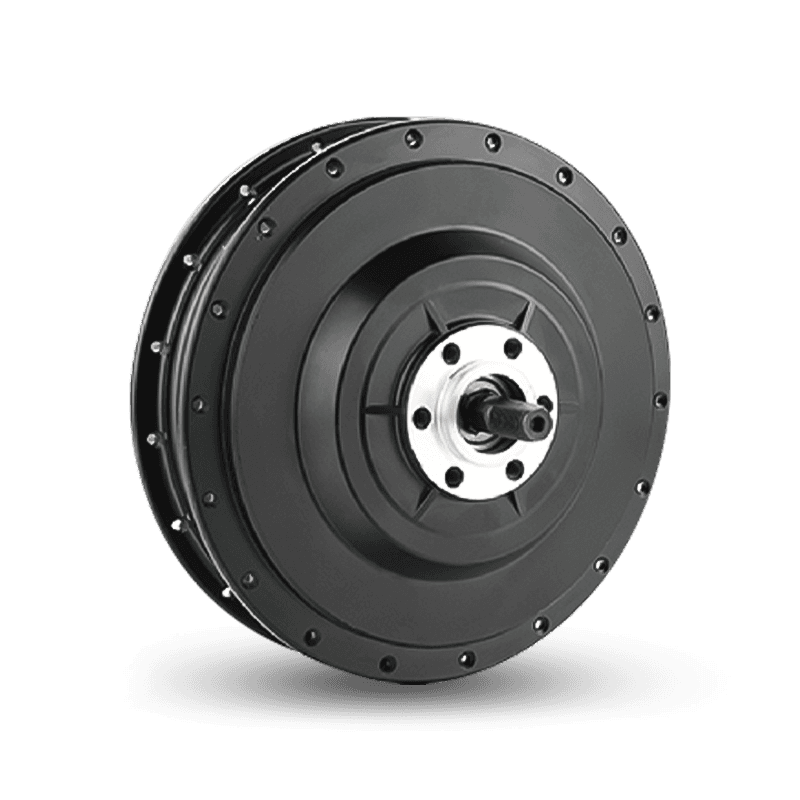 E-Type F500 Front Hub Motor
The E-Type F500 front hub motor is designed for E-Cargo and E-MTB bikes, offerin...
-
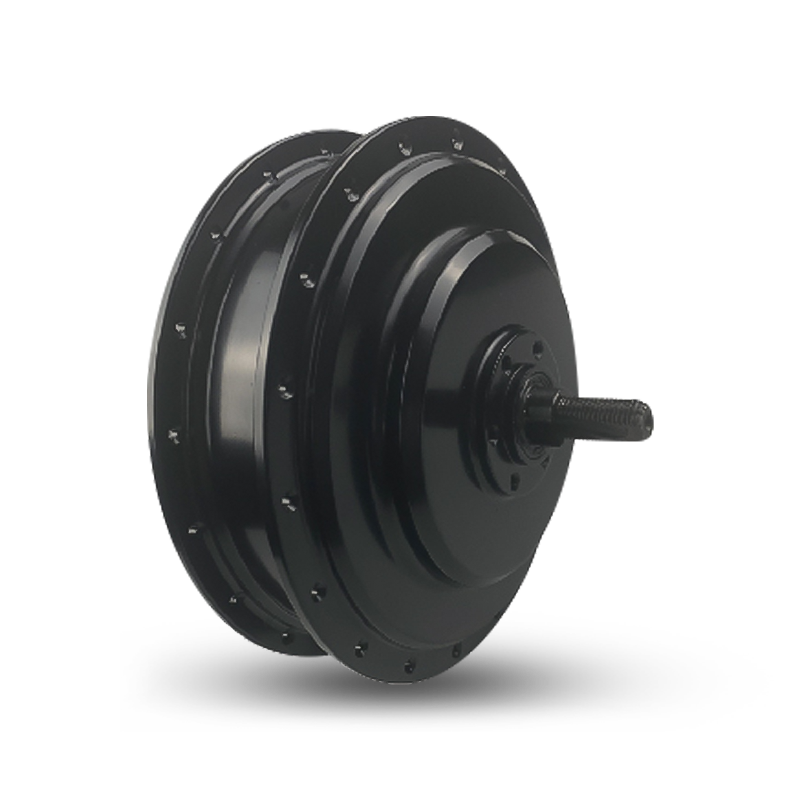 E-Type Pro RC750 Rear Hub Motor
The E-Type Pro RC750 Rear Hub Motor is designed for E-Cargo and E-MTB bikes, com...
-
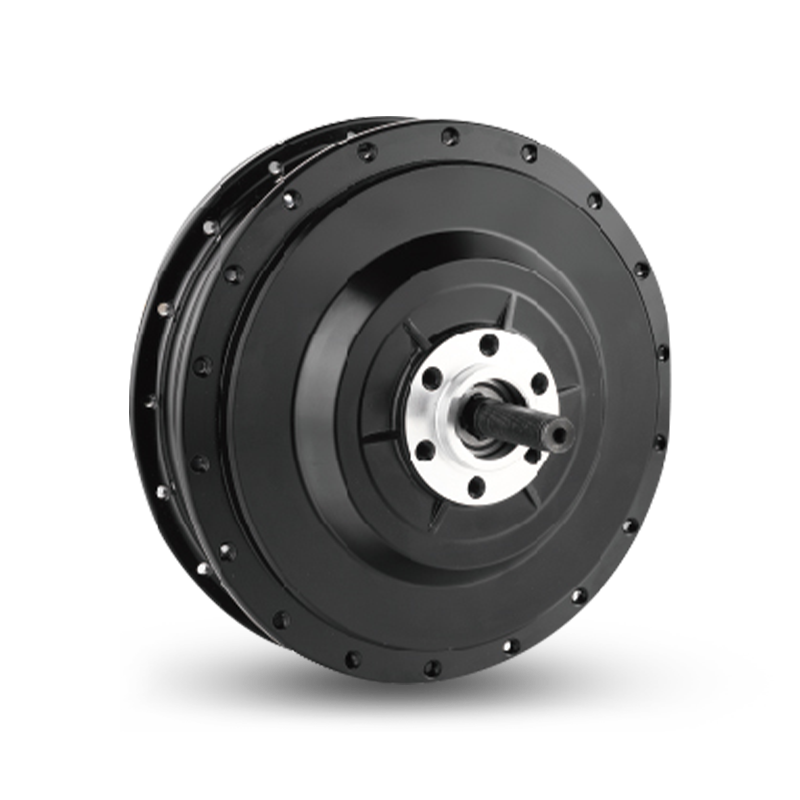 E-Type RF500 Rear Hub Motor
The E-Type RF500 Rear Hub Motor is designed for E-Cargo and E-MTB bikes, compati...
-
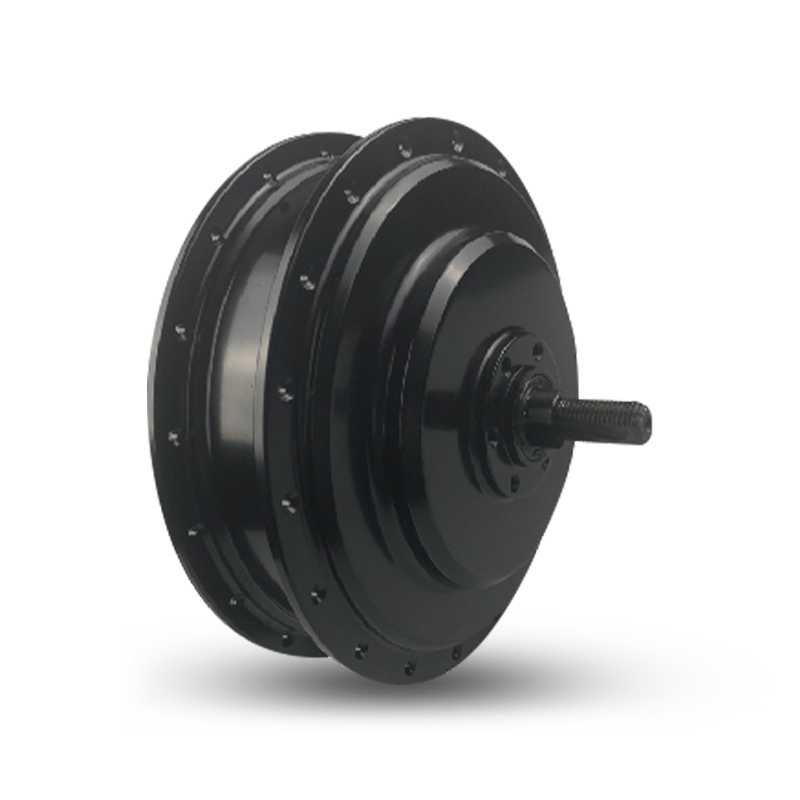 E-Type Pro RF750 Rear Hub Motor
The E-Type Pro RF750 Rear Hub Motor is designed for E-Cargo and E-MTB bikes, com...
-
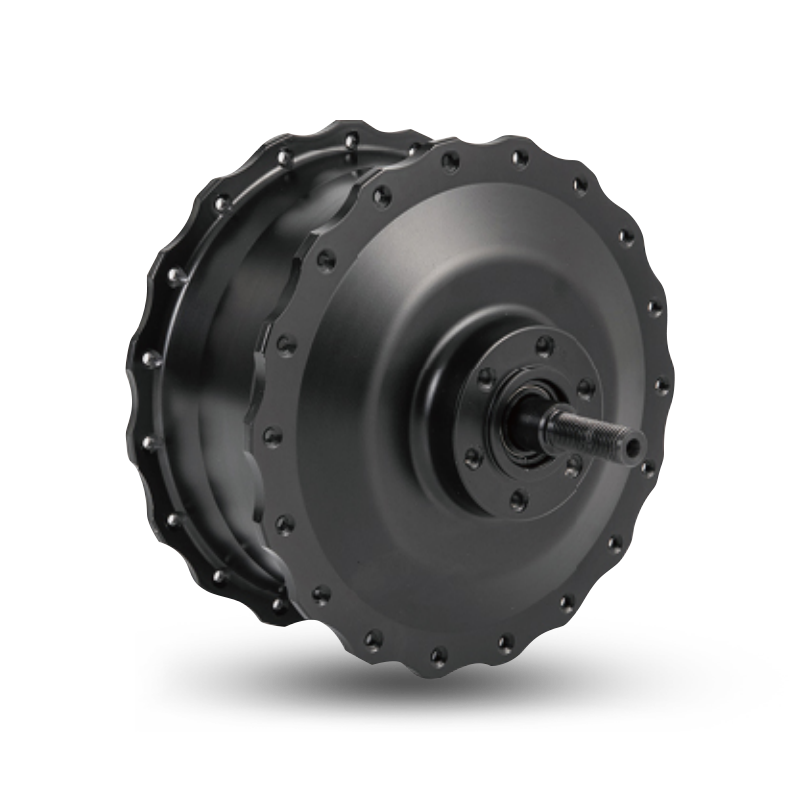 S-Type Pro F1500 Front Hub Motor
The S-Type Pro F1500 front hub motor, designed for E-Carao and E-Fat bikes, offe...
-
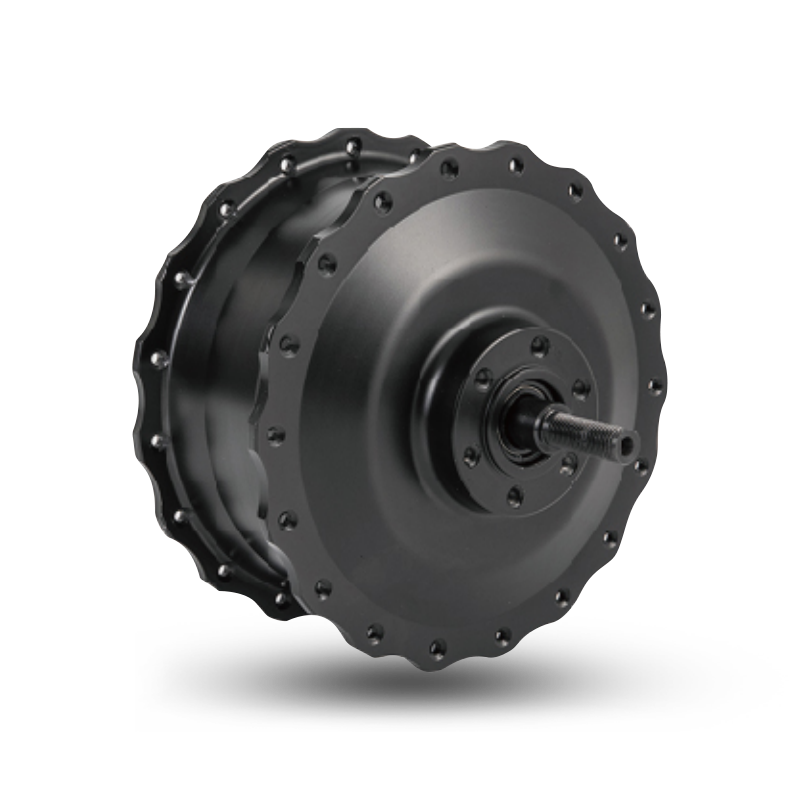 S-Type F750 Front Hub Motor
S-Type F750 is designed for E-Cargo and E-Fat. The rated power ranges from 500W ...
-
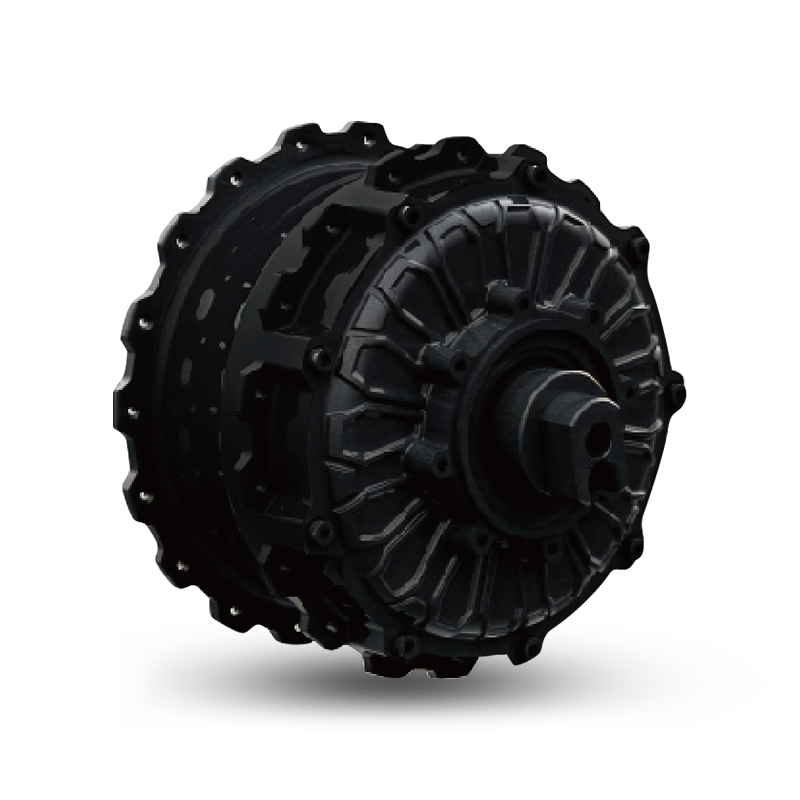 S-TYPE Max THRU AXLE Rear Hub Motor
The S-TYPE Max thru-axle motor is designed for E-Fat, Moped, and Cargo applicati...
-
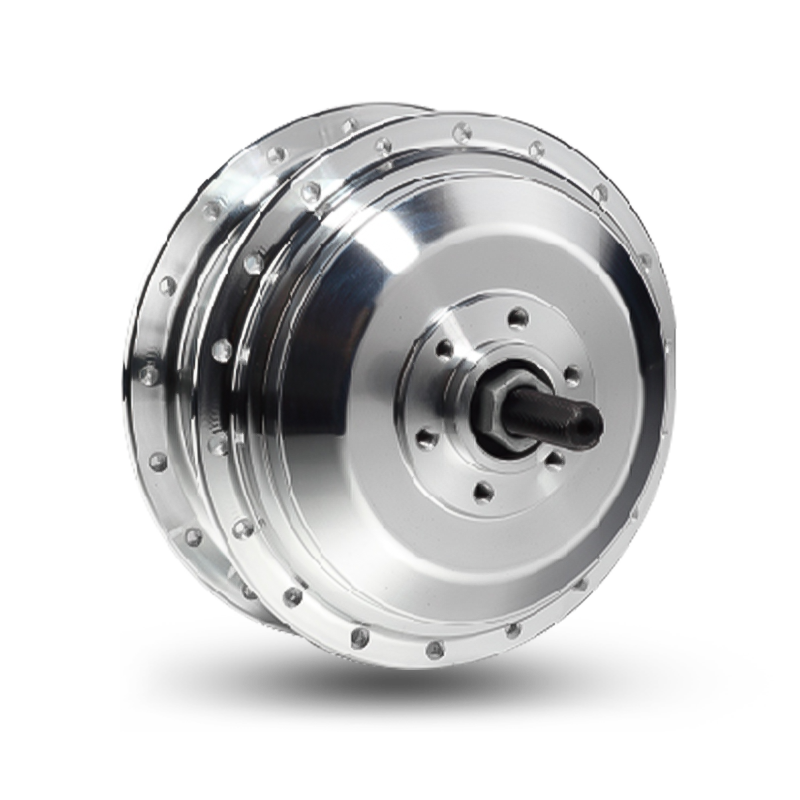 C-Type R350 Rear Hub Motor
The C-Type R350 Rear Hub Motor, designed for city e-bikes, offers a rated power ...
If you are interested in our products, please consult us
Contact Details
- Address:No. 3 Dingqiao Rd, Jiangshan Town, Yinzhou District, Ningbo, Zhejiang Province, China
- Phone: +86 13806662915
- Email: K.zhang@hengtai-cn.com
Products
Quick Link
News Center
Mobile terminal
