


 English
 中文简体
Don't hesitate to send a message
How Are Electric Bikes Different? A Manufacturer's Guide to E-Bike Motor Systems
Content
Since 1995, our engineers in Ningbo have been designing and manufacturing hub motors for electric bikes that travel on every kind of road. When people ask us “how are electric bikes different,” they often expect a short answer. But the real answer lies in a combination of components, placement, and application — and those differences decide how the bike performs, how it feels, and what it costs to build and maintain.
How E-Bikes Differ from Regular Bicycles
Fundamentally, an e-bike keeps the frame, wheels, saddle, and handlebars of a conventional bicycle. What changes is the addition of an electric drive system, which has three core elements:
- The motor converts electrical energy into mechanical torque. In most commuter and cargo designs, this motor sits directly in the wheel hub.
- The battery supplies power and defines the range. Modern lithium batteries are compact enough to fit inside frames or on racks.
- The controller decides how much assistance the motor gives based on pedal input, speed, or throttle position.
That extra system changes more than the top speed. An e-bike can flatten hills, carry heavier loads, and shorten commute times. It also adds weight, so brakes, tires, and frame geometry must be designed around the higher forces.
Not All Electric Bikes Are the Same
Once you move past the basic comparison with a regular bike, the next question is how electric bikes differ from each other. These variations matter because they affect the riding experience and the vehicle's intended use:
- Assist type: Pedal-assist e-bikes support the rider while pedaling, while throttle-enabled e-bikes can move without pedaling.
- Motor placement: Front hub, rear hub, and mid-drive motors each have distinct handling characteristics.
- Drive mechanism: Geared hub motors deliver more torque at lower speed; direct-drive motors are simpler and quieter.
- Battery integration: Some batteries are removable, others are hidden in the downtube, affecting weight distribution and security.
These choices are not better or worse in isolation — they are matched to specific use cases and rider expectations.
Motor Placement: Front Hub, Rear Hub, and Mid-Drive
Motor placement is one of the most visible differences among e-bikes. Front hub motors, for example, are common in conversion kits and lightweight city bikes. They pull the bike from ahead, which naturally balances weight if the battery is at the rear, but they can feel less stable on loose surfaces. For flat commutes and gentle urban streets, however, a front hub motor offers a simple, cost-effective solution.
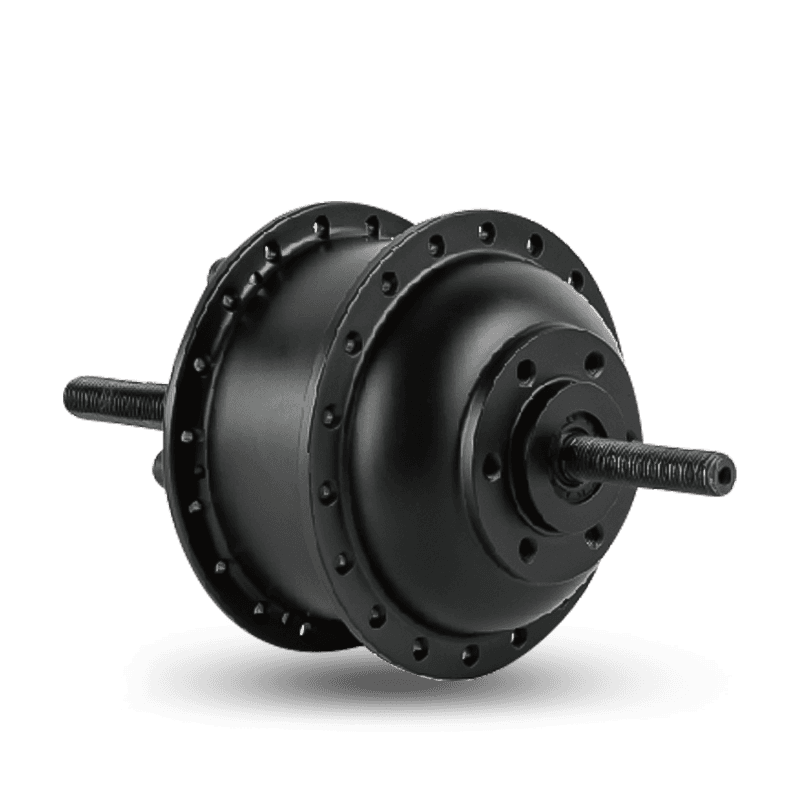 Compact HT MINI Front Hub Motor for Urban E-BikesThis lightweight front motor suits city commutes and conversion kits. Its patented gear delivers reliable torque for flat streets while keeping the front end stable and simple.View Product →
Rear hub motors are the most popular choice for factory-built e-bikes because they place the drive force at the same wheel that carries most of the rider's weight. This delivers excellent traction on hills and a more natural pedaling feel. Rear motors also leave the front wheel lightweight and responsive, which is why they dominate cargo, mountain, and high-torque applications.
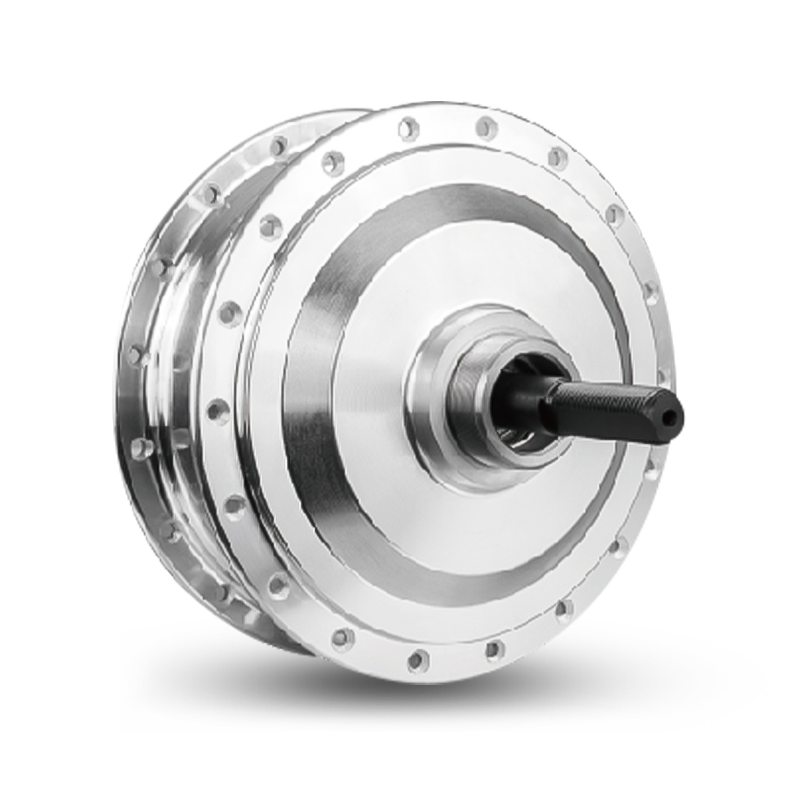 High-Torque P-Type R500 Rear Hub Motor for Cargo BikesDesigned for heavy loads and slopes, this rear hub motor offers strong traction and durability. Ideal for cargo e-bikes that demand dependable power and long-lasting gear performance.View Product →
Mid-drive motors mount at the bottom bracket and drive the cranks. Because they work through the bicycle's gearing, they can provide strong climbing torque while letting the motor operate in an efficient cadence range. The trade-off is more stress on the chain and drivetrain, and a higher purchase price. Mid-drives are often found on performance mountain bikes and road-style e-bikes, while hub motors remain the workhorses of urban and utility e-bikes.
Geared Hub Motors vs. Direct-Drive Motors
Electric hub motors themselves are not all the same. Geared hub motors use internal planetary gears to multiply torque, allowing a lighter, smaller motor to climb hills effectively. Direct-drive motors have no gears; they spin at the same speed as the wheel and rely on electric force to produce torque. They tend to be heavier but quieter and more efficient at high, sustained speeds.
Geared motors are a natural fit for city commuting, cargo bikes, and trailer towing, where stop-and-go riding and steep ramps need high torque. Direct-drive is popular in speed-focused e-bikes and shared mobility fleets that spend most of their time at a steady cruise. Our own manufacturing experience, including our patented nylon-steel gear used in geared hub motors, has shown that gear material and precision are decisive for long-term durability. For a deeper look, see our guide to geared hub motor technology.
Matching the Motor to the Application
From a manufacturer's perspective, the most meaningful way e-bikes differ is in their intended application. A delivery e-bike climbing curbs with 50 kg of cargo needs a completely different motor specification than a commuter folding bike. Here is a quick comparison of the common e-bike categories we supply:
| Application | Motor Position | Typical Power | Key Need |
|---|---|---|---|
| City commuter | Front or rear hub | 250 – 500 W | Reliability, low noise |
| Cargo e-bike | Rear hub or mid-drive | 500 – 1000 W | High torque, durability |
| Fat tire / snow | Front or rear hub | 750 – 1000 W | Rolling resistance, traction |
| Mountain e-bike | Mid-drive or rear hub | 500 – 750 W | Climbing torque |
| E-scooter / light EV | Integrated wheel motor | 200 – 500 W | Compact size |
For OEM programs that want to reduce assembly steps, an integrated motor wheel is also an option. The motor, rim, spokes, and tire are all delivered as one unit. This approach is common in e-scooter and compact e-bike factories because it shortens production time.
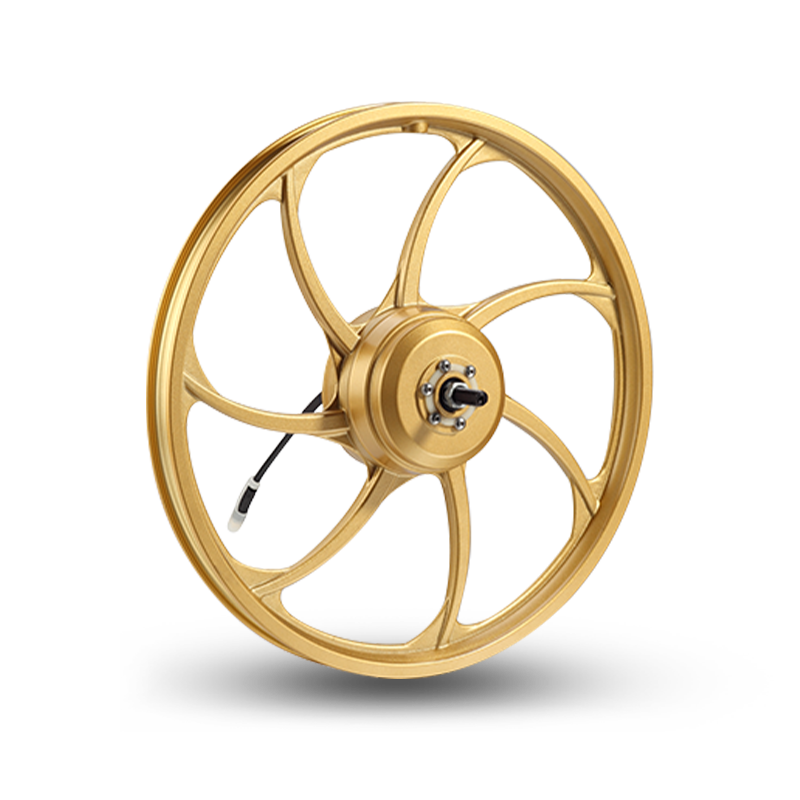 20 Inch Integrated Motor Wheel for OEM E-Bike BuildsThis all-in-one motor wheel simplifies assembly for compact e-bikes. It pairs a 350W motor with a 20-inch rim, offering solid torque and weather resistance for urban production.View Product →
What OEMs and Product Teams Should Consider
If you are planning a new e-bike model, the differences we have discussed translate directly into product specifications. Start by defining the maximum rider weight, cargo load, top speed, and hill grade. These numbers determine the required torque and motor power. Then choose the motor mounting location based on handling priorities and frame design. Finally, specify the electrical interface, brake sensor, cadence sensor, and display compatibility.
At HENTACH, our engineers work closely with customers to adapt hub motors to their unique frame and performance targets. With our own die-casting, CNC machining, and motor testing facilities, we can control every stage from aluminum housing to final end-of-line validation. Whether you need a compact front hub motor for a city bike or a high-torque rear motor for a cargo line, the right e-bike motor starts with understanding how these different systems behave in the field.
OUR PRODUCTS
Recommended Products
-
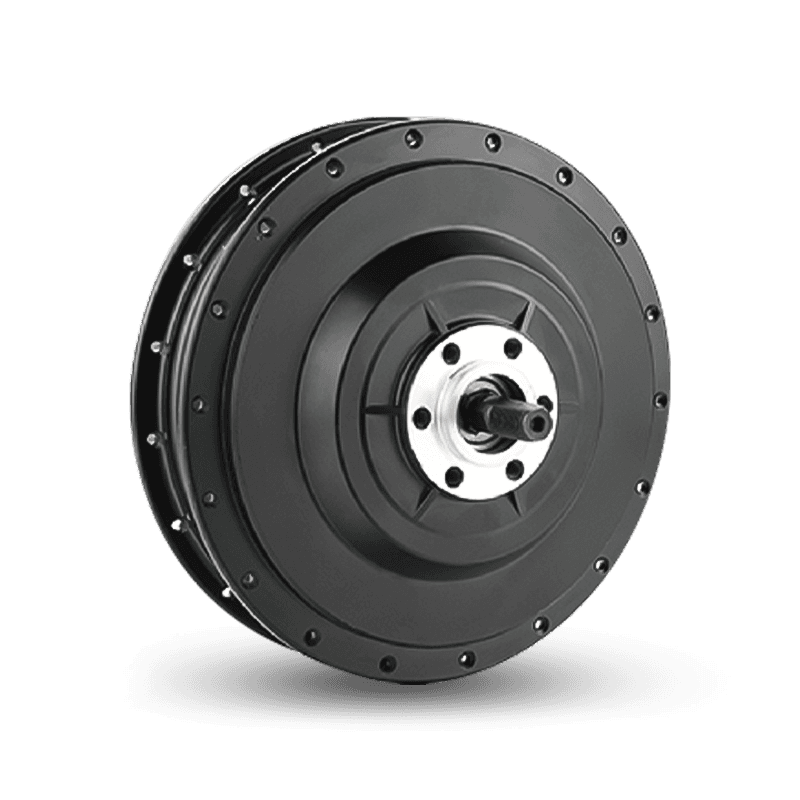 E-Type F500 Front Hub Motor
The E-Type F500 front hub motor is designed for E-Cargo and E-MTB bikes, offerin...
-
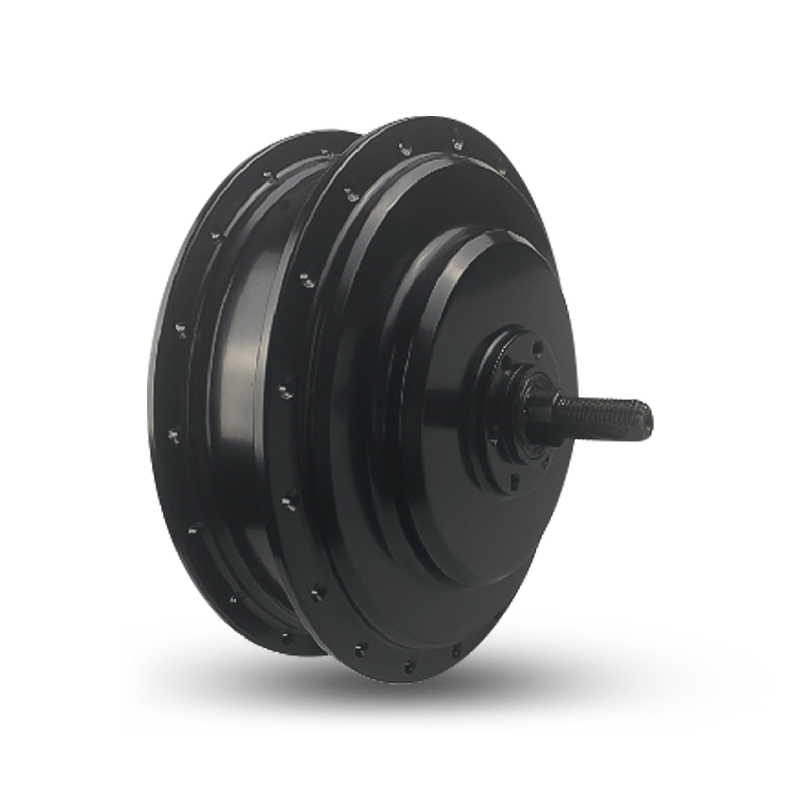 E-Type Pro RC750 Rear Hub Motor
The E-Type Pro RC750 Rear Hub Motor is designed for E-Cargo and E-MTB bikes, com...
-
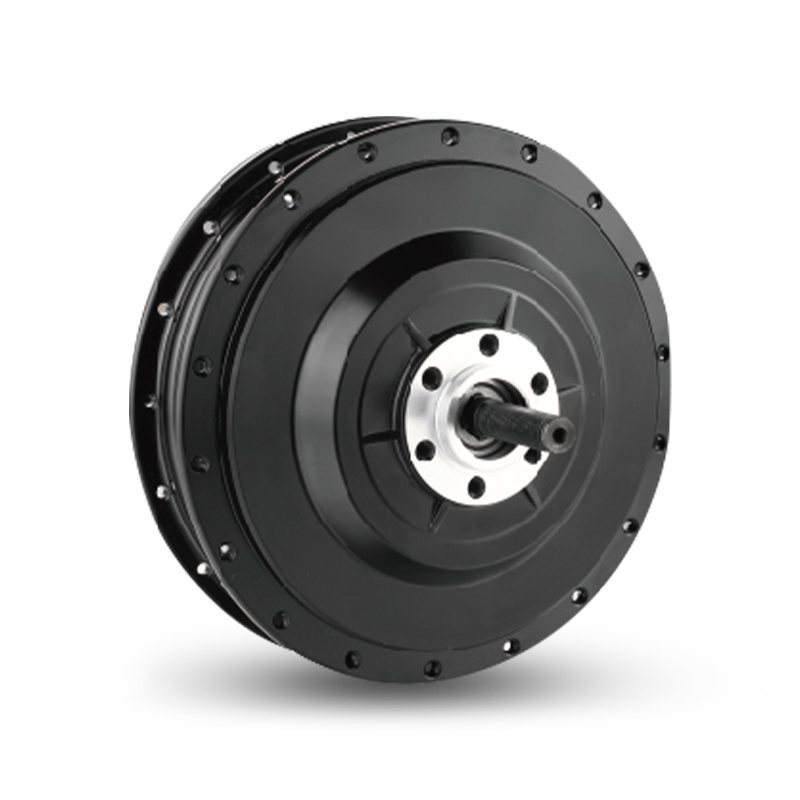 E-Type RF500 Rear Hub Motor
The E-Type RF500 Rear Hub Motor is designed for E-Cargo and E-MTB bikes, compati...
-
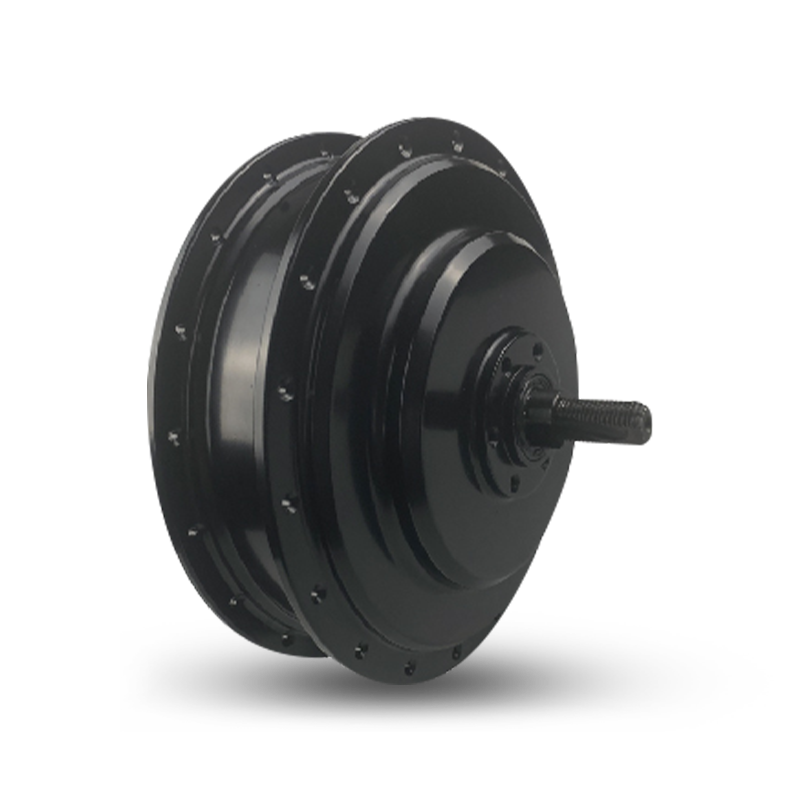 E-Type Pro RF750 Rear Hub Motor
The E-Type Pro RF750 Rear Hub Motor is designed for E-Cargo and E-MTB bikes, com...
-
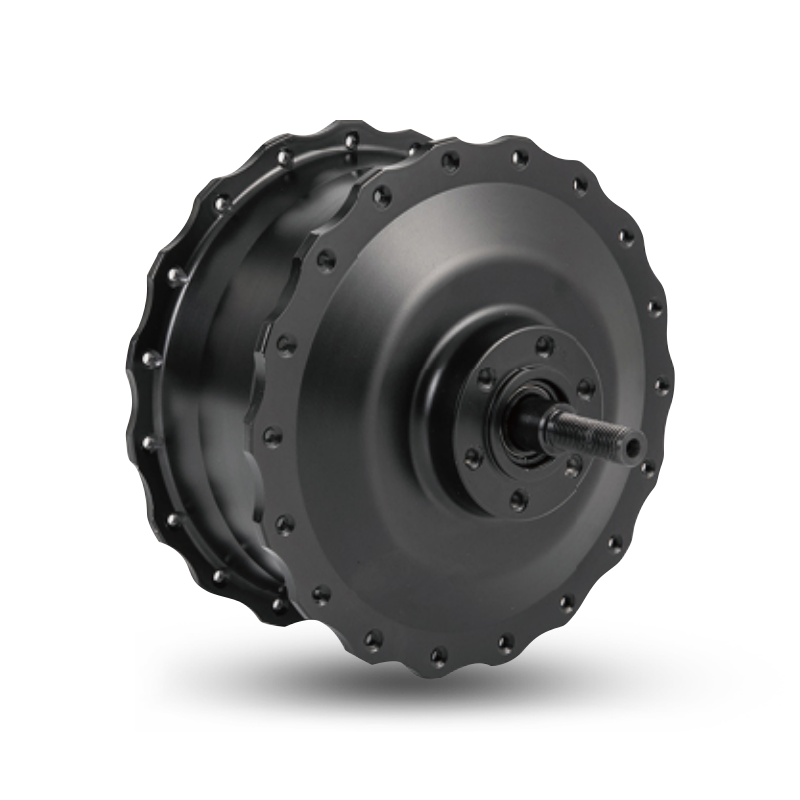 S-Type Pro F1500 Front Hub Motor
The S-Type Pro F1500 front hub motor, designed for E-Carao and E-Fat bikes, offe...
-
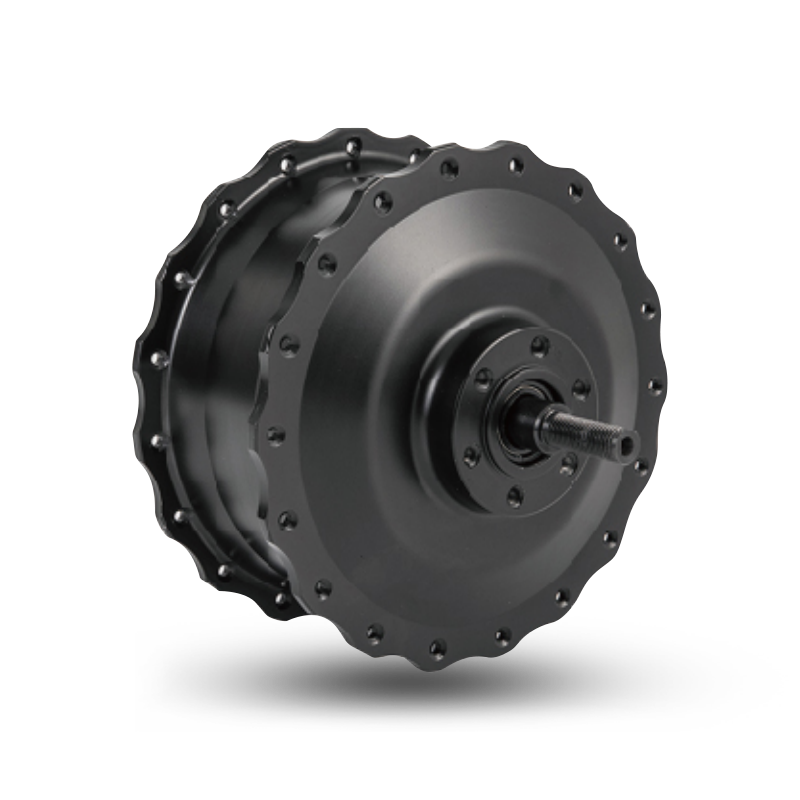 S-Type F750 Front Hub Motor
S-Type F750 is designed for E-Cargo and E-Fat. The rated power ranges from 500W ...
-
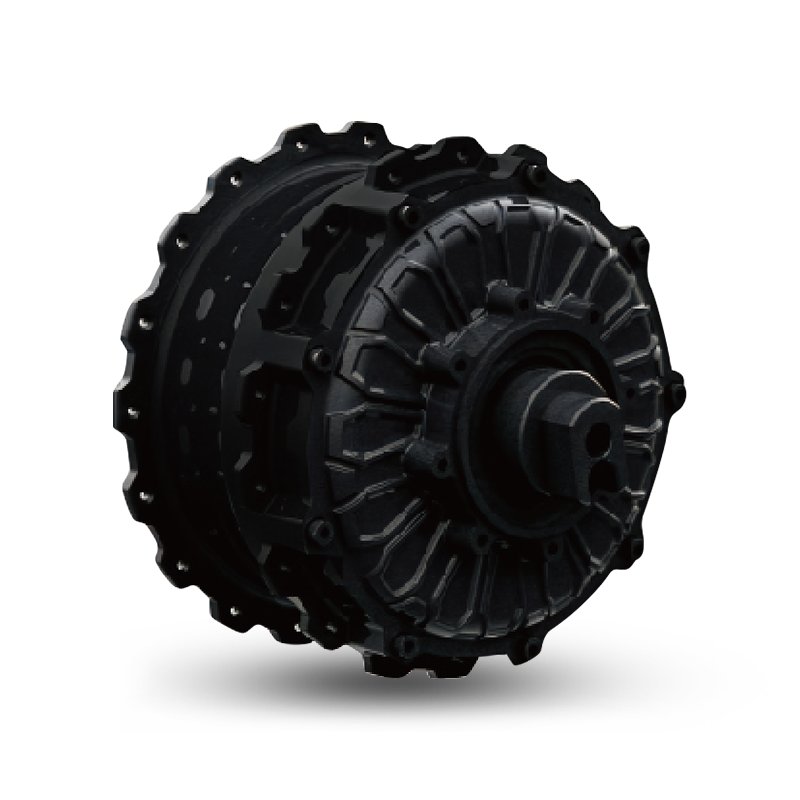 S-TYPE Max THRU AXLE Rear Hub Motor
The S-TYPE Max thru-axle motor is designed for E-Fat, Moped, and Cargo applicati...
-
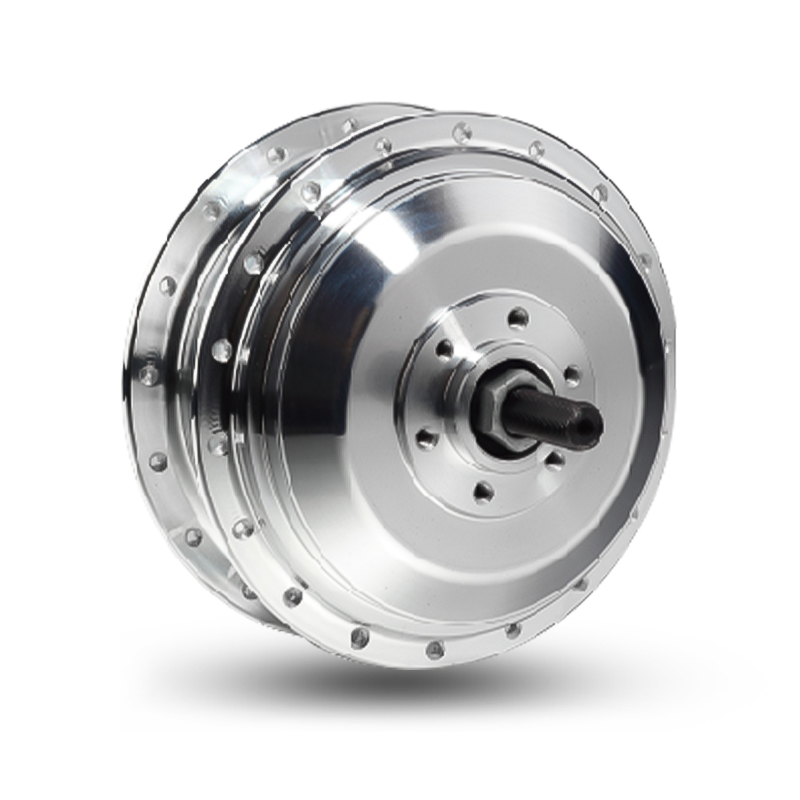 C-Type R350 Rear Hub Motor
The C-Type R350 Rear Hub Motor, designed for city e-bikes, offers a rated power ...
If you are interested in our products, please consult us
Contact Details
- Address:No. 3 Dingqiao Rd, Jiangshan Town, Yinzhou District, Ningbo, Zhejiang Province, China
- Phone: +86 13806662915
- Email: K.zhang@hengtai-cn.com
Products
Quick Link
News Center
Mobile terminal
