


 English
 中文简体
中文简体Don't hesitate to send a message
How High Torque E-Bike Hub Motors Are Enhancing Cycling Experience on Steep Hills
Content
As electric bicycles (e-bikes) continue to gain popularity around the world, one of the key selling points of these bikes is their ability to tackle various terrains with ease. Among the many features that have enhanced e-bike performance, high torque hub motors are particularly notable for their impact on riding experience, especially when it comes to conquering steep hills.
In traditional cycling, steep inclines are often seen as a challenge that requires significant physical effort. For e-bike riders, however, the introduction of high torque hub motors has revolutionized the experience, making it easier, more efficient, and more enjoyable to cycle up even the steepest hills. But how exactly do these motors work, and why are they essential for riders looking to conquer challenging terrains?
What Are High Torque E-Bike Hub Motors?
Before delving into their impact on hill-climbing, it’s important to understand what high torque hub motors are and how they function.
A hub motor is an electric motor integrated directly into one of the wheels of an e-bike, typically the rear wheel, although some e-bikes use front-wheel hub motors. The motor provides assistance to the rider, making pedaling easier, and in some cases, can even propel the bike forward without pedaling at all, depending on the motor's power and the rider's preference.
High torque hub motors are designed to deliver more rotational force, or torque, to the wheel compared to regular motors. Torque is essentially the twisting force that allows the motor to rotate the wheels with power. For cyclists, this means the motor can provide stronger acceleration and is better suited to handle difficult conditions, such as steep inclines or rough terrain.
High torque hub motors are ideal for e-bikes used in urban commuting, off-road riding, and recreational cycling, where overcoming hills and challenging gradients is often required.
How High Torque E-Bike Hub Motors Improve Hill Climbing
Here’s a breakdown of how high torque e-bike hub motors perform on steep hills, highlighting the advantages they offer in various scenarios:
|
Climbing Feature |
Standard Hub Motor |
High Torque Hub Motor |
Impact on Hill Climbing |
|
Power Output (Torque) |
Moderate torque for basic climbs |
High torque for strong acceleration |
Higher torque allows better performance on steep inclines |
|
Energy Efficiency |
Moderate battery consumption |
Optimized for minimal battery drain |
Conserves battery power on long, uphill rides |
|
Acceleration on Steep Hills |
Slower, requiring more effort |
Faster acceleration with less effort |
Provides immediate power, helping cyclists to climb quicker |
|
Smooth Ride |
Less consistent power on steep hills |
Smooth, continuous power output |
Results in smoother, more controlled climbs |
|
Climbing Ability on Extreme Grades |
Struggles on steep hills (e.g., >15%) |
Effortlessly tackles hills over 20% incline |
Easier to climb long, steep gradients without exhaustion |
|
Rider Effort |
Higher rider effort required |
Low rider effort with consistent motor assistance |
Reduces physical strain, especially on extended climbs |
How High Torque E-Bike Hub Motors Improve Your Ride on Inclines
Increased Torque for Better Hill Climbing
One of the primary benefits of high torque hub motors is their ability to produce more torque (rotational force), which is essential for overcoming the resistance encountered on steep inclines. Unlike regular hub motors that may struggle with steep hills, high torque motors offer increased power, making it easier for riders to accelerate up hills without excessive pedaling effort.
When a rider begins to climb a hill, the motor needs to work harder to overcome the gravitational force pulling the bike downwards. With a high torque motor, the motor provides a greater amount of assistance, allowing the rider to maintain speed without needing to exert too much physical effort. The ability to deliver higher torque directly translates into better hill-climbing ability, which is a crucial feature for riders who frequently tackle steep terrain.
Smoother Ride on Inclines
For riders, the experience of cycling up a steep hill can often be accompanied by jerky movements or an inconsistent flow of power from the motor. This can create a bumpy, uncomfortable ride, especially for those who are not used to riding uphill or have limited strength.
High torque hub motors help create a smoother and more consistent riding experience on inclines. Thanks to the motor's ability to deliver power steadily, riders can enjoy a continuous flow of assistance, making the climb feel less abrupt and more natural. The motor adjusts its power output to match the rider’s pedaling efforts, allowing for a more comfortable and controlled ride when climbing hills.
Efficient Energy Use for Longer Rides
Climbing steep hills can quickly drain the battery on an e-bike, reducing the range and overall performance of the bike. However, high torque motors are often designed to maximize energy efficiency, meaning they use less battery power while delivering more power to the wheels.
Some high torque hub motors are paired with smart controllers that adjust power levels depending on the terrain. When a rider is on a flat or slightly inclined surface, the motor may use less energy, helping to preserve battery life. As the bike encounters steeper inclines, the controller automatically increases the torque output to provide extra assistance without draining the battery excessively. This makes high torque hub motors a more energy-efficient choice for riders who need to navigate long or hilly routes.
Reduced Physical Effort for Riders
One of the most attractive features of high torque e-bike hub motors is how they reduce the physical effort required to climb hills. For many riders, tackling steep inclines on a traditional bicycle can be physically demanding and may even deter some from cycling altogether.
With high torque motors, riders don’t need to exert themselves as much. The motor does much of the work, helping riders conserve energy for other parts of the ride, such as accelerating on flat roads or navigating through traffic. This is especially beneficial for older riders, those with physical limitations, or commuters who need to reach their destinations without getting overly tired.
OUR PRODUCTS
Recommended Products
-
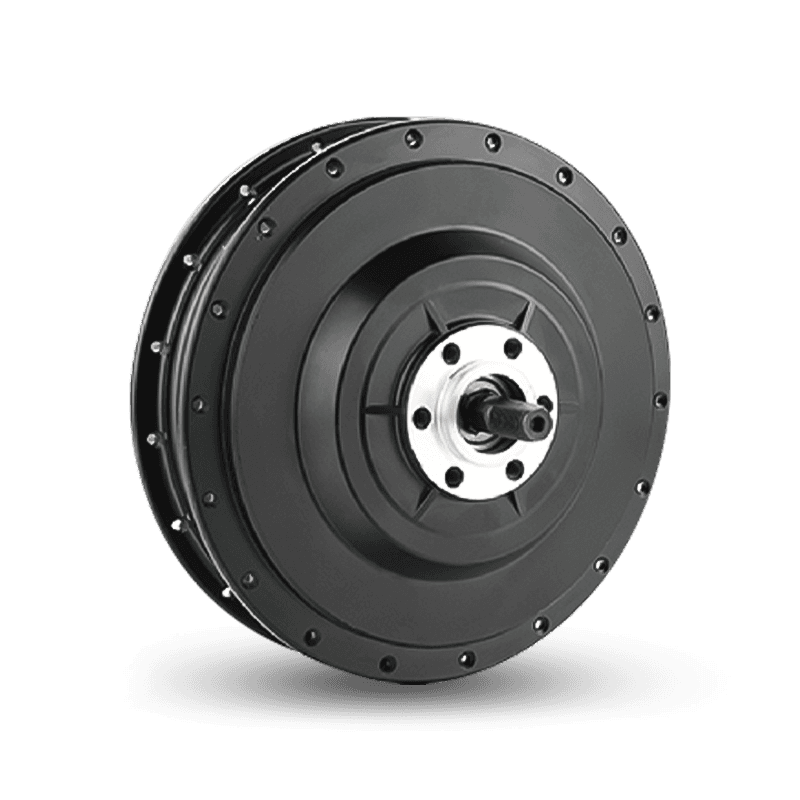 E-Type F500 Front Hub Motor
The E-Type F500 front hub motor is designed for E-Cargo and E-MTB bikes, offerin...
-
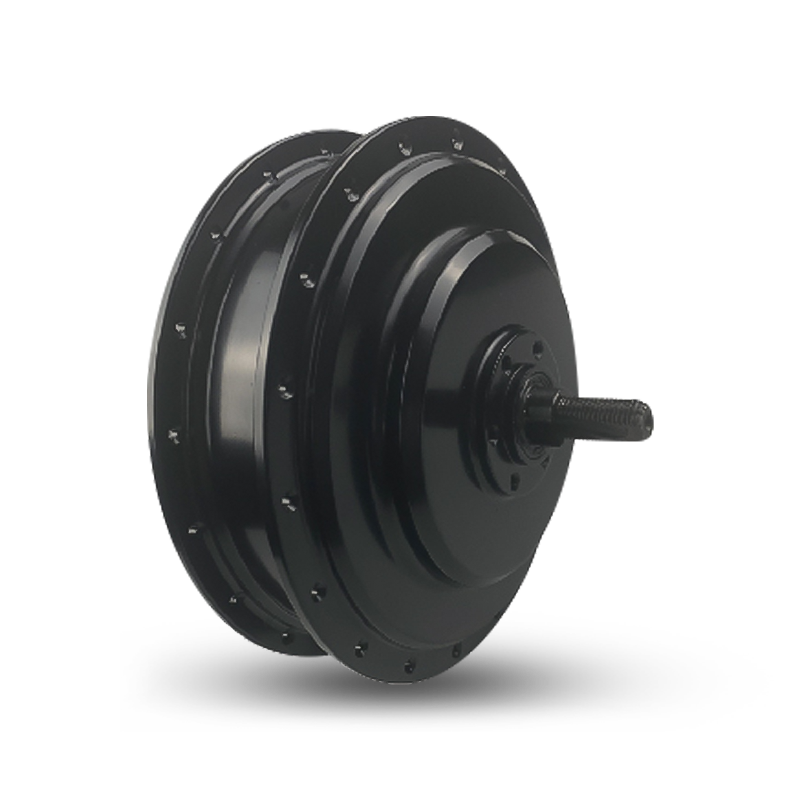 E-Type Pro RC750 Rear Hub Motor
The E-Type Pro RC750 Rear Hub Motor is designed for E-Cargo and E-MTB bikes, com...
-
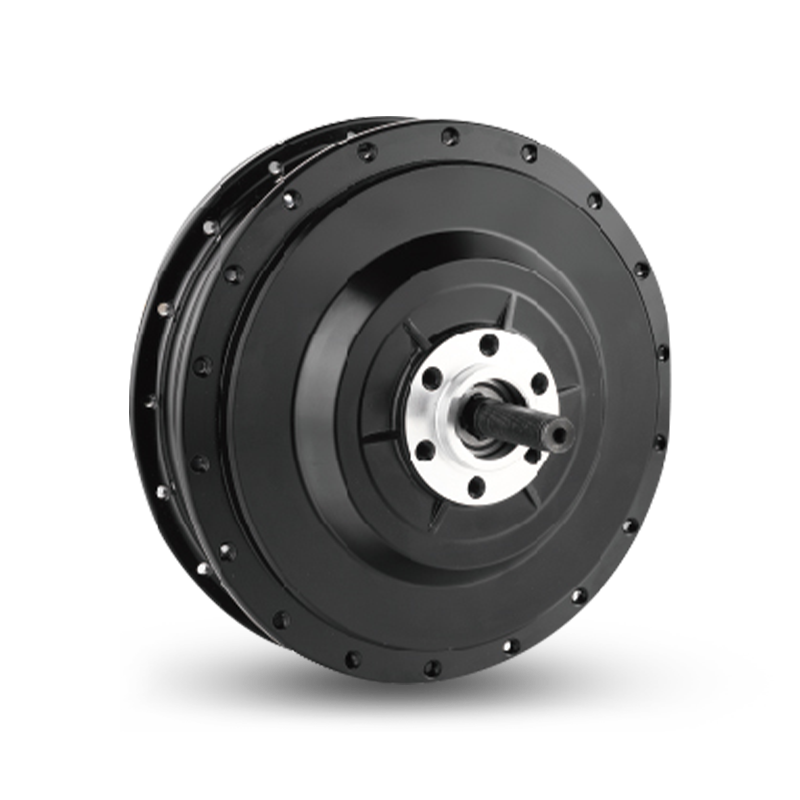 E-Type RF500 Rear Hub Motor
The E-Type RF500 Rear Hub Motor is designed for E-Cargo and E-MTB bikes, compati...
-
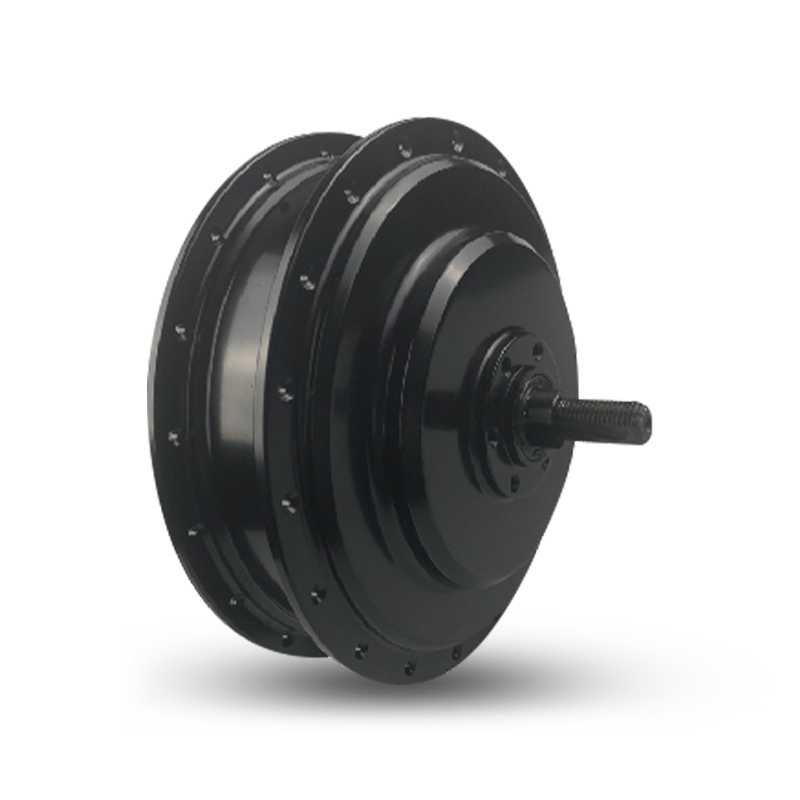 E-Type Pro RF750 Rear Hub Motor
The E-Type Pro RF750 Rear Hub Motor is designed for E-Cargo and E-MTB bikes, com...
-
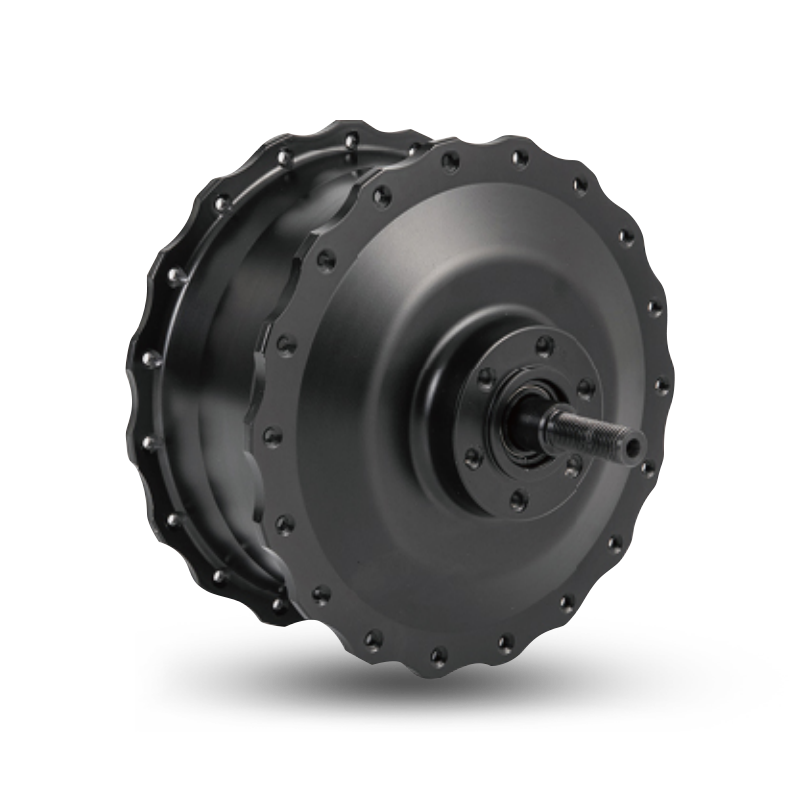 S-Type Pro F1500 Front Hub Motor
The S-Type Pro F1500 front hub motor, designed for E-Carao and E-Fat bikes, offe...
-
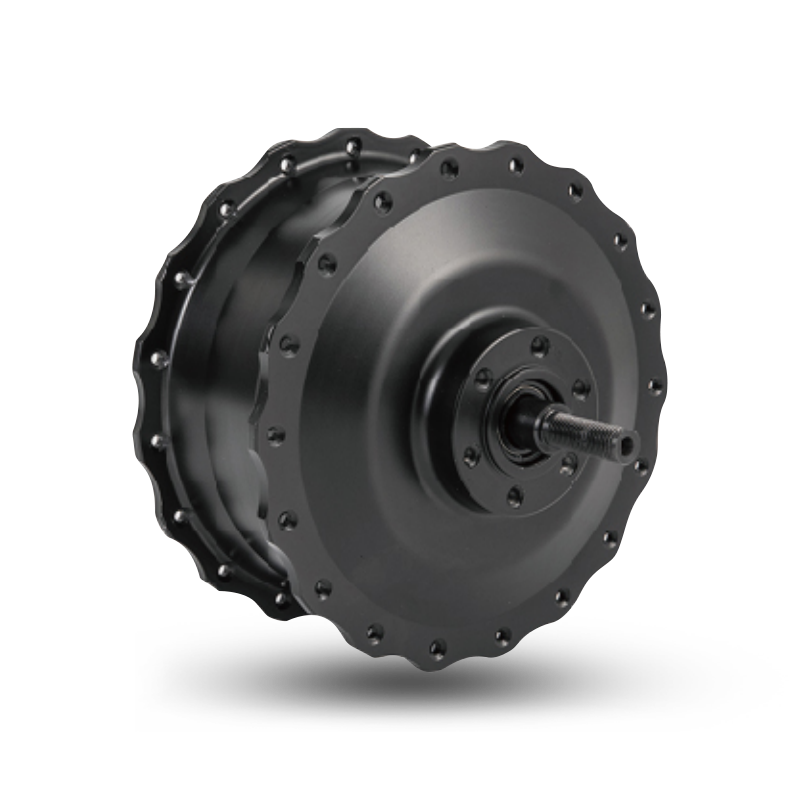 S-Type F750 Front Hub Motor
S-Type F750 is designed for E-Cargo and E-Fat. The rated power ranges from 500W ...
-
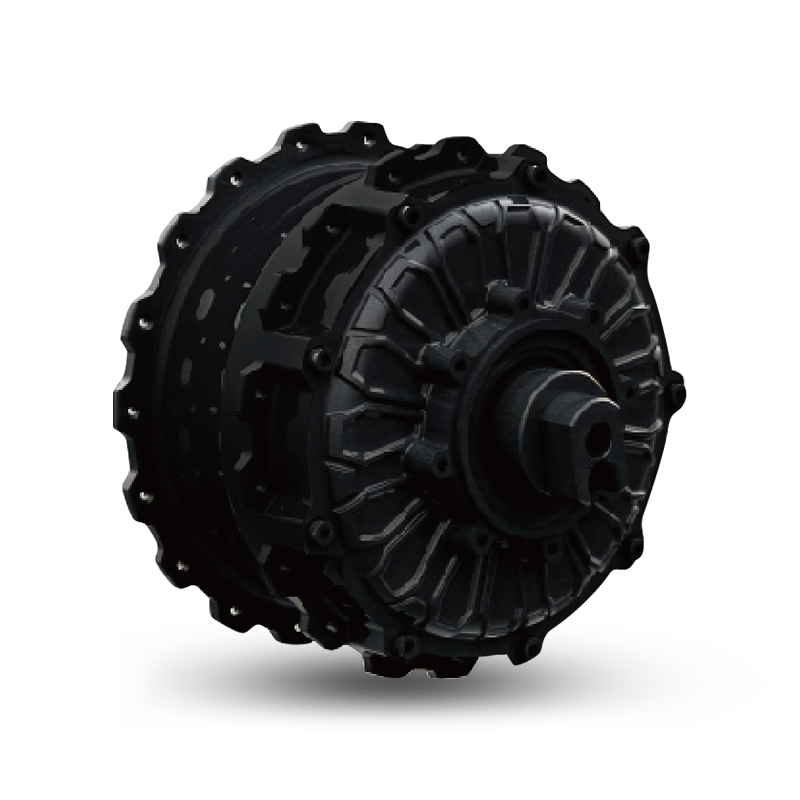 S-TYPE Max THRU AXLE Rear Hub Motor
The S-TYPE Max thru-axle motor is designed for E-Fat, Moped, and Cargo applicati...
-
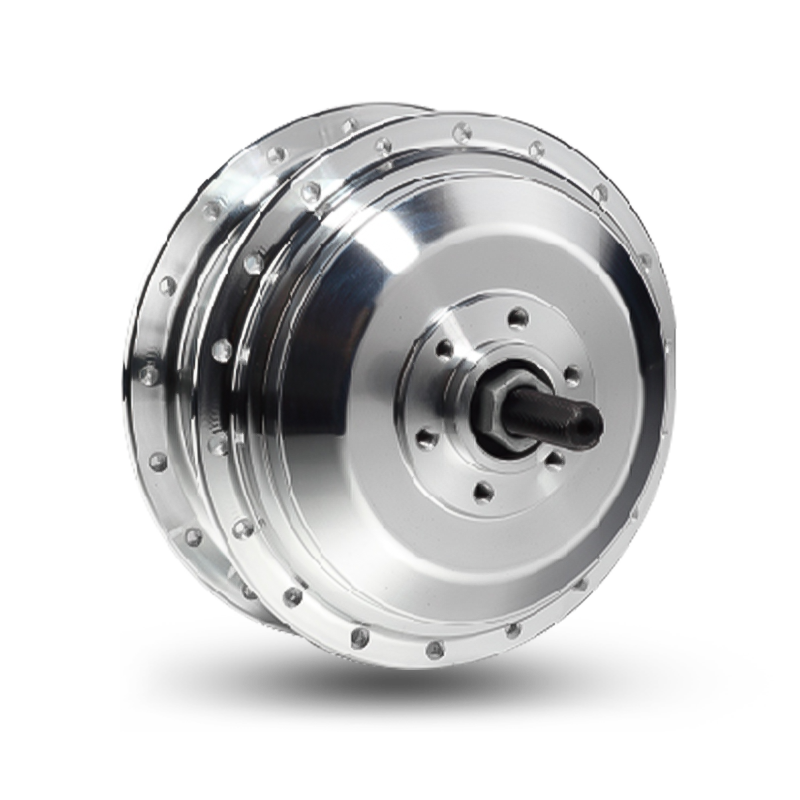 C-Type R350 Rear Hub Motor
The C-Type R350 Rear Hub Motor, designed for city e-bikes, offers a rated power ...
If you are interested in our products, please consult us
Contact Details
- Address:No. 3 Dingqiao Rd, Jiangshan Town, Yinzhou District, Ningbo, Zhejiang Province, China
- Phone: +86 13806662915
- Email: K.zhang@hengtai-cn.com
Products
Quick Link
News Center
Mobile terminal
