


 English
 中文简体
中文简体Don't hesitate to send a message
E-Bike Hub Motor Manufacturers and Their Impact on Range, Speed, and Battery Life
Content
Electric bicycles (e-bikes) have quickly become a staple in the modern transportation landscape, offering an eco-friendly alternative to cars and a more efficient solution for daily commuting. As the e-bike market grows, manufacturers are continually innovating to improve performance and meet the increasing demands of riders. One of the most crucial components driving these improvements is the e-bike hub motor. The hub motor, located in the wheel hub, plays a central role in determining the bike’s speed, range, and overall battery life.
What Is a Hub Motor?
A hub motor is an electric motor that is directly integrated into one of the wheels of an e-bike, typically the rear wheel but sometimes the front wheel. Hub motors are the most common motor type found in e-bikes due to their simplicity, ease of integration, and cost-effectiveness. They provide the necessary power to assist the rider while pedaling or even propel the bike without pedaling in certain modes.
There are two primary types of hub motors used in e-bikes:
- Direct-drive hub motors: These motors don’t require gears or moving parts to transfer energy from the motor to the wheel, offering a smooth and quiet ride.
- Geared hub motors: These motors use internal gears to increase torque, making them ideal for handling hills and providing better acceleration.
Impact on Range
Range refers to the distance an e-bike can travel on a single battery charge. The range of an e-bike depends on several factors, including the capacity of the battery, the rider’s weight, the terrain, and the motor’s efficiency. Among these, the e-bike hub motor plays a critical role in optimizing power consumption and, consequently, extending range.
Efficiency and Energy Consumption
The efficiency of the hub motor directly affects the energy consumption and how far a bike can travel on a single charge. E-bike hub motor manufacturers are investing heavily in designing motors that are highly efficient. This means the motor uses less energy to produce more power, allowing the battery to last longer and extend the overall range of the e-bike.
For example, many manufacturers are now integrating sensor-based technology that adjusts the motor’s power output based on the rider’s input and terrain. On flat roads, the motor can work at a lower power level, conserving energy. However, when the rider encounters a hill, the motor automatically increases its power output, ensuring a smooth and consistent ride while still preserving battery life.
Another development in hub motor efficiency is the reduction of friction in motor components. By improving the quality of bearings and using lightweight, durable materials, manufacturers can reduce energy losses that would otherwise drain the battery faster.
Range Variations Across Motor Types
The type of hub motor also influences the bike’s range. Direct-drive hub motors tend to be more energy-efficient at higher speeds, which makes them ideal for riders who primarily use their e-bikes on flat terrain or for longer rides on highways. These motors are generally quieter and require less maintenance, contributing to a longer overall lifespan.
On the other hand, geared hub motors are better suited for hilly terrains because they provide more torque, allowing riders to climb steep inclines without taxing the motor too much. While geared motors are generally less efficient than direct-drive motors at high speeds, they offer a better balance between power output and energy consumption, making them a popular choice for city commuters.
Impact on Speed
The speed of an e-bike is largely determined by the power output of the hub motor and the maximum allowed by the motor controller. Most e-bikes in the U.S. are limited to a maximum speed of 20 mph (32 km/h) under pedal-assist mode, while many European countries have a limit of 25 km/h (15.5 mph). However, the power output of the motor plays a significant role in how quickly the e-bike can reach its maximum speed and how smoothly it accelerates.
Motor Power and Speed
The motor power is measured in watts (W) and is typically available in the range of 250W to 750W for most consumer e-bikes. Motors with higher wattage tend to provide more power, which translates into faster acceleration and higher top speeds. However, higher-powered motors also consume more energy, which can impact range and battery life.
E-bike hub motor manufacturers are addressing this trade-off by developing motors that provide the necessary speed without compromising efficiency. Many high-performance motors now come with smart controllers that manage power output based on the rider’s needs. For instance, a rider may need more power to accelerate quickly or reach higher speeds, but the motor can adjust to conserve energy when the bike is cruising at a constant speed.
Torque and Speed on Hills
Another key factor in speed is torque, or the rotational force that the motor can apply to the wheels. High torque motors are essential for maintaining speed on steep inclines. Manufacturers are designing hub motors with higher torque output to help cyclists climb hills without losing momentum, even with heavier loads or in hilly regions.
While geared hub motors tend to offer better torque for hill climbing due to their internal gearing, direct-drive motors with larger wattage are often favored for their smoother ride and ability to maintain a higher cruising speed on flat terrain.
Impact on Battery Life
The battery life of an e-bike is one of the most critical factors influencing rider satisfaction and overall performance. Battery life is determined by both the capacity of the battery and the motor’s energy consumption. Efficient e-bike hub motors are essential for maximizing battery performance and providing longer trips without requiring frequent recharges.
Energy Efficiency and Battery Longevity
The energy efficiency of the motor directly impacts the overall battery life. E-bike hub motor manufacturers are working on motors that not only provide optimal power but also use less energy per unit of output. This is achieved through technological advancements in motor design, such as reducing internal resistance and minimizing heat loss.
In addition to increasing motor efficiency, motor controllers are being integrated with advanced algorithms that adjust motor power based on factors such as battery charge levels and terrain. This dynamic system ensures that the motor operates at peak efficiency, extending the life of the battery and reducing the frequency of recharges.
Battery Size and Capacity
While the hub motor plays a significant role in determining battery consumption, the battery size and capacity also affect overall battery life. Most e-bikes are equipped with lithium-ion batteries, which offer a good balance between energy density, weight, and lifespan. Manufacturers are now designing larger capacity batteries that allow riders to travel longer distances while maintaining high performance.
Battery management systems (BMS) are also an essential feature that many e-bike hub motor manufacturers are focusing on. BMS ensures that the battery operates efficiently and helps prevent issues such as overcharging or overheating, which could reduce the battery’s lifespan.
How Manufacturers Are Innovating
As e-bikes become more popular, e-bike hub motor manufacturers are constantly innovating to improve motor performance across all areas—range, speed, and battery efficiency. The introduction of sensor-based systems, smart motor controllers, and regenerative braking systems has significantly enhanced the overall riding experience. Additionally, AI-powered algorithms are beginning to be integrated into some motors, allowing them to adapt to individual rider behavior and environmental conditions in real-time.
The motor materials are also evolving. Manufacturers are using more lightweight and durable materials, such as carbon fiber and advanced composites, to reduce motor weight without compromising strength. This results in improved performance, higher torque, and better overall efficiency.
OUR PRODUCTS
Recommended Products
-
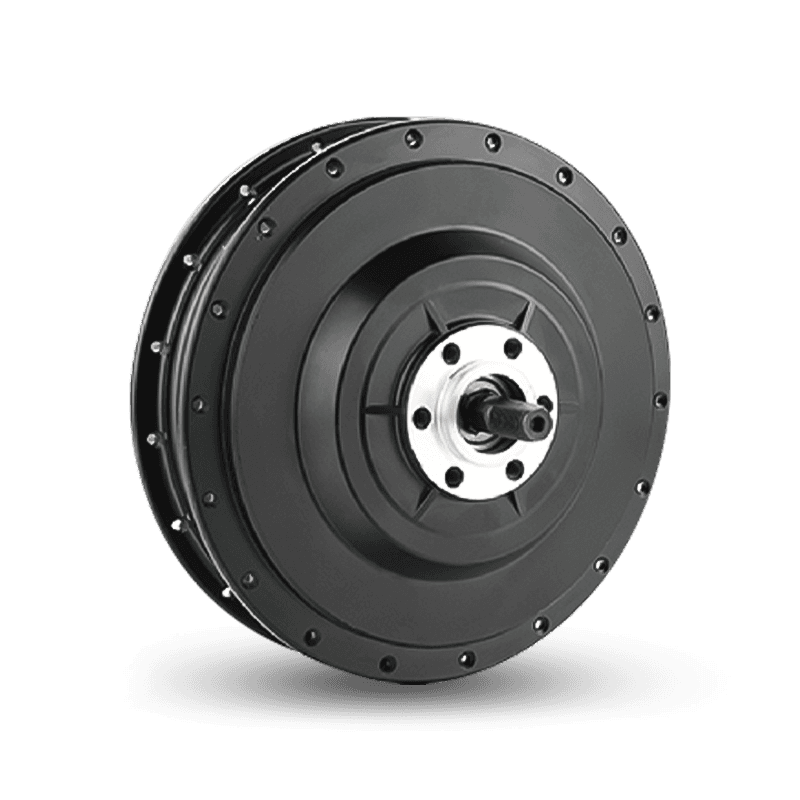 E-Type F500 Front Hub Motor
The E-Type F500 front hub motor is designed for E-Cargo and E-MTB bikes, offerin...
-
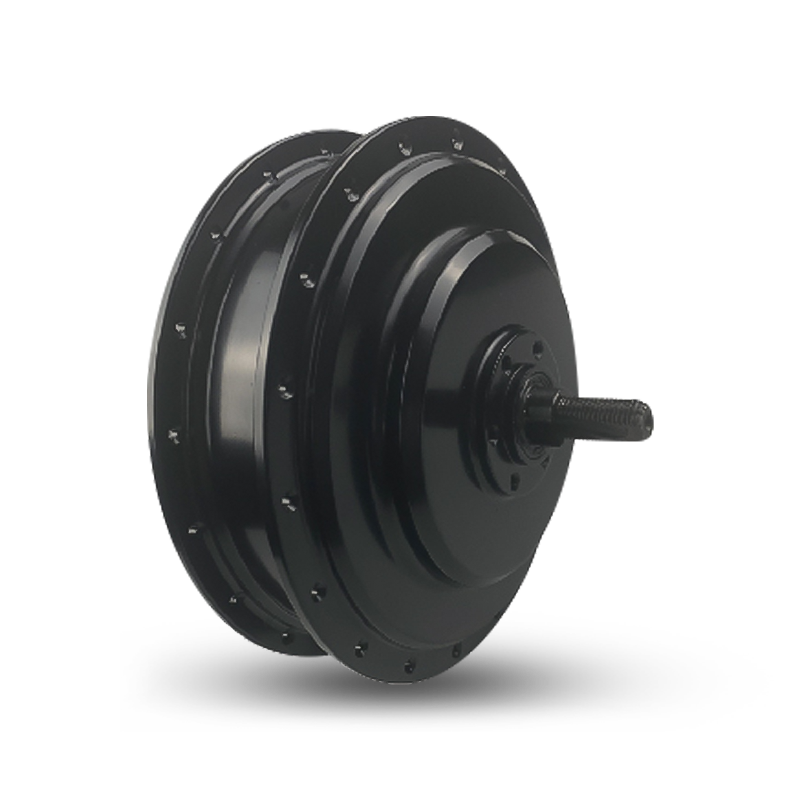 E-Type Pro RC750 Rear Hub Motor
The E-Type Pro RC750 Rear Hub Motor is designed for E-Cargo and E-MTB bikes, com...
-
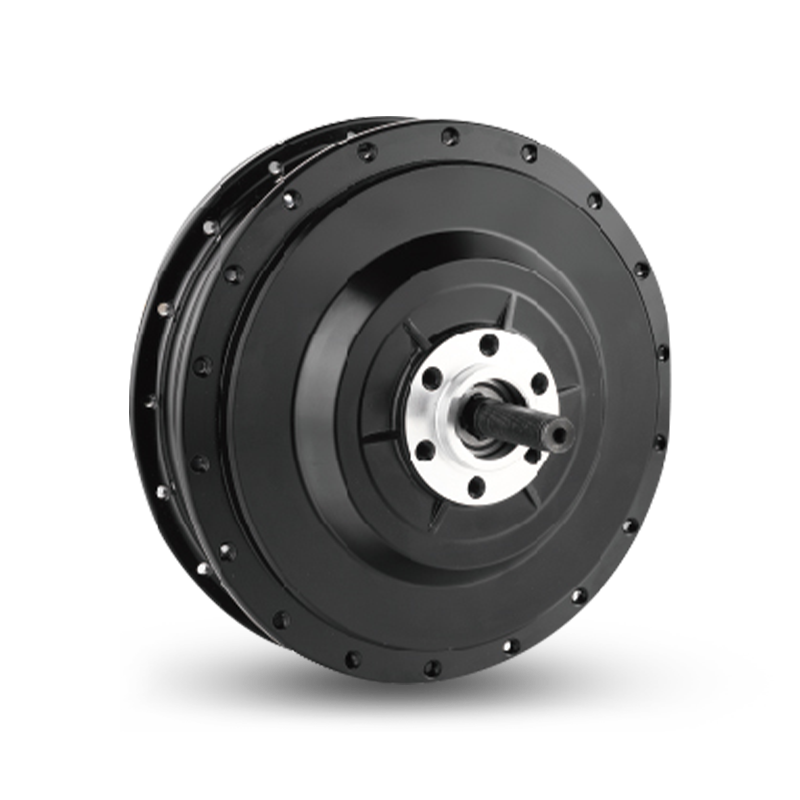 E-Type RF500 Rear Hub Motor
The E-Type RF500 Rear Hub Motor is designed for E-Cargo and E-MTB bikes, compati...
-
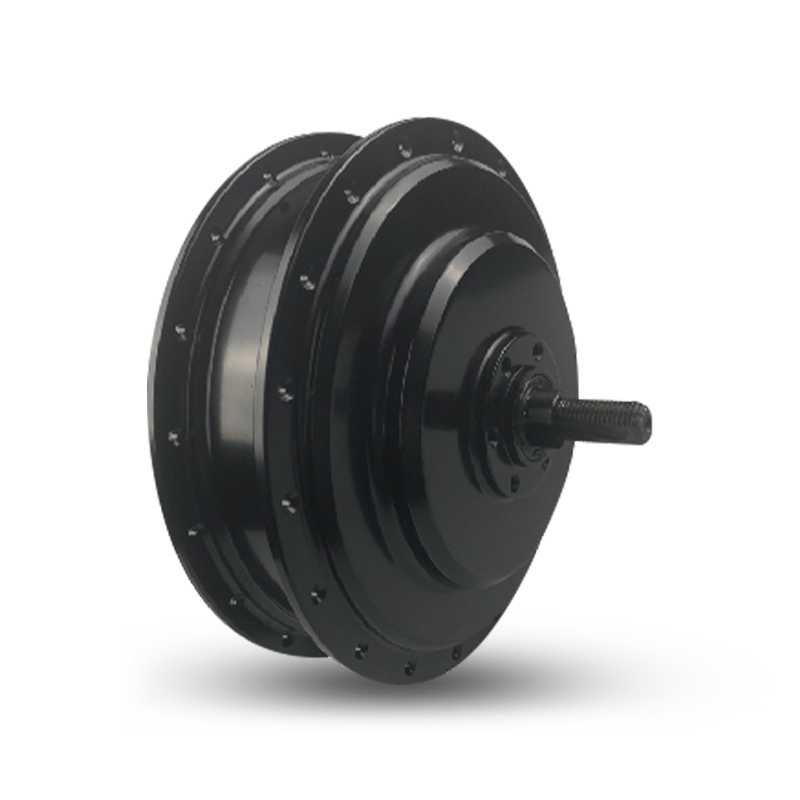 E-Type Pro RF750 Rear Hub Motor
The E-Type Pro RF750 Rear Hub Motor is designed for E-Cargo and E-MTB bikes, com...
-
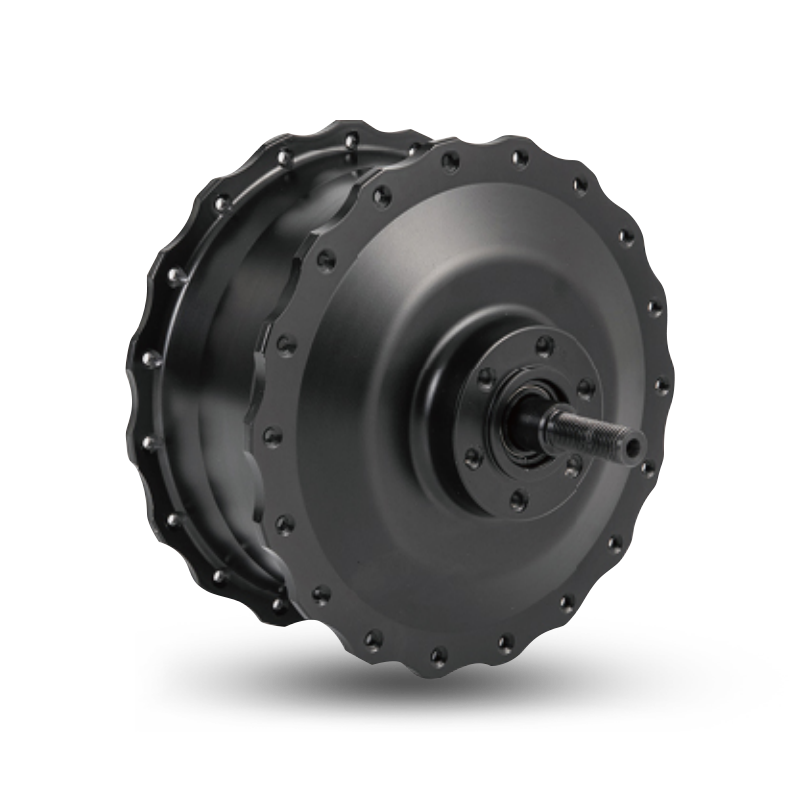 S-Type Pro F1500 Front Hub Motor
The S-Type Pro F1500 front hub motor, designed for E-Carao and E-Fat bikes, offe...
-
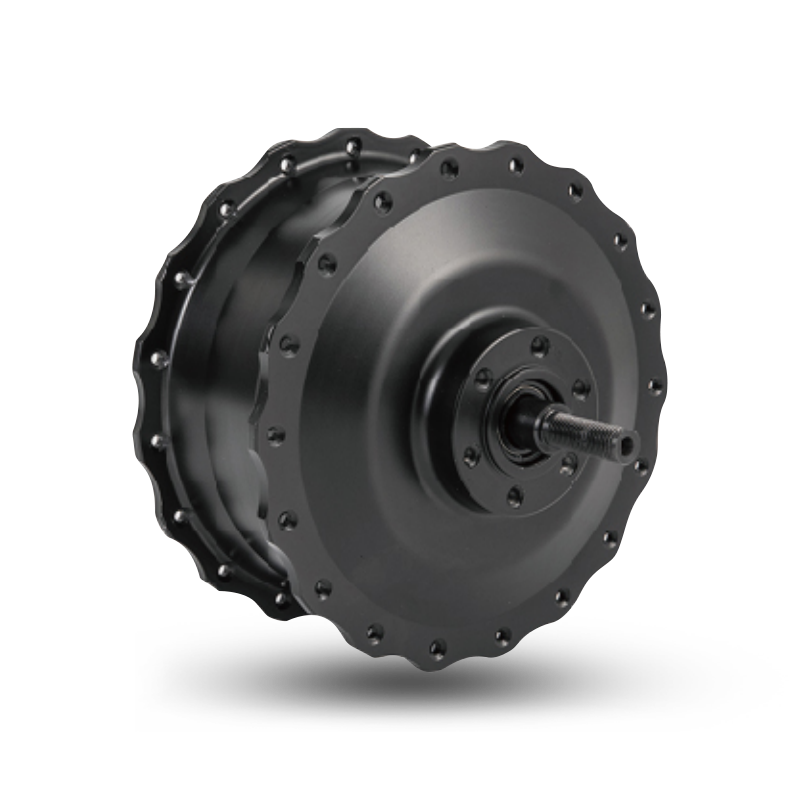 S-Type F750 Front Hub Motor
S-Type F750 is designed for E-Cargo and E-Fat. The rated power ranges from 500W ...
-
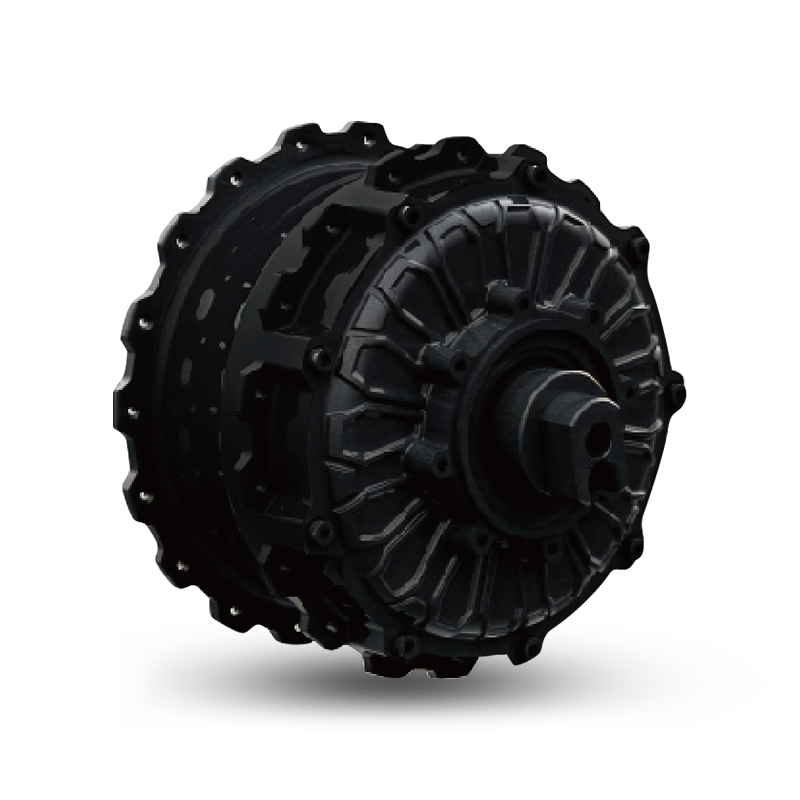 S-TYPE Max THRU AXLE Rear Hub Motor
The S-TYPE Max thru-axle motor is designed for E-Fat, Moped, and Cargo applicati...
-
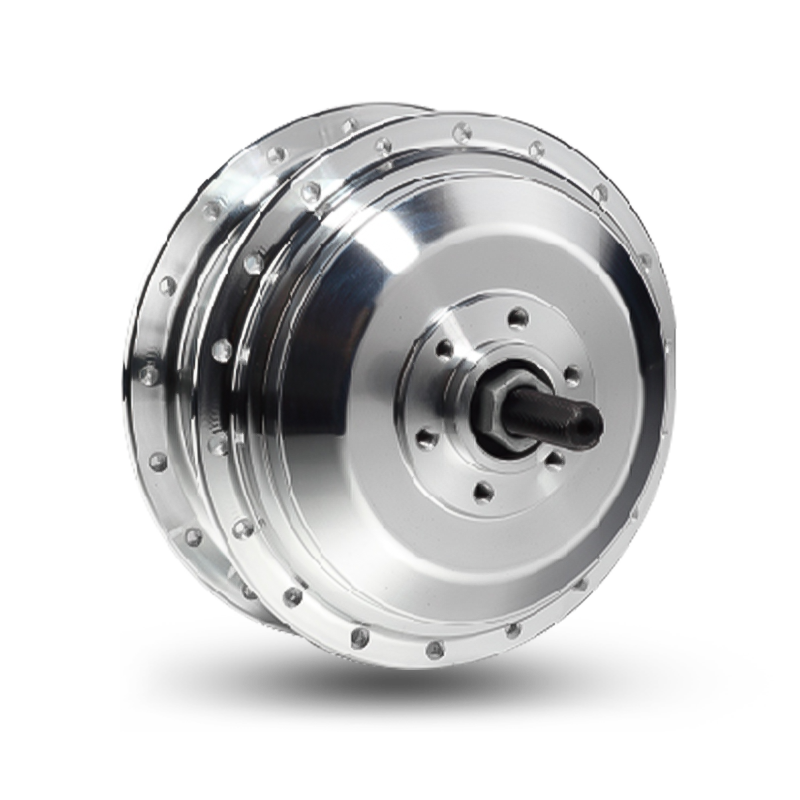 C-Type R350 Rear Hub Motor
The C-Type R350 Rear Hub Motor, designed for city e-bikes, offers a rated power ...
If you are interested in our products, please consult us
Contact Details
- Address:No. 3 Dingqiao Rd, Jiangshan Town, Yinzhou District, Ningbo, Zhejiang Province, China
- Phone: +86 13806662915
- Email: K.zhang@hengtai-cn.com
Products
Quick Link
News Center
Mobile terminal
