


 English
 中文简体
中文简体Don't hesitate to send a message
The Role of Integrated Motor Wheel Factory in the Shift to Sustainable Transportation
Content
- 1 What is an Integrated Motor Wheel?
- 2 The Importance of integrated motor wheel factory
- 3 Innovation in Manufacturing
- 4 Sustainability and Reduced Environmental Impact
- 5 Streamlining Production and Reducing Costs
- 6 Enhancing Vehicle Performance
- 7 How integrated motor wheel factory Contribute to the Shift Toward Sustainable Transportation
- 8 HENTACH Motor's Role in Advancing Integrated Motor Wheel Technology
- 9 Key Benefits of Integrated Motor Wheel Technology
In recent years, the demand for sustainable transportation solutions has grown exponentially. With increasing concerns over climate change, air pollution, and urban congestion, there is a strong push toward alternative mobility options that are environmentally friendly and efficient. One of the most promising innovations in this space is the development of integrated motor wheel technology, which has the potential to significantly change the way we design and use electric vehicles (EVs). Central to this technological shift are integrated motor wheel factory—facilities that play a key role in manufacturing and advancing this next-generation technology.
What is an Integrated Motor Wheel?
Before diving into the specifics of integrated motor wheel factory, it’s important to understand what integrated motor wheels are and how they function.
An integrated motor wheel, often seen in futuristic e-scooters and compact EVs, takes the concept of a hub motor a step further. It combines the motor, hub, and often the wheel rim into a single, seamless unit, eliminating the need for traditional spokes. This highly integrated design is at the forefront of vehicle engineering, eliminating the complexity of traditional electric vehicle systems by integrating both the motor and wheel into one compact component. This stands in contrast to a traditional hub motor, where the motor is located only in the wheel hub, requiring additional components like spokes and axles.
Typically used in electric cars, e-bikes, and even public transport solutions like electric buses, integrated motor wheels work by directly driving the wheel through an integrated motor located inside the wheel hub. This design eliminates the need for complex mechanical linkages, such as driveshafts or axles, making the system simpler, lighter, and more efficient.
The Importance of integrated motor wheel factory
Integrated motor wheel technology has the potential to drastically alter the landscape of sustainable transportation. However, to realize this potential, specialized manufacturing facilities—integrated motor wheel factory—are essential. These factories are responsible for designing, producing, and testing the critical components that make up the integrated motor wheel system.
Innovation in Manufacturing
Integrated motor wheels represent a significant leap forward in electric vehicle design. They require specialized manufacturing processes that combine precision engineering, advanced materials, and cutting-edge automation. integrated motor wheel factory are equipped with state-of-the-art production equipment and testing facilities, ensuring that each unit meets the highest standards of quality and performance.
These factories drive innovation by constantly improving the design and functionality of integrated motor wheels. For example, manufacturers may focus on optimizing motor efficiency, reducing weight, or increasing the overall durability of the wheels. As these factories develop new manufacturing techniques and technologies, they help drive the wider adoption of integrated motor wheel systems in various transportation modes, from personal electric vehicles to large-scale commercial applications.
Sustainability and Reduced Environmental Impact
As the demand for electric vehicles grows, so too does the need for sustainable manufacturing practices. integrated motor wheel factory are central to the push for more sustainable transportation solutions. By combining the motor and wheel into a single unit, these systems reduce the need for complex components and associated manufacturing processes, which helps minimize waste and resource consumption.
Furthermore, integrated motor wheel systems can improve the overall energy efficiency of electric vehicles. By eliminating mechanical losses that occur in traditional systems with separate motors and drivetrains, integrated motor wheels allow electric vehicles to operate more efficiently, with less energy being wasted. This means that vehicles can travel longer distances on a single charge, making them more practical for everyday use.
Streamlining Production and Reducing Costs
The manufacturing process for traditional electric vehicle drivetrains is typically complex and expensive, involving multiple components, suppliers, and intricate assembly processes. Integrated motor wheel systems simplify this design by combining the motor and wheel into a single unit, which helps reduce production costs. These savings can be passed on to consumers, making electric vehicles more affordable.
In addition, the integration of motor and wheel into one compact unit allows for faster and more efficient assembly processes. As manufacturers scale up production of integrated motor wheels, economies of scale come into play, which further drives down production costs. This cost reduction is essential for making electric vehicles competitive with traditional internal combustion engine vehicles in terms of affordability.
Enhancing Vehicle Performance
Another significant advantage of integrated motor wheels is their potential to enhance the overall performance of electric vehicles. By integrating the motor into the wheel, manufacturers can achieve better control over torque distribution and reduce the overall weight of the vehicle. This leads to improved acceleration, handling, and overall driving dynamics.
For instance, in electric cars and bikes, integrated motor wheels enable precise control over the power sent to each wheel, improving traction and stability, especially in challenging driving conditions such as rain or snow. In electric bicycles, integrated motors offer smoother rides and more efficient power delivery, providing cyclists with a more enjoyable and responsive experience.
How integrated motor wheel factory Contribute to the Shift Toward Sustainable Transportation
The shift to sustainable transportation is a multi-faceted process that requires innovation at every stage—from vehicle design to production to end-use. integrated motor wheel factory are at the heart of this transformation, contributing in several key ways:
Supporting the Transition to Electric Vehicles (EVs)
The move toward sustainable transportation is inextricably linked to the rise of electric vehicles. Integrated motor wheel systems are a crucial part of the evolution of EVs, as they provide an efficient, lightweight solution that makes electric vehicles more accessible and practical for consumers. By enabling electric vehicles to be more cost-effective, efficient, and high-performing, integrated motor wheel factory are playing a pivotal role in accelerating the adoption of EVs.
As cities around the world look to reduce congestion and pollution, shared mobility solutions such as electric ride-sharing services and autonomous vehicles are gaining traction. Integrated motor wheels are well-suited for these applications due to their compact design and efficiency. In the case of autonomous electric vehicles, integrated motor wheels simplify the design and reduce the number of moving parts, making them more reliable and easier to maintain.
By supporting the development of autonomous and shared mobility solutions, integrated motor wheel factory are helping to shape the future of urban transportation, creating a more sustainable and efficient system for moving people and goods.
Reducing the Environmental Impact of Manufacturing
Sustainability is not just a consideration for the end product—it’s also a key factor in the manufacturing process itself. integrated motor wheel factory prioritize sustainable production techniques, using eco-friendly materials and reducing waste throughout the manufacturing cycle. By streamlining the production of motor and wheel components, these factories also help reduce the environmental footprint of vehicle manufacturing, contributing to the overall goal of sustainable transportation.
HENTACH Motor's Role in Advancing Integrated Motor Wheel Technology
As the demand for electric vehicles and sustainable mobility solutions continues to grow, Ningbo Yinzhou HENTACH Electromechanical Co., Ltd. (formerly known as Hengtai Motor) is playing an integral role in advancing integrated motor wheel technology. Established in 1995, HENTACH has over 30 years of experience in electromechanical innovation, specializing in the casting and precision processing of miniature DC motors, electric and motorcycle hub motors, and aluminum-magnesium alloys for electric vehicles.
HENTACH embodies the role of a true integrated motor wheel factory. Our 9,000-square-meter facility is not just an assembly line; it is a fully vertical manufacturing ecosystem. With capabilities ranging from 500-ton Al/Mg die-casting to precision CNC machining and in-house final assembly, we control every step of the production process. This vertical integration gives our clients unparalleled advantages: faster development cycles, consistent quality control from raw material to finished product, and the flexibility to create truly custom integrated wheel solutions.
HENTACH’s proprietary nylon-steel gear technology—which has been tested to surpass 50,000 miles of real-world performance—reflects the company’s commitment to producing highly reliable and long-lasting motor solutions. This innovative technology ensures that the integrated motor wheels HENTACH manufactures not only meet but exceed industry standards for durability and efficiency.
As a trusted name in the industry, HENTACH is helping drive the adoption of integrated motor wheel technology, making electric vehicles more accessible, reliable, and efficient for a sustainable future.
Key Benefits of Integrated Motor Wheel Technology
As the role of integrated motor wheel factory grows, the adoption of integrated motor wheels across various transportation sectors is likely to increase. Some of the key benefits of integrated motor wheel technology include:
- Space Optimization: Integrated motor wheels eliminate the need for bulky drivetrain systems, freeing up space for other components or reducing the overall size of the vehicle. This is especially beneficial in compact urban settings where space is limited.
- Weight Reduction: By eliminating the need for separate motors and axles, integrated motor wheels significantly reduce the weight of the vehicle, improving efficiency and performance.
- Improved Energy Efficiency: Integrated motor wheels reduce mechanical losses and improve the overall efficiency of the powertrain, extending the range of electric vehicles and reducing energy consumption.
- Better Handling and Stability: With motors integrated directly into the wheels, manufacturers can achieve better control over power distribution, leading to improved traction, acceleration, and stability on the road.
OUR PRODUCTS
Recommended Products
-
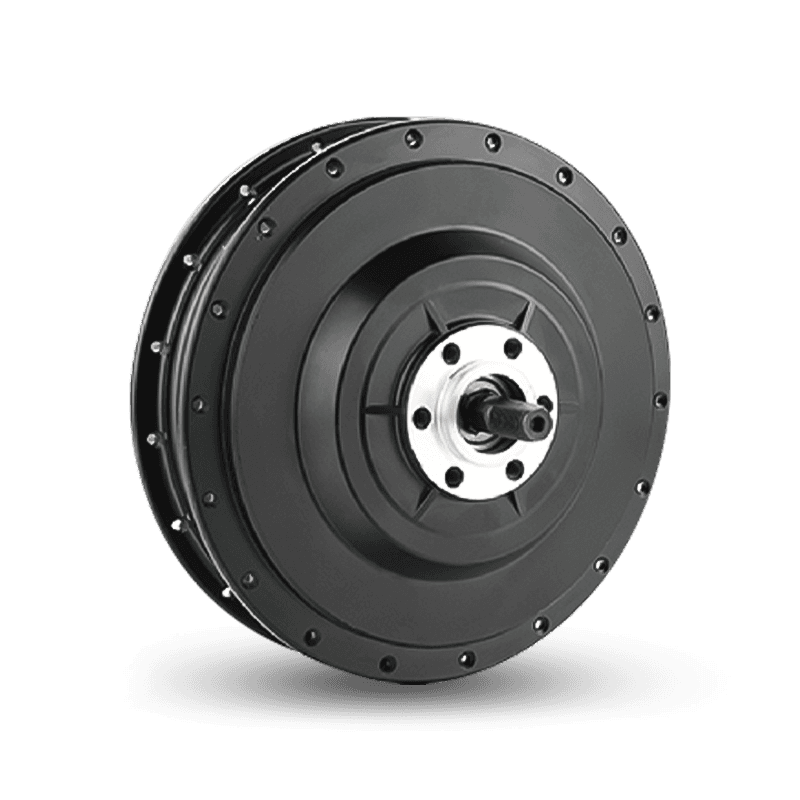 E-Type F500 Front Hub Motor
The E-Type F500 front hub motor is designed for E-Cargo and E-MTB bikes, offerin...
-
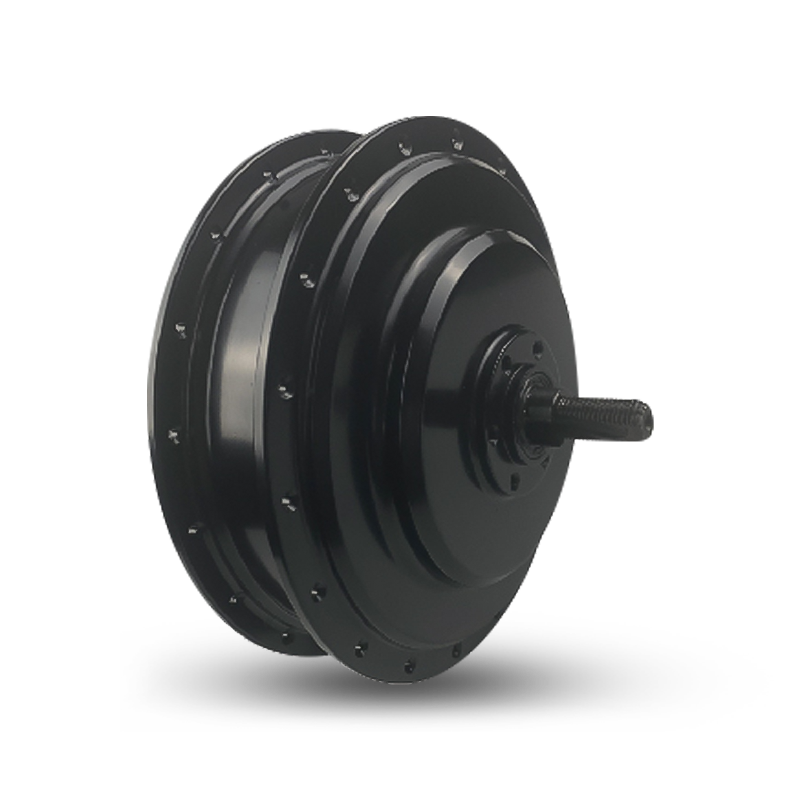 E-Type Pro RC750 Rear Hub Motor
The E-Type Pro RC750 Rear Hub Motor is designed for E-Cargo and E-MTB bikes, com...
-
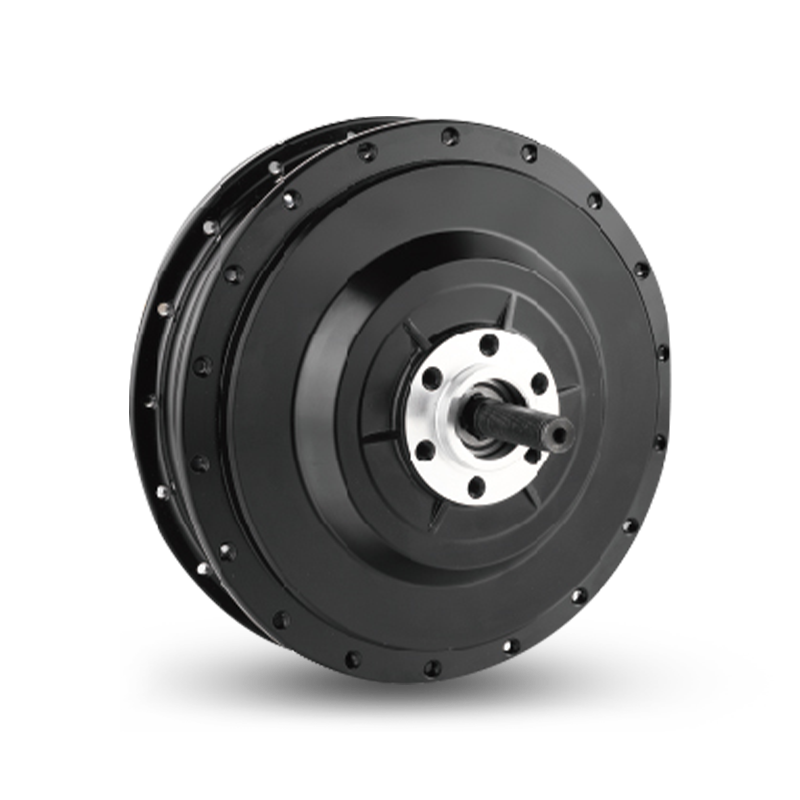 E-Type RF500 Rear Hub Motor
The E-Type RF500 Rear Hub Motor is designed for E-Cargo and E-MTB bikes, compati...
-
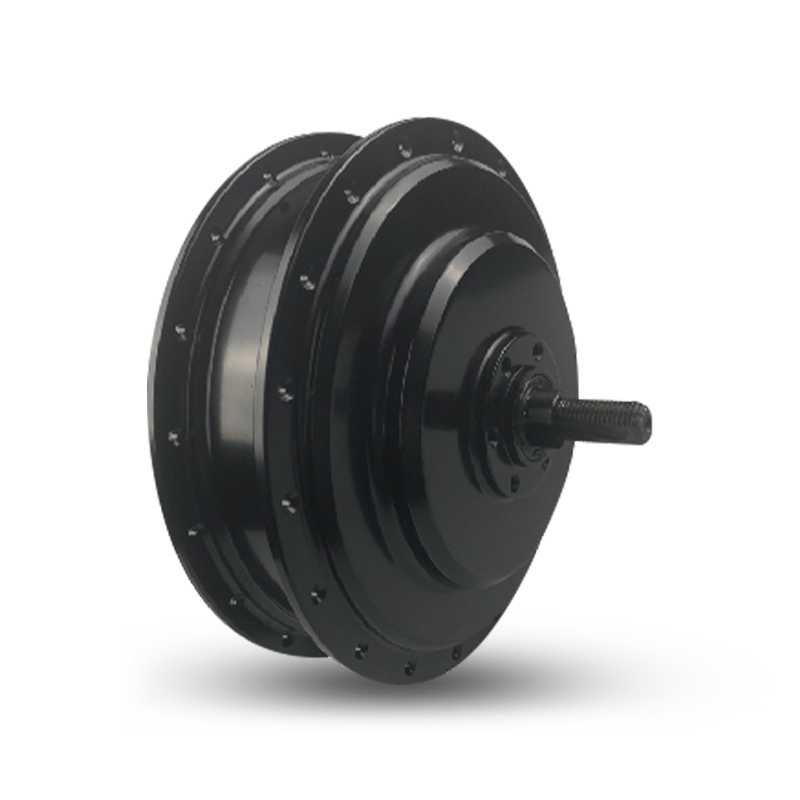 E-Type Pro RF750 Rear Hub Motor
The E-Type Pro RF750 Rear Hub Motor is designed for E-Cargo and E-MTB bikes, com...
-
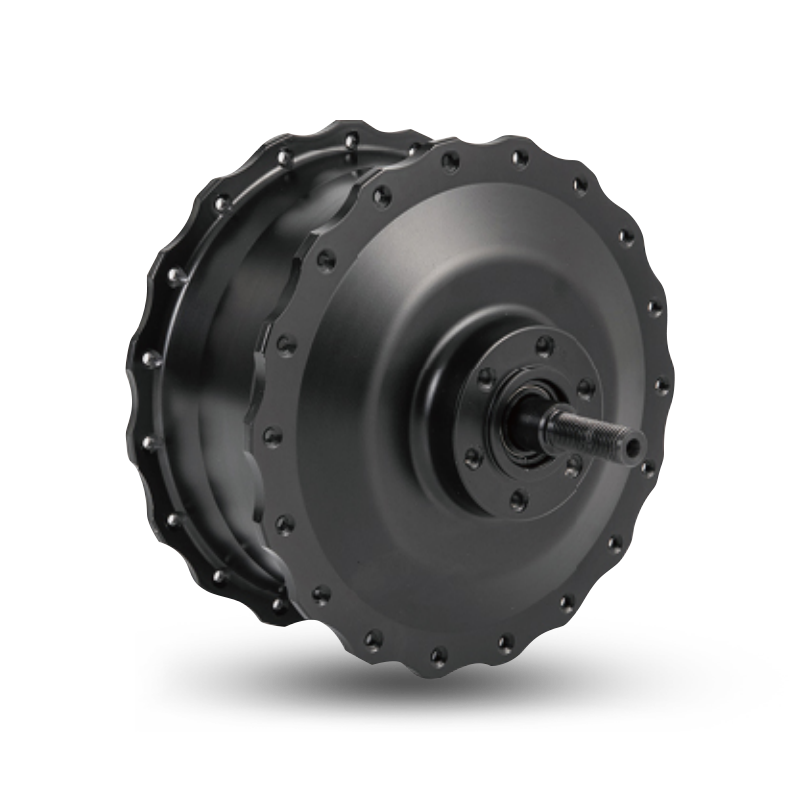 S-Type Pro F1500 Front Hub Motor
The S-Type Pro F1500 front hub motor, designed for E-Carao and E-Fat bikes, offe...
-
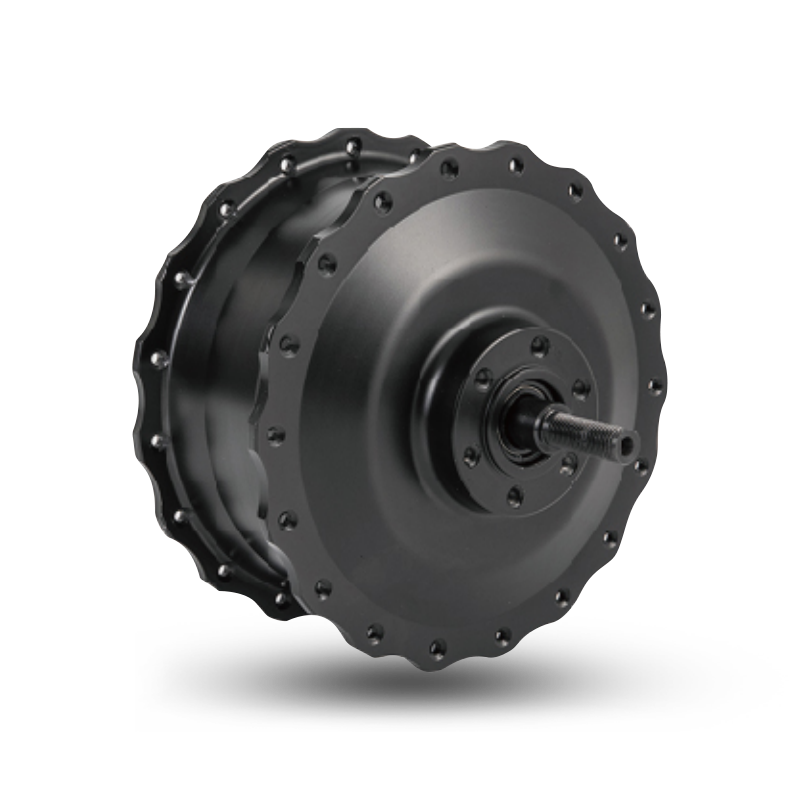 S-Type F750 Front Hub Motor
S-Type F750 is designed for E-Cargo and E-Fat. The rated power ranges from 500W ...
-
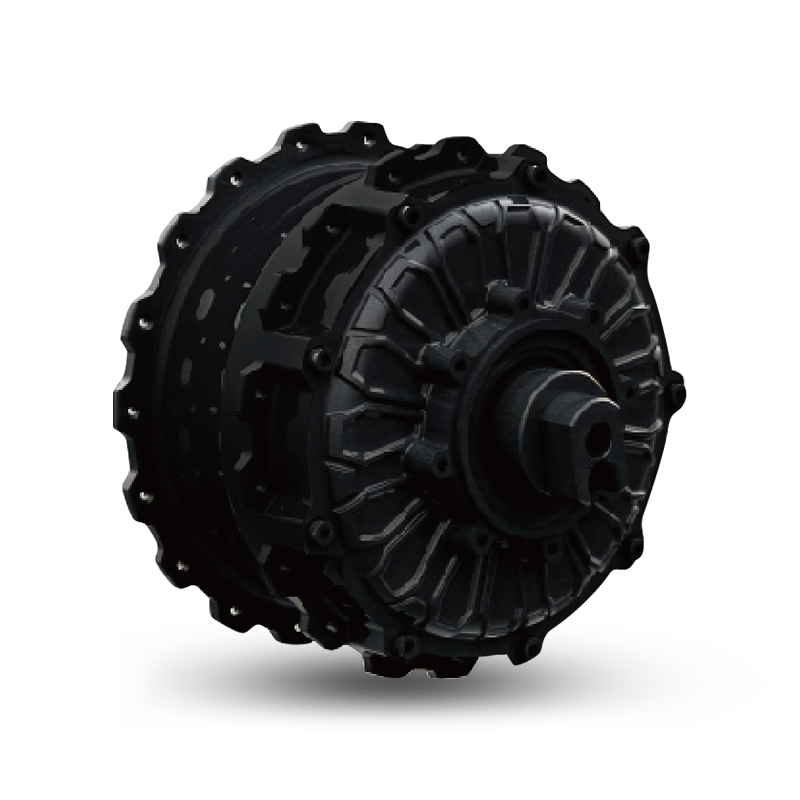 S-TYPE Max THRU AXLE Rear Hub Motor
The S-TYPE Max thru-axle motor is designed for E-Fat, Moped, and Cargo applicati...
-
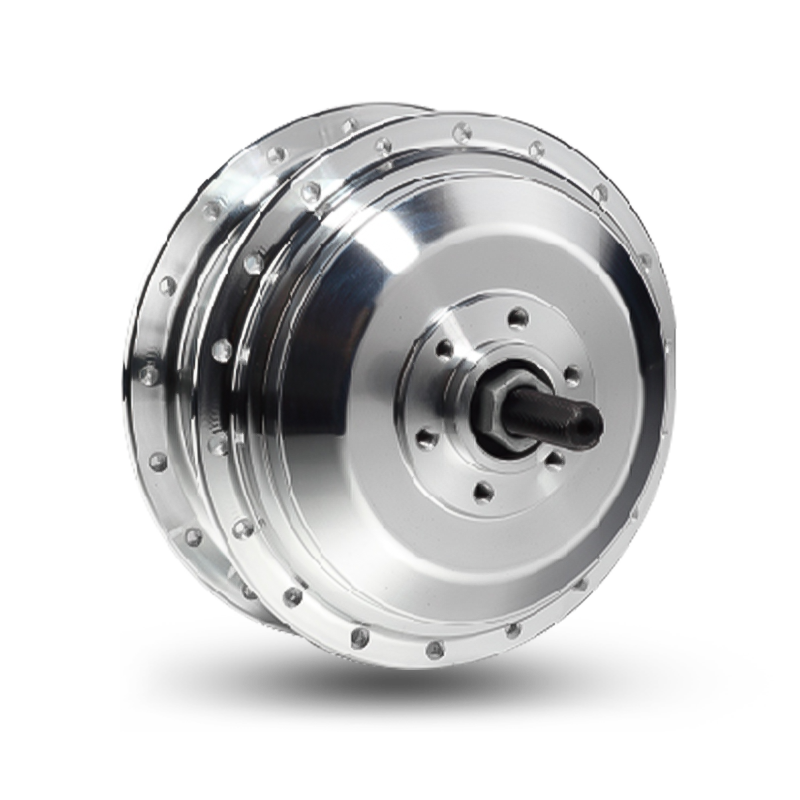 C-Type R350 Rear Hub Motor
The C-Type R350 Rear Hub Motor, designed for city e-bikes, offers a rated power ...
If you are interested in our products, please consult us
Contact Details
- Address:No. 3 Dingqiao Rd, Jiangshan Town, Yinzhou District, Ningbo, Zhejiang Province, China
- Phone: +86 13806662915
- Email: K.zhang@hengtai-cn.com
Products
Quick Link
News Center
Mobile terminal
