


 English
 中文简体
中文简体Don't hesitate to send a message
How Rear Hub Motor Manufacturers Are Enhancing Ride Comfort and Efficiency
Content
The growing demand for electric bikes (e-bikes) and electric scooters (e-scooters) reflects a shift toward more sustainable and efficient transportation options. Among the key technologies enabling this transition, rear hub motors have emerged as a popular choice for e-bike and e-scooter manufacturers. These motors offer a unique combination of benefits, including improved ride comfort, enhanced performance, and better overall efficiency. Rear hub motor manufacturers are continuously refining motor technology to meet the increasing demands of riders, especially in terms of climbing ability, durability, and high power capabilities.
What is a Rear Hub Motor?
A rear hub motor is an electric motor integrated into the wheel hub of the rear wheel, providing direct propulsion to the rear tire. Unlike mid-drive motors, which are located near the pedals, rear hub motors simplify the mechanical design by eliminating the need for chains and gears. This configuration offers several advantages, including easier maintenance and a more balanced weight distribution, contributing to a smoother ride.
Rear hub motors are a popular choice for both e-bikes and e-scooters due to their simplicity, cost-effectiveness, and ability to provide smooth, consistent power delivery. The motor design has evolved significantly in recent years, particularly in areas of performance, durability, and overall efficiency.
Enhancing Ride Comfort with Rear Hub Motors
A key factor in the success of rear hub motors is their ability to deliver a comfortable and enjoyable ride. The placement and design of the motor play a crucial role in ride comfort, affecting everything from the smoothness of acceleration to the handling of the vehicle.
Smoother Ride Experience
Rear hub motors are known for providing a smooth, seamless ride. Since the motor is directly integrated into the rear wheel, the power output is evenly distributed, allowing for consistent acceleration. This leads to fewer jerks or sudden jolts, especially during start-ups or when riding at lower speeds.
Additionally, rear hub motors produce less noise than mid-drive motors, which can be particularly important for urban riders who value a quieter commute. The reduced noise level enhances the overall comfort and enjoyment of the ride, especially in noise-sensitive areas.
Better Weight Distribution
The placement of the rear hub motor also improves the bike's weight distribution. By positioning the motor at the rear, manufacturers can achieve a more balanced center of gravity, which helps with the overall handling of the bike. A well-balanced e-bike is easier to control, particularly when navigating tight turns or riding on uneven terrain.
By reducing the front-end weight, rear hub motors also make it easier to maneuver the e-bike over obstacles, which is particularly useful when riding in urban environments where potholes, curbs, and other obstacles are common.
Improved Traction and Stability
Rear hub motors contribute to better traction, especially when riding on inclines or slippery surfaces. Since the motor is directly powering the rear wheel, it helps provide more stability and grip, particularly on hills. This is especially beneficial for riders who live in areas with frequent changes in terrain, such as hilly cities or rural locations with uneven paths.
The rear-wheel drive also helps maintain better control, which leads to greater rider confidence, especially when navigating through tricky environments or sudden changes in terrain. The added stability and grip from the rear hub motor enhance the overall ride quality, making it more comfortable for the rider.
Boosting Efficiency with Rear Hub Motors
Alongside comfort, efficiency is another major factor that influences the performance of e-bikes and e-scooters. Rear hub motors have been optimized over the years to offer better energy utilization and reduce maintenance, ensuring that riders enjoy longer trips with minimal hassle.
Climbing Ability and High Torque
A primary concern for many e-bike and e-scooter riders is the ability to climb hills and tackle steeper inclines. Traditional high-torque hub motors often face limitations in maintaining power over long distances or under heavy loads. A common issue with these motors is that the internal nylon gears, which are critical to the motor’s performance, can fail when subjected to high continuous torque.
In motors with torque outputs exceeding 100NM, the nylon gears can break or wear down after just a year of use under heavy loads, presenting a serious durability issue for high-performance e-bikes.
To address this problem, HENTACH, a leading rear hub motor manufacturer, developed a groundbreaking solution in 2014: the “Plastic Steel Gear” technology. This innovative technology combines high-strength steel frameworks with composite nylon materials, resulting in a gear that is five times stronger than traditional nylon gears. With the Plastic Steel Gear technology, rear hub motors can now handle high-torque outputs without the risk of gear failure, even under the most demanding conditions.
HENTACH’s patented motor technology has been rigorously tested, and the durability of the gears has been proven to exceed 40,000 kilometers of use, even in environments that typically stress the components. This has enabled rear hub motors to provide powerful, instantaneous torque while maintaining long-term reliability.
As a result, manufacturers can now offer e-bikes capable of climbing steep inclines and navigating tough terrain without sacrificing performance. HENTACH’s motors are designed to handle up to 3000W of continuous power and 220NM of torque in standard e-bike applications, offering a significant boost in climbing ability.
Energy Efficiency and Longer Range
Rear hub motors are also becoming increasingly energy-efficient, with some models capable of optimizing power output based on the rider’s speed and load. This improves the overall range of the vehicle, allowing riders to travel longer distances on a single charge. The efficiency of rear hub motors is partly due to their simpler design, which reduces the amount of energy lost in transmission compared to more complex motor systems.
Durability and Reduced Maintenance
Rear hub motors are generally more durable than mid-drive motors because they are enclosed in the wheel hub, offering better protection from dust, dirt, and water. This makes them ideal for riders who are looking for a low-maintenance option that requires less frequent servicing.
HENTACH’s Plastic Steel Gear technology, in particular, has helped extend the lifespan of rear hub motors. The high-strength gears used in these motors provide long-lasting durability, reducing the likelihood of gear-related breakdowns. This ensures that the motor continues to perform efficiently over time, reducing the need for repairs and part replacements.
High Power Solutions for Heavy-Duty Applications
For riders who require even higher performance, rear hub motor manufacturers are now offering solutions capable of handling extreme power and torque. HENTACH, for example, has developed motors capable of 930NM of torque in specialized agricultural equipment, showcasing the ability of rear hub motors to power heavy-duty machinery.
In the e-bike sector, HENTACH’s motors are designed to handle up to 3000W of power and 220NM of torque, making them suitable for high-performance e-bikes used in challenging environments or for riders who demand more power for off-road use.
These high-power motors maintain the same durability and reliability as HENTACH’s standard motors, thanks to the Plastic Steel Gear technology, which ensures long-term performance under heavy loads.
OUR PRODUCTS
Recommended Products
-
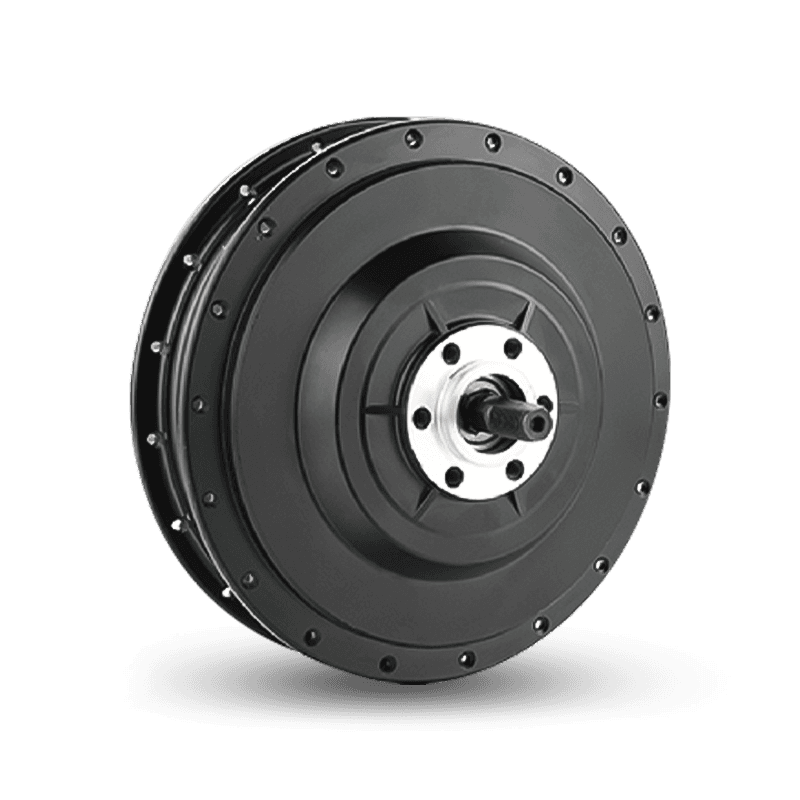 E-Type F500 Front Hub Motor
The E-Type F500 front hub motor is designed for E-Cargo and E-MTB bikes, offerin...
-
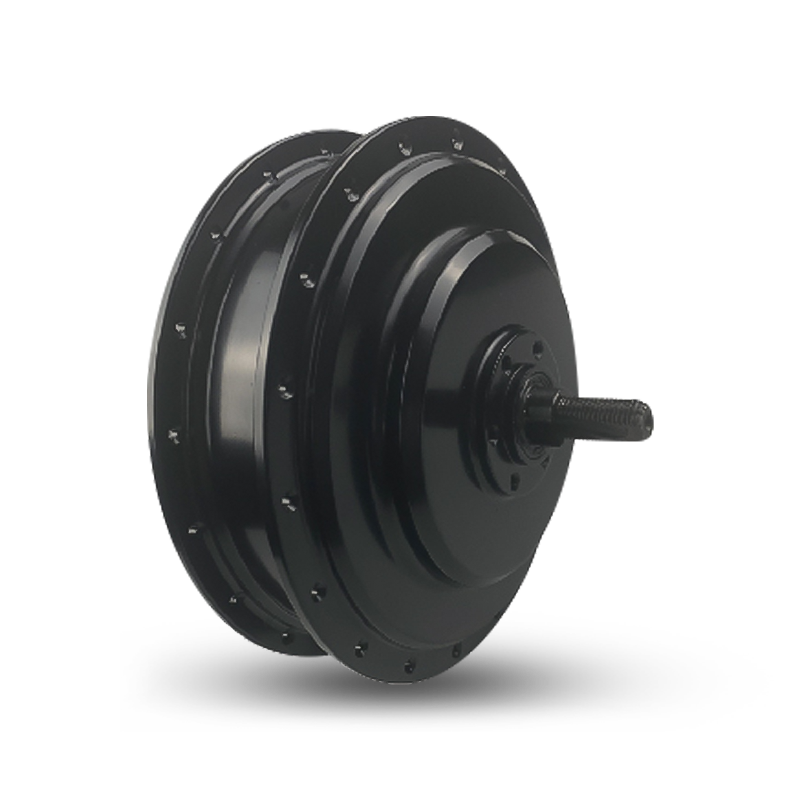 E-Type Pro RC750 Rear Hub Motor
The E-Type Pro RC750 Rear Hub Motor is designed for E-Cargo and E-MTB bikes, com...
-
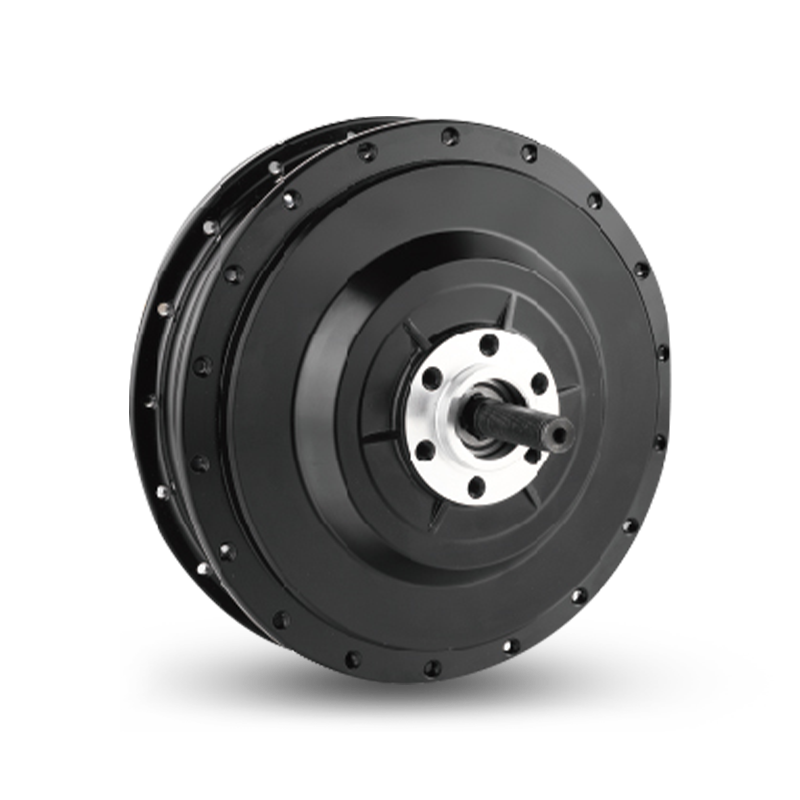 E-Type RF500 Rear Hub Motor
The E-Type RF500 Rear Hub Motor is designed for E-Cargo and E-MTB bikes, compati...
-
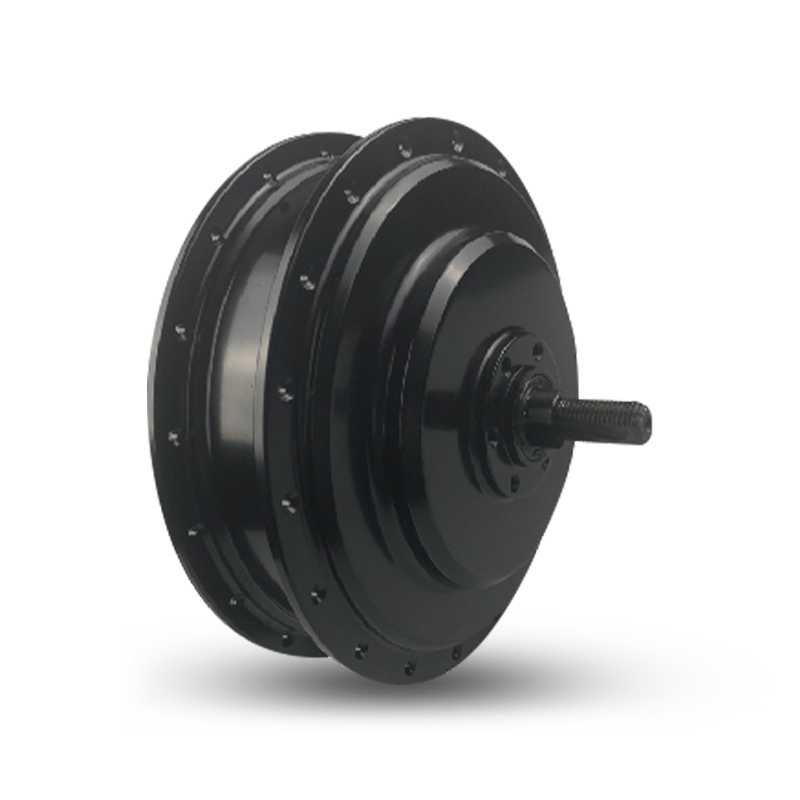 E-Type Pro RF750 Rear Hub Motor
The E-Type Pro RF750 Rear Hub Motor is designed for E-Cargo and E-MTB bikes, com...
-
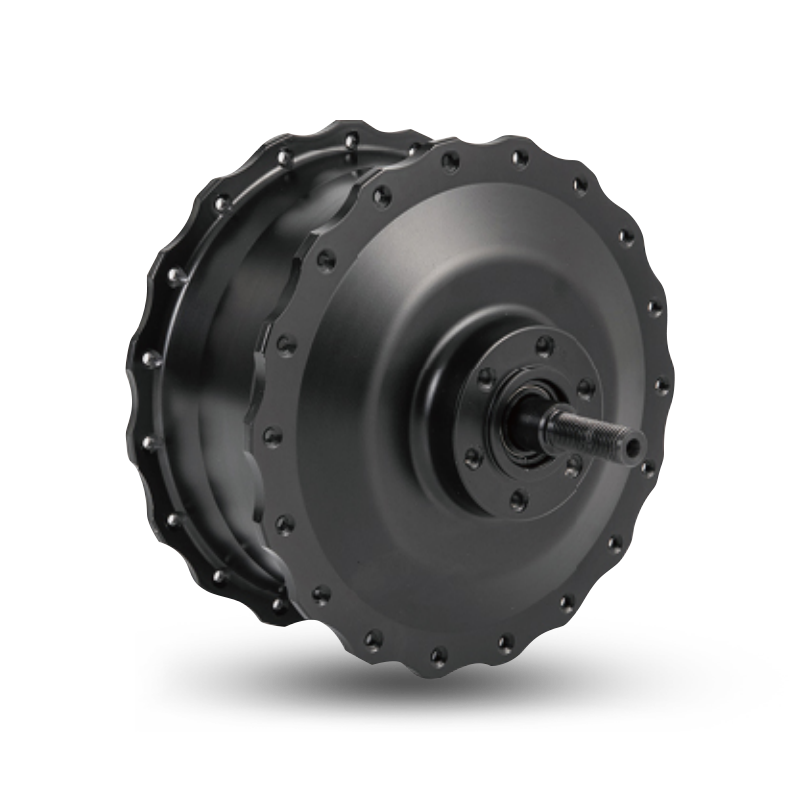 S-Type Pro F1500 Front Hub Motor
The S-Type Pro F1500 front hub motor, designed for E-Carao and E-Fat bikes, offe...
-
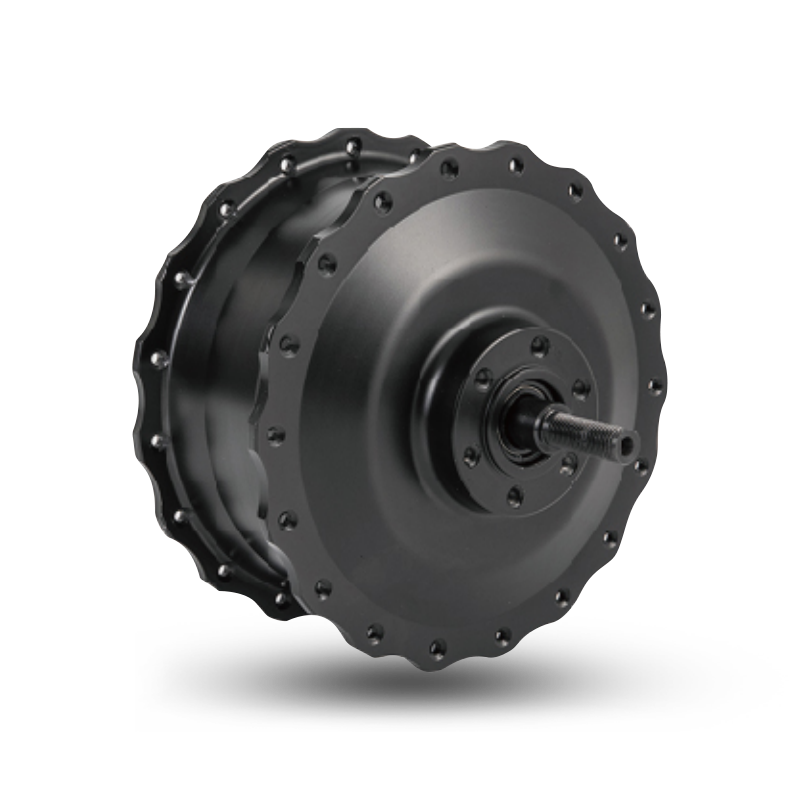 S-Type F750 Front Hub Motor
S-Type F750 is designed for E-Cargo and E-Fat. The rated power ranges from 500W ...
-
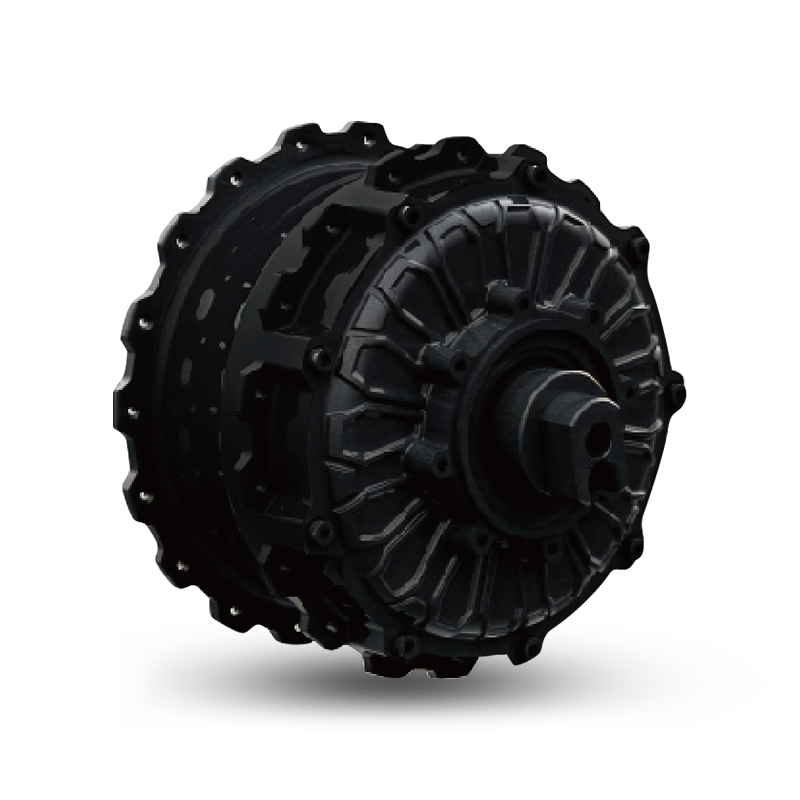 S-TYPE Max THRU AXLE Rear Hub Motor
The S-TYPE Max thru-axle motor is designed for E-Fat, Moped, and Cargo applicati...
-
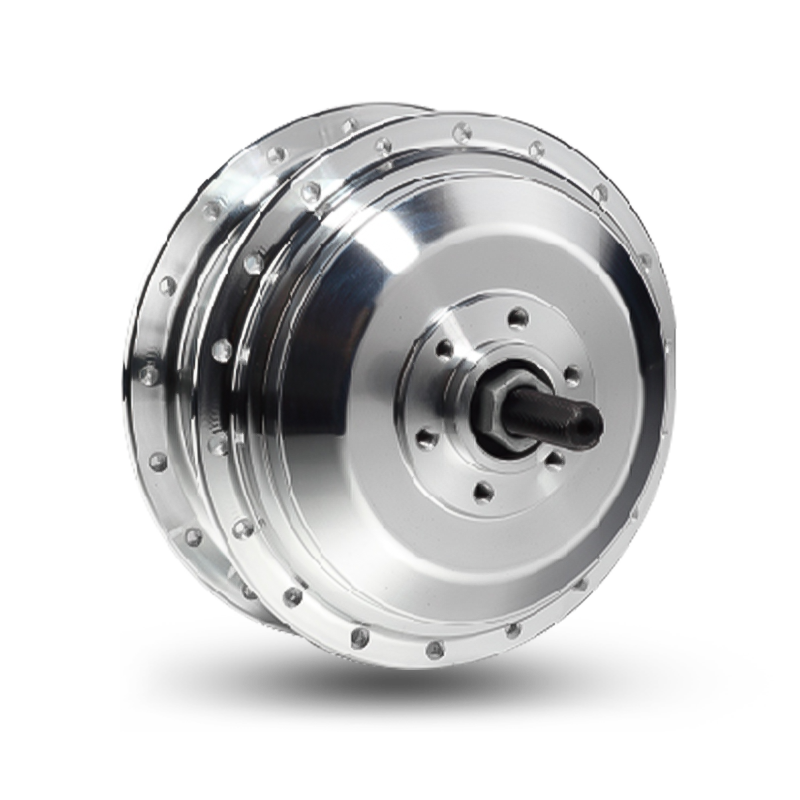 C-Type R350 Rear Hub Motor
The C-Type R350 Rear Hub Motor, designed for city e-bikes, offers a rated power ...
If you are interested in our products, please consult us
Contact Details
- Address:No. 3 Dingqiao Rd, Jiangshan Town, Yinzhou District, Ningbo, Zhejiang Province, China
- Phone: +86 13806662915
- Email: K.zhang@hengtai-cn.com
Products
Quick Link
News Center
Mobile terminal
