


 English
 中文简体
中文简体Don't hesitate to send a message
High Torque Hub Motors vs. Standard Hub Motors: Which Is Right for You?
Content
As the electric bike (e-bike) industry grows, one of the most crucial decisions for riders is selecting the right motor. The two most common types of hub motors in e-bikes are high torque hub motors and standard hub motors. These two motor types may look similar in design, but they offer distinctly different performance characteristics. Knowing the key differences between high torque and standard hub motors is essential for choosing the best motor for your specific needs.
What is a Hub Motor?
A hub motor is a type of electric motor that is mounted directly in the wheel hub of an e-bike, either in the front or rear wheel. Unlike traditional motors that are located in the bike's frame or bottom bracket, hub motors are compact, efficient, and provide direct power to the wheels. They are popular due to their simplicity, low maintenance, and ability to provide a smooth, quiet ride.
Hub motors come in different power ratings, typically ranging from 250W to over 1,000W, and can be further categorized into high torque hub motors and standard hub motors.
What is a High Torque Hub Motor?
A high torque hub motor is designed to deliver a greater amount of rotational force (torque) at low speeds, which makes it especially useful for tackling steep inclines, heavier loads, and rough terrain. These motors often have internal gearing, such as planetary gears, which boosts their torque without sacrificing too much efficiency. High torque hub motors are typically used in e-bikes that require extra power for activities like mountain biking, hill climbing, or carrying cargo.
The motor’s ability to provide instant acceleration and strong low-speed power is one of the key reasons why these motors are favored by riders who need high starting power, especially in challenging environments.
What is a Standard Hub Motor?
A standard hub motor, also known as a direct-drive motor, is a simpler motor that lacks internal gearing. Instead, it provides consistent power at higher speeds, with a more uniform torque delivery. Standard hub motors are typically used in commuter e-bikes or recreational bikes designed for flat terrain and urban environments. They are generally quieter, require less maintenance, and are more efficient when riding on smooth, level surfaces.
Standard hub motors are ideal for riders who prefer a simple, low-maintenance e-bike with good overall efficiency for flat commutes, without needing extra torque for hills or rough roads.
Key Differences Between High Torque Hub Motors and Standard Hub Motors
Torque and Power Output
- High Torque Hub Motors: The most significant difference between high torque hub motors and standard hub motors is the torque they produce. High torque hub motors are specifically engineered to generate high levels of rotational force (torque) at low speeds. This means they can easily power through steep hills, tackle heavy loads, and overcome resistance on rough terrain. The high torque delivery allows for better climbing power, especially when starting from a standstill or riding on challenging inclines.
- Standard Hub Motors: In contrast, standard hub motors provide less torque compared to their high torque counterparts. They are more suited for flat terrain or areas with mild inclines. Standard hub motors are designed to offer smooth and consistent power but may struggle on steeper hills, especially under heavy loads. They work best for urban commuters or recreational riders who mostly stay on level roads.
Hill Climbing Ability
- High Torque Hub Motors: If you frequently ride in hilly areas or encounter steep inclines, a high torque hub motor is an essential feature for your e-bike. High torque motors excel at hill climbing because they provide the extra force needed to power through steep gradients without sacrificing speed. This makes them ideal for riders who need a powerful start when heading uphill or those who plan on using their e-bike for off-road and mountain biking purposes.
- Standard Hub Motors: Standard hub motors are not as effective at hill climbing because they don’t offer the same torque output. While they can handle gentle inclines, they tend to struggle when the slope becomes steeper. If you live in a hilly region or plan to take your bike on mountainous trails, a high torque motor will significantly outperform a standard hub motor in these situations.
Efficiency and Battery Life
- High Torque Hub Motors: High torque motors tend to be less efficient when it comes to energy consumption, especially if they are used on flat terrain or in conditions where they don’t need to provide maximum torque. The additional gearing and motor components that generate higher torque often consume more energy, which may result in reduced battery life during long rides. However, on steep inclines or demanding terrain, these motors can make better use of power, delivering more efficient performance where needed.
- Standard Hub Motors: Standard hub motors are typically more energy-efficient on flat terrain. Since they provide a constant and consistent power output, they draw less power overall, leading to longer battery life. If you primarily ride on level roads or smooth terrain, a standard hub motor will allow you to travel further on a single charge, making it a great choice for commuting or recreational rides.
Speed and Acceleration
- High Torque Hub Motors: High torque motors are designed to provide quick acceleration and powerful low-speed performance. This is important for riders who need instant torque when starting from a stop, especially in situations like riding uphill, navigating heavy traffic, or carrying a heavy load. The powerful acceleration helps the bike reach speed quickly without putting a strain on the motor.
- Standard Hub Motors: Standard hub motors deliver consistent speed but tend to offer slower acceleration compared to high torque motors. These motors are more efficient at higher speeds and excel at maintaining a constant pace on flat terrain, but they may lack the quick start and torque required for steep hill climbs or quick acceleration.
Weight and Maintenance
- High Torque Hub Motors: High torque hub motors tend to be heavier due to the internal gearing and additional components that help boost torque. This extra weight can affect the overall weight of the e-bike, which may be a consideration for riders looking for a lightweight bike. Additionally, the more complex design means higher maintenance requirements, as the internal gears may wear down over time.
- Standard Hub Motors: Standard hub motors are lighter and have fewer internal components, which makes them easier to maintain. Their simpler design means there are fewer moving parts, leading to less wear and tear and longer-lasting performance. For riders who prefer a low-maintenance bike that is easy to handle, a standard hub motor is a better option.
Noise and Smoothness of Ride
- High Torque Hub Motors: The additional gears in high torque motors often result in more noise during operation. While not overwhelming, the noise level may increase when the motor is under load, such as when climbing a hill or carrying extra weight. However, high torque motors provide a smooth and controlled ride in challenging conditions, even if they are noisier.
- Standard Hub Motors: Standard hub motors are generally quieterbecause they don’t have internal gears. They provide smooth and silent operation, which is especially important for urban commuters or riders who value a peaceful and noise-free ride.
|
Feature |
High Torque Hub Motors |
Standard Hub Motors |
|
Torque Output |
Provides high low-speed torque, great for climbing and heavy loads |
Lower torque, better suited for flat terrain or mild inclines |
|
Hill Climbing Ability |
Excellent for steep inclines and mountain biking |
Struggles on steeper hills, better for flatter surfaces |
|
Efficiency & Range |
Less efficient on flat ground, quicker battery consumption |
More efficient on flat terrain, longer battery life |
|
Acceleration |
Quick acceleration, ideal for starting and rough terrains |
Smooth acceleration, suited for steady riding |
|
Weight |
Heavier due to internal gearing and motor complexity |
Lighter, simpler design with less weight |
|
Maintenance Needs |
Requires more maintenance, gears may wear over time |
Requires less maintenance, fewer components to wear |
|
Noise Level |
Higher, especially under load or while climbing |
Quieter, suitable for urban commuting |
|
Best Use Case |
Hill climbing, mountain biking, carrying heavy loads |
Commuting, flat terrain, recreational riding |
Which One Is Right for You?
The decision between a high torque hub motor and a standard hub motor comes down to your riding style, terrain, and performance needs.
Go for a High Torque Hub Motor If You:
- Frequently ride on steep hills or mountainous terrain.
- Need extra torque for carrying heavy loads or tackling challenging trails.
- Prioritize quick acceleration and powerful low-speed performance.
- Don’t mind a slightly heavier bike and higher maintenance requirements.
Go for a Standard Hub Motor If You:
- Primarily ride on flat roads or smooth urban surfaces.
- Want longer battery life and greater efficiency on level terrain.
- Prefer a quieter, low-maintenance bike with consistent power delivery.
- Value a lighter e-bike for easier handling and storage.
OUR PRODUCTS
Recommended Products
-
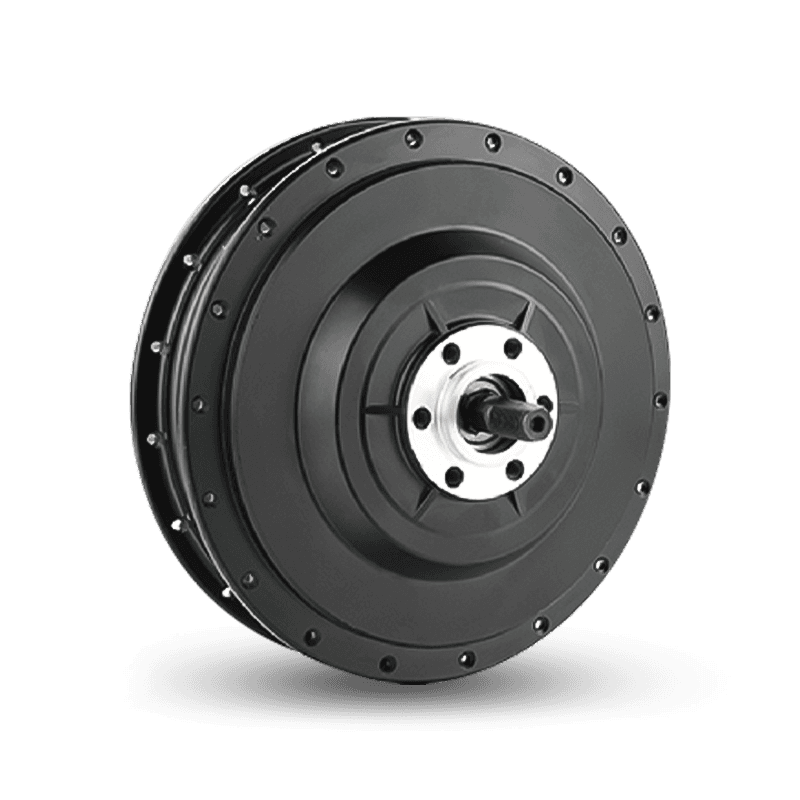 E-Type F500 Front Hub Motor
The E-Type F500 front hub motor is designed for E-Cargo and E-MTB bikes, offerin...
-
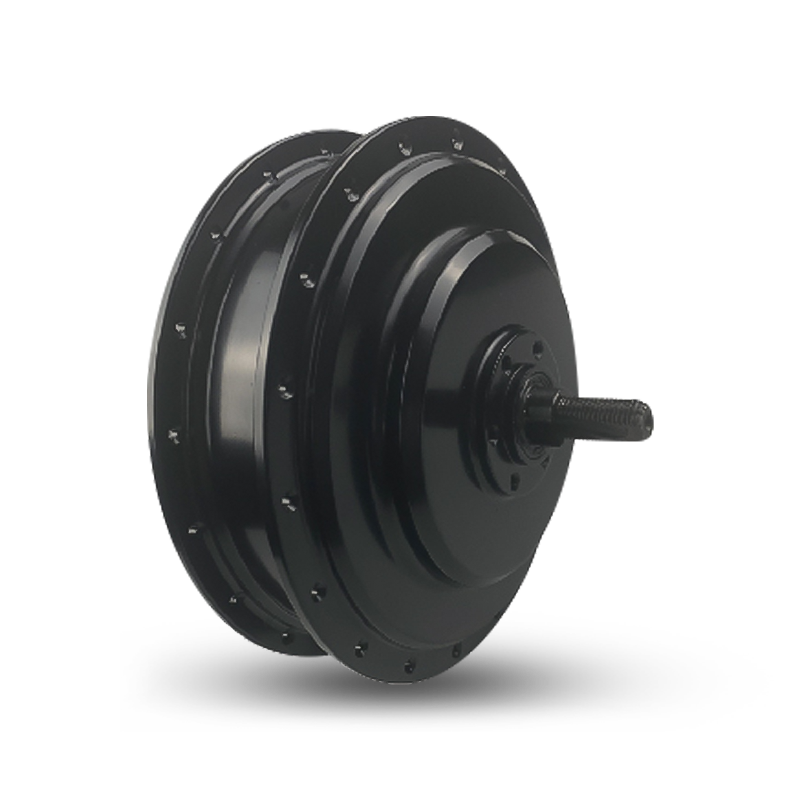 E-Type Pro RC750 Rear Hub Motor
The E-Type Pro RC750 Rear Hub Motor is designed for E-Cargo and E-MTB bikes, com...
-
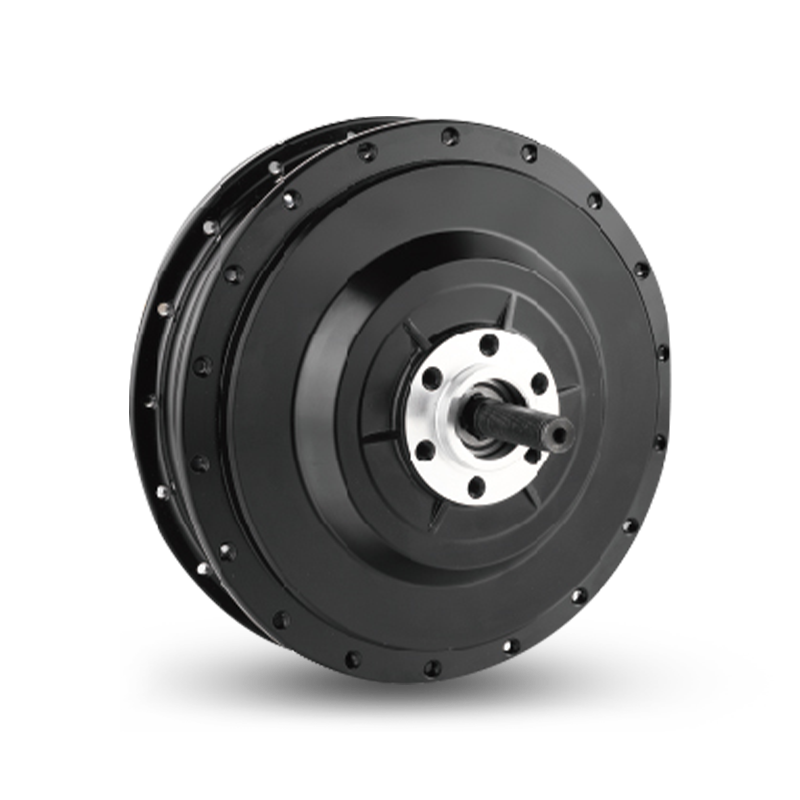 E-Type RF500 Rear Hub Motor
The E-Type RF500 Rear Hub Motor is designed for E-Cargo and E-MTB bikes, compati...
-
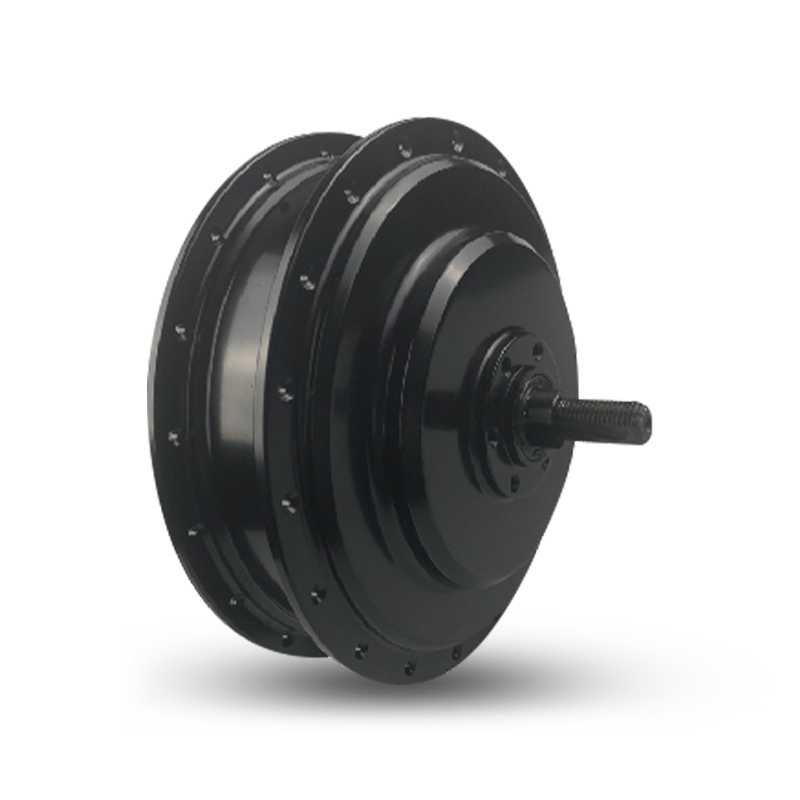 E-Type Pro RF750 Rear Hub Motor
The E-Type Pro RF750 Rear Hub Motor is designed for E-Cargo and E-MTB bikes, com...
-
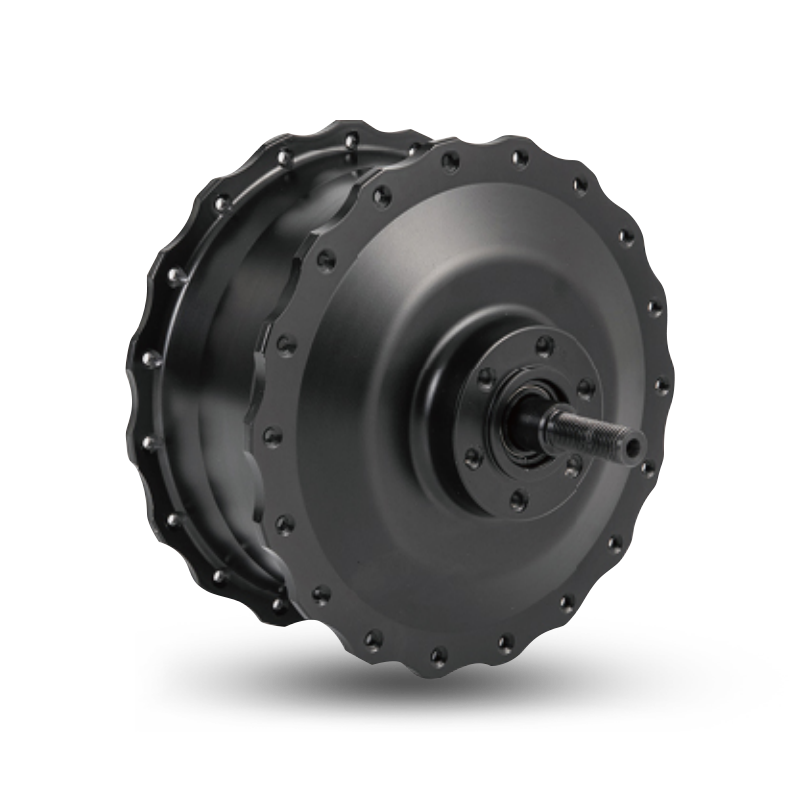 S-Type Pro F1500 Front Hub Motor
The S-Type Pro F1500 front hub motor, designed for E-Carao and E-Fat bikes, offe...
-
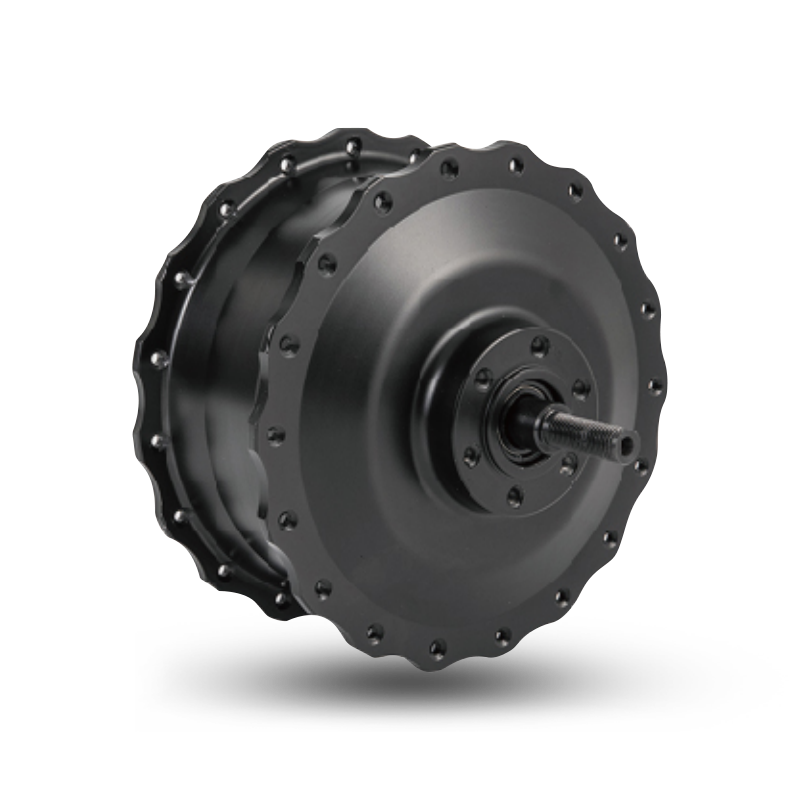 S-Type F750 Front Hub Motor
S-Type F750 is designed for E-Cargo and E-Fat. The rated power ranges from 500W ...
-
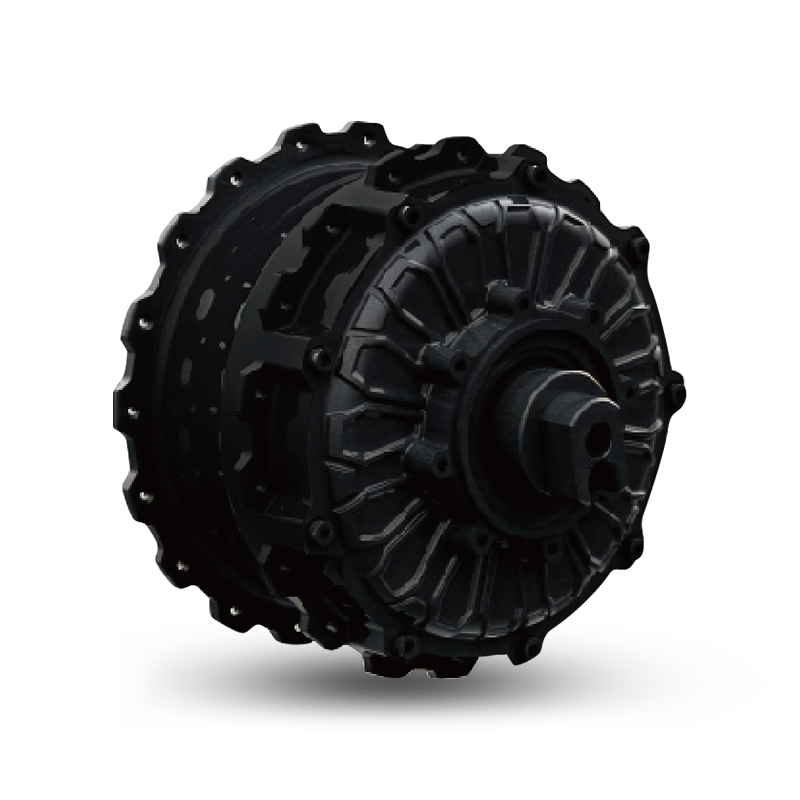 S-TYPE Max THRU AXLE Rear Hub Motor
The S-TYPE Max thru-axle motor is designed for E-Fat, Moped, and Cargo applicati...
-
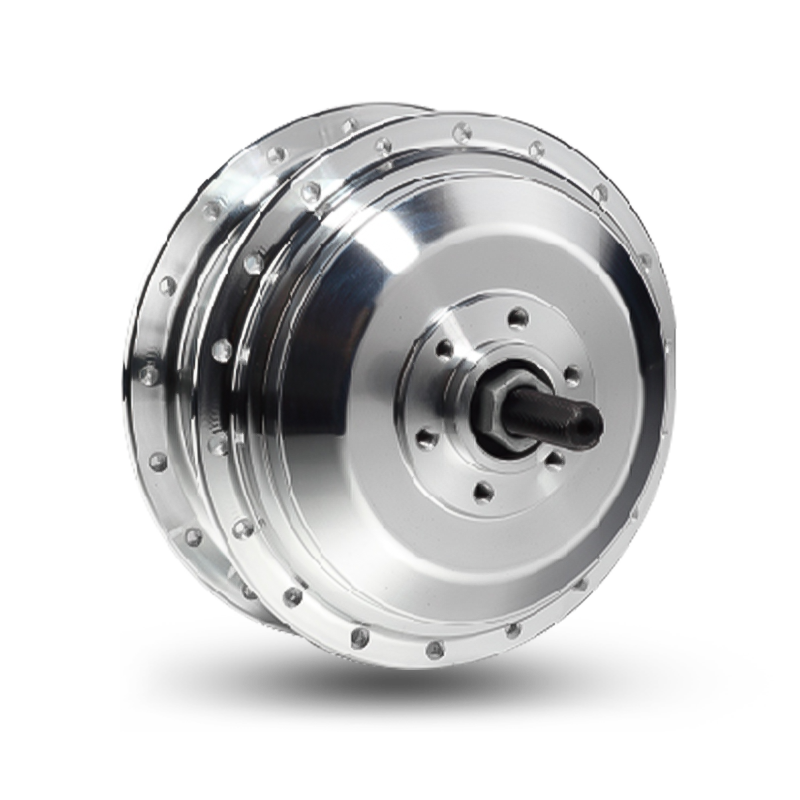 C-Type R350 Rear Hub Motor
The C-Type R350 Rear Hub Motor, designed for city e-bikes, offers a rated power ...
If you are interested in our products, please consult us
Contact Details
- Address:No. 3 Dingqiao Rd, Jiangshan Town, Yinzhou District, Ningbo, Zhejiang Province, China
- Phone: +86 13806662915
- Email: K.zhang@hengtai-cn.com
Products
Quick Link
News Center
Mobile terminal
